
This page covers the being. The Blood of Dawnwalker is the game, and Dawnwalker Saga is the wider series the studio has announced around it.
What is a Dawnwalker
A Dawnwalker is a being who exists between human and vampire. They carry traits of both and can walk in daylight and darkness, something full vampires cannot do. The condition is the result of a vampire turning that neither completed nor catastrophically failed. It stalled partway, leaving the subject in a stable but hybrid state.
Known Dawnwalkers
Coen is the Dawnwalker the story follows. He was created when Brencis attempted to turn him into a vampire, but years of silver poisoning from mine work disrupted the process. A second case comes from the game's own text. Saint Mihai, venerated in Svartrau as a Christian saint and dragon-slayer, was in fact a pagan vrakhir-hunter who had been betrayed and chained alive beneath the cathedral for centuries. Before he dies at Coen's hand, he calls himself a dawnwalker and tells Coen that he is one too. That is an in-world claim recorded in Coen's journal rather than a narrator's statement, but it is the game's own account.
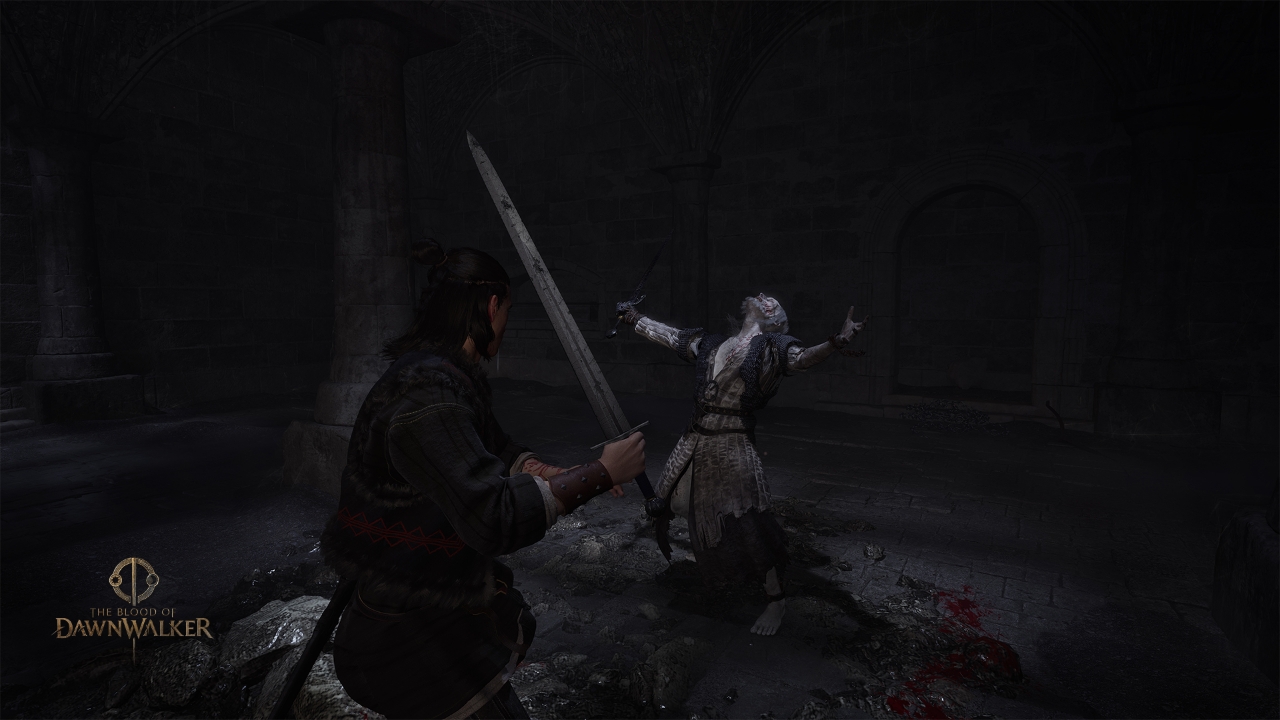
If Mihai's claim is taken at face value, the condition is not unique to Coen's specific silver-poisoning circumstances. It has happened before, possibly through a different mechanism, with the same result either way: a being caught between two states. The game does not say how Mihai became one.
How the Turning Normally Works
To create a vampire, the sire pulls out one of their own fangs and pierces it through the target's heart. The fang then "sprouts like a seed, unfurling thin, seeking tendrils" that penetrate every part of the body, changing and remodeling it. The transformation happens slowly and gradually over the course of the vampire's endless life. No one truly knows what the transformation's end goal is.
Vampire teeth are not the traditional two fangs of popular culture. In this world, vampires grow a series of needle-like fangs from different parts of their skull as they age. The older the vampire, the more fangs they grow. Pulling out a fang to create a new vampire is a real physical sacrifice.
Dawnwalker vs. murohni
When a turning goes wrong in a different way (when a fang breaks off during feeding and lodges somewhere other than the heart) the result is a murohni. The vital energy in the tooth explodes all at once, violently deforming the host into a mindless, blood-thirsty beast. Murohni lack self-preservation and eventually wander into sunlight and burn.
The distinction between a Dawnwalker and a murohni appears to be one of balance. Murohni are catastrophic failures (the transformation went violently wrong. Dawnwalkers are incomplete transformations) the process started correctly but was interrupted before it could finish. The difference in outcome is enormous.
Abilities
During the day, a Dawnwalker is effectively human. Coen uses swordplay and Hex Magic runes carved into his skin that serve as conduits for offensive, defensive, and investigative spells.
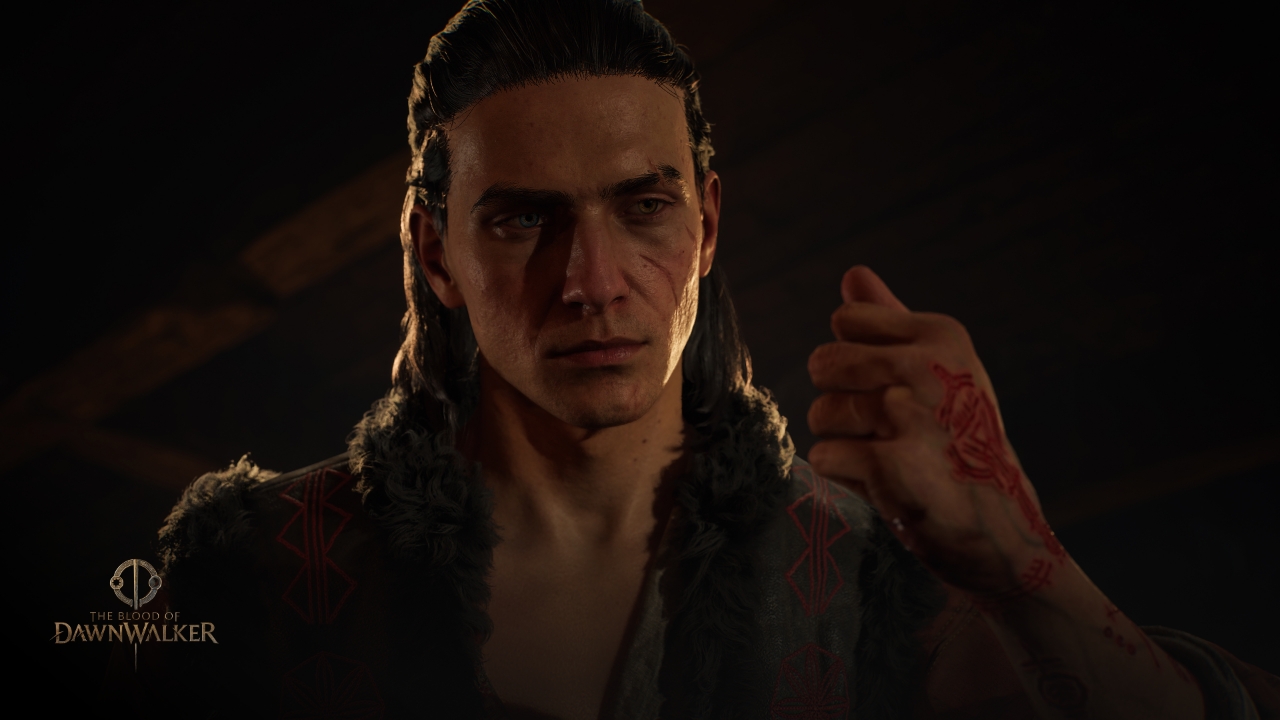
At night, the vampire side emerges. Coen gains Vampiric Powers: Shadowstep, Planeshift, Clawride and Voracious Bite, with the Shapeshift wolf form for covering distance. There is no bat form in the base game as of September 2026. His hex magic rune scars seal shut as vampiric regeneration takes over. His own body heals the wounds that channel his human magic.
Aging
Dawnwalkers age significantly slower than normal humans. This has been confirmed by the developers, who hinted it could carry implications for sequels. Saint Mihai's survival for centuries in the cathedral crypt is physical proof of how far this slowed aging extends.
Weaknesses
The Blood Craving is the most dangerous liability. As hunger grows, self-control weakens, and Coen can involuntarily drain NPCs. A Dawnwalker is weaker than a full vampire at night and more vulnerable than a normal human during the day. The hybrid biology carries liabilities from both sides.
Of the night-side abilities listed above, Voracious Bite is the one the game’s own patch notes name directly, which puts it beyond doubt in the shipped build. The rest of the kit is documented on Vampiric Powers and Vampire Combat and Night Abilities.