
Overview
"Narrative sandbox" is the term Rebel Wolves uses to describe The Blood of Dawnwalker's approach to storytelling and player freedom. Creative Director Mateusz Tomaszkiewicz explained that the term "refers to the way we craft our content. It's how we allow you, the player, to interact with it. So the core of it is maximising players' agency and freedom of choice, while at the same time delivering the high-quality narratives that we are known for crafting in the past."
What it Means in Practice
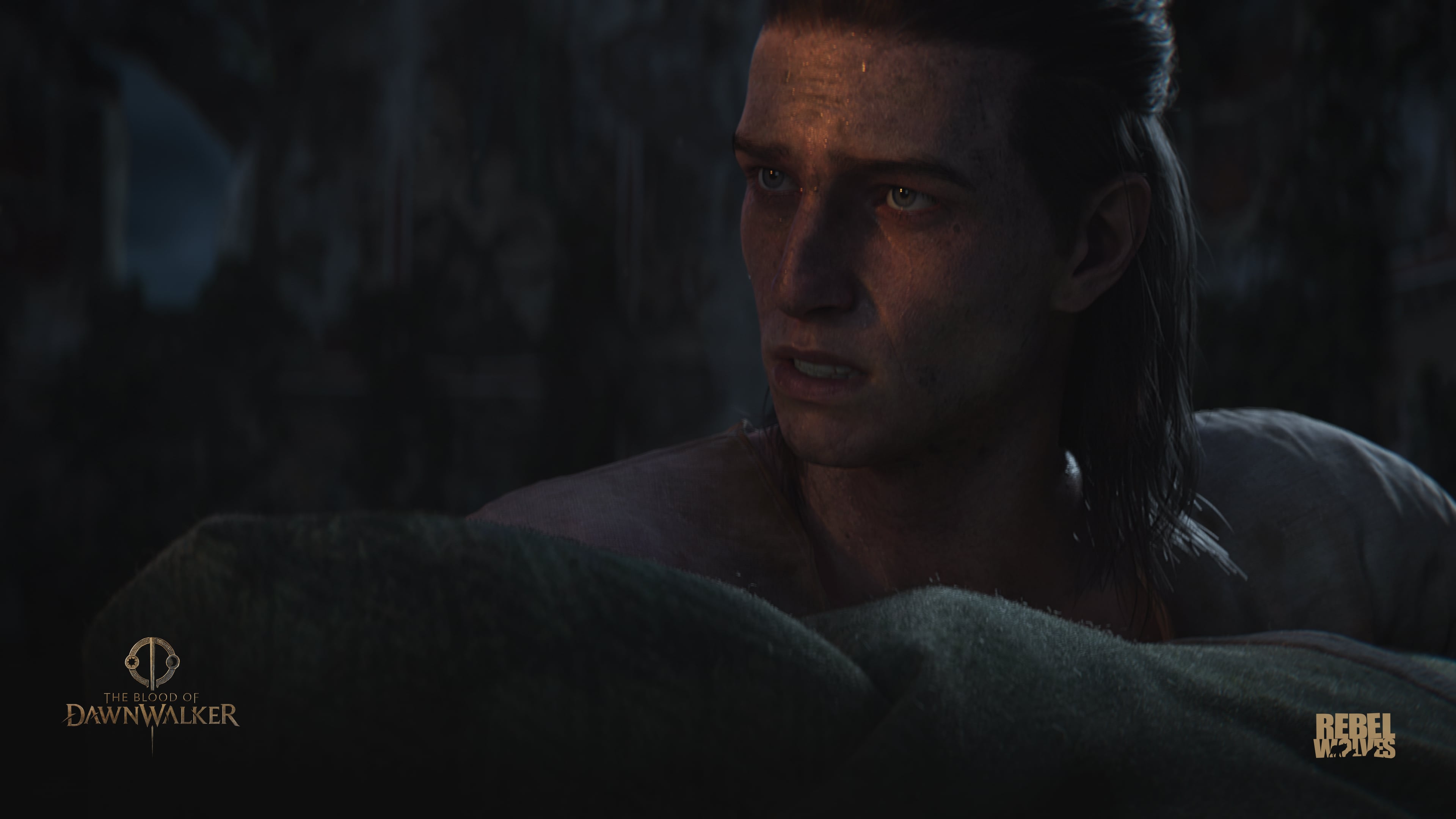
The narrative sandbox has several concrete implications for how the game plays:
Quests can be completed in any order, skipped entirely, or never discovered at all
Many characters can be killed, with their absence reshaping events and relationships
There are often multiple paths to achieve the same goal
Inaction is treated as a choice: the world recognizes and responds to things the player does not do
There is no distinction between "main quests" and "side quests," only different stories the player weaves together
Not a Pure Sandbox
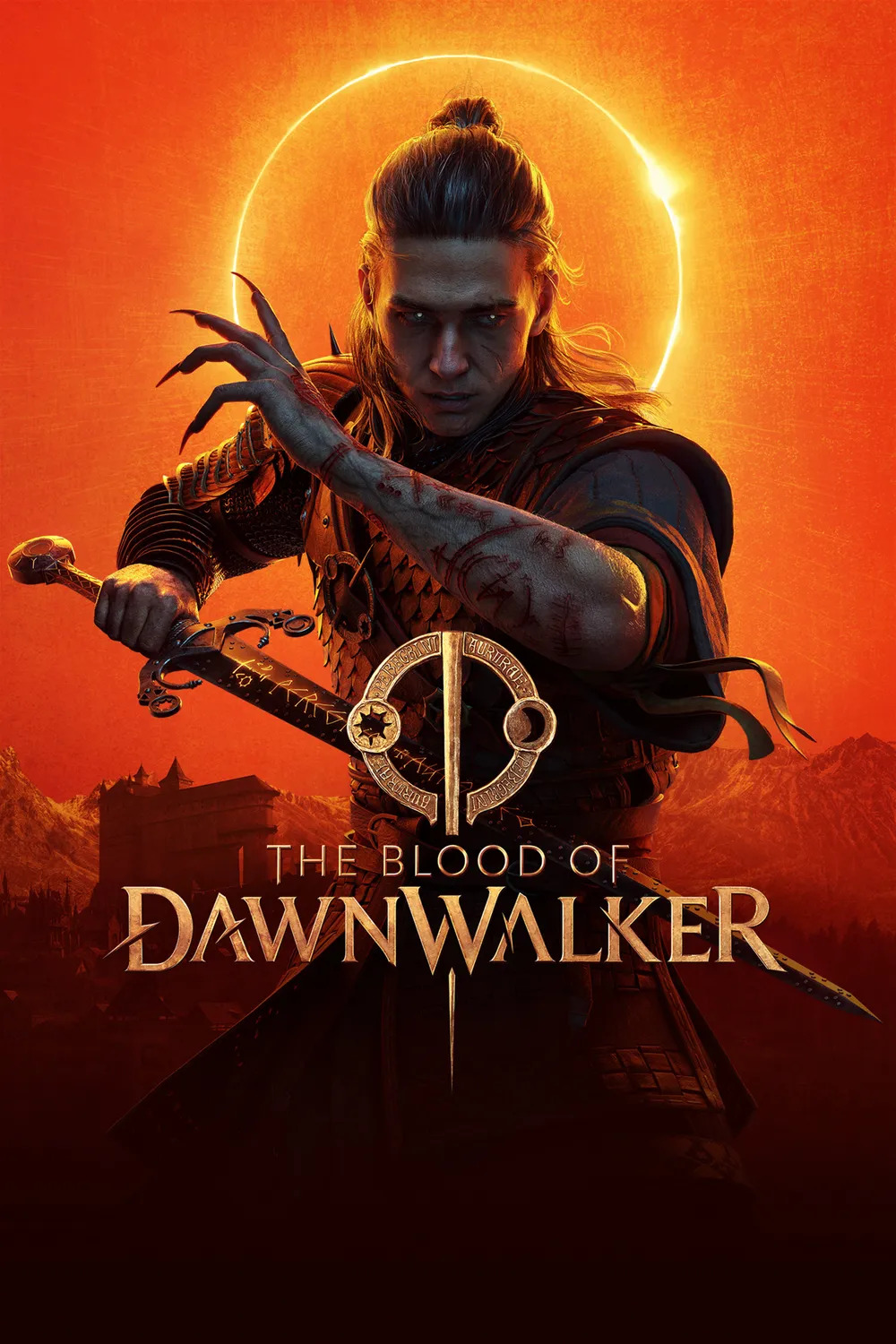
The developers were careful to distinguish their approach from open-ended sandbox games. Tomaszkiewicz clarified: "Dawnwalker is not going to be a game where it's a pure sandbox, where you're just focusing on the gameplay. We do want you to experience these moments with the world of the characters, and the emotions that these situations can evoke and so on, and so forth." The game has a clear central objective (save Coen's family from Greifberg), but the path to that objective is almost entirely up to the player.
Integration Across Content Types
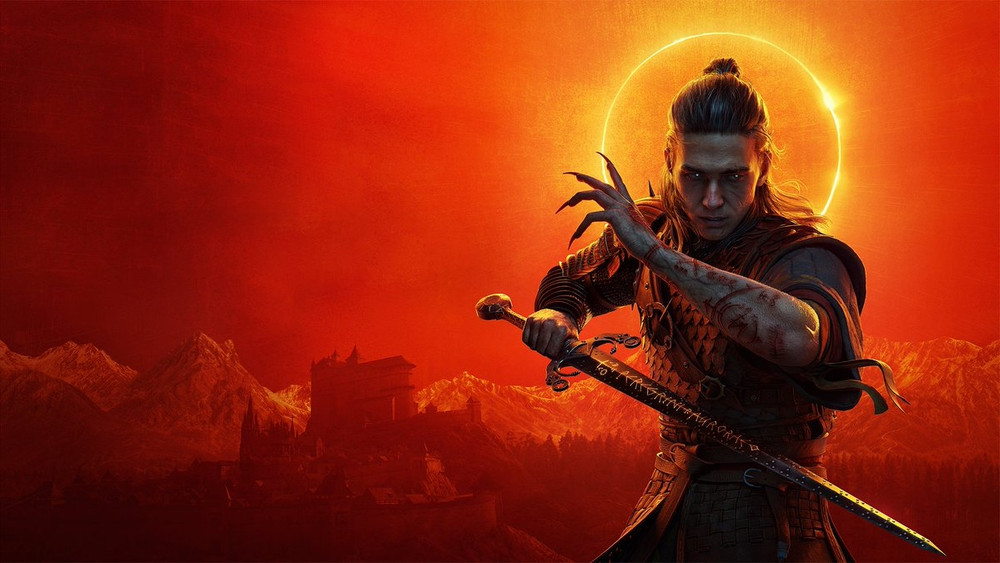
Tomaszkiewicz also explained how the philosophy extends beyond large quests. Narrative sandbox design shapes the main quest and smaller world activities, tying side content back into the central narrative.
This approach works in concert with the time-as-a-resource mechanic. Because players have only 30 days and 30 nights, they cannot do everything in a single playthrough. Every quest they pursue means another they must skip. The Notoriety System adds another layer: aggressive actions against Brencis bring consequences that ripple through other quest lines.
Developer Pedigree
The narrative sandbox builds on the team's prior work. Konrad Tomaszkiewicz directed The Witcher 3: Wild Hunt, and Mateusz Tomaszkiewicz was its lead quest designer. Narrative Director Jakub Szamalek also worked on the Witcher series. The team frames the narrative sandbox as an evolution of what they built at CD Projekt Red, taking the branching quest design further by removing the main/side quest hierarchy entirely.
Concrete Consequence Example
Rebel Wolves grounded the narrative-sandbox principle in a specific recurring example during the April 2026 communications: kill a local blacksmith for the gold in his shop, and that forge becomes inaccessible for the rest of the playthrough. The killed NPC does not respawn, so the equipment that would have been crafted there is gone, the related questline closes, and any character who depended on the blacksmith's work has to find their own path. This is the same consequence layer that drives faction reactivity, blood-craving NPC kills, and the Notoriety System: the world keeps a permanent record of what Coen does, and the story proceeds from that record rather than from a generic morality counter.
The Choice Layer in Play
Launch-week coverage has mapped enough of the shipped game to show what the design produces in practice. The decision points below are the ones documented in detail; they are a sample of the layer rather than a catalogue of it, and several of them read as small at the moment they are offered.
Decision | Where It Appears | What It Touches |
|---|---|---|
Whether to force-feed Esme | Prologue | Nothing beyond the scene. Included as an introduction to the choice system |
How Anca's medicine is brewed | Prologue | Whether Coen's mother survives the prologue at all |
Whether to beat Brencis in the prologue fight | Prologue | Ends the game there, with a correspondingly short closing sequence |
Whether to kill the soldiers at the mill | The Firebrand | Whether a bystander is found dead later |
Whether to free the miller | Under Watchful Eyes | Where he ends up, and whether he can be met again |
Whether to save Vlad | Early questline | How the Manumit assault goes in one of the endings |
Whether to invite Ambrus in | Vrakhiri questline | Whether he survives as an invited guest or is killed outright |
Whether to spare Xanthe | Vrakhiri questline | Whether her thread appears in the closing tableaux |
Whether to let Anca use The Font | Stronger Than Achilles | Whether Anca stays in the village afterwards |
The pattern that holds across all of them is that the game records the outcome rather than scoring it. There is no morality meter behind the scenes; what exists instead is a ledger of things that happened, which the ending reads back.
How the Game Reports Back
Endings are followed by an epilogue set in Laslea as the village prepares for winter. Which characters appear there changes with the run, and the notices pinned to the tree in the square are rewritten to match the state the valley was left in: who rules it, whether the church returned, and how particular local matters were settled. After the village scene the game runs a series of tableaux, each covering the outcome of one questline or one choice, from the fate of Coen's family to whether the right killer was caught in a murder investigation in the city.
This is the clearest statement the finished game makes about its own design: the closing sequence is not a single ending slide but an itemised account of what the player did and did not do. The description of it here comes from one outlet's ending guide, which is currently the only published account of the structure.
Seeing It All Takes More Than One Run
Konrad Tomaszkiewicz has stated directly that a single playthrough will not show everything. The game holds multiple endings and multiple end states for the world, and achievements are tied to those endings, so completing the full set requires replaying with different choices rather than exhausting one run. This is the intended shape of the design rather than a limitation of it, and it is the reason the 30-Day Cycle is framed as a budget instead of a failure timer.
Senior quest designer Patryk Fijalkowski has clarified what happens at the other end of that budget: running out of time does not abruptly end the game. It triggers a worse ending. The distinction matters for how the deadline reads in play, because the pressure comes from the quality of the outcome rather than from a game-over screen.