
Loading...
Farming
February 11, 2026 at 09:41 AM
Transcript-sourced update: animal husbandry as smartest mechanic (scaling with crop tiers), planter boxes for non-soil farming, growth rate detail (1 hour/minute), weed kill timer, farming-to-automation progression arc
Farming is one of the five professions. Your mentor is Graminova, a PhD botanist who teaches you the basics through her questline. The system starts simple but gets deeper as you unlock greenhouses, sprinklers, giant crops, flower hybridization, and automation.
Farming is one of the smartest-designed systems in the game. It is not just about planting and harvesting. Animals solve farming problems. Higher-level crops require higher-level animals for pest control. Everything feeds into everything else, creating a feedback loop that keeps farming from becoming tedious micromanagement.

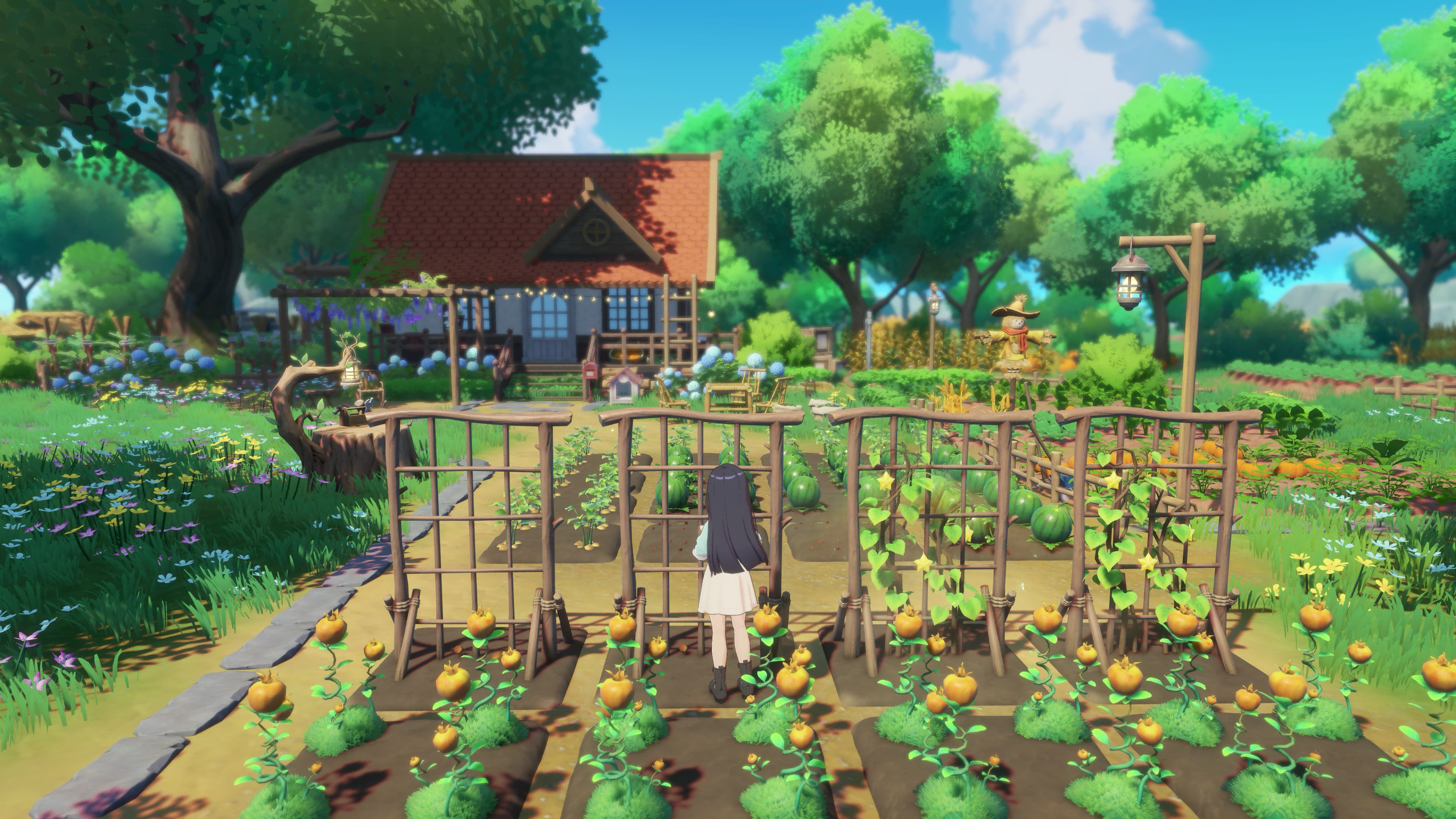
Clear your farmland of weeds, rocks, and debris.
Till the soil with your hoe.
Sow seeds purchased from shops or found while exploring.
Water the crops daily (or let rain, sprinklers, or water retention systems do it).
Apply fertilizer for better yields if you have it.
Harvest when ready.
Growth happens fast. Roughly one in-game hour per real-life minute means things are constantly moving. Most crops take about one in-game day to reach harvest. Some need special setups: cucumbers need trellises, rice needs paddies, mushrooms need shade, and some plants need planting boxes instead of plain tilled dirt.
This is where animal husbandry quietly becomes one of the smartest mechanics. Instead of animals just being resource producers, they actually solve farming problems:
Small critters (rabbits) automatically handle weeds for you, keeping your fields clear.
Chicks hunt bugs that would otherwise damage crops.
Ducks eat snails that threaten your harvest.
Animals breed on their own, produce materials you can sell or craft with, and scale alongside your farming skill. As you unlock higher-level crops, you also need higher-level animals to deal with pests that affect those plants. It is a surprisingly clean system that keeps farming from becoming tedious. Everything feeds into everything else.
If you want fast income early on, these three crops are the best investments:
Wheat -- Grows fast, low seed cost, consistent income. Also useful as a cooking ingredient for stamina meals.
Garlic -- Good profit margin relative to seed cost. Reliable moneymaker.
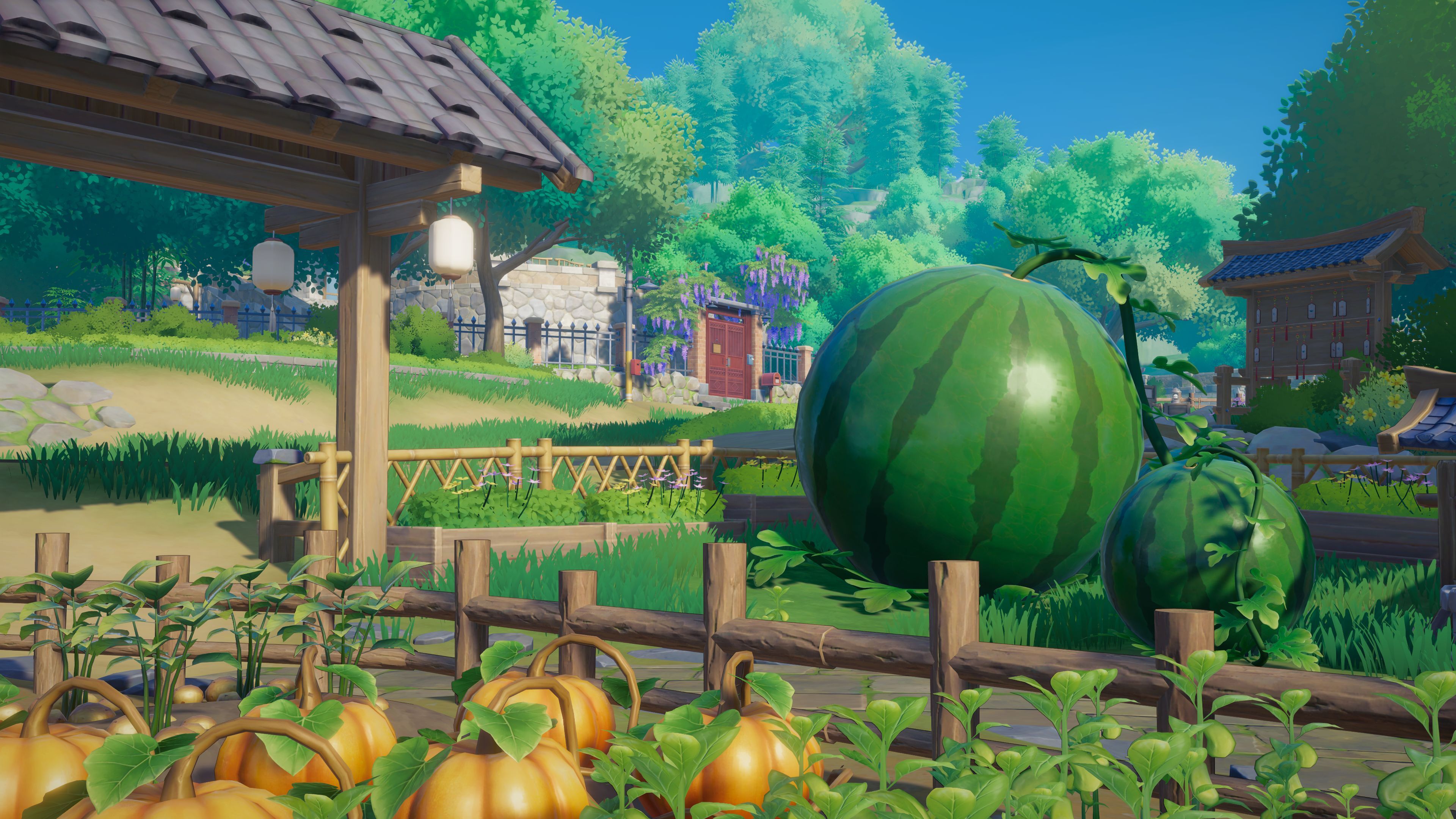
Watermelon -- Higher value per harvest. Plant in a 3x3 grid for a chance at a giant watermelon worth significantly more.
Planter boxes let you grow crops anywhere you can place furniture, not just in tilled soil. This means you can farm on your houseboat, on your private island, or in creative locations. Combined with the building system, you could set up rooftop gardens or boat farms.
The game has nearly 100 crop types. Types include:
Grains (wheat, rice)
Fruits (strawberries, watermelons)
Vegetables (cucumbers, assorted produce)
Fruit trees (long-term investment, produce across seasons)
Climbing plants (need trellises)
Mushrooms (shade-grown)
Flowers (decorative, trade value, and hybridization)
Unique plants from the Moonlit Forest (can be brought home to grow)
Four seasons: Spring, Summer, Fall, Winter. Each crop has a growing season. Plant a summer crop in winter and nothing happens. Check the seed description before buying. Seasonal crops sell for high prices. Rain waters crops automatically.
Plant the same crop type in a 3x3 grid and they have a chance to merge into a single giant crop. Giant crops yield significantly more than nine individual harvests. They can be sold for big profits or crafted into seasonal crop-themed furniture for your home.
Flowers have a cross-pollination system. The three base colors are red, yellow, and blue. Leave empty plots between flower beds and rare hybrid flowers can grow in those gaps. Crossbreeding unlocks hybrid colors including pink, orange, green, purple, brown, and black.
Weeds can pop up and slow everything down if ignored. They can kill your crops within two days if left unpulled. This is a real threat early on before you have animals to handle it for you. Getting rabbits as soon as possible is one of the best early investments.
Some crops drop everlasting seeds when harvested. These are seeds that never stop growing. Replant them immediately without buying new seeds.
Greenhouses unlock as you progress and let you grow any crop regardless of season, including rare crops that are otherwise unavailable. See Building for construction details.
Farming evolves from manual to automated as you progress. The automation unlocks in stages:
Automatic sprinklers -- Water your crops without spending stamina.
Fertilizer boxes -- Auto-apply fertilizer to nearby plots.
Water retention systems -- Reduce daily watering needs.
Smart robots -- Handle harvesting and maintenance while you are away.
Automated mining and logging -- Reduce the manual material gathering grind.
In the beginning, farming is fully manual. But as you improve your crafting skill and unlock better equipment, the gameplay shifts. The manual labor phases out and you can focus on exploration, building, or relationships while your farm runs itself.
Sell at shops in town for full Starshell value, or use the Instant Shipping Box for about 50% of the price.
Start with wheat, garlic, and watermelons for fast early income.
Start Graminova's questline early for farming skill upgrades.
Get rabbits, chicks, and ducks as soon as you can for pest control. This is one of the smartest moves you can make.
Pull weeds within two days or they will kill nearby crops.
Pay attention to crop tiers: higher-level crops need higher-level animals for pest control.
Try 3x3 grid planting for giant crops once you have space.
Leave empty plots between flowers for hybridization.
Use planter boxes to farm in creative locations like your houseboat.
Bring unique plants home from the Moonlit Forest to expand your crop variety.
Prioritize greenhouse and sprinkler unlocks.