

Overview
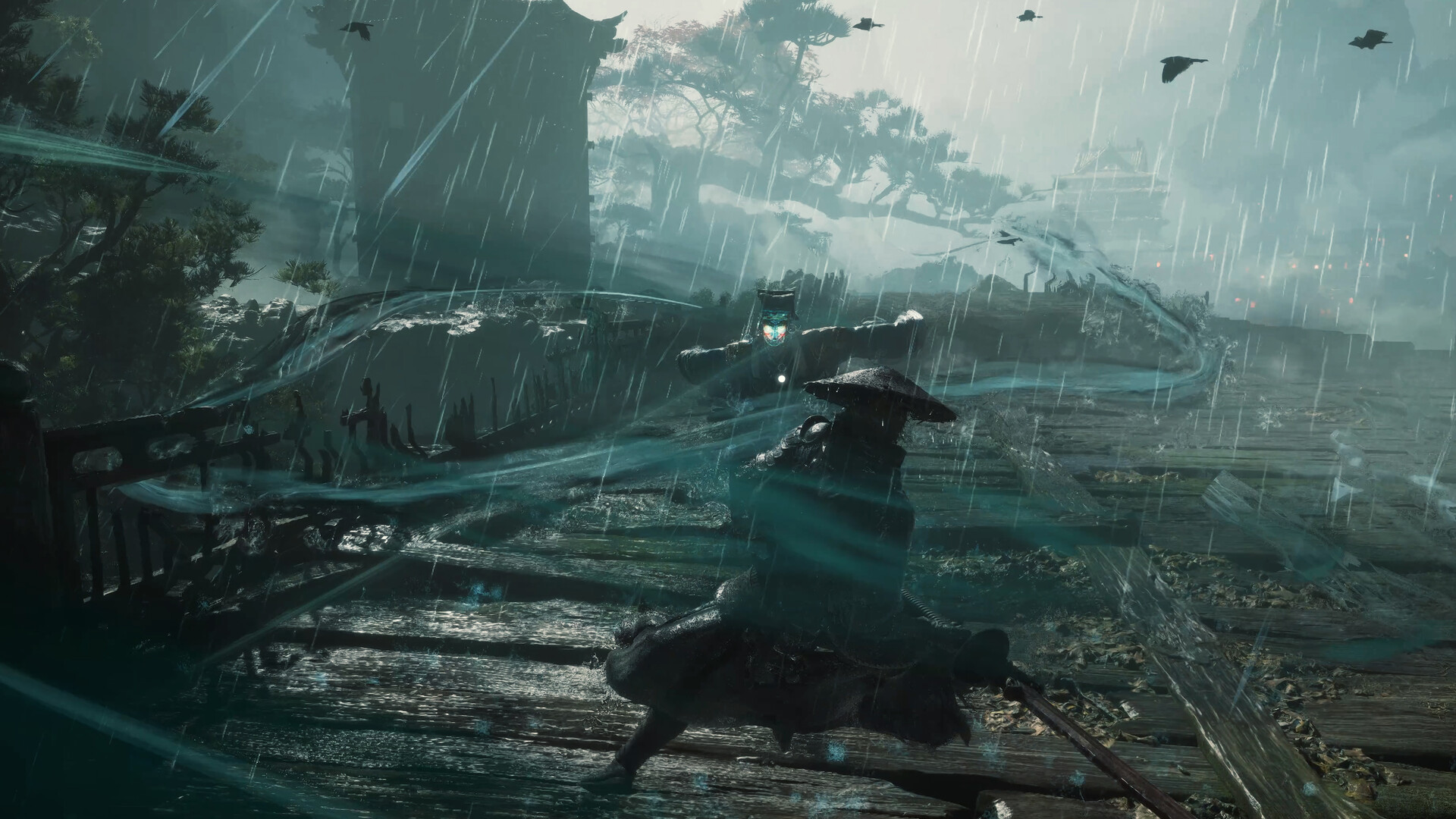
Wuxia (武侠, literally 'martial hero') is a genre of Chinese fiction centered on the adventures of martial artists in ancient or semi-historical China. It is one of the oldest and most influential storytelling traditions in Chinese culture, spanning literature, film, television, comics, and video games. Phantom Blade Zero is rooted in wuxia conventions while simultaneously subverting many of them through its Kung Fu Punk aesthetic.
The Martial Hero Tradition
At the center of wuxia is the figure of the xiake, the martial hero or knight-errant. The xiake is a wandering fighter who operates outside official authority, guided by a personal code of yi (righteousness) rather than law. Xiake figures protect the weak, right injustices, and challenge corrupt power structures. They are not soldiers or agents of the state but independent actors whose martial skills give them the freedom to live by their own principles.
The xiake tradition traces its roots to historical accounts of wandering warriors in pre-imperial China, but its literary expression began in earnest during the Tang dynasty (618-907 CE), when tales of swordsmen and assassins became a popular fiction genre. The tradition was codified in the 20th century by novelists like Jin Yong (Louis Cha), Gu Long, and Liang Yusheng, whose serialized novels defined the genre's modern conventions and remain widely read across the Chinese-speaking world.
The Jianghu
Wuxia stories take place in the jianghu (江湖, literally 'rivers and lakes'), a term that refers to the shadow society of martial artists, bandits, secret societies, and wandering fighters that exists parallel to mainstream civilization. The jianghu is not a physical place but a social world. A network of relationships, rivalries, debts, and codes of honor that operates according to its own rules, separate from the laws of the imperial government.
In the jianghu, reputation is currency. A martial artist's standing depends on their skill, their honorable conduct, and their connections to powerful schools or sects. Disputes are settled through combat or negotiation between faction leaders. The jianghu has its own hierarchy, its own politics, and its own justice system, all of which function independently of (and often in conflict with) official authority.
Phantom Blade Zero's version of the jianghu is filtered through the game's Kung Fu Punk aesthetic, making it grittier, more industrial, and more cynical than the traditional literary version. But the fundamental structure remains: a world of factions, honor codes, and individual fighters whose personal choices shape the balance of power.
Core Themes
Item | Description |
|---|---|
Yi (righteousness) | the moral code that guides the martial hero, often placing personal honor above law or self-interest |
Jiang hu yi qi (jianghu loyalty) | the bonds of loyalty between martial artists, which create obligations that drive plot and conflict |
Wu gong (martial arts) | the cultivation and mastery of fighting techniques, often portrayed as both a physical and spiritual discipline |
Qing (emotion) | romantic love, friendship, and familial bonds as sources of both strength and vulnerability |
En chou (gratitude and revenge) | the cycles of debt, gratitude, and vengeance that entangle characters across generations |
Historical Roots
The earliest wuxia-adjacent fiction appears in Tang dynasty chuanqi (tales of the marvelous), which featured assassins and swordsmen with supernatural abilities. The genre evolved through the Ming and Qing dynasties in novels like Water Margin (Shuihu Zhuan), which depicted a band of outlaws living by martial codes of honor. In the 20th century, the genre reached its peak with the 'new school' wuxia novelists, particularly Jin Yong, whose works like The Legend of the Condor Heroes and The Smiling, Proud Wanderer became cultural touchstones.
Wuxia cinema, beginning with the 1920s martial arts films and reaching global audiences through directors like King Hu, Zhang Yimou, and Ang Lee, translated the genre's themes into visual spectacle. The wire-fu action of films like Crouching Tiger, Hidden Dragon introduced wuxia conventions to Western audiences and influenced a generation of action game designers.
PBZ's Relationship to Wuxia
Phantom Blade Zero embraces the structural conventions of wuxia (the lone hero, the jianghu setting, the faction politics, the emphasis on martial skill) while subverting the genre's tonal traditions. Traditional wuxia tends toward romanticism: beautiful landscapes, noble sacrifices, and the triumph of righteousness. PBZ's world is darker. Its hero is not noble but desperate. Its factions are not principled but self-serving. Its violence is not graceful but brutal. This subversion is deliberate and is the essence of S-GAME's Kung Fu Punk philosophy: take the structures of wuxia and filter them through a modern, cynical lens.
Key Details
Action | Key/Button |
|---|---|
Definition | 'martial hero', Chinese fiction genre centered on wandering martial artists |
Setting | the jianghu, the shadow society of fighters, sects, and codes of honor |
Historical roots | Tang dynasty fiction through 20th century novelists (Jin Yong, Gu Long) |
PBZ's approach | embraces wuxia structure, subverts its romantic tone through Kung Fu Punk |