

Overview
Kung Fu Punk is a term coined by S-GAME to describe the aesthetic and tonal identity of Phantom Blade Zero. It is not a pre-existing genre label but a custom descriptor. Director Soulframe Liang describes it as 'a traditional kung fu story told with new clothes, new timing, and a global camera angle.' Kung Fu Punk fuses three distinct traditions: wuxia (Chinese martial arts fiction), steampunk (steam-powered industrial technology), and cyberpunk (gritty, noir-inflected urban atmosphere).
The Three Pillars
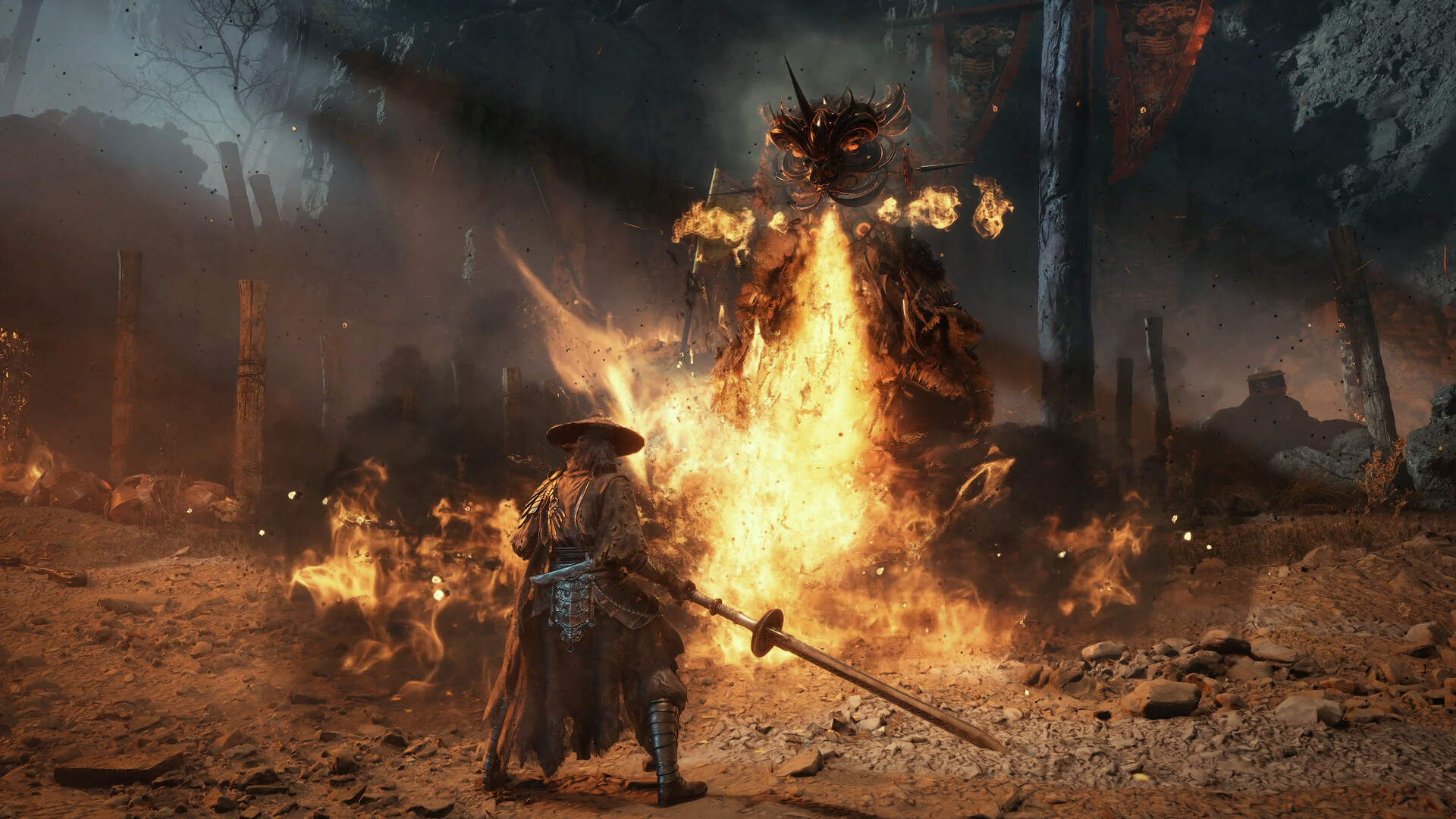
Wuxia
The wuxia foundation provides the game's core identity. Wuxia is a centuries-old tradition of Chinese fiction centered on wandering martial artists who live outside the law, bound by personal codes of honor and justice. Phantom Blade Zero draws on wuxia's character archetypes (the lone swordsman, the fallen master, the cunning strategist), narrative structures (betrayal, revenge, redemption), and combat philosophy (internal energy, martial techniques as art forms).
Steampunk
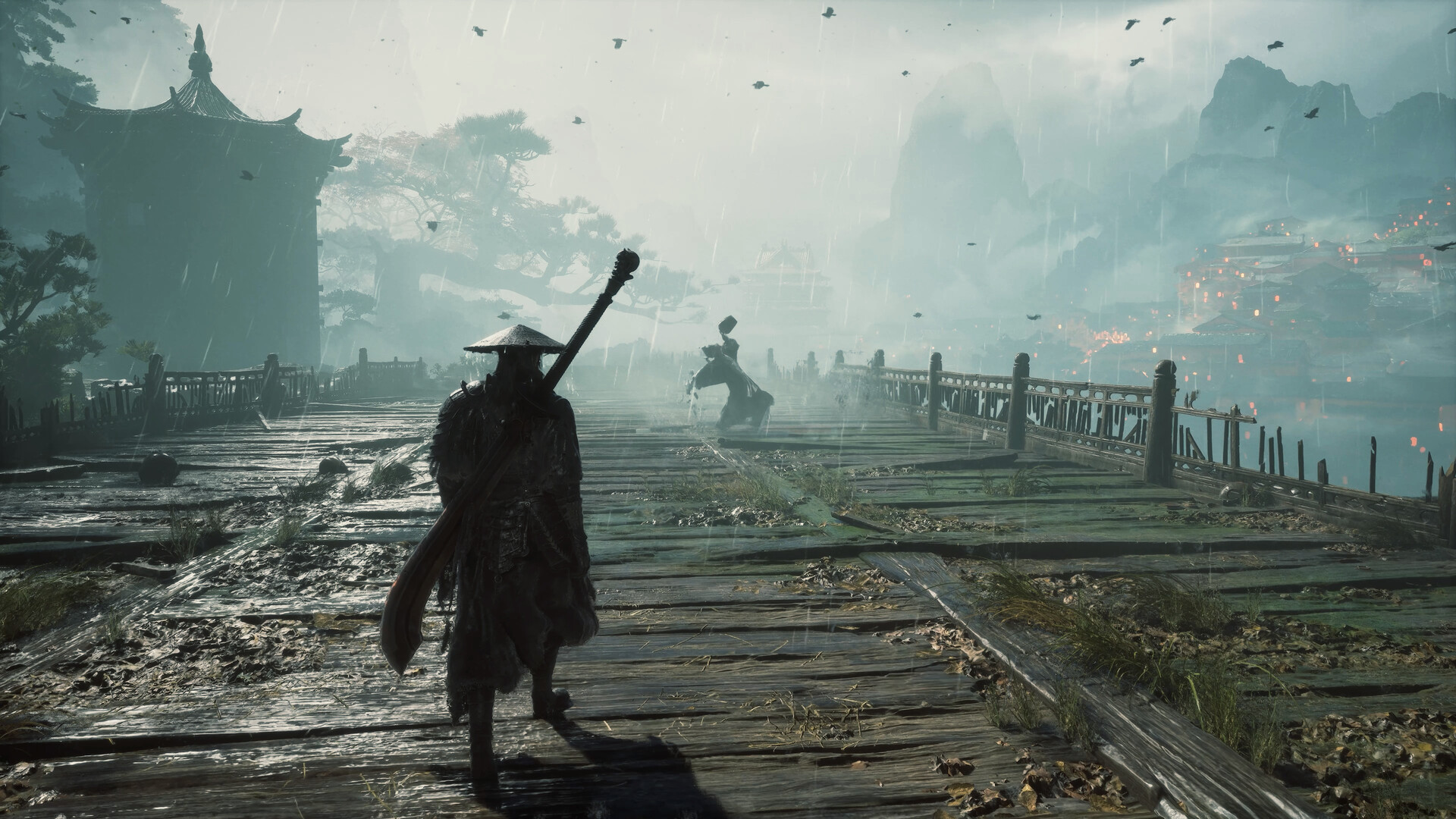
The steampunk element introduces technology that does not belong in a traditional wuxia setting. Steam-powered machinery, mechanical prosthetics, crude electrical systems, and industrial architecture exist alongside bamboo forests and temple complexes. This is not a token aesthetic choice but a worldbuilding decision with narrative consequences.
Cyberpunk
The cyberpunk influence is less about technology and more about tone. Phantom Blade Zero's world is not noble or romanticized. It is gritty, corrupt, and morally gray. The protagonist is not a shining hero but a desperate man with a deadline. Liang likens the narrative to 'a Chinese version of John Wick', centering on underground hierarchies and violent protagonist displacement.
Solving the Readability Problem
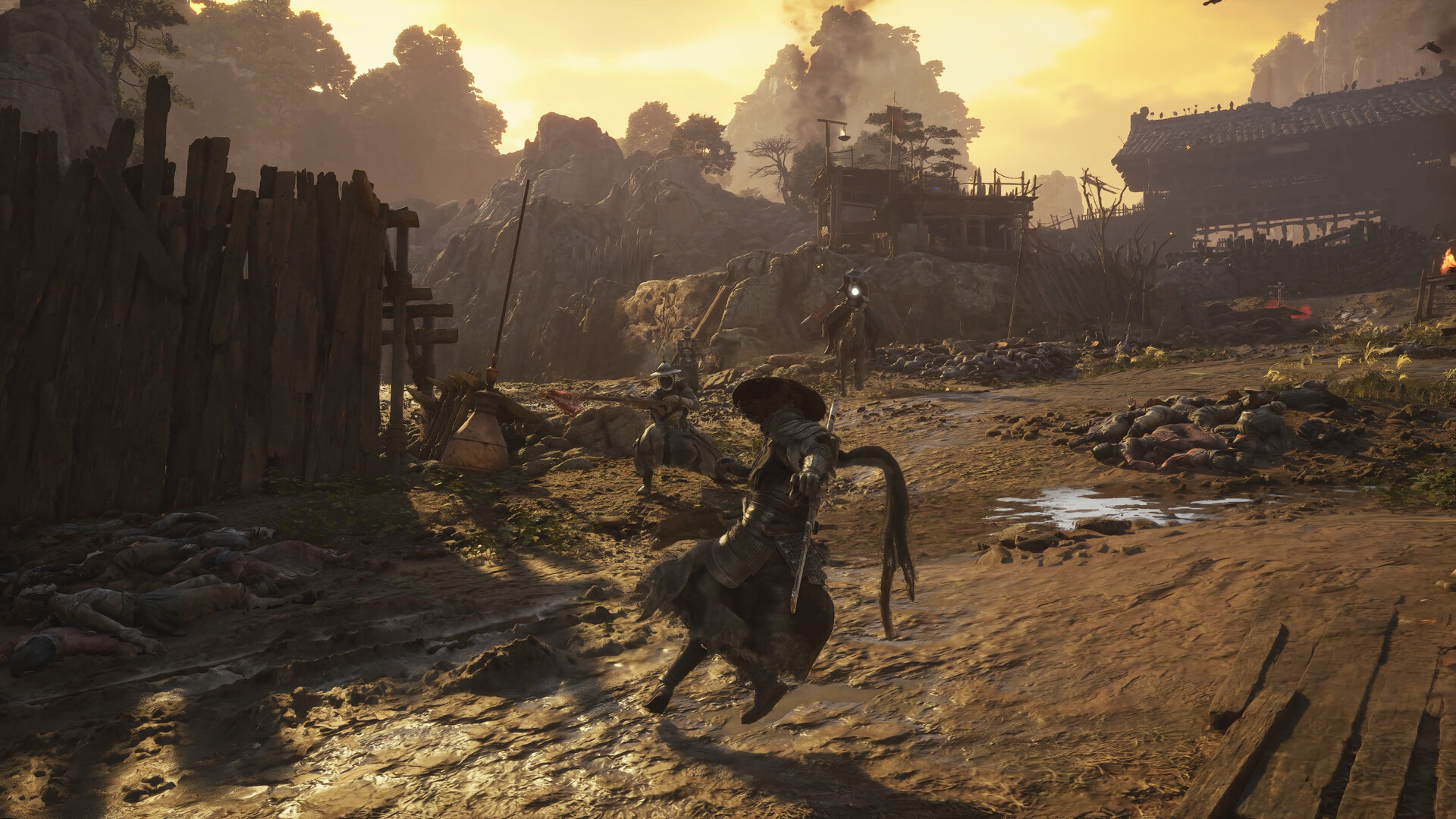
One specific challenge that Kung Fu Punk addresses is the inherent readability problem of kung fu in a game context. Traditional kung fu's fluid, continuous movements create visual ambiguity. It can be difficult for players to distinguish between attack wind-ups, active strike frames, and recovery windows. S-GAME addressed this through several design decisions:
Effect | |
|---|---|
Motion capture authenticity | collaboration with 20+ kung fu masters and stunt actors to ensure movement is grounded in real body mechanics |
Color-coded indicators | the blue/red flash system clearly signals which attacks can be parried and which must be dodged |
Movement as communication | every animation is designed to be 'legible', the player can read intent from the movement itself |
Visual effects as punctuation | particle effects, screen flashes, and audio cues supplement the martial arts movements to reinforce timing |
Beyond Visuals
Kung Fu Punk is not just an art direction label. S-GAME has emphasized that the aesthetic extends to every aspect of the game. The narrative tone is Kung Fu Punk: cynical, grounded, and focused on personal stakes rather than world-saving heroics. The music is Kung Fu Punk: traditional Chinese instruments fused with electronic and industrial sounds. The combat is Kung Fu Punk: historical martial techniques performed with weapons that incorporate mechanical elements. Even the UI design reflects the aesthetic, blending calligraphic elements with industrial framing.
In October 2026 interviews the director broke the setting's fantasy layer into three sources, mechanisms, martial arts and arcane arts, and said the world has no gods or ghosts. On the music side, sound producer Bo Caisheng, who has worked with Soulframe Liang since they made Rainblood, the indie game the series grew out of, some eighteen years ago, recorded with leading pipa and erhu players. He has said he deliberately avoids the settled conventions of current film and game scoring, which is why tracks close to metal and rock sit alongside traditional Chinese instruments.
Genre Positioning
The Kung Fu Punk label also serves to distinguish Phantom Blade Zero from the Soulslike genre it is frequently compared to. Liang has explicitly rejected the Soulslike classification, stating that PBZ is 'not a traditional Soulslike or a classic hack-and-slash title.' The combat philosophy emphasizes cinematic spectacle and accessibility alongside depth, rather than punishing difficulty as a primary design pillar. Kung Fu Punk is the studio's way of saying: this is its own thing.
Key Details
Aspect | Detail |
|---|---|
Origin | term coined by S-GAME specifically for Phantom Blade Zero |
Components | wuxia (martial arts fiction) + steampunk (industrial technology) + cyberpunk (gritty tone) |
Director's description | 'a traditional kung fu story told with new clothes, new timing, and a global camera angle' |
Readability solution | 20+ kung fu masters for motion capture, blue/red flash system, movement as communication |
Scope | extends beyond visuals to narrative, music, combat design, and UI |
Purpose | differentiates PBZ from both traditional wuxia games and Soulslike genre |
Researched Traditional Elements
S-GAME has been specific about which traditional Chinese elements it researched and then rebuilt in the kung fu punk idiom. Four were named directly by the studio when it discussed the reveal trailer, alongside the fight design that reaches back to the golden age of martial-arts cinema.
Element | Chinese | How It Appears |
|---|---|---|
Lion dance | 舞狮 | Reworked as a set-piece; the studio later listed it alongside the Seven-Star Sword Formation and Drunken Sword as one of its three 2025 showings. |
Face-changing | 变脸 | The Sichuan-opera mask technique, restyled for the setting. |
Ancestral halls | 宗祠 | Clan architecture used as environment design. |
Memorial archways | 牌坊 | Freestanding gateways that mark the approach to a settlement. |
Official store copy lists the components the aesthetic is assembled from: martial-arts manuals, bladed weapons, mechanical prosthetic limbs, the wreckage of industrial buildings, and a score that sets Chinese classical instrumentation against modern rock. The English-language storefront compresses all of this into "iron and smoke", so the Chinese copy is the more precise description of what the style is actually made of.