Loading...
Loading...
Hellwalker Mode
September 16, 2026 at 03:51 AM
Corrected the difficulty gating: Hellwalker is selectable on a first playthrough and only Sixty-Six Days requires New Game Plus
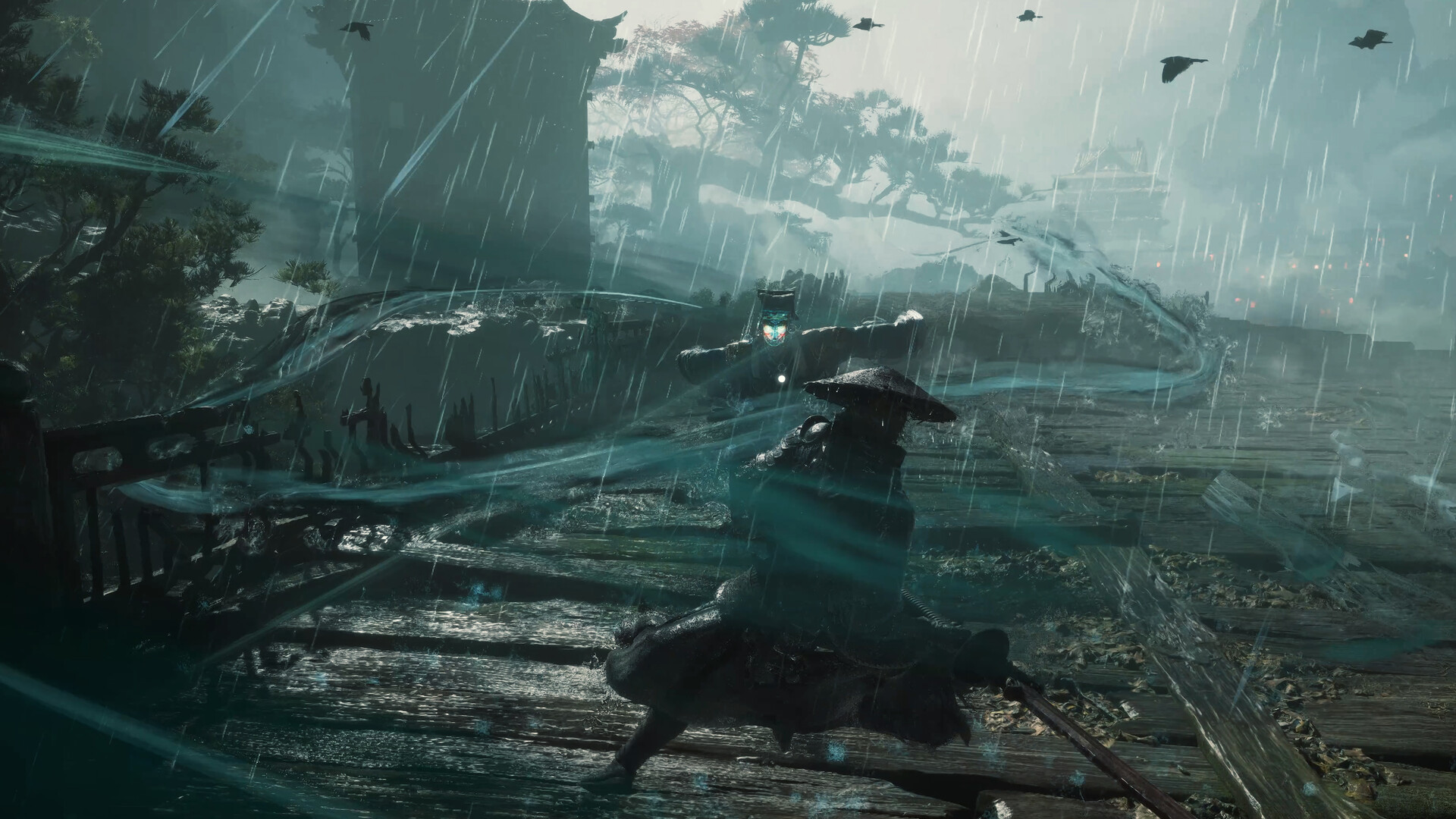
Hellwalker Mode is one of the four named difficulty tiers in Phantom Blade Zero. It is the hardest of the three tiers a player can select on a first playthrough, alongside Wayfarer and Pathbreaker. Only Sixty-Six Days is gated behind New Game Plus, unlocking once the story has been cleared once on any of the other three. Hellwalker Mode goes beyond simply increasing enemy health and damage, introducing adaptive AI that learns the player's combat patterns and bosses that gain entirely new moves.
Phantom Blade Zero has four named difficulty tiers. Wayfarer, Pathbreaker and Hellwalker can all be picked on a first playthrough; only Sixty-Six Days unlocks through New Game Plus:
Item | Description |
|---|---|
Wayfarer | the most accessible tier, available from the start, built for players who want the story and the cinematic action without heavy pressure |
Pathbreaker | the standard tier, also available from the start; it sits between Wayfarer and Hellwalker and matches the balance the combat was designed around |
Hellwalker | the hardest tier selectable on a first playthrough, with adaptive AI, new boss moves, and exclusive rewards |
Sixty-Six Days | a New Game Plus tier built on Hellwalker with permadeath added; the run ends for good once its pool of sixty-six deaths is spent |
This design differs from traditional soulslike games, which usually ship a single fixed difficulty and no selector at all. S-GAME's approach lets a player set the pressure level before the first fight and keeps only the permadeath tier behind a completed run. The developers have been consistent that Phantom Blade Zero is not a traditional soulslike, and the selector is part of what they mean: every tier up to and including Hellwalker is a choice available on day one rather than a reward for finishing.
The defining feature of Hellwalker Mode is its adaptive enemy AI. The system tracks the player's preferred tactics, which weapons they use most, how often they parry versus dodge, which attacks they default to, and adjusts enemy behavior to counter those habits.
Item | Description |
|---|---|
Parry prediction | if the player parries frequently, enemies delay their attacks to throw off timing |
Dodge tracking | if the player dodges in a consistent direction, enemies adjust their attack angles |
Weapon adaptation | enemies develop resistances to weapons the player relies on heavily |
Pattern disruption | bosses introduce variations in their established attack chains to break memorized responses |
Every boss in Hellwalker Mode has at least one new attack or phase that does not appear in the standard difficulty. These additions are designed to surprise players who have mastered the original encounters. A boss that was predictable in the first playthrough becomes dangerous again because the player cannot rely entirely on their existing knowledge.
Hellwalker Mode offers exclusive rewards including unique weapon variants, cosmetic items, and lore entries that expand the story. Some weapon variants have modified movesets that change how the weapon plays, giving experienced players new tools to experiment with during subsequent Hellwalker runs.
The director has been explicit on multiple occasions that Hellwalker is not designed to be a number-crunch difficulty. Enemy health and damage go up, but the parry window only narrows by roughly two frames compared with the standard difficulty. The real change is in how fights flow: experienced players are pushed to win in a deliberately cinematic way, parrying inside tighter rhythms, weaving Ghost Steps between attacks, and switching weapons mid-combo to drain Sha-Chi at speed. Beating Hellwalker is framed as completing fights "in a very beautiful manner" rather than grinding bigger numbers.
Hellwalker-tier bosses do not just hit harder. The published director quotes describe per-boss behaviour reshuffles that include new moves, new chain variations, and AI loops that react to the player's habits in real time. Humanoid bosses are tuned to feel almost like PvP duels.
Huangxing is the specific case the studio has talked through in detail. On Hellwalker his AI evaluates the situation it is in and whether the situation is to its advantage or disadvantage, then picks attacks accordingly. Players who memorised his standard moveset cannot rely on that memory at the higher tier. See Huangxing for the boss-specific notes.
Preview coverage from the 2025 demo tour described Hellwalker as a New Game Plus unlock, and that framing circulated widely. The shipping structure is different: Hellwalker sits in the opening difficulty selector with Wayfarer and Pathbreaker, and the only tier a player has to earn is Sixty-Six Days. What New Game Plus actually re-arms the player with is the arsenal rather than the difficulty. Weapons taken from late bosses, from the final boss and from hidden bosses arrive with too little campaign left to use them, so a second run is where they get their outing, against bosses whose behaviour a Hellwalker selection can re-tune from the start.
Action | Key/Button |
|---|---|
Difficulty modes | Wayfarer, Pathbreaker, Hellwalker, Sixty-Six Days (only Sixty-Six Days is New Game Plus only) |
Unlock condition | Hellwalker is selectable from the start; Sixty-Six Days needs one completed playthrough |
AI adaptation | enemies learn and counter the player's habits (Hellwalker only) |
New content | boss moves, weapon variants, exclusive lore |
Design goal | make mastered encounters dangerous again through adaptation |
Picking Hellwalker is not required to complete the achievement list. Every achievement can be earned within the first three tiers, so a player who never leaves Wayfarer can still finish with the platinum in one run. That puts Hellwalker in the same category the studio puts Sixty-Six Days in: something chosen for the fight itself rather than for a reward gate. See Difficulty and Progression for the full tier breakdown.