

Overview
Emotions are a core gameplay system in Paralives that determine the current state of mind of a Parafolk. Rather than being manually selected by the player, emotions arise naturally from interactions, everyday events, and the surrounding context. Emotions can be both the cause and consequence of gameplay mechanics: a sad Para may perform poorly at work, while a bad day at work can in turn trigger sadness. The system is designed to reflect the complexity of real human feelings, allowing Paras to experience multiple emotional states simultaneously.
The emotion system ties directly into other major gameplay features. Emotions influence Together Cards during social interactions, affect skill leveling speed, modify work performance in careers, and trigger contextual idle animations during Live Mode gameplay. Each Parafolk's personality traits, including their Vibe and Social perks, determine how they respond to identical situations, meaning two Paras witnessing the same event may develop entirely different emotional reactions.
Confirmed Emotions
As of the development builds shown in 2025 and early 2026, 15 emotions have been confirmed for Paralives. Each emotion has an associated icon and color to make it quickly recognizable in the user interface.
Emotion | Description |
|---|---|
Amused | Triggered by funny situations, jokes, or entertaining interactions. An amused Para may laugh spontaneously during idle moments. |
Angry | Arises from conflict, insults, or frustrating events. Angry Paras may have reduced success in friendly social interactions. |
Anxiety | A state of worry or nervousness that can be brought on by stressful situations, upcoming events, or interpersonal tension. |
Bored | Occurs when a Para has nothing stimulating to do or has been repeating the same activity for too long. |
Disgust | Triggered by unpleasant encounters, dirty environments, or distasteful interactions. |
Embarrassed | Caused by social blunders, failed interactions, or being caught in awkward situations. |
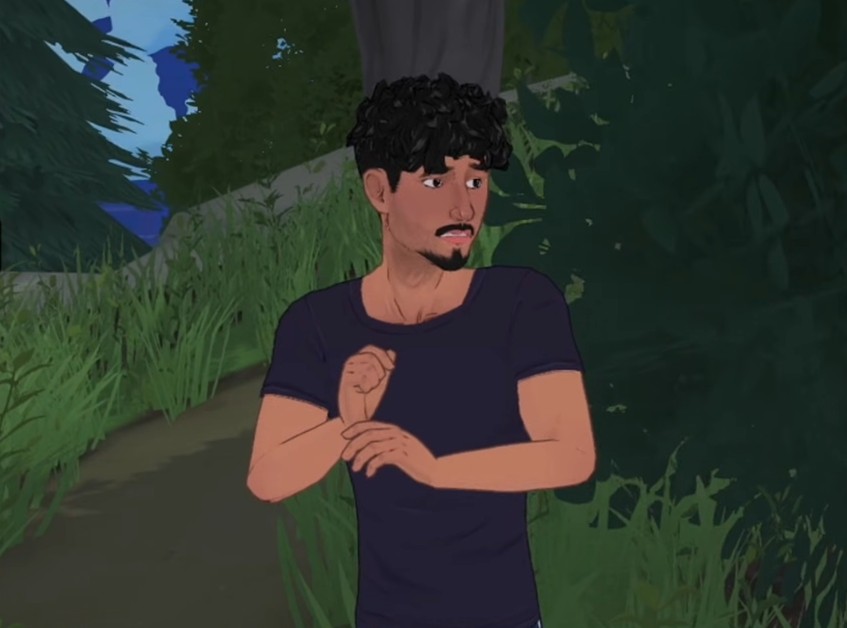
Fear | A response to threatening or alarming situations. Fearful Paras may seek comfort or try to leave the area. |
Fire | A state of intense passion, motivation, or determination. Paras who are fired up may perform activities with greater enthusiasm. |
Flirty | A romantic or playful emotional state that enhances the chances of successful romantic Together Cards. |
Happy | A general positive emotion triggered by pleasant events, fulfilled needs, and enjoyable activities. |
Inspired | A creative and motivated state that can boost skill-building speed and improve the quality of creative outputs. |
Sad | Arises from negative events such as rejection, loss, or loneliness. Sad Paras may seek comfort from others. |
Sick | Reflects physical illness or discomfort. A sick Para may need rest and care to recover. |
Sleep | A drowsy state indicating that the Para's Energy need is low and they need rest. |
Stressed | Caused by overwhelming responsibilities, unfulfilled needs, or difficult circumstances. Stress can compound with other negative emotions. |
How Emotions Work
Triggering Emotions
Emotions in Paralives are a state, not a player-selected option. They are triggered by in-game interactions and everyday events. For example, receiving a compliment from a friend might make a Para happy, while being insulted could make them angry or sad. Together Cards can also directly influence emotions, particularly when the player selects a specific emotional variant of an interaction. A Para's personality traits play a major role in determining which emotions surface: two Parafolk with different Vibes and Social perks may react very differently to the same event.
Simultaneous Emotions
Paras can experience multiple emotional states at the same time, and these emotions can even contradict each other. A Parafolk might feel happy about a career promotion while simultaneously feeling sad because of a romantic rejection. This layered approach avoids the oversimplification of reducing a character's feelings to a single dominant mood. Instead, the player sees a nuanced emotional profile that reflects the complexity of real-life feelings.
Intensity and Weighting
Each active emotion has a variable intensity level, displayed as numerical values in the interface. The intensity depends on the triggering event, personality traits, and the current state of the Para's needs. Not all emotions are weighted equally in the calculation of the dominant emotion. Some emotions carry more weight than others, meaning a low-intensity but heavily weighted emotion might still influence behavior more than a high-intensity but lightly weighted one. The dominant emotion at any given moment determines the primary behavioral tendencies of the Para.
Emotional Colors
Each emotion is associated with a specific color to make it easily identifiable at a glance. The confirmed emotion colors include white, green, orange, red, burgundy, pink, and grey. Some emotions may share a color family while still being visually distinct through their unique icons. For instance, Flirty is associated with pink, while both Angry and certain other intense emotions appear in warmer tones.
Gameplay Impact
Emotions are deeply integrated into virtually every aspect of Live Mode. Their effects extend across multiple gameplay systems:
Action success rates: The current emotional state of a Para influences the likelihood of success for various actions. A confident, happy Para may find it easier to nail a difficult recipe, while an anxious one might struggle.
Work performance: Emotions directly affect how well a Parafolk performs during their workday. Showing up to work stressed or sad can reduce daily performance ratings, while positive emotions like Fire or Inspired can boost them.
Skill leveling speed: Emotional state modifies the rate at which Paras gain skill experience. Being in an Inspired state may accelerate learning, while Stressed or Sad states can slow it down. Unfulfilled needs also play into this dynamic.
Social interaction quality: Emotions color the tone of social exchanges. An angry Para is more likely to say something mean, while a happy one is more likely to be friendly. This interacts closely with the Together Cards system.
Idle animations: Emotions trigger immersive contextual idle animations. A bored Para might fidget or look around restlessly, while a happy one might hum or smile. Each emotion has several possible idle animation variants.
Emotions in the User Interface
The player accesses emotions through the thought bubble UI tab on the active Parafolk's portrait. This panel displays all currently active emotions along with their intensity values and the reasons behind them. Players can click on an emotion card in the thought panel to view its associated Wants, which represent direct behavioral consequences of that emotional state. For example, a sad Para might develop a Want to talk to a friend or listen to music. Only needs that require attention and active emotional states appear in the interface; fully satisfied needs remain hidden to keep the display clean and focused.
Modding Support
The emotion system in Paralives is fully moddable. Players and creators can design entirely new emotions using the game's modding tools and share them through the Steam Workshop. This means the base set of 15 emotions can be expanded by the community with custom emotional states, each with their own triggers, icons, colors, and gameplay effects. Modded emotions integrate into the existing system, appearing alongside the default emotions in the thought bubble interface and interacting with the same weighting and intensity mechanics.
Patch 0.1.8 Update (August 24, 2026)
Patch 0.1.8, released August 24, 2026, updated the animation set tied to the embarrassed emotion so that a Para's body language reads more clearly while the emotion is active. See Animations for the wider animation catalog.