Loading...
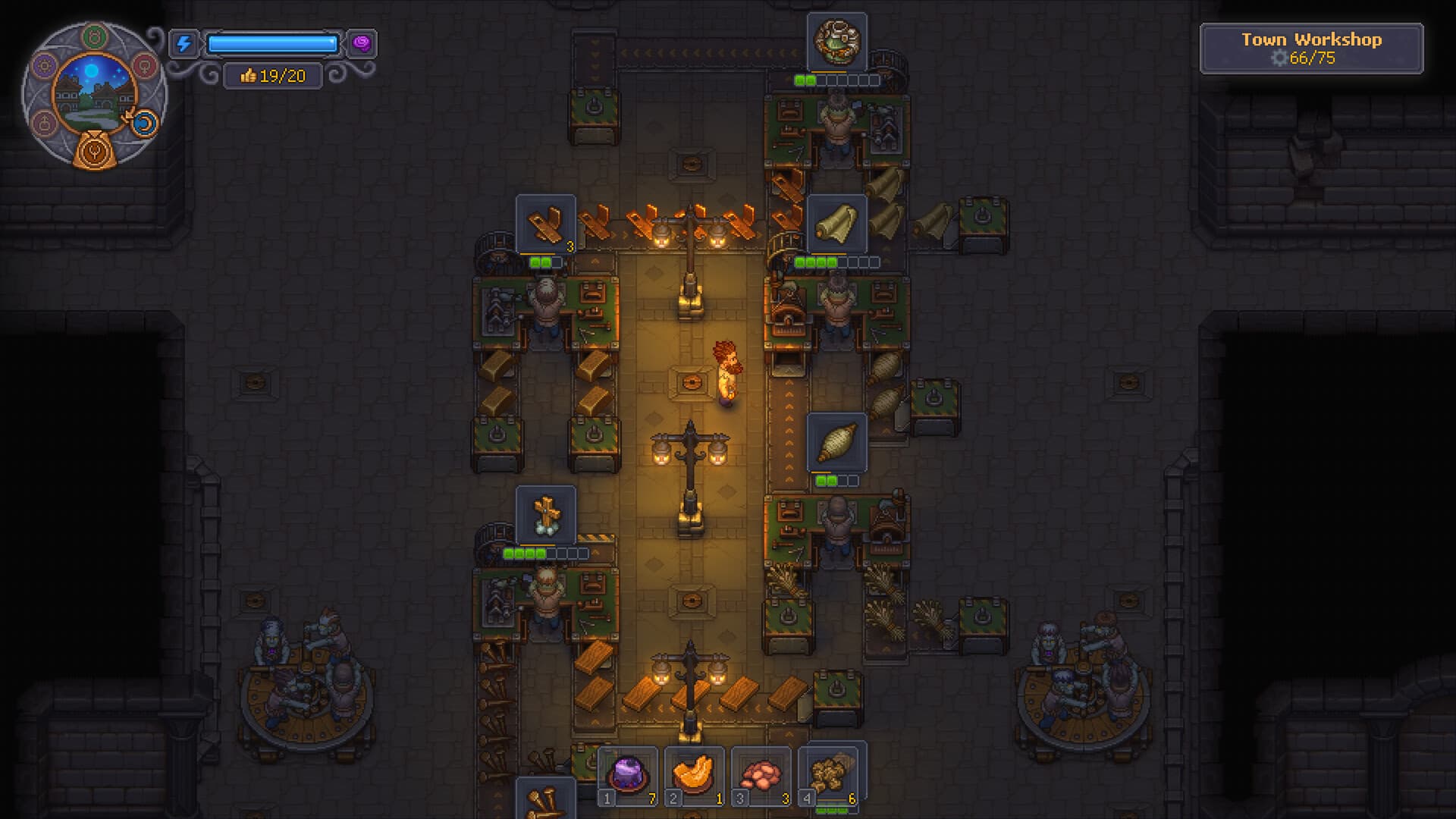
Conveyor belts, zombie labour, and the shared supply chain that drives Graveyard Keeper 2's production economy, with confirmed-vs-unconfirmed breakdown.
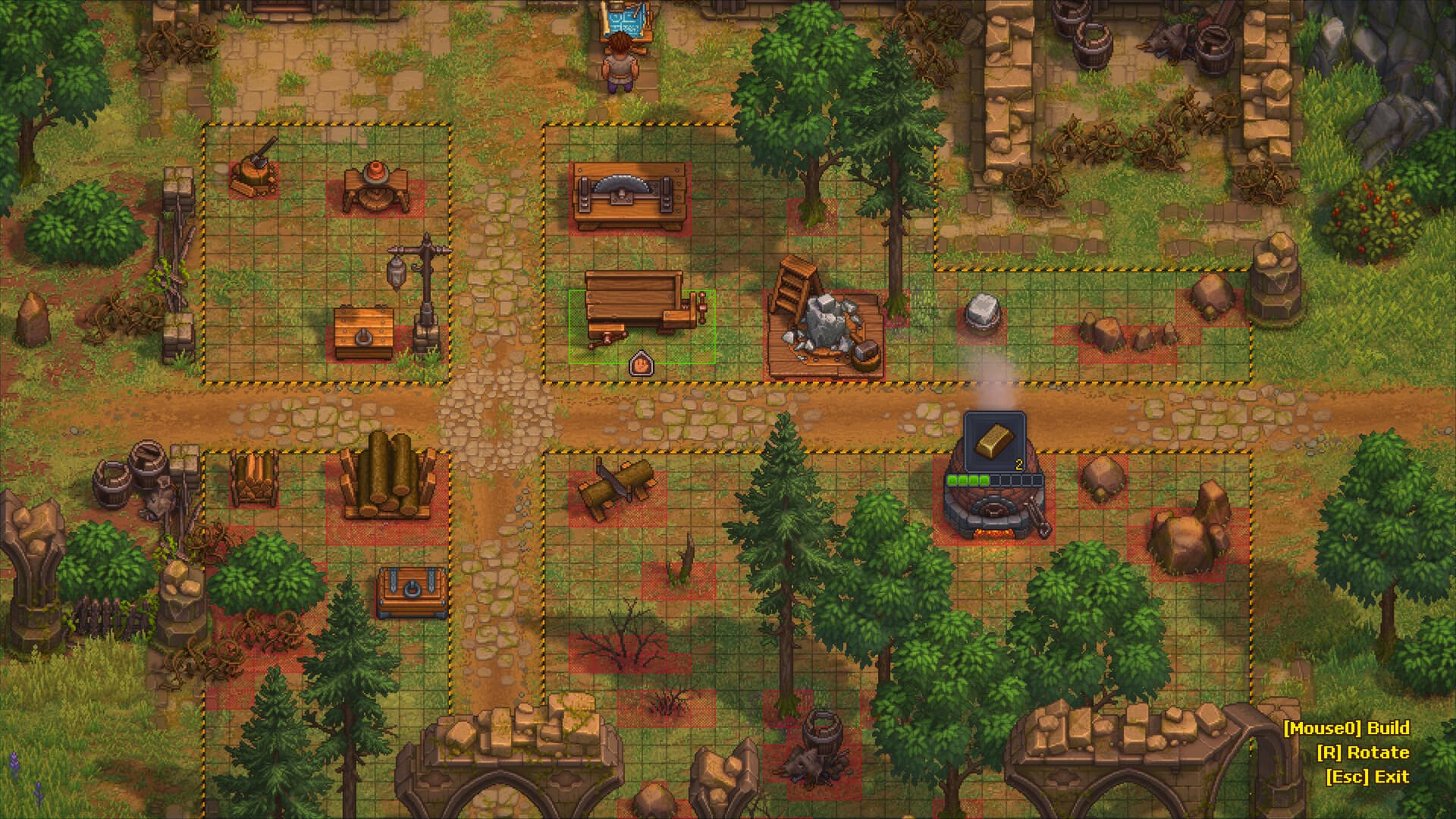
Grid build mode in Graveyard Keeper 2: valid and blocked tiles, the on-screen controls, the workstations visible in official captures, and the modular Town construction kit.
What Graveyard Keeper 2 is confirmed to run on: named harvest inputs, the tech tree material chain, hotbar items seen in official captures, and the three coloured point currencies.
The player’s undead workforce and army in Graveyard Keeper 2: the Possession-Free mark, per-role specialisation, individual skill progression, red-skull corruption and corruption embalming.
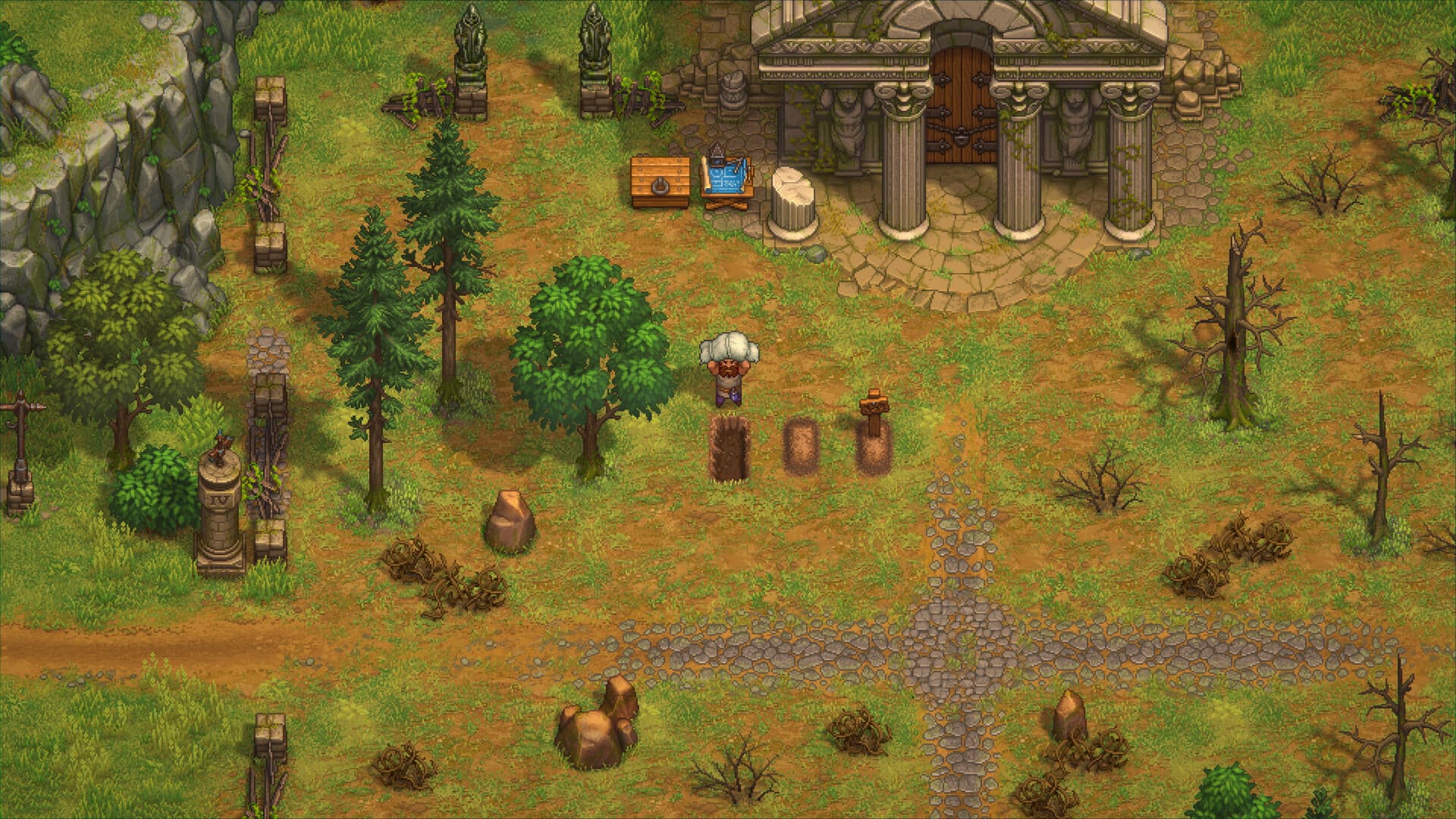
The cemetery at the heart of Graveyard Keeper 2: where it sits, the green-skull rating on graves and on the area banner, tech tree modules, and how Town prosperity drives corpse quality.
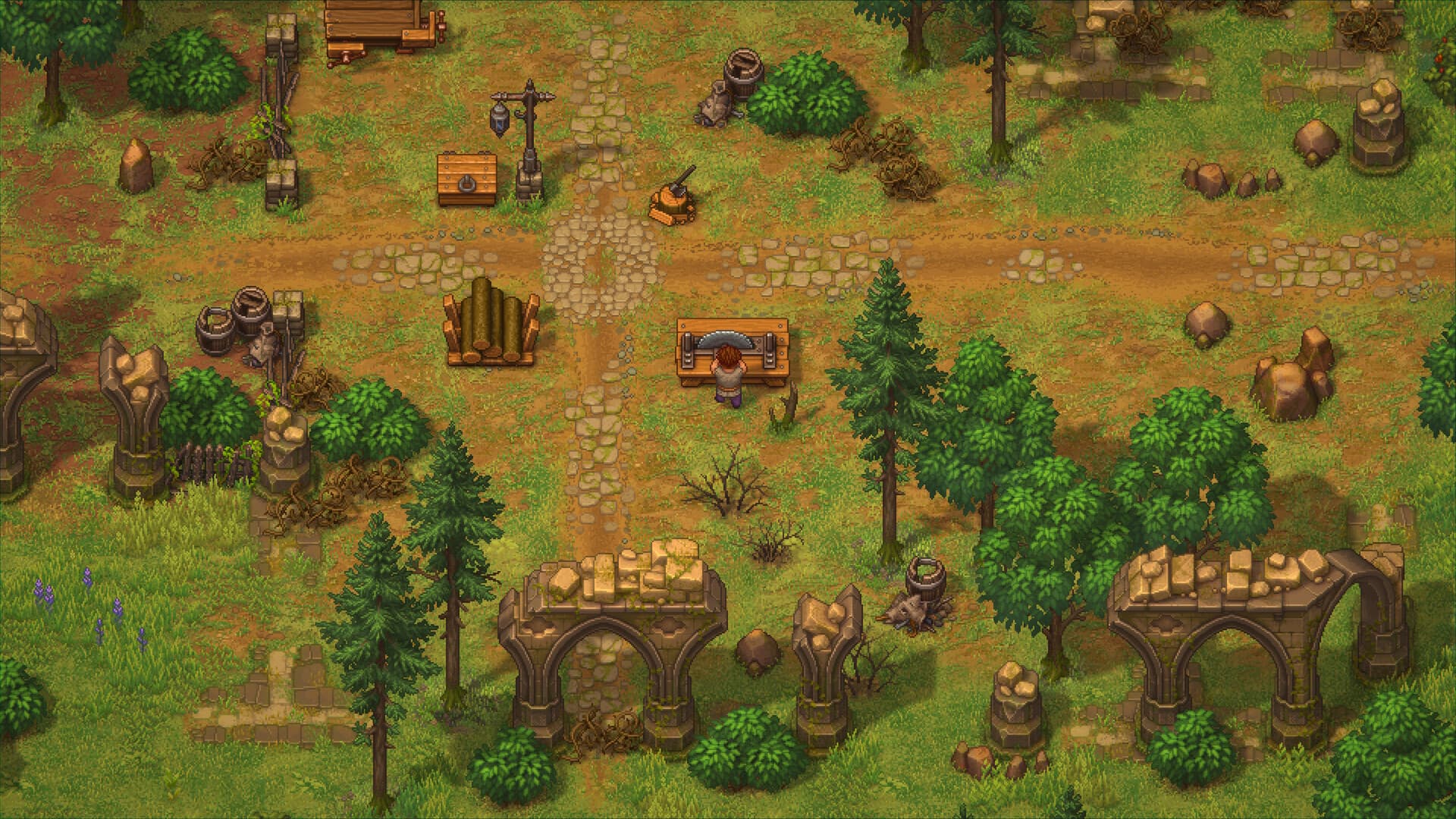
Rebuilding the ruined medieval town as economic engine and fortification site: district-by-district reclamation, markets, quests, NPCs, zombie labour, and the restoration milestones in the launch achievement list.
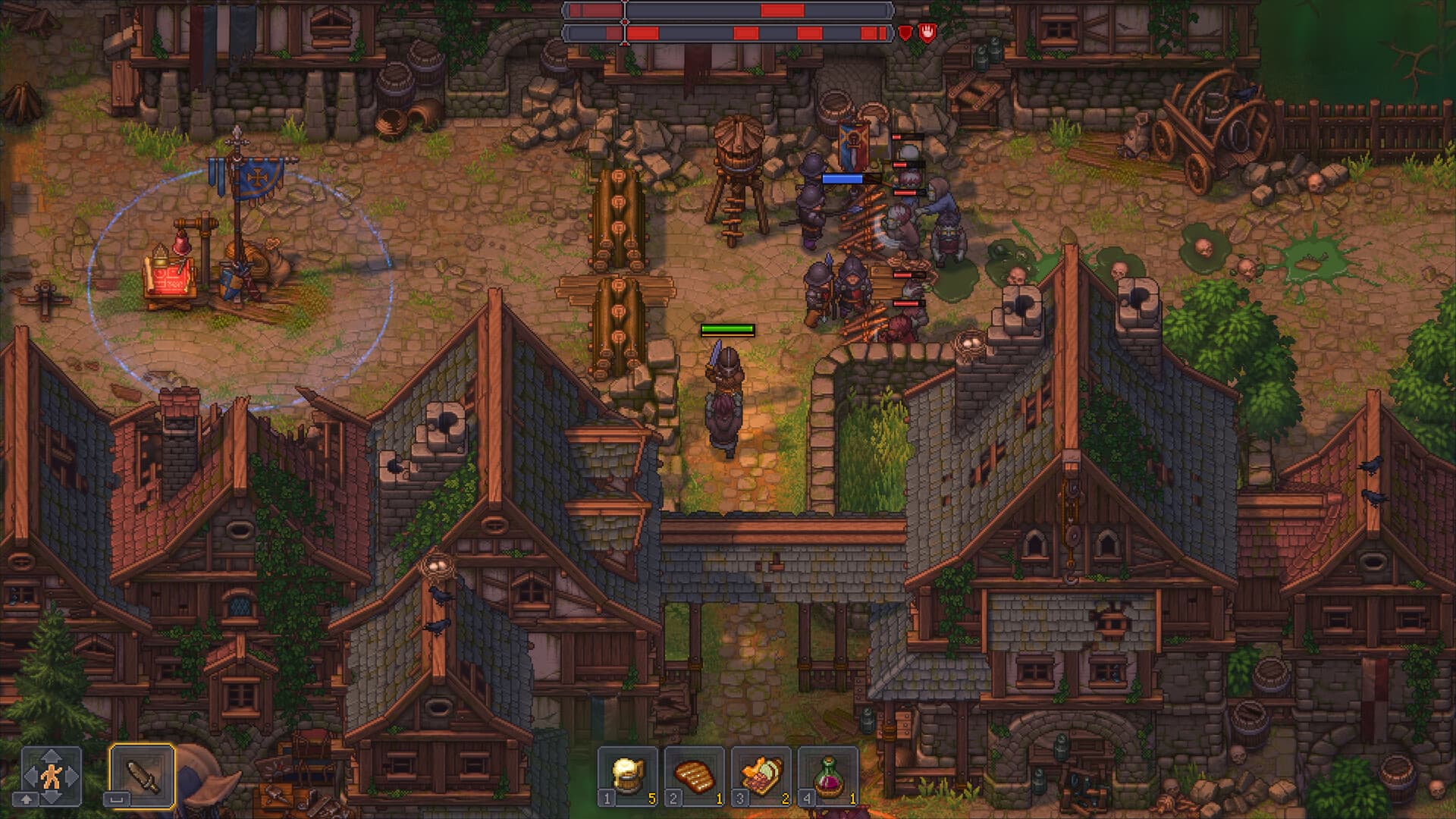
Party-based action, tower-defence layer, weekly city battles and the sewers, district arenas with their own win conditions, crafted weapons, barricades and towers, zombie squads, and the loop that connects combat to the wider economy.
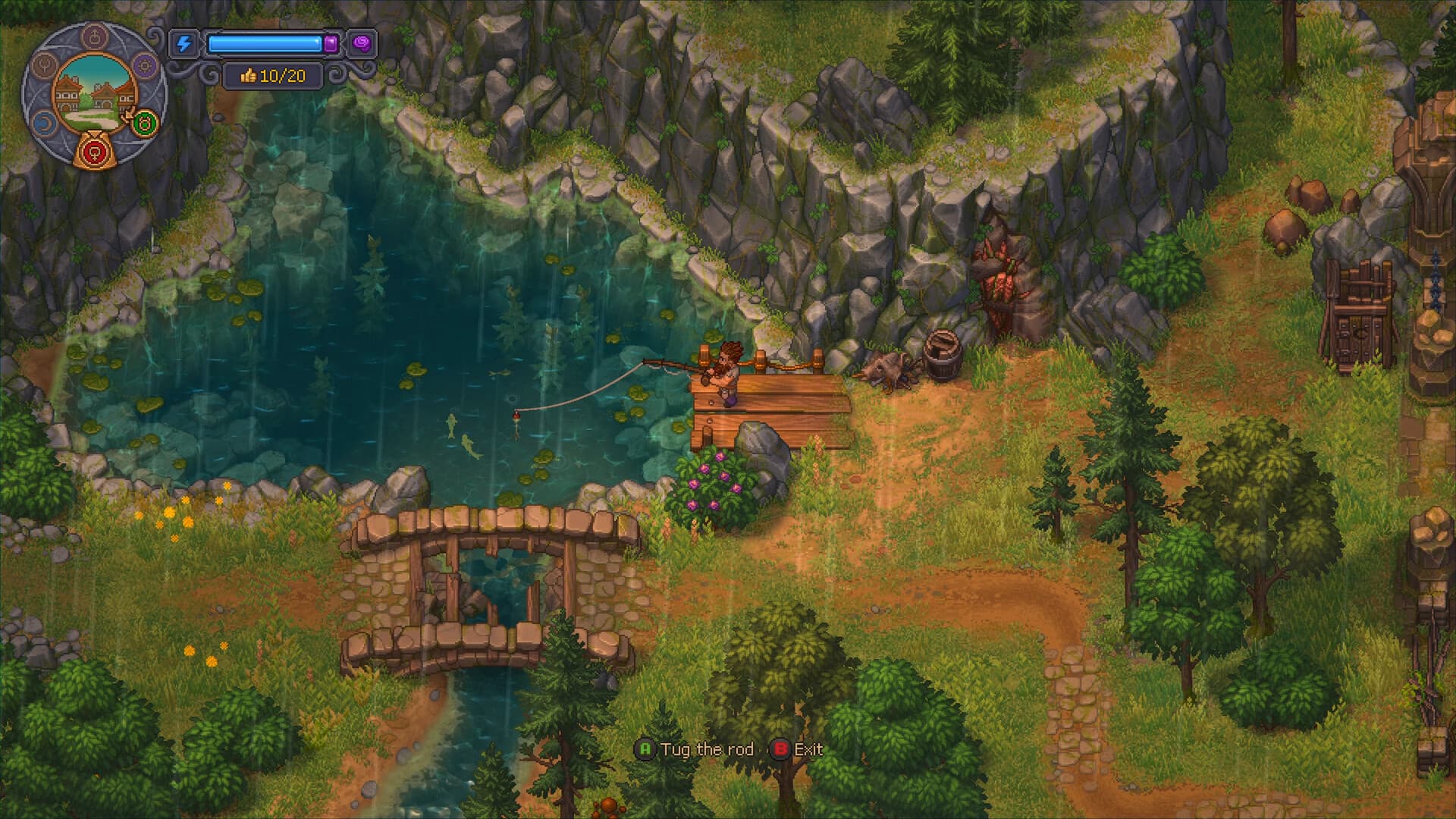
The livelihood systems confirmed for Graveyard Keeper 2: farming, livestock, fishing, trading, character customisation and ability upgrades, plus the trade loop with the reviving Town.
The research and unlock screen in Graveyard Keeper 2: four category tabs, three coloured point pools, the eleven readable Building nodes, graveyard modules, and the new talent system.
The on-screen layout of Graveyard Keeper 2 as published: the five menu tabs, the heads-up display, the location banner and its per-area readouts, and the combat overlays.