

Overview
Fable (2027) brings back the property ownership system from the original trilogy and expands it into a living economy where housing, jobs, NPC routines, and reputation influence one another. Players can buy every home and business in Albion if they accumulate enough wealth. Playground Games has positioned real estate as a core simulation pillar, going beyond passive income into a systemic, people-driven system.
Buying Property
Players can purchase homes, shops, and businesses across Albion's towns and settlements. The scope is total: every piece of property in the game can be acquired. This includes homes in Bowerstone, commercial spaces in Bloodstone, and rural properties in outlying villages like Briar Hill. Purchasing a property gives the player ownership rights and the ability to manage it.
Setting Rent
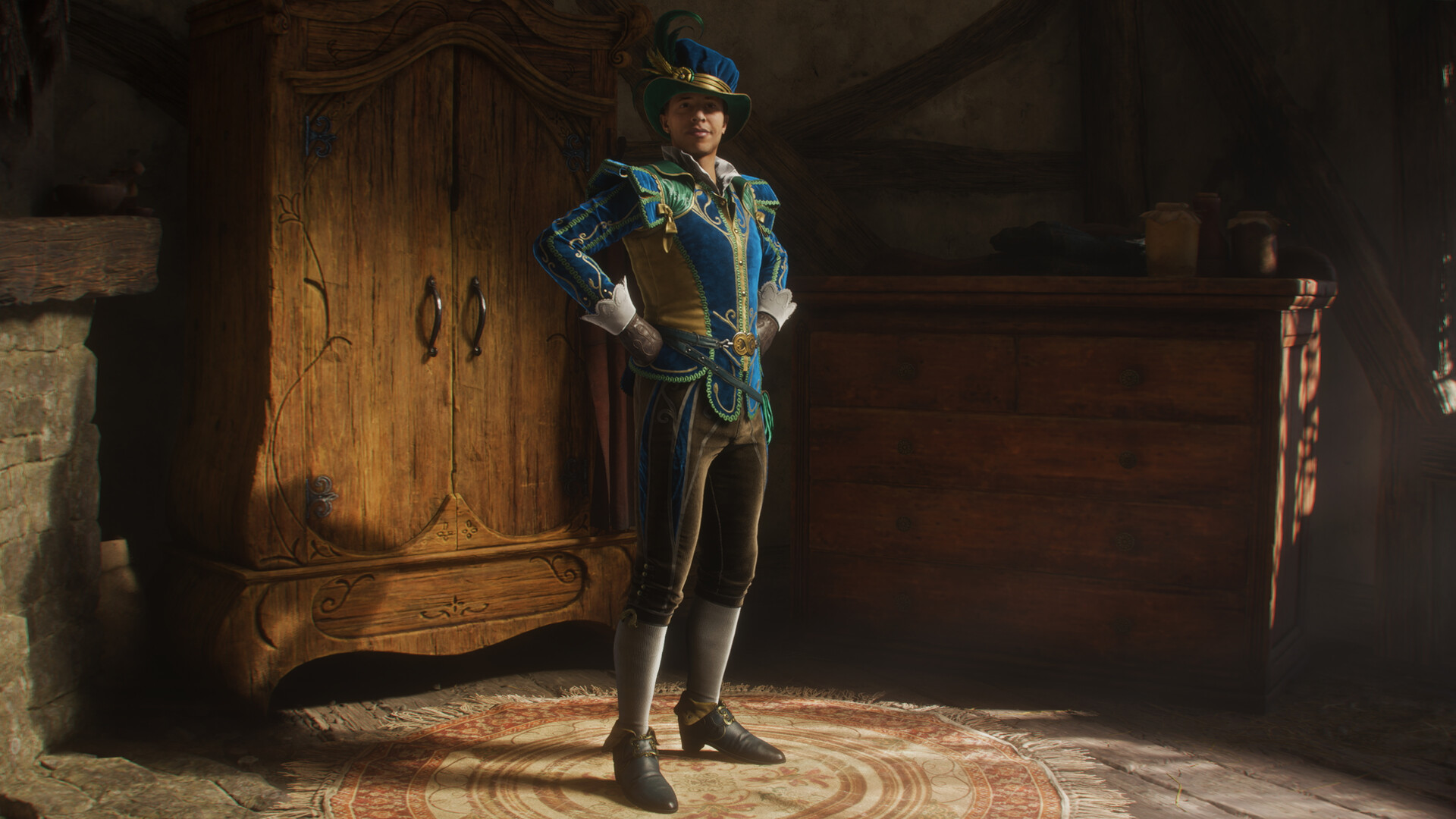
Once a property is owned, players can set the rent price. This is not an abstract slider. Rent directly affects the NPCs who live in or use the property. Setting rent too high may drive tenants away or create resentment. Setting it low may make the hero popular with tenants but reduce income. The rent mechanic ties directly into the economy simulation and the reputation system.
Eviction
Players can evict tenants from owned properties. The Developer Direct showed an encounter with a character named Oliver the beggar, a man sleeping on the street after the player evicted him. This demonstrates that eviction has visible, persistent consequences in the game world. Evicted NPCs do not simply disappear; they end up somewhere, and their new situation reflects the player's decision.
Eviction is one of the clearest examples of how the property system connects to the morality system. Kicking someone out of their home is an action that other NPCs will have opinions about, and those opinions will differ depending on the NPC's own values and circumstances.
Living Economy
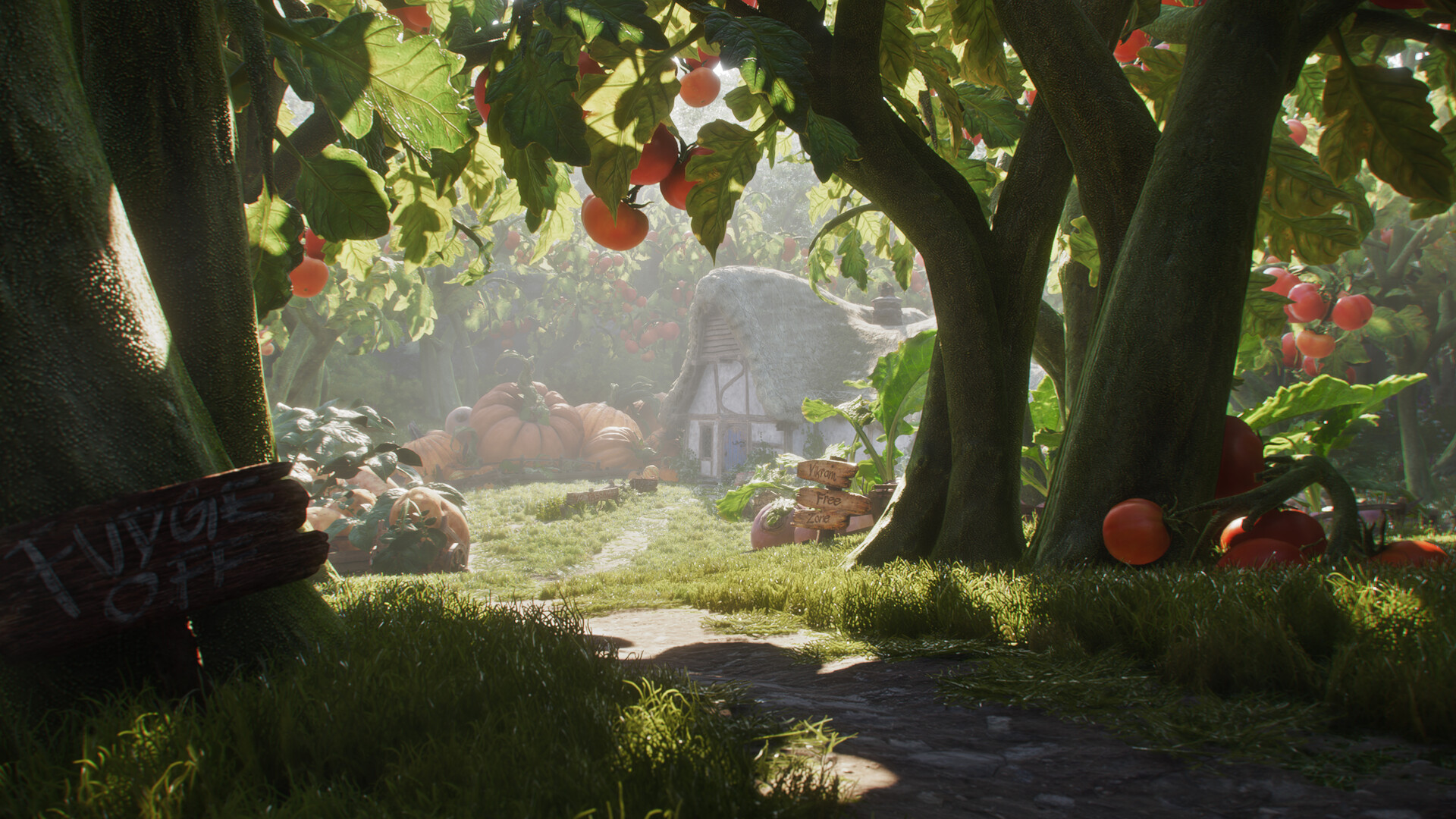
The economy in Fable is not a collection of isolated systems. Property ownership feeds into a living economy where housing, employment, daily routines, and reputation are all interconnected. An NPC who loses their home may lose their job. A shop that changes ownership may attract different customers. The player's decisions ripple outward through the simulation.
Players can observe these outcomes firsthand by following NPCs through their daily routines. Each of the game's 1,000 handcrafted NPCs has a name, a home, a job, and a family. Buying the building they live in and changing the rent affects their specific, individual life.
Business Ownership
Beyond residential property, players can own and operate businesses. This includes shops, pubs, and other commercial enterprises. Business ownership generates income and affects the local economy. A player-owned shop may offer different goods or prices than an NPC-owned one, and these changes affect the town's economic ecosystem.
Hiring and Firing
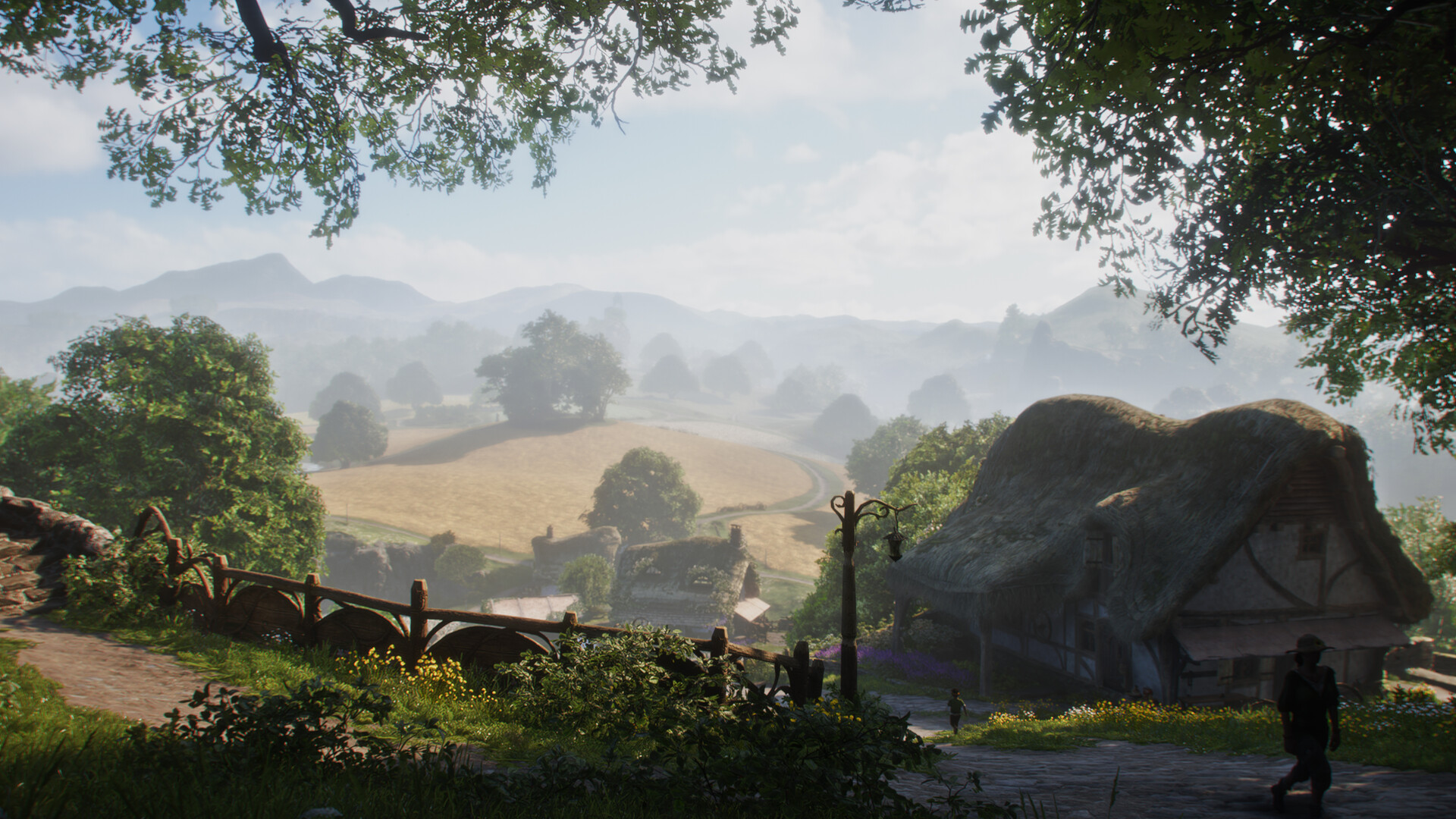
The property system extends to employment. Players can hire NPCs to work in their businesses and fire them if they choose. Fired employees react vocally and their circumstances change accordingly. As Ralph Fulton described, you can "hire them for work, fire them, and they'll vocally reflect your choices throughout the game." This adds another dimension to the economic simulation and another vector for reputation consequences.
Reputation Impact
Property decisions are a major input into the morality system. Reputation in Fable is local and subjective. A landlord who charges fair rent and maintains their properties will be viewed differently than one who price-gouges and evicts freely. Different towns may develop different opinions of the hero based on their economic behavior in that specific location.
The system creates emergent moral dilemmas. Maximizing profit through high rent and aggressive eviction generates wealth but damages reputation. Being a generous landlord builds goodwill but limits income. There is no inherently correct approach, which aligns with the game's design philosophy of avoiding binary good-versus-evil choices.
Lineage
Property ownership has been a recurring feature in Fable since the early entries. Prior Fable games iterated on home-purchase, rent, and property mechanics. The reboot extends these with NPC-level simulation across a 1,000-plus character roster. The core fantasy is the same: you can become the biggest landlord in Albion. The difference is that now the people affected by your decisions are fully realized characters with names, voices, and lives.