

Overview
Ranged combat is one of the three combat pillars in Fable (2027), alongside melee and Will (magic). It corresponds to the Skill discipline from the original trilogy. Ranged weapons allow the hero to damage enemies from a distance, and the game's style-weaving system makes it possible to weave ranged shots seamlessly into combos that also include sword strikes and spell casts.
Weapon Types
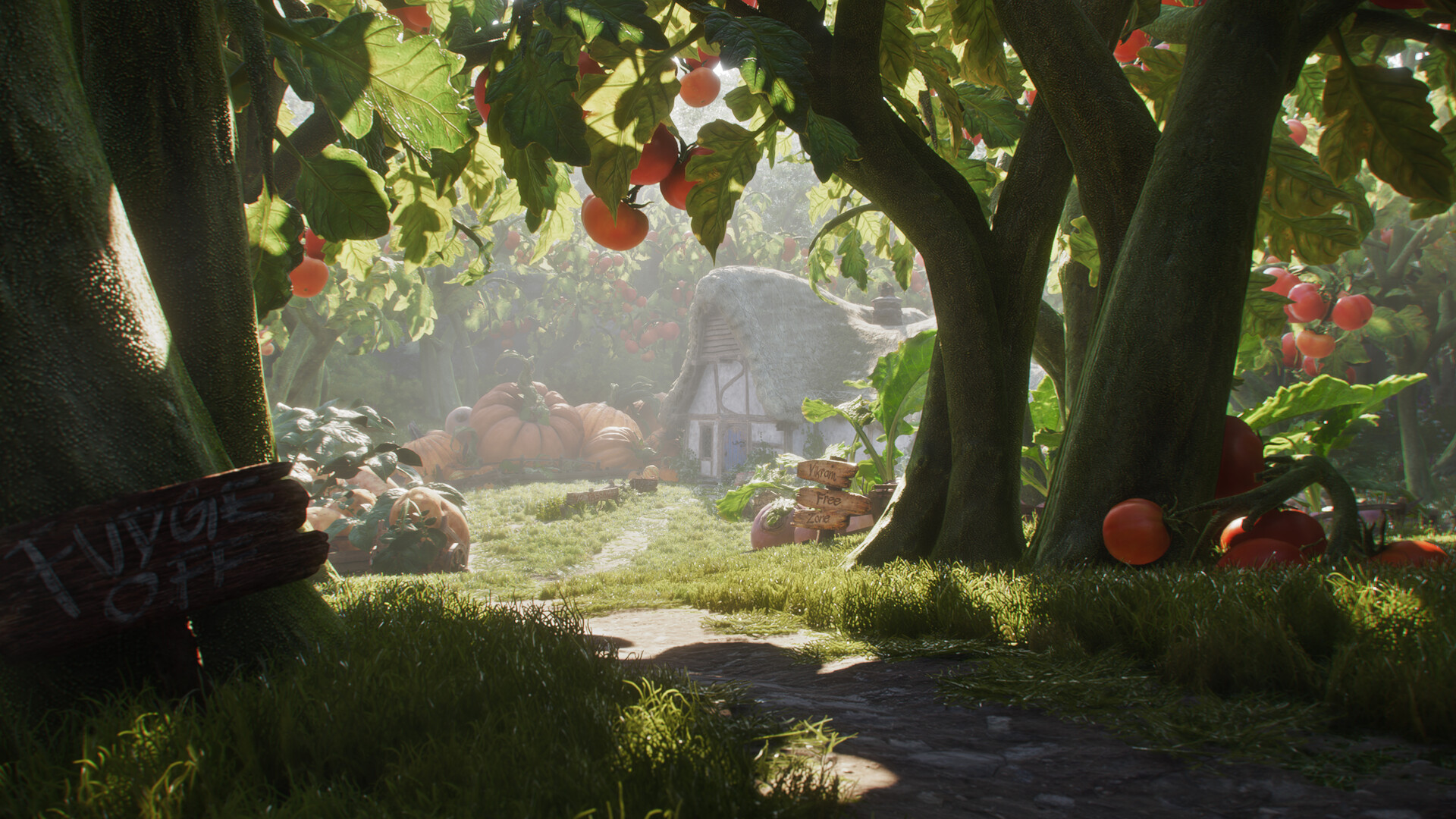
Bows and crossbows are both confirmed, and the first hands-on demo at gamescom 2026 named one of each. They are built as a genuine trade-off rather than as tiers of the same weapon.
Weapon | What Is Confirmed |
|---|---|
Deepwood Bow | A slower draw speed in exchange for high accuracy. Suited to taking heads off skeletons at range before a fight closes. |
Repeater Crossbow | Fires a hail of weaker bolts at high speed. Particularly effective against Wraiths, which go down to a couple of bolts, so it clears fast, fragile targets before they multiply. |
Ranged attacks are also the most reliable way to hit weak points. Shooting an unarmored enemy in the leg makes it stumble, and against the flying Lantern Keeper mini-boss a ranged weapon hit the lantern weak point more effectively than any spell could.
There is a hard limit worth knowing: armored Hollow Folk are immune to ranged attacks entirely. A loadout built only around a bow has no answer to them, which is the clearest confirmed reason to carry more than one pillar into a fight.
Style Weaving Integration
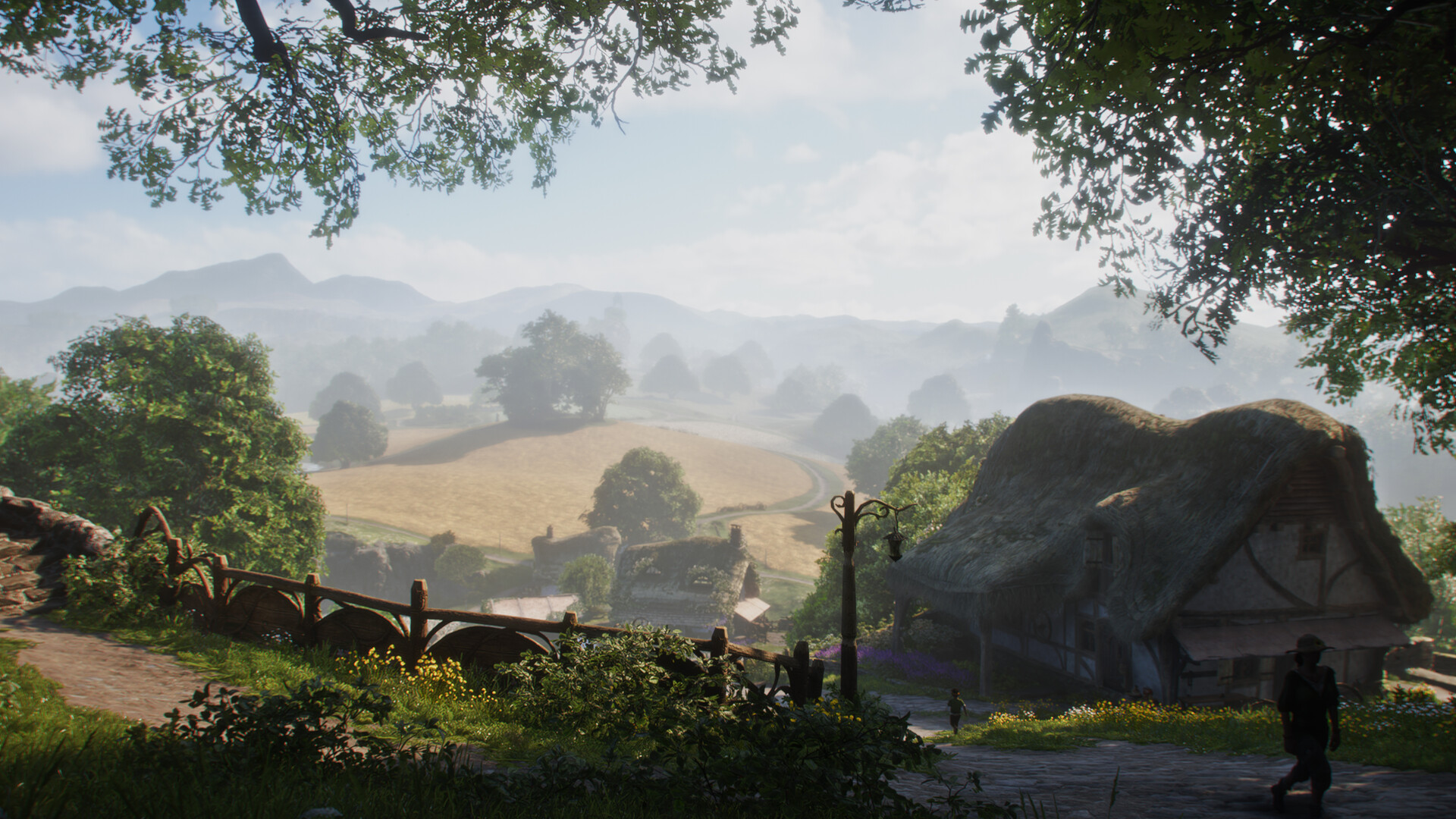
The standout feature of Fable's combat is style weaving, which allows instant switching between melee, ranged, and magic without animation delays. Ralph Fulton described the goal: "You should be able to strike with a sword and then hurl a fireball in a smooth movement." Ranged fits into this system as the mid-range option between melee's close-quarters damage and magic's area-of-effect and crowd control.
In practice, this means a player can open with a ranged shot to stagger an approaching enemy, close the distance with a melee combo, and finish with a magic spell, all in one unbroken sequence. There is no weapon-swap animation, no stance change, and no frame of delay between disciplines. The combat system treats all three pillars as one continuous vocabulary of attacks.
Tactical Role
Ranged combat serves specific tactical purposes within encounters. Combat scenarios in Fable often involve groups of enemies with different strengths and vulnerabilities, forcing players to choose how to combine their three combat disciplines.
Tactic | Description |
|---|---|
Flying enemies | Some enemies are airborne or elevated beyond melee reach. Ranged weapons are the primary tool for engaging these targets. |
Shielded enemies | Certain enemies carry shields or armor that blocks melee attacks from the front. Ranged shots can target gaps or weak points from a different angle. |
Crowd management | When surrounded, ranged attacks can pick off distant threats while melee handles close enemies. |
Openers | Starting an engagement with a ranged shot can stagger or weaken a target before the hero closes to melee range. |
Skill in the Classic Trilogy
In the original Fable games, Skill governed ranged combat proficiency, speed, and accuracy. Investing experience points in Skill improved the hero's effectiveness with bows and crossbows. The Skill discipline also affected the hero's physical appearance, making them taller and more agile-looking as it leveled up. The reboot does not include appearance morphing based on stats, and it has not described how ranged proficiency is earned or upgraded.
Ranged and Boss Encounters
Boss fights in Fable are designed to require all three combat disciplines. A troll with exposed nerve endings high on its back might require ranged shots to hit the weak point. The Cockatrice's fire-breathing attacks may demand distance, making ranged the safer option during certain phases. The style-weaving system means players are expected to flow between disciplines during these extended encounters rather than committing to one approach.
Aiming and Controls
Ranged combat uses a targeting system that lets players aim at specific body parts or weak points. The game supports full controller input as well as keyboard and mouse. The seamless integration with style weaving means the targeting system must be quick to engage and disengage, supporting the split-second transitions between combat disciplines.