

Buy Everything
The property system in Fable is expansive. "You can buy every bit of property if you're successful enough," the developers confirmed. Every building in Albion is a potential purchase. Houses, shops, workshops, inns. If it has a roof and walls, you can own it.
This connects directly to the fact that every building can be entered. Fulton stated: "You can go into any building, any house that you encounter." Entering a building is not just exploration. It is also the first step toward owning it. You walk in, you see what is there, and you decide whether you want to buy it.
Tenant Management
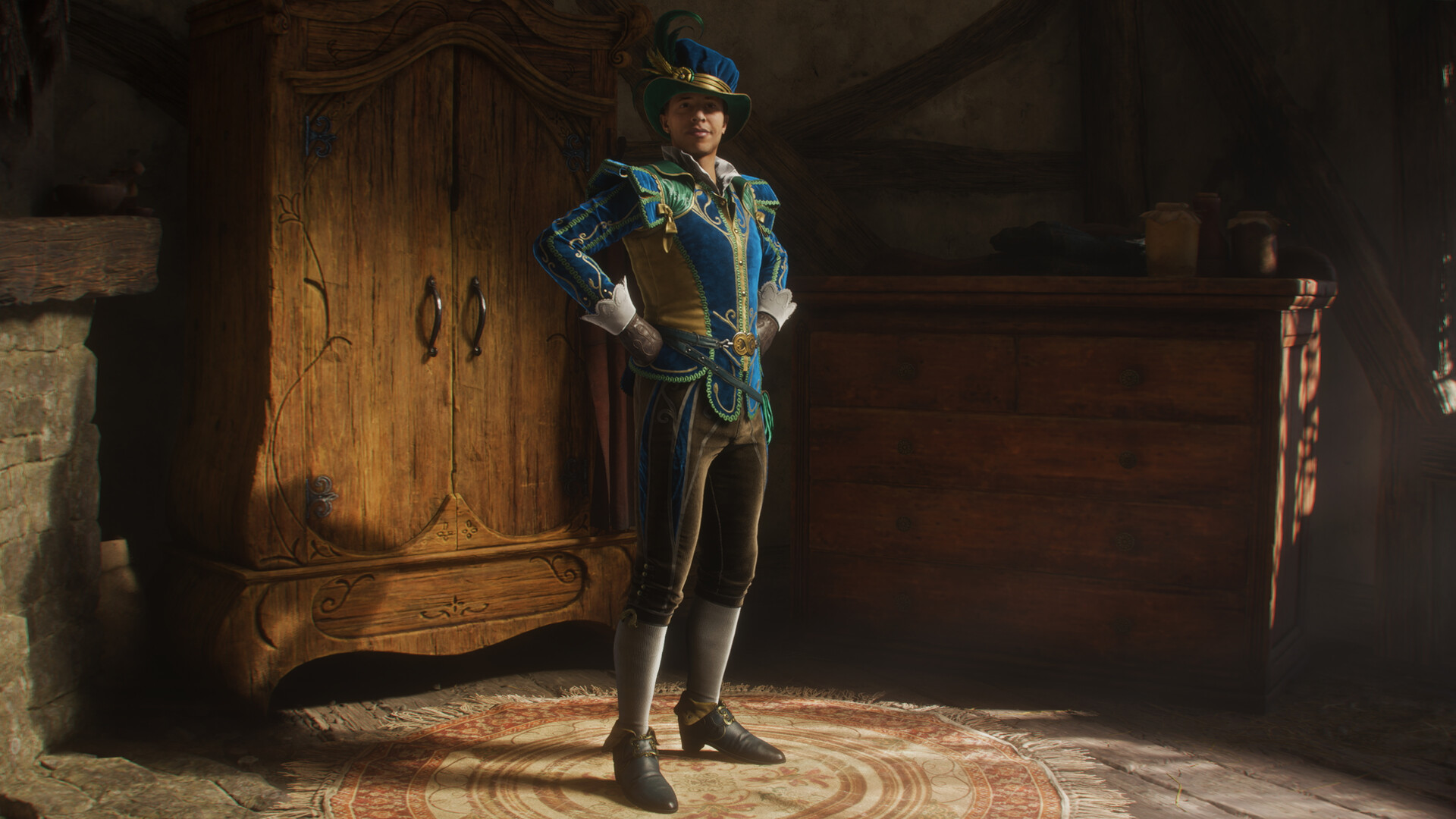
When you buy a property that someone already lives in, you become their landlord. The over 1,000 handcrafted NPCs in the game have homes. Many of those homes are purchasable. The developers described the dynamic clearly: "Maybe the bed they sleep in is in a house you own because you're the landlord. Or maybe their bed is on the street because you evicted them."
Eviction is real and has lasting effects. When you evict an NPC, they remember it. Their disposition toward you changes. They carry bitterness. An evicted NPC is not just removed from a database entry. They are a person in the world who lost their home because of you, and they know it.
Hiring and Firing
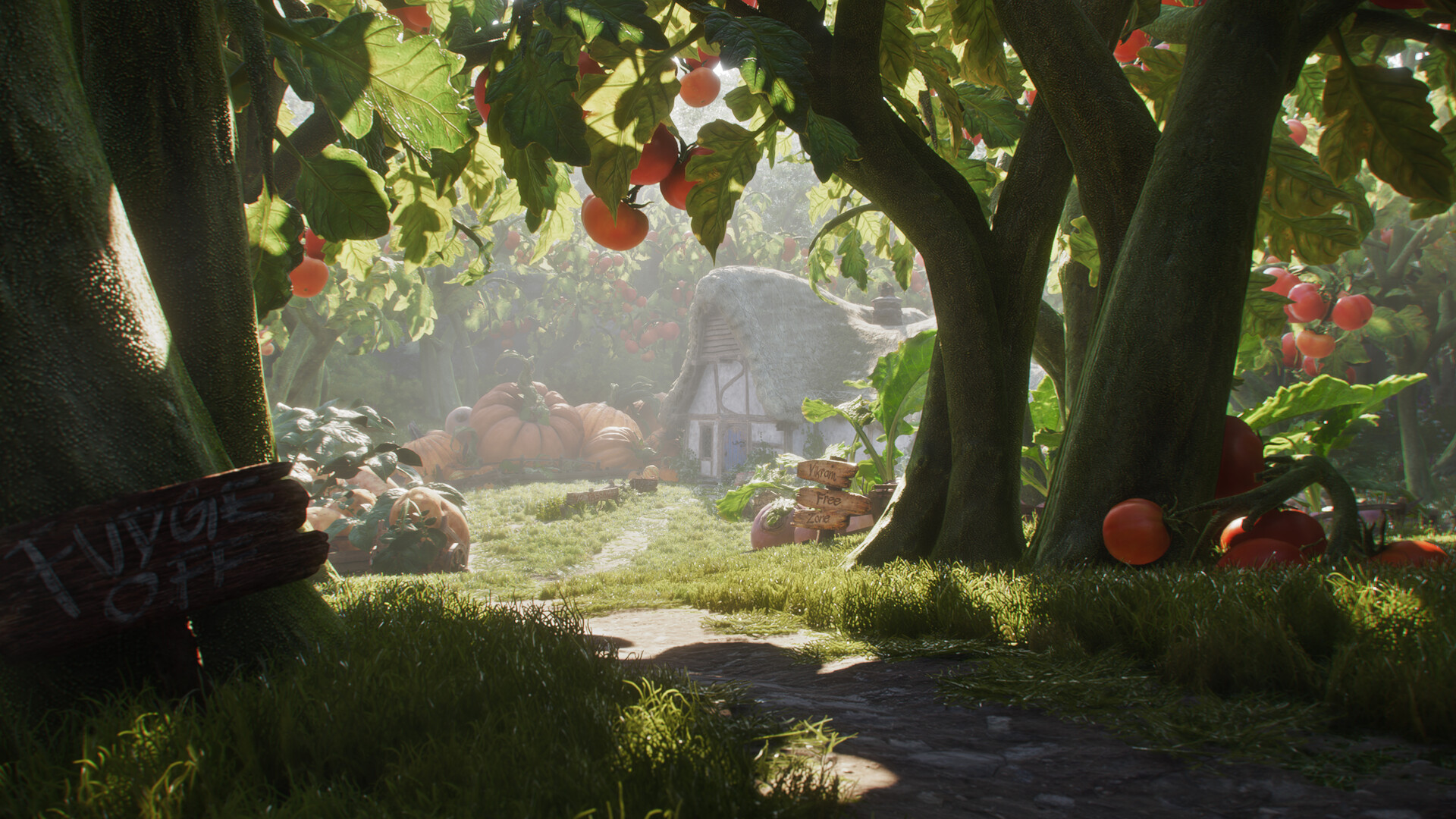
Players can hire employees to work in their businesses. Fulton laid out the full scope: "You could marry them all. You can have kids with them, you can hire them, you can fire them." Employment and relationships are intertwined systems. You might hire someone, marry someone else, fire a third person, and all three will have opinions about you based on their experience.
Fired employees, like evicted tenants, remember what happened. Their daily routines change. They need to find new employment. The consequences ripple through the simulation in specific, visible ways.
As the owner you set the terms on both ends. You decide the rent your tenants pay and the wages your employees earn, which turns property into a dial you can push toward profit or goodwill. Squeeze rent and wages for maximum income and the people affected notice; pay well and charge little and you trade gold for a friendlier town.
The terms have teeth. If a tenant cannot keep up with the rent you have set, they are forced to move out and find somewhere else to live, which is the slower, economic cousin of a direct eviction. On the hiring side, your standing matters: an NPC who dislikes or fears you can refuse to work for you outright, so a bad Reputation in a settlement can shrink the pool of people willing to staff your businesses there.
Housing and Employment Links
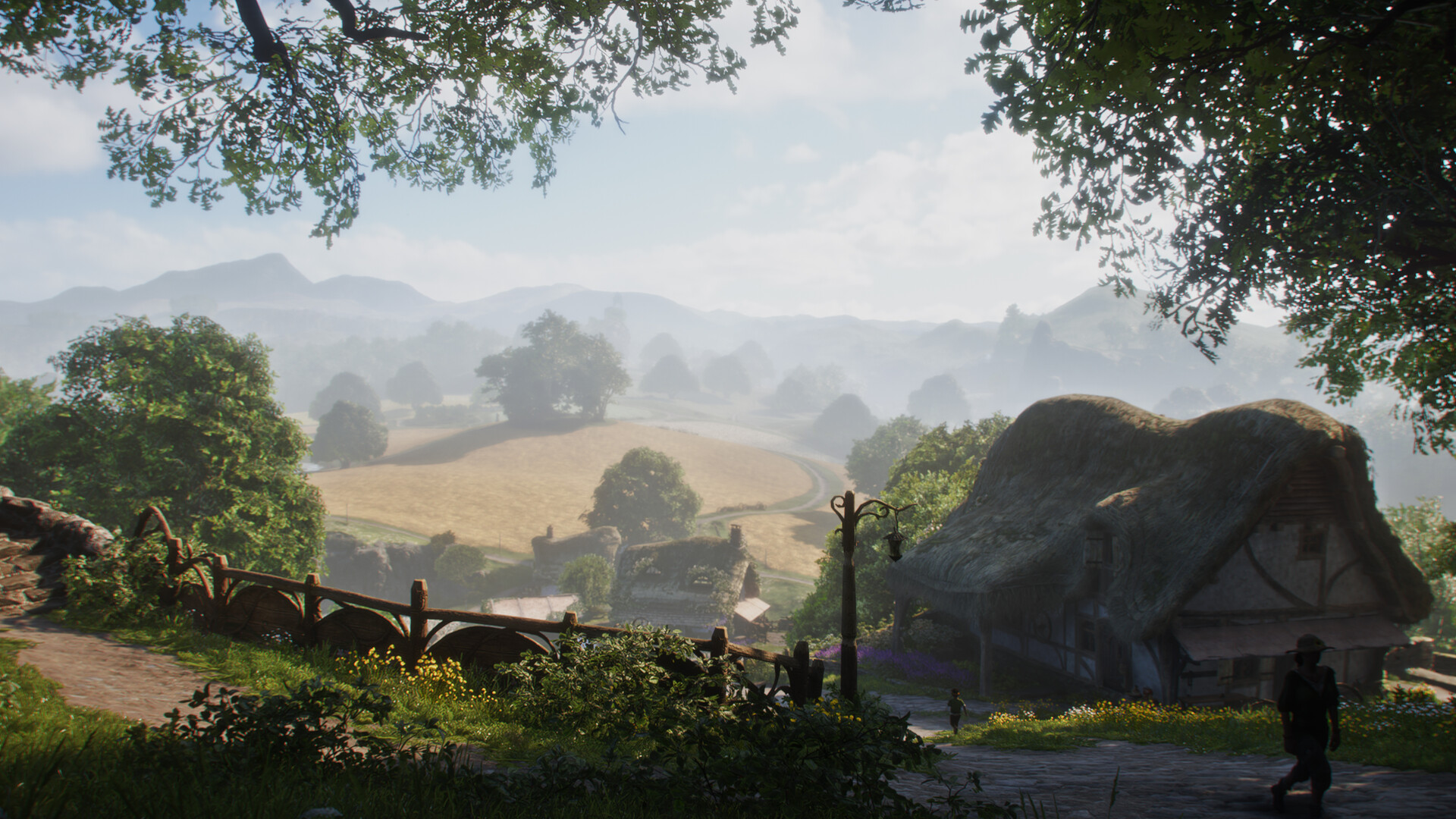
The Living Population system ties housing and employment together. Each NPC has a home and a job. When you buy their home or their workplace, you insert yourself into their daily life. You control where they sleep and where they work. The power dynamic is part of the gameplay.
This means a player who buys aggressively can reshape entire settlements. Own enough homes in a district and you control who lives there. Own enough businesses and you control who works. The game does not stop you from becoming a real estate mogul who owns half of Albion.
Reputation consequences
Property ownership feeds directly into the Morality and Traits system. Buying property generates reputation tags. "Rich" and "tycoon" start following you around in settlements where you own a lot. Evicting people makes you known for it. Charging high rent makes you known for that too.
Different NPCs react to wealth differently. Some admire it. Some resent it. The system does not judge you for being a landlord. It just makes sure the people of Albion have their own opinions about it.
Economic Ripple Effects
Player actions affect local economies. The most cited example: killing Dave the giant leaves his corpse in the landscape. House prices in that area drop permanently because nobody wants to live next to a dead giant. This is a real economic consequence tied to a combat choice.
For a player invested in the property system, this creates interesting tension. That boss fight is not just about combat. It is about what happens to your real estate portfolio afterward. Kill Dave in a neighborhood where you own property and you take a financial hit.
Scale of Ownership
The game does not cap how much you can own. If you have the gold, you can buy it. Becoming a landlord who controls entire districts is a viable play style. This is not a side feature. Property ownership is positioned as one of the game's major systems, alongside combat, reputation, and relationships.
Whether the endgame includes any economic challenges, rival landlords, or consequences for monopolistic ownership has not been confirmed. But the foundation is clear: you can own everything in Albion, and the world will have opinions about it.