

Working for a Living
You can get a job in Fable. This was a feature in the original trilogy and it returns in the reboot. The general concept: you go to a workplace, take on tasks through minigames, and earn money. The developers said jobs "make a comeback," though the full list of available professions has not been published.
The framing from Playground Games is straightforward. You can "go out and get a job to earn money, completing tasks via different mini-games." Jobs are one of several ways to make gold, alongside selling loot, completing quests, and collecting rent from properties.
Blacksmithing
Blacksmithing is the most concretely shown profession. During the Developer Direct in January 2026, footage showed the player character at a forge crafting a pitchfork through a minigame sequence. The specifics of the minigame mechanics were not fully broken down, but it appeared to involve timed button inputs.
Whether the items you forge through blacksmithing are usable weapons and tools, purely sellable goods, or both is unclear. The pitchfork was the only item shown being crafted. In previous Fable games, blacksmithing involved rhythmic hammer-striking minigames and the output was purely gold.
Property Management as a Profession
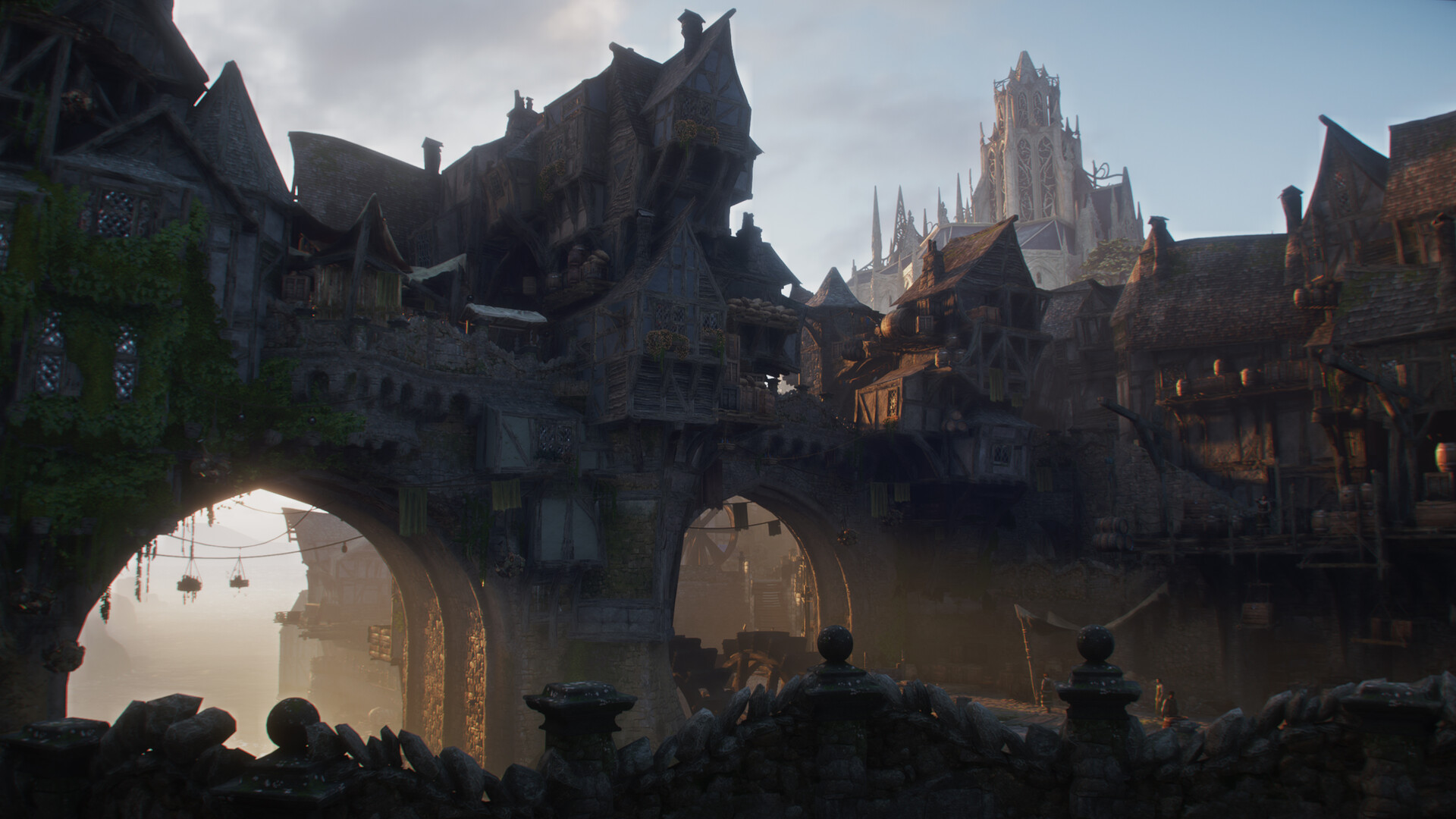
Beyond traditional jobs, you can earn income through property management. Buy houses and rent them to townsfolk. Buy businesses and collect profits. You can hire and fire NPCs to work in your businesses. This is less of a job minigame and more of an economic management layer.
The property system connects to the Living Population in specific ways. The NPCs you hire and fire are individuals with names, homes, and daily routines. Firing someone is not abstract. That person loses their job and their daily routine changes accordingly.
Landlord reputation
Becoming a property owner has direct reputation consequences. Buying up property earns you "rich" and "tycoon" reputation tags in the settlements where you own real estate. NPCs will form opinions about you based on how you handle your properties.
You can raise rent at whim and even evict tenants. The game reportedly calls the landlord archetype a "Rich Tw*t," which is the kind of label NPCs might apply to a player who aggressively buys up housing and squeezes tenants for maximum profit. The label is not a punishment. It is just how the people of Albion see you if that is how you behave.
The economic power fantasy is real, though. If you want to own every building in Bowerstone, the game lets you. Whether NPCs cooperate or resent you depends on how you treat them.
Previous Fable Jobs
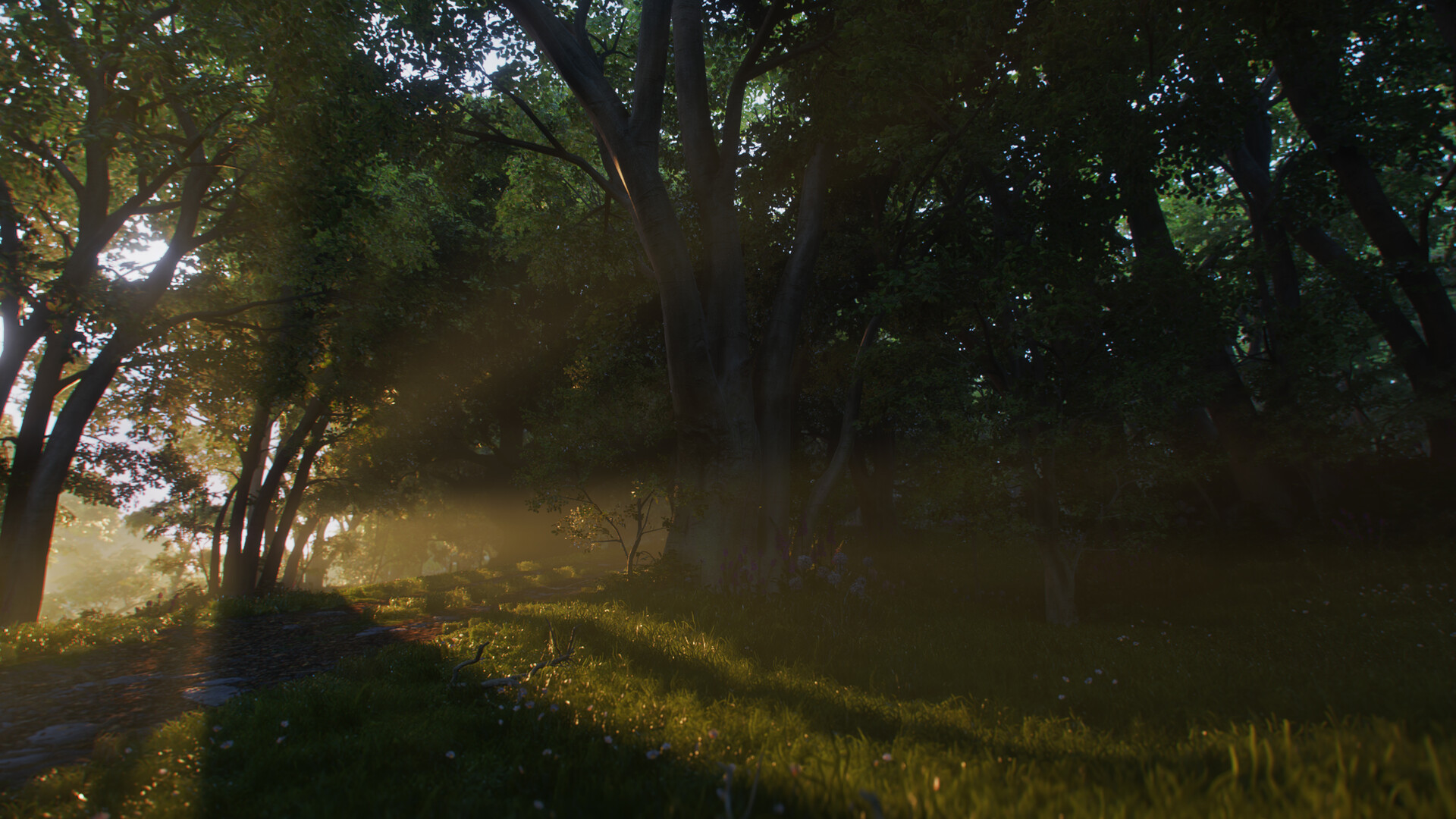
The original Fable trilogy had several minigame-based jobs that have not been individually confirmed for the reboot:
Woodcutting, where you chopped logs with timed swings
Bartending, where you poured drinks for customers
Lute-playing, a rhythm game where you performed for an audience
Pie-making, which involved assembling ingredients in order
Blacksmithing, the one job confirmed to return
Whether any of these beyond blacksmithing return is unknown. The developers used the phrase "make a comeback" about jobs in general, which implies multiple professions will be available. But only blacksmithing has been shown.
Jobs and reputation
Working a regular job may affect your reputation. In a system where NPCs observe your behavior and form opinions. This shows up to work at a forge every day tells the town something about you. Whether specific reputation tags ("hardworking," "blacksmith," etc.) are generated by job activity has not been confirmed, but it would fit the system's design.
Jobs Versus Adventuring
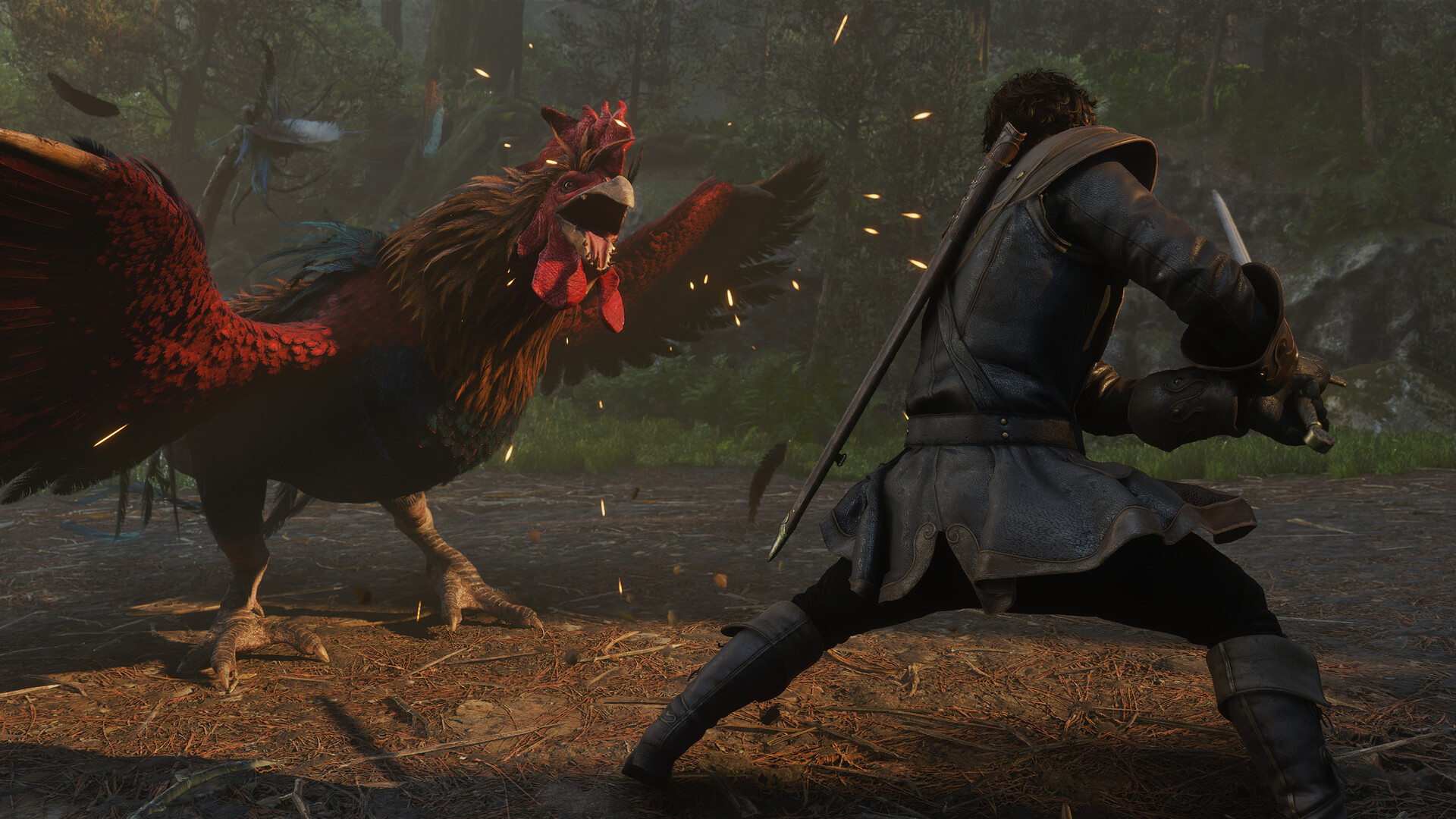
Jobs exist as an alternative to adventuring as a source of income. Not every player wants to grind enemies for loot. Some people want to buy a house in Bowerstone, take a job, and live a quiet life. The Fable franchise has always offered this kind of non-combat gameplay, and the reboot continues the tradition.
How profitable jobs are compared to questing and property income has not been specified. In previous games, jobs were a slow but safe way to earn money early on, while property income scaled to become much more lucrative later.
What is Missing
The full list of available jobs, whether crafted items can be used or just sold, and how job minigames have been updated from their 2004-era originals are all open questions. Playground Games has shown blacksmithing and described the concept, but the depth and variety of the profession system remains to be seen.