
Who Are the Vrakhiri
The Vrakhiri are the ancient vampires who rule Vale Sangora. They transcend centuries, civilizations, and cultures; each one has lived through multiple eras of human history. They are the game's primary antagonists, though the developers have noted that not all of them are automatically hostile. Some may become allies depending on player choices.
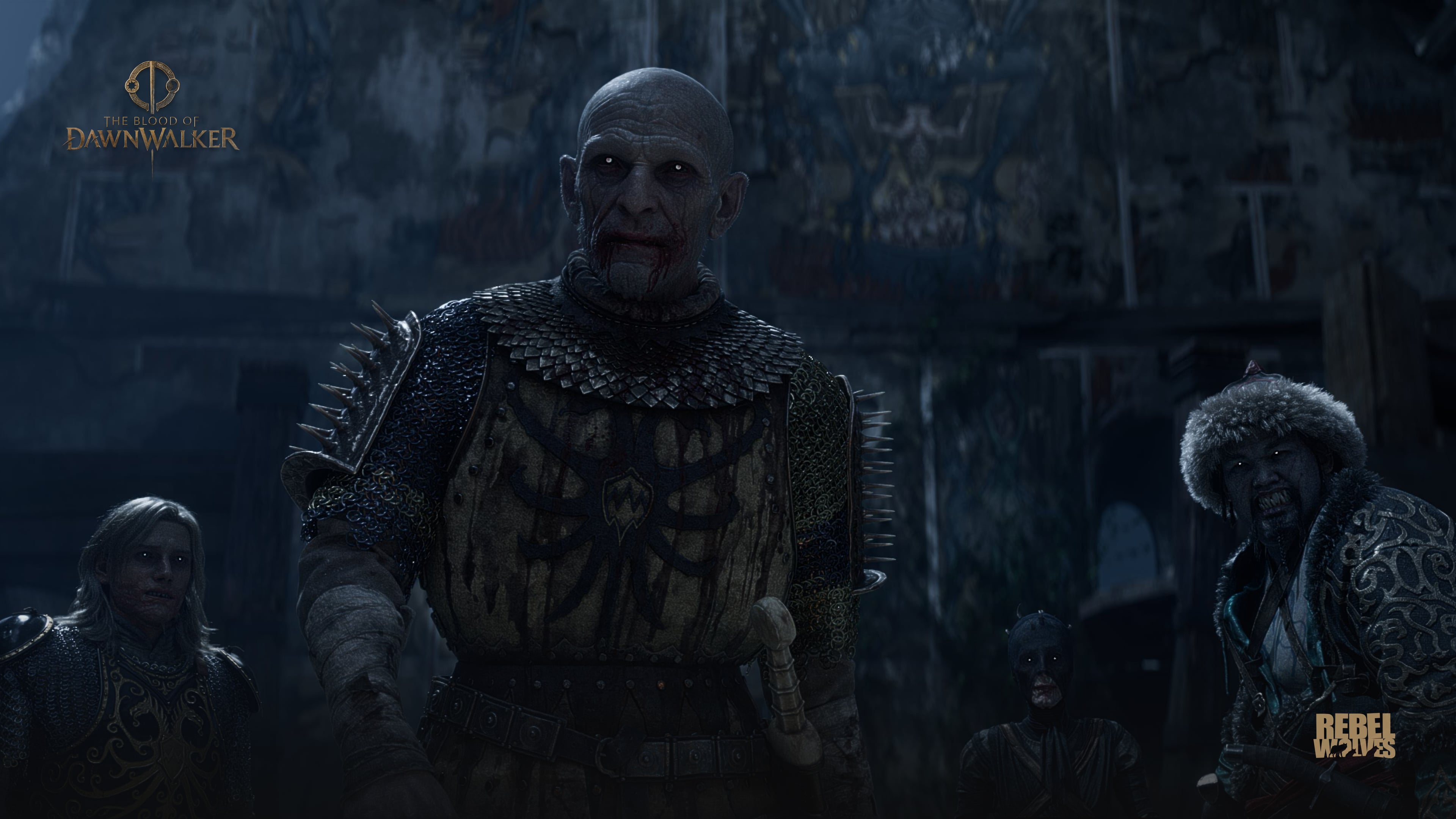
There are four known Vrakhiri. Each holds the title of boyar over their own territory within the valley and governs it according to their own personality and methods. The political dynamics between them, their rivalries, alliances, and competing interests, are themselves a layer of the game's faction system.
The Four Vrakhiri
Brencis
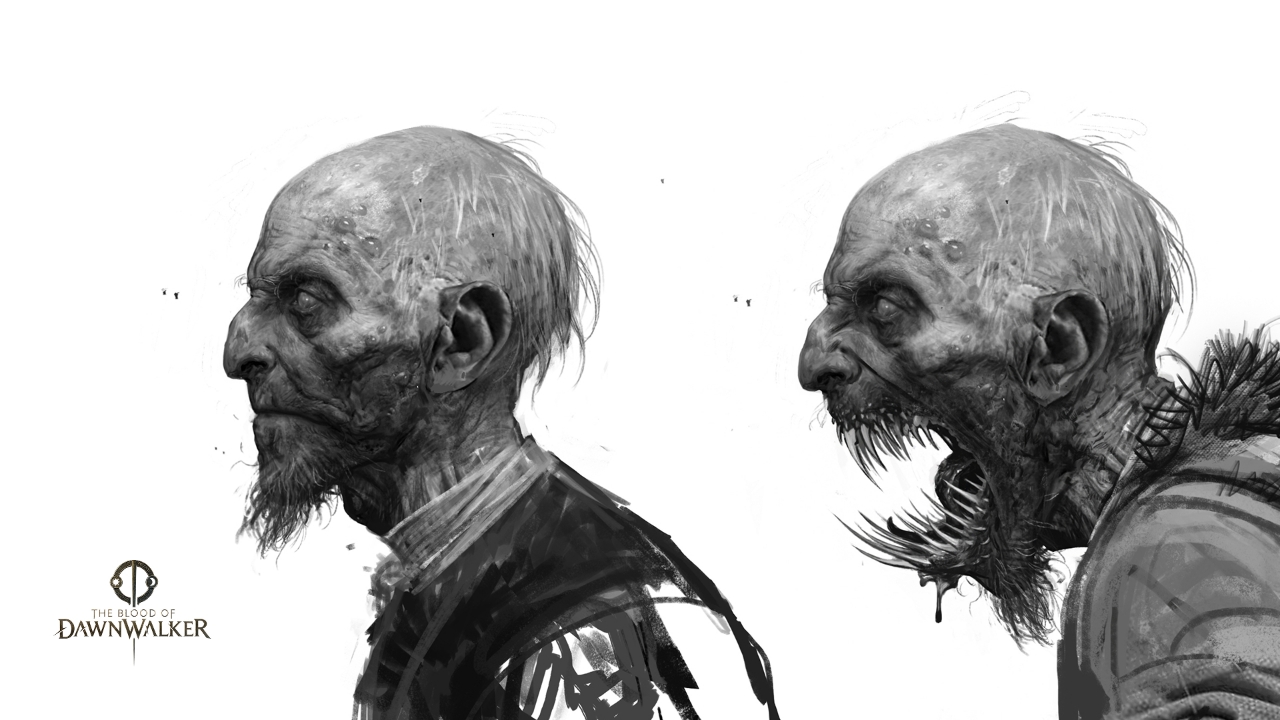
Brencis (voiced by Andrew James Spooner) is the leader. Born Caeso Burrienus Laurentius in AD 131, he was a Roman senator before being turned. He rules from Greifberg Castle and imposed the blood tax system. He is the one who holds Coen's family hostage.
Xanthe
Xanthe (voiced by Mandi Symonds) is the oldest, predating even Brencis by an unknown span. She was a Greek priestess before being turned. She hears voices from beyond the pale and understands the true nature of the world better than anyone. Deep down, she is terrified. She fights with blood control, lashing out with blood whips in the June 2025 reveal; in the shipped game, drinking her blood grants Coen Blood Surge.
Ambrus
Ambrus (voiced by Lorne Macnaughton) is the youngest. He came from humble, painful origins and sought vampiric power to settle scores with the world. He presents himself as a nobleman despite his background. Charming, deceiving, and dangerous. He controls the blood trade across Vale Sangora and runs the warehouse network that supplies the rest of the Vrakhiri.
Bakir
Bakir (voiced by Dai Tabuchi) is one of Brencis's most powerful lieutenants. A warmonger and bloodthirsty warrior from the Central Asian steppes, he was violent long before he was turned. Becoming a vampire amplified what was already there.
Vrakhir Biology
Vrakhir biology has its own rules, distinct from the broader stable of vampire fiction the game references. The official Bulletin Board lore drop confirmed several specifics:
Fang growth as the age marker. A vrakhir's teeth keep growing throughout life. Older vrakhiri have more teeth, longer teeth, and the very oldest carry teeth that have erupted out of unexpected parts of the skull. Age is read off the mouth before anything else.
Fang-to-heart transmission. To create another vrakhir, an existing vrakhir must remove one of their own teeth and drive it into the victim's heart. The tooth carries the vital energy that completes the transformation. Without that act, no transmission occurs.
Blood does not transmit vampirism. A human can drink vrakhir blood without becoming a vrakhir. The clearest example in the story is Lunka, whose plague was cured by feeding her vampire blood. The blood healed the illness; it did not turn her.
Powers are mutational, not hereditary. Each vrakhir's specific abilities are unique to that individual, a twist on the more familiar fiction in which a vampire inherits powers from their sire. The only other way to acquire a vrakhir's specific power set is to drain that vrakhir entirely, which the game uses as its progression hook for Coen.
When a tooth lodges somewhere other than the heart during a botched feeding, the energy inside the tooth discharges all at once and warps the host into a murohni, a mindless beast-form that eventually wanders into sunlight and burns. Murohni are failed transmissions rather than a separate species.
Among Themselves
The four Vrakhiri are an oligarchy more than a hierarchy. Brencis is the senior figure and the political face of the regime, but each of the other three controls their own territory, runs their own operations, and pursues their own goals. The developers have been explicit that the Vrakhiri are not automatically hostile to Coen as a group: a sufficiently clever player can side with one Vrakhir against the others, or exploit the cracks in their alliance, or finish the game without ever having forced a confrontation with all four.
Their relationship with the uriashi and other independent factions, the human loyalists who genuinely revere them, and the resistance movement led by Marat all flow through the same per-officer aggression and infamy systems that govern how the regime responds to Coen specifically.
Vrakhir Blood as Progression
Feeding on ordinary blood raises Coen’s Corruption and opens the lower tiers of the Vampirism tree. A handful of abilities sit behind something narrower: they need the blood of a vrakhir, taken from one of the regional lords rather than from any convenient victim. That makes those lords progression gates as well as antagonists.
The confirmed example is Scarlet Shield, unlocked by drinking Ambrus’s blood at the end of the quest The Gilded Gauntlet. It partially heals Coen on every Perfect Block, which folds the vampiric side of the character into the defensive timing of daytime swordplay rather than keeping the two halves apart.
Scarlet Shield is one of three such grants. Three of the four Vrakhiri give up an ability outright when Coen drinks from them. This is not a skill-point purchase and does not draw on the Skill Trees: defeating the boyar and choosing to drink hands the ability over as it stands.
Boyar | Ability Gained |
|---|---|
Scarlet Shield. Partially heals Coen on every Perfect Block, which is what makes it the standout of the three. | |
Shadowstorm. | |
Blood Surge. |
Vrakhir blood also turns up in bottled form. Vials drop from Murohn defeated in their dens at night, and a handful of quests hand one over directly. Drinking a vial raises Corruption sharply and works much like an ability manual, either granting the ability or raising the level of one Coen already has. Two further night-side abilities sit behind quests rather than behind a boyar fight, and launch coverage places both on Lacra’s thread.
The way a boyar becomes fightable in the first place is worth noting, because it turns the regional structure into a progression track. Dismantling enough of a boyar’s operation in their region angers them and opens a confrontation, so the player who spends time clearing camps, cellars and transports in one area is also deciding which ability to walk away with. Brencis sits outside that loop: he is the endpoint of the story rather than a blood source on the way to it.