
Vampires in Vale Sangora
The vampires in The Blood of Dawnwalker are ancient, intelligent beings who operate as a political force. In Vale Sangora, they rule openly, treat humans as a managed resource, and present themselves as saviors because of their ability to cure the Black Plague. They are organized under the Vrakhiri, the four ancient vampires who each control a territory in the valley.
Vampire Biology
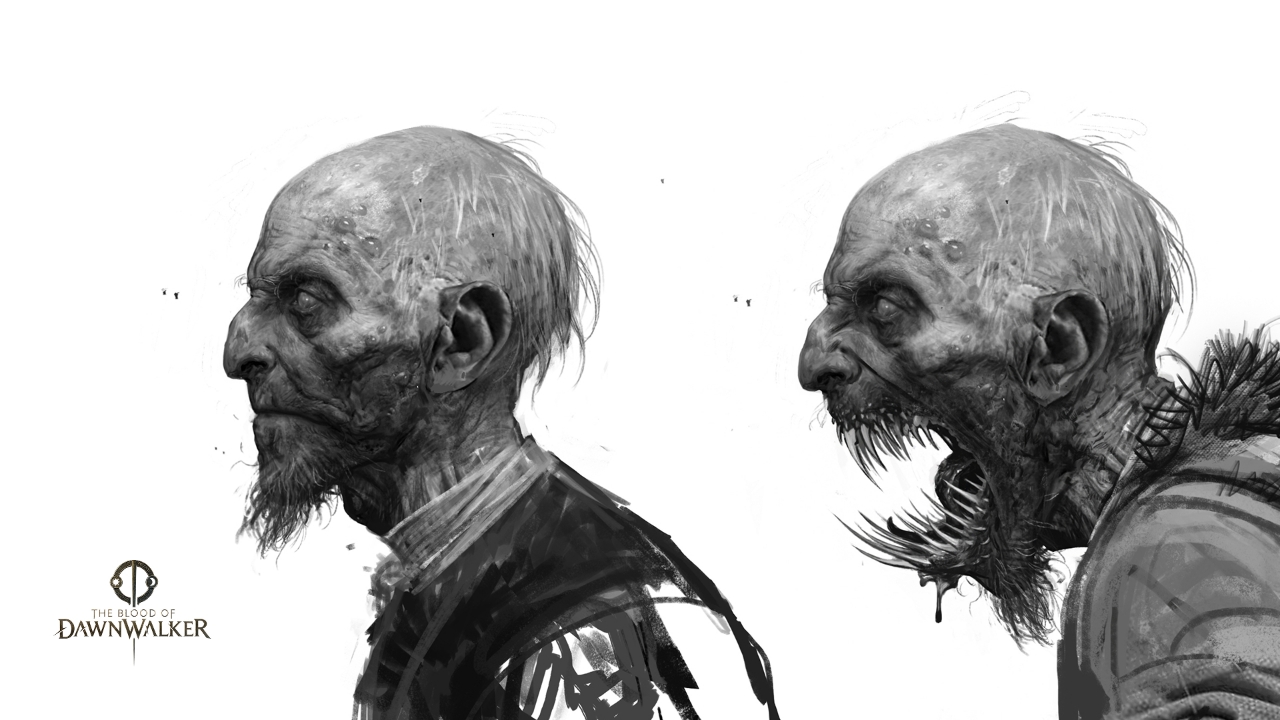
Vampires in this world grow a series of needle-like fangs that emerge from different parts of their skull as they age. The older the vampire, the more fangs they develop. This is not the traditional two-fang image. It is a progressive physical change that marks the passage of centuries, and pulling out a fang to turn someone is a real physical cost.
Garlic has no effect on vampires. The developers confirmed this outright during the January 2026 community Q&A: garlic is useless. Whatever weaknesses these vampires have, the traditional folk remedy is not among them.
Silver is a different matter. The vrakhiri are documented as vulnerable to it, which is why a silver blade is the weapon the valley's legends are built around and why silver is contraband under the regime. See Saint Mihai for the best-documented example, and Silver Mines for where the metal comes from. Daylight is the other hard limit: a full vampire cannot cross into it, and only a Dawnwalker can.
The Turning Ritual
To create a new vampire, the sire pulls out one of their own fangs and pierces it through the target's heart. The fang sprouts like a seed, unfurling thin, seeking tendrils that penetrate every part of the body and remodel it from the inside. The transformation is not instant. It happens slowly over the vampire's endless life, and no one fully understands what its final form looks like.
When Turnings Fail
Two types of failure are known. If a fang breaks off during feeding and lodges somewhere other than the heart, the vital energy in the tooth explodes, producing a murohn, a deformed, mindless beast that lacks self-preservation and eventually burns in sunlight. The plural of the word is murohni, and the shipped game uses both forms.
If the turning is disrupted by an external factor, such as silver poisoning in the target's blood, the result can be a Dawnwalker: a stable hybrid who is human by day and vampire by night. This outcome is far rarer than a murohn.
Corruption and Vrakhir Blood
Blood is not only food in this world, it is the medium through which vampiric nature takes hold, and the shipped game makes that a measurable thing. Coen's vampiric side advances along a track the game calls Corruption, filled by drinking, and his night-side abilities unlock as it rises. The distinction the game draws is between ordinary blood and the blood of a vrakhiri: the higher tiers of vampiric power require the latter specifically, and drinking from one of the vampire lords can pass on that lord's own abilities outright rather than merely feeding the meter.
The same guide coverage reports that Corruption cannot be reversed or cured once gained. What is negotiable is the source: feeding on animals carries none of the moral weight that feeding on people does, and the difference is in whose blood Coen takes rather than in how far along the track he has travelled. See Blood Craving and Vampiric Powers.
Anachora
Launch coverage names a vampire afterlife, Anachora, which is where a destroyed vampire's soul is consumed. It is described as a curse every vampire in this world carries rather than a place they simply go to, and at least one antagonist is reported to have been pursuing a way to harness it rather than escape it.
The same coverage describes an alternative: Coen can invite a defeated vampire in, which keeps their consciousness alongside his own instead of leaving them to Anachora. This material is spoiler-bearing, comes from a single guide source, and no studio statement covers it, so it is recorded here as reported rather than as settled lore.
The Plague Cure
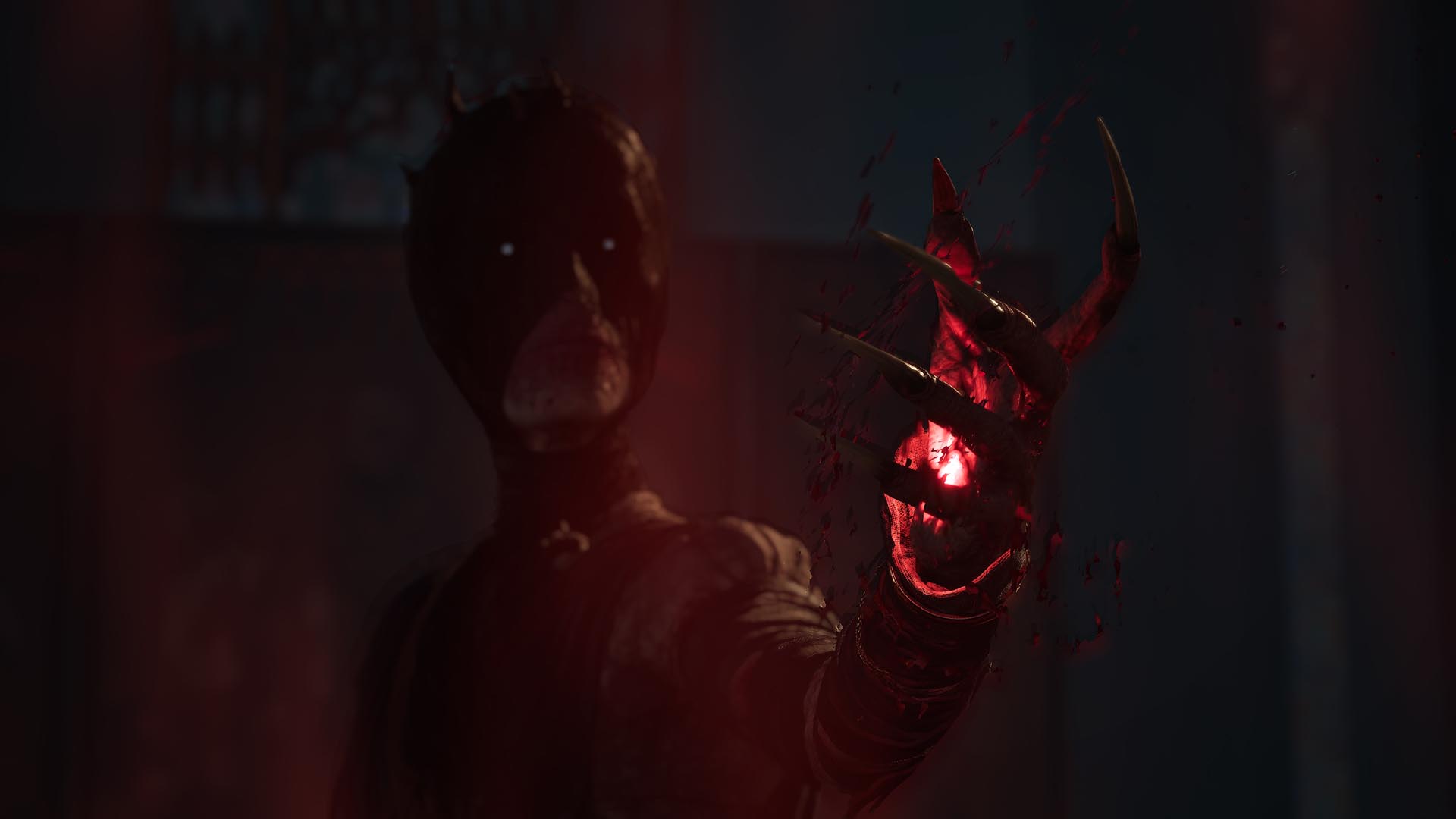
Vampire blood cures the Black Death. In the 14th century, when the plague was killing a third of Europe's population, this gave vampires leverage that nothing else could match. Brencis used this strategically. Curing the plague created dependency. The humans of Vale Sangora cannot leave without losing protection, and they cannot rebel without risking the cure being withdrawn.
The Blood Tax
Under vampire rule, humans provide blood on a regular schedule. For the vampires, it is sustenance. For the humans, it is the cost of survival. The arrangement is presented as a deal between equals, but the power dynamic is obvious. You do not negotiate from a position of strength when the other side controls whether you live or die of plague.
Why Vampires Emerged
Rebel Wolves has described the Black Death as a moment of weakness in human society. Vampires had spent centuries in the shadows, and Brencis alone has been alive since the Roman Empire. The plague created enough chaos and desperation that vampires could seize power openly. When people are desperate enough, they will accept almost any bargain.
Folklore Roots
The game draws from Eastern European vampire folklore rather than the Western literary tradition that begins with Bram Stoker. Romanian strigoi (undead beings that feed on humans), moroi (the distinction between living and dead vampires), Polish strzyga (female demons that transform at night), and broader Balkan undead traditions all inform the design.
The Carpathian setting is deliberate. The region has the deepest roots in vampire mythology of anywhere in Europe. The game also acknowledges multiple intelligent humanoid species beyond vampires and humans in Vale Sangora, so the world is not a simple human against vampire binary. See Carpathian Mountains and Vale Sangora.
One further piece of the occult layer is documented by name in the shipped game. Mandrakes appear as a blood-magic source of power, described by one of the valley's ancient vampires as the closest a vampire can come to being drunk. That detail is single-sourced and sits inside an optional questline, so it is noted rather than built on.
Refusing the Turn
Not everyone who faced the vrakhiri accepted their bargain. July 2026 gameplay of the prologue quest Deep Down uncovered the tomb of a warrior who once fought the vampires and, rather than be turned, burned herself alive. Wall murals in the tomb tell her story, a reminder that resistance to vampirism in Vale Sangora has a long and often tragic history.