
Loading...
Loading...
Aberrant
September 21, 2026 at 02:20 AM
Added a forms-named-in-coverage table (dual blades, scythe or glaive, cleaver, hammer, spear, drill, whip) with the June build slot names and form enhancements; updated the drill note now that four reports describe it; noted the physical hammer prop; linked the Abilities page; fixed an image alt; re-dated open questions to September 21, 2026
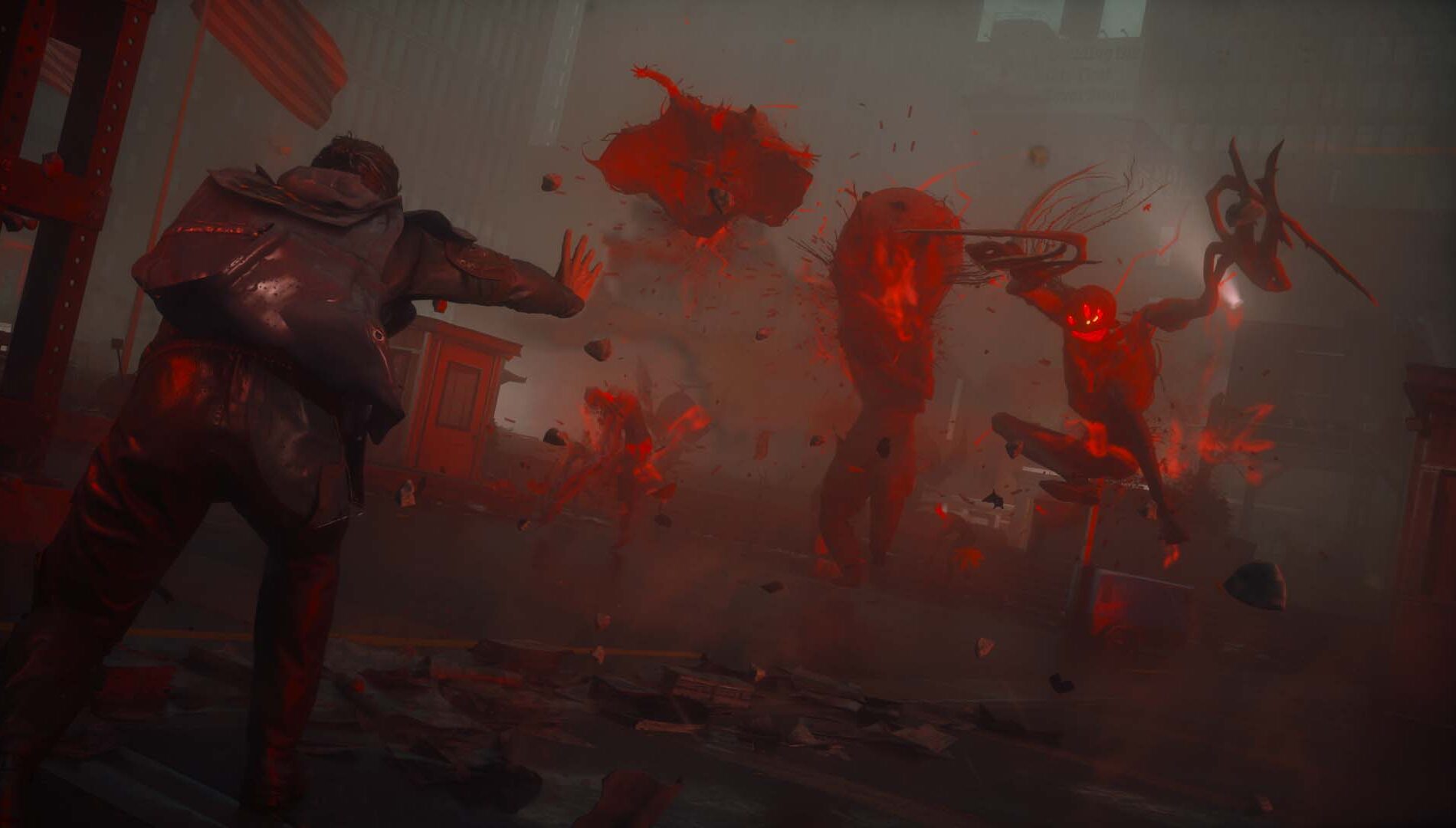
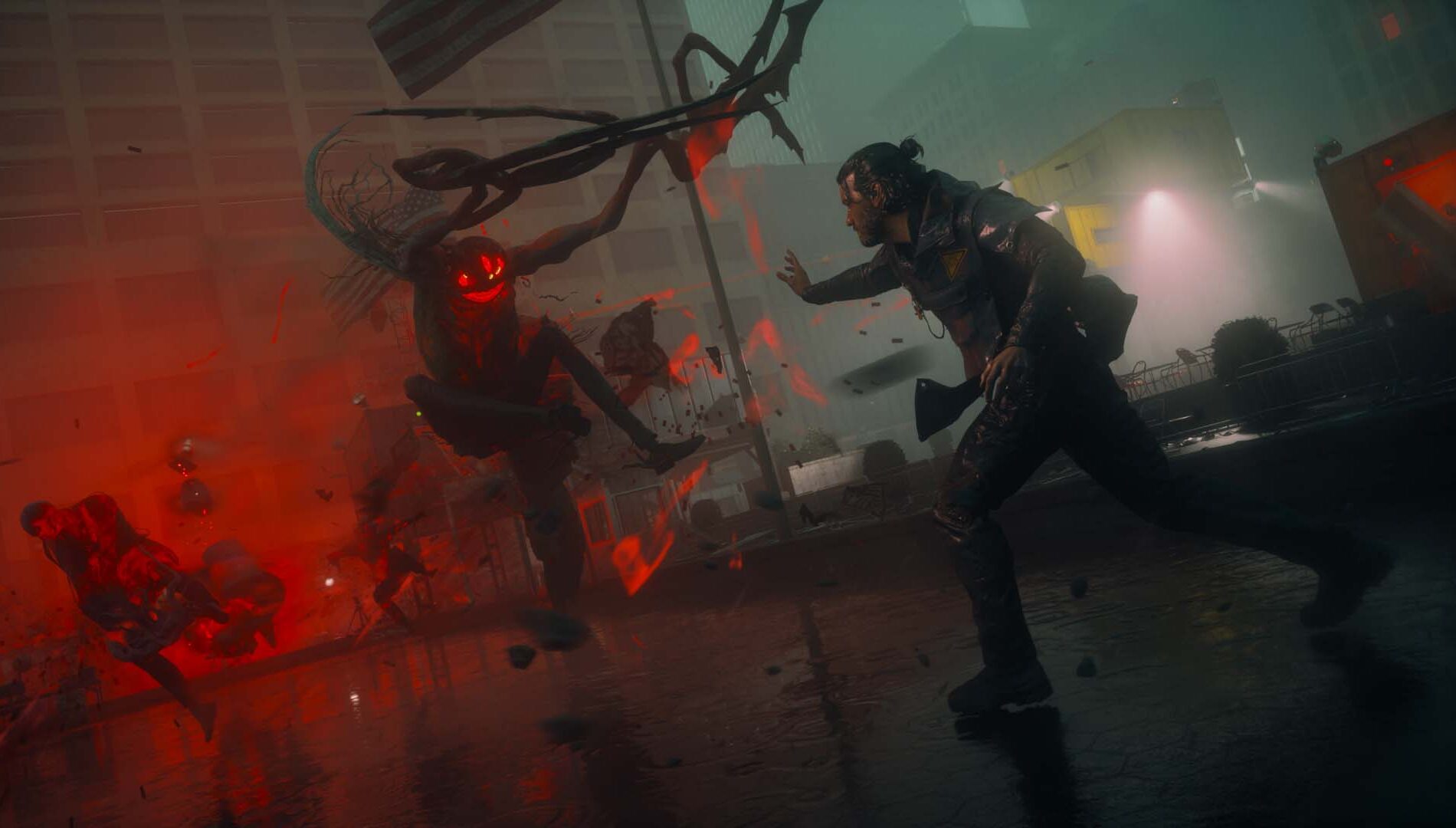
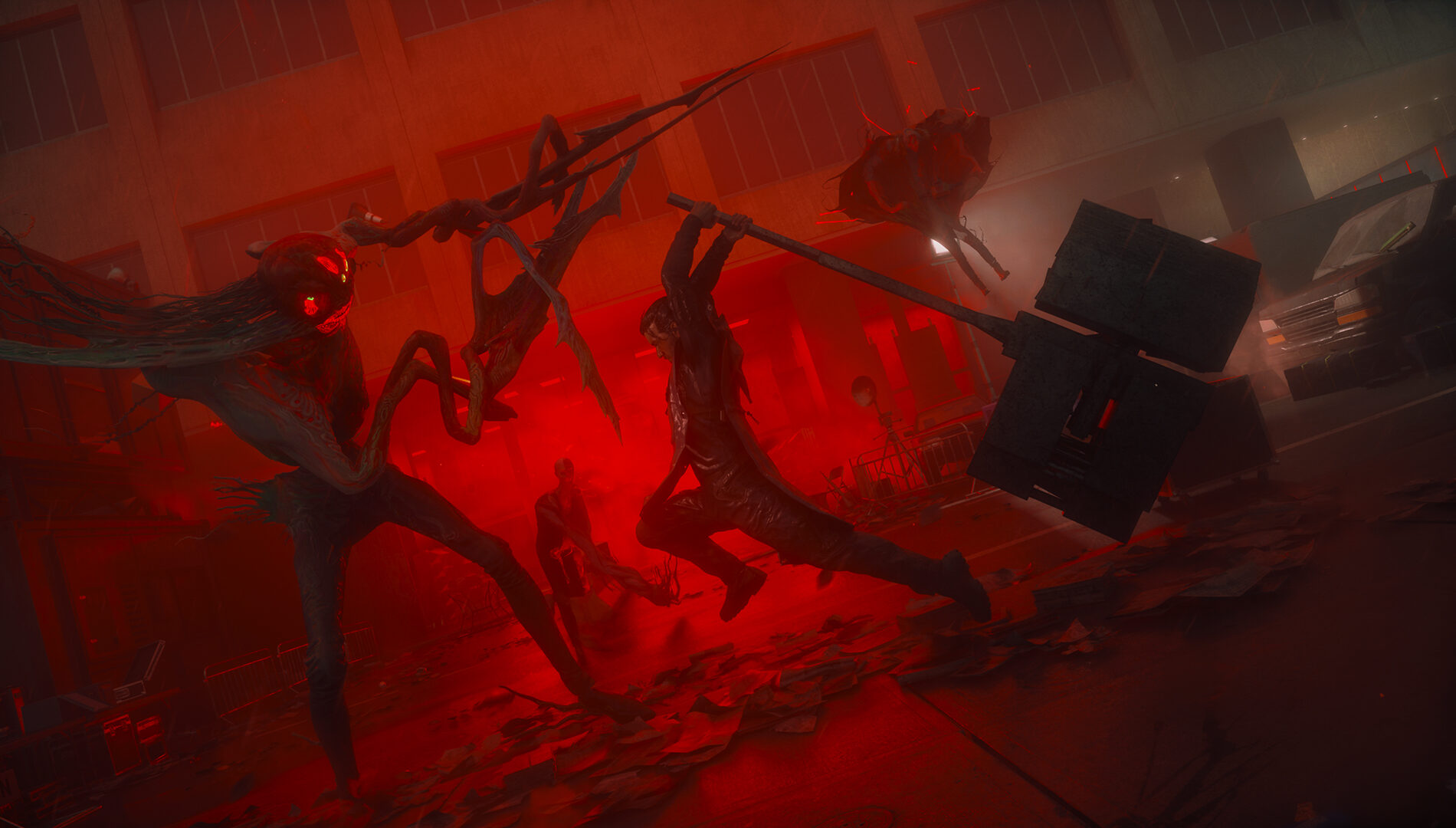
The Aberrant is Dylan Faden's signature weapon in Control Resonant. It is a single shapeshifting close-quarters armament that flows between distinct melee forms mid-fight, letting one weapon do the work of a small loadout. Because Resonant is a melee combat game first, the Aberrant is not a sidearm. It is the primary tool Dylan brings to almost every encounter. For a wider sense of where it fits in the game, see the Overview.
Five forms had been shown in first-party material as of September 21, 2026, three days before release. More are confirmed to exist, and reviews of the finished game published on September 18, 2026 name several of them without agreeing on a single naming scheme; see the section on forms named in coverage below.
Form | Profile |
|---|---|
Hammer | A heavy two-handed form built around weighty, slow swings and high impact per hit. |
Dual Blades | A pair of short blades for fast, close-range strings of attacks. |
Scythe | A reaching form with a curved cutting edge, suited to wider arcs through groups of enemies. |
Whip | A flexible form that extends Dylan's reach and lets him pressure enemies from outside their guard. |
Fists | A bare-handed form for unarmed strikes. |
Additional forms are part of the design but have not been formally revealed in first-party text. One more has been seen repeatedly: the June 2026 hands-on build offered a Drill as a secondary form, described there as a directed, sustained-damage weapon, and the playable build shown at gamescom in August 2026 had the weapon take the same drill shape during combat, where demo coverage describes it building a purple gauge that adds Falter damage. It is not in the table above because, as of September 21, 2026, it had not been named or described in first-party written material, which is the standard the five confirmed forms meet. Anything beyond that list should be treated as reported rather than confirmed.
Reviews of the finished game and reports on the two hands-on builds name more shapes than the confirmed table. The names differ from one report to the next, and no full roster has been published, so the list below is a forms-include list rather than a catalogue. Reviewers also assign the same shapes to different roles: one review pairs dual blades, a cleaver and a scythe with light, medium and heavy attacks, while another describes choosing a spear and later a hammer as the heavy weapon and a scythe-like glaive as the light one.
Form as Reported | Where It Was Seen | Notes |
|---|---|---|
Dual blades | June 2026 hands-on build, gamescom demo, reviews | Fast strikes with a critical-hit bonus; the demo's first form. Matches the confirmed Dual Blades. |
Scythe or glaive | June 2026 hands-on build, reviews | A wide swing for groups. One review calls it a scythe-like glaive; whether that is the confirmed Scythe under another name has not been stated. |
Cleaver or axe | June 2026 hands-on build, reviews | Single-target damage, with a bonus for striking from behind in the June build. |
Hammer | Reviews, first-party prop post | A slow, heavy two-handed swing. Matches the confirmed Hammer. |
Spear | One review | Named as a heavy-slot choice by a single reviewer. |
Drill | June 2026 hands-on build, gamescom demo, reviews | A sustained, directed damage form that builds Falter quickly; see above. |
Whip or chain staff | June 2026 hands-on build, reviews | A long-reach secondary form. Matches the confirmed Whip. |
The June 2026 hands-on build also used slot names rather than shape names: Flurry, Slash and Slice for the primary pool and Crush, Drill and Extend for the secondary pool, with a third pool for combo finishers. Those labels come from a single platform-holder report on a pre-release build and may not match the shipped game.
Forms can also carry enhancements. A hands-on with the finished game describes the primary and secondary forms taking status effects, burn and infect, and perks such as shorter cooldowns and more combo-finisher damage, and a review adds that secondary forms can be charged to deal Falter damage. Reviews describe Burning and Infected as accelerating the Falter meter, so an enhanced form shortens the path to an execution. The ability index that sits alongside the weapon is on the Abilities page.
The Aberrant is configured as a small loadout of forms rather than one default form. A typical setup uses three roles at once.
Slot | Role |
|---|---|
Primary form | Handles basic attacks and the bulk of normal combat output. |
Secondary form | Covers special and charged attacks the primary form is not built for. |
Combo ender | Used as a finisher at the tail end of strings to close out a combo. |
Combos do more than push damage. They also generate the resources Dylan spends on his special abilities, so consistent string play feeds back into the wider toolkit. Specials in turn can stun enemies and open windows for executions, and those executions grant temporary damage buffs that carry into the next string. The intended loop is that basic attacks build resources, specials open enemies up, executions reward the kill, and the buff carries momentum into the next fight.
Public descriptions of the Aberrant lean into one phrase: raw, crude, and to the point. It is not styled as a polished signature weapon. Function comes before form, and the look of each shape follows from the job it is meant to do in a fight rather than from a decorative brief.
The hammer form has also been built as a physical object. On September 16, 2026 Remedy shared a making-of video for a full-size Aberrant hammer prop produced by an outside props workshop; the prop's weight of close to 100 kilograms is a property of the replica, not a game statistic.
The Aberrant is one of three pillars in a Resonant build. The weapon itself carries the moment-to-moment fighting, while artifacts supply passive modifiers that shape survivability, resource economy, and exploration, and the talent slots inside The Gap hold the supernatural abilities Dylan layers on top of his combos. Switching forms on the Aberrant changes how each combo flows, but the same set of artifacts and abilities continues to back the loadout from the menu side.
For deeper coverage of the combat loop the Aberrant feeds into, see the Melee Combat page.
New forms are not handed out at fixed story beats. They are unlocked through the Aberrant's own progression system, and the most notable rewards come from defeating Resonants, the major boss enemies the game takes its name from. Beating a Resonant is one of the main ways the weapon's catalog grows over the campaign, which ties weapon variety to combat mastery rather than to crafting or vendor purchases.
The Aberrant is not a piece of equipment Dylan picks up off a shelf. In the story material published before release, Jesse Faden's last act as Director was to pierce his chest with the weapon, embedding it in him so that the Board, the entity at the heart of the Federal Bureau of Control, can speak through it. From that point on the Aberrant is a bridge as much as a tool: it is the conduit through which Dylan receives Board direction in the field, and the shapeshifting weapon he then turns on whatever has spilled out of the Oldest House into Manhattan.
Remedy's art direction takes the Aberrant in a deliberately rough direction. Public descriptions point at a homemade jeweller's anvil pulled off a flea market table as the visual reference, which is why the weapon reads as raw and improvised rather than as a polished signature item like the Service Weapon it replaces. The shapeshifting is mechanical, not magical: each form is a different working tool the Aberrant becomes when Dylan needs it.
The Aberrant is the spiritual successor to the signature weapon of the first Control. Where that earlier weapon was ranged and shifted between firearm modes, the Aberrant is melee and shifts between close-quarters forms. The role is the same, the genre wrapping is different, and that single change captures most of what separates Resonant's combat from its predecessor's.
Several pieces of the Aberrant's design were still unconfirmed publicly as of September 21, 2026, three days before release, and should not be inferred from the forms that have been shown:
The full catalog of forms beyond the five revealed, and how the shape names used in reviews map onto the names the game itself uses.
Specific stat tuning, including damage values and scaling.
Whether the Aberrant uses any kind of durability, condition, or repair system.
Exact combo lists and input strings for each form.
Charge timing and frame data for special and charged attacks.
These will be filled in once they are detailed publicly. Until then, this page sticks to what has been shown and avoids guessing at numbers.