

Control Resonant is the first melee-focused action game in Remedy Entertainment's catalog. Where the original Control framed encounters around a third-person shooter loop, Resonant pushes the player into close range and rebuilds combat around weapon strikes, combos, and aggressive positioning. The studio has cited Devil May Cry and PlatinumGames-style action as reference points: air juggles, combo meters, and pressure-forward play. The team has also named DOOM (2016) and Sekiro: Shadows Die Twice as combat inspirations, pointing to their pace and aggression as qualities it wanted to bring into melee range.
Lead Gameplay Designer Sergey Mohov has described the identity as an action game with interplay between weapon attacks and combat abilities, and an aggressive playstyle. Director Mikael Kasurinen has framed the combat DNA as leaping into the middle of enemies rather than holding cover.
Loadout System
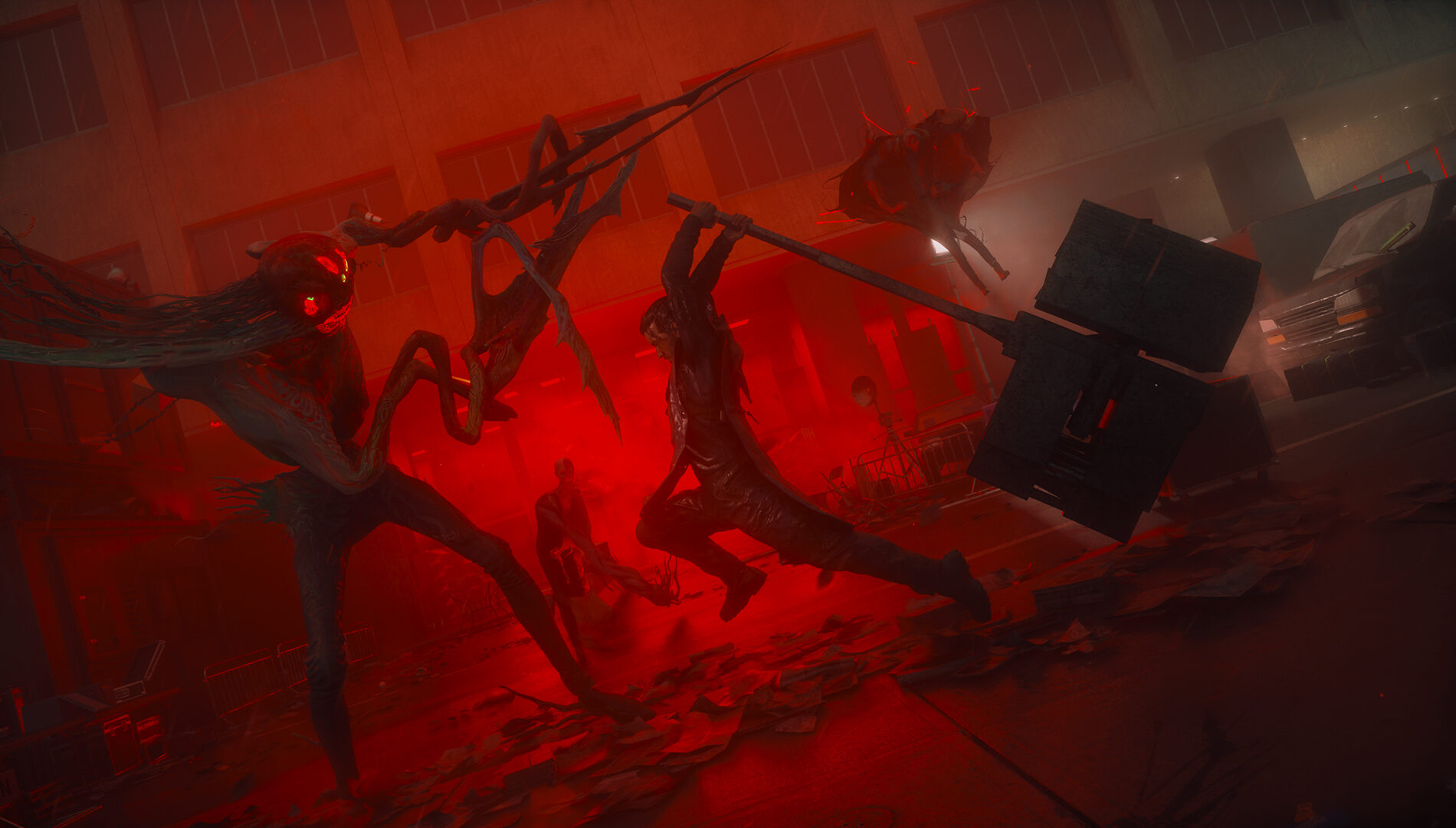
Combat builds around a three-slot loadout configured before a fight. The slots together define how a build flows from opener to crowd control to finisher.
Slot | Function |
|---|---|
Primary Aberrant Form | Basic-attack engine. Drives light strikes and the entry point for most combos. |
Secondary Form | Carries special and charged strikes. A heavier or longer-range tool that swaps in mid-combo. |
Combo Ender | Finisher slot. The high-impact close that caps a combo or knocks down crowds. |
The shapeshifting weapon at the centre of all three slots is the Aberrant, which transforms between forms such as a heavy hammer, dual blades, a scythe, a whip, and bare fists. Different loadouts pull different combinations into the slots, so two players can field very different combat feels from one weapon.
Combo Economy
Combos are not just damage. Stringing strikes together generates a combat resource the player spends on special abilities, so extending a combo unlocks the bigger tools rather than piling on hits. Specials carry stun and execution properties: landing one on a vulnerable enemy can trigger a contextual execution, and executions grant temporary melee damage buffs that loop back into the next combo.
The intended cycle: build resource with the primary form, spend it on a stun-capable special, convert the stun into an execution, ride the buff into a longer follow-up, and close on the combo ender.
Powers Mesh with Combat
Aberrant strikes share the screen with Dylan Faden's parautilitarian abilities. Force-push, remote explosions, deployable offensive shields, and throwable turrets layer into combat alongside weapon work. A sequence might open by force-pushing a cluster, continue with weapon hits, interrupt with a remote explosive, and finish with a shield slam or a turret toss.
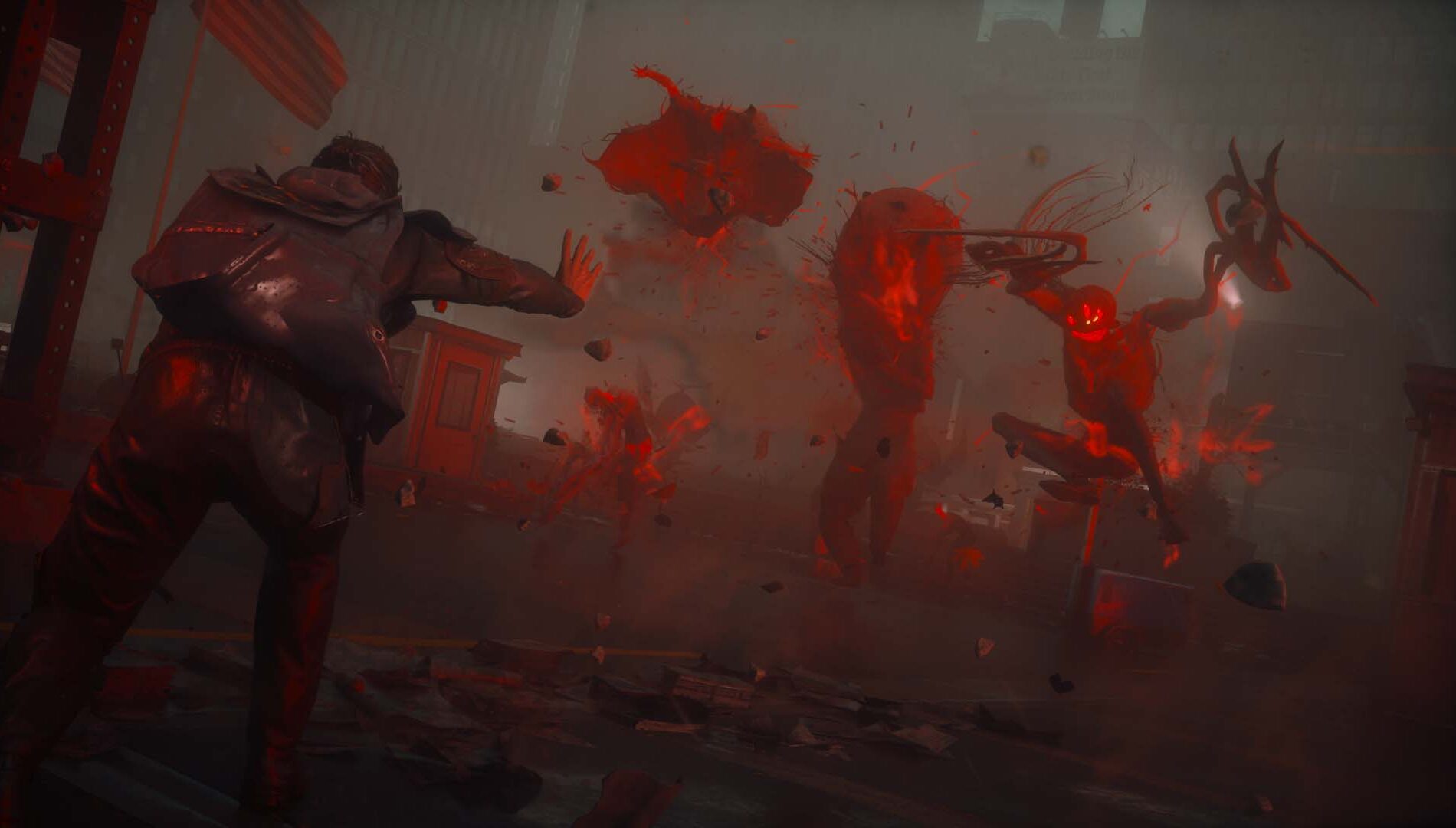
Progression runs through talent trees with deliberately exclusive choices. Picking one branch closes off another, so a single playthrough cannot unlock everything. Build specialisation around status effects (stuns, knockdowns, elemental reactions) is one of the explicit shapes the talent system pushes toward.
Aggression Loop
Remedy positions the combat loop around the phrase "aggression fuels power." Landing melee strikes refills Dylan's Combat Ability resource, which is the meter that pays for his supernatural abilities. Spending that meter does two things at once: it deals damage and it stuns enemies, opening windows for executions that, in turn, grant a temporary buff to melee damage. The intended pattern is a forward-pressure rhythm where each layer feeds the next: basics build the meter, specials open enemies up, executions reward the kill, and the buff carries momentum into the next combo string.
Falter and Executions
The stagger layer of that loop has a name. Every enemy carries a Falter meter, shown as a yellow bar sitting beneath its red health bar. Attacks and abilities fill it, and when it tops out the enemy is opened for an execution, triggered on a dedicated input rather than as an automatic finisher. Because executions grant the melee damage buff described above, Falter is the hinge between the two halves of the loop: it converts sustained pressure into a burst window instead of letting damage accumulate flatly. Some talents modify Falter directly, adding Falter damage to particular attack types rather than raw damage.
Shown in the gamescom Demo
The first public build, shown at gamescom in August 2026, put several combat abilities on screen by name for the first time. A post-kill damage buff called Dominance, a fire ability called Ignite, and a rock barrage called Barrage, which raises Falter damage rather than health damage, were all mapped to separate inputs alongside the Aberrant's melee strings. The demo also showed fighting continuing across reoriented surfaces: the player shifted gravity mid-encounter to walk on the walls of an arena and strike targets that could not be reached from the floor. These names come from a single demo showing and have not appeared in first-party written material, so treat the roster as partial rather than final.
Dodge, Not Parry
Resonant has a dodge but does not have a parry. Remedy has stated this on the record more than once, framing the choice as a refusal to make defensive reads the main beat of combat. The intent is for Dylan to stay on the offensive, route through groups of enemies with movement rather than counter-windows, and treat dodging as the way to keep that loop alive. The studio has also publicly distinguished Resonant from Soulslike combat, calling it "push-forward, action-driven, aggressive-playstyle" instead.
Build Pillars Beyond the Weapon
The combat loop is the centrepiece, but two off-screen systems shape how each fight plays out. Artifacts are equippable items with passive modifiers that adjust survivability, resource economy, and how the player interacts with combat resources. The Gap is the diegetic menu space inside Dylan's mind, the place where artifact crafting, talent allocation, and Aberrant configuration all live. The combat loop is the leading face of the build, but the artifact and talent layers are where the player tunes how it feels.
New Game Plus extends the same build pillars. Per Remedy's late-April 2026 disclosure, New Game Plus carries over Aberrant upgrades, health and combat-resource improvements, supernatural abilities, talents, and artifacts; only traversal abilities reset. The artifact slot count also expands from three to four, which directly widens the space the combat loop pulls passive modifiers from.
Aggressive by Design
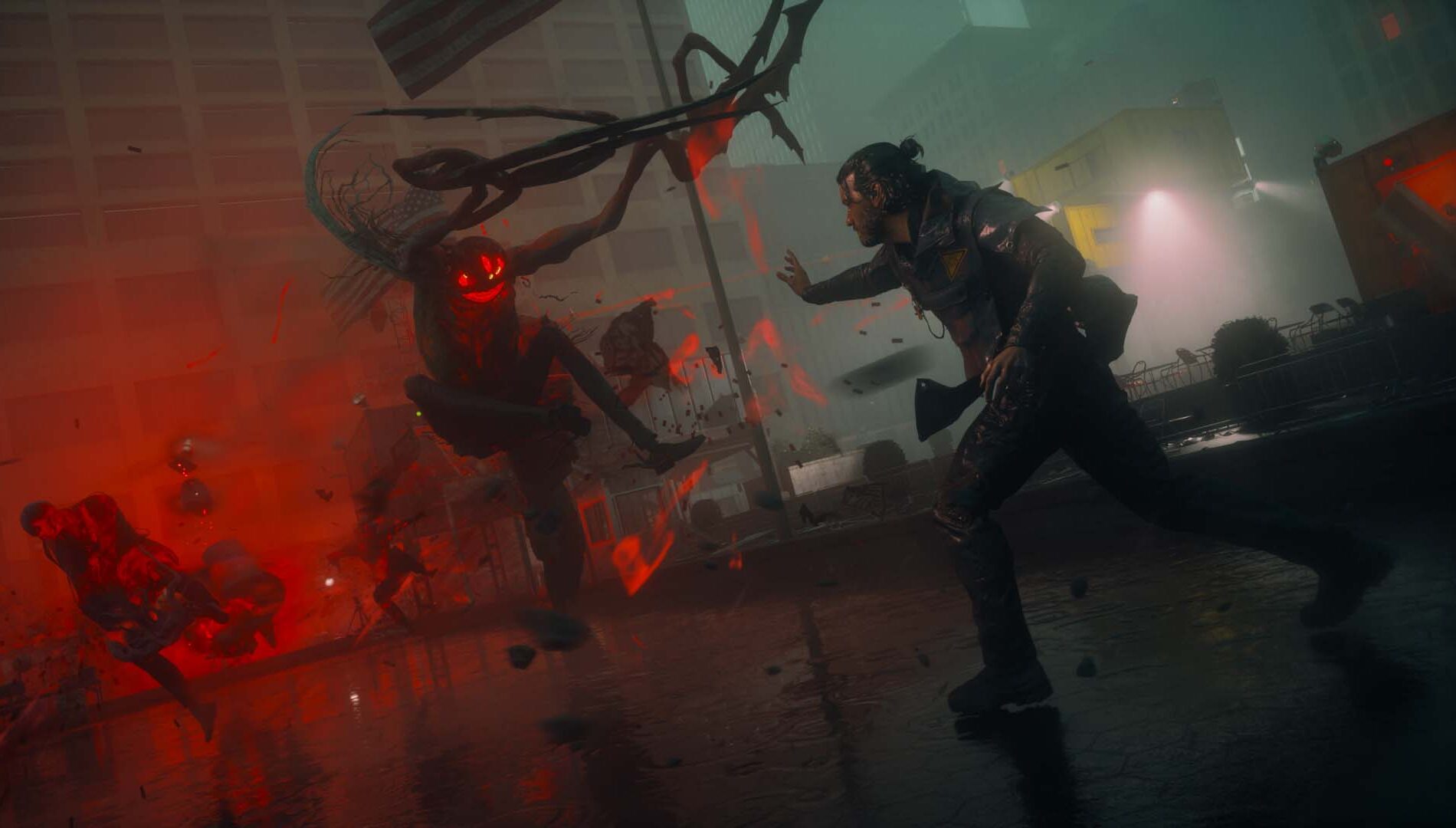
The system is tuned for forward pressure. Remedy has stated the philosophy directly: leap into the middle of enemies, keep doing things, keep using abilities, rather than camping cover. The combo economy reinforces that mechanically. Resources only build while striking, executions only trigger inside melee range, and the buffs only matter if the player keeps swinging.
Why it Replaces the Shooter
Resonant's melee system replaces the original Control's third-person shooter framework wholesale rather than sitting alongside it. Combat is now built around a single shapeshifting close-quarters weapon and a deeper power kit, with the player's centre of mass moved from mid-range to inside enemy reach. Remedy assembled the largest dedicated gameplay team in studio history for this system. The rest of the game, including Manhattan's zone design, is built to feed it.
Unconfirmed Details
Several specifics were still undisclosed as of 12 September 2026, twelve days before release, and should be treated as open questions:
Dodge invincibility frames, parry timing windows, and stagger thresholds.
Specific combo names, input strings, and the full list of combo enders.
The complete roster of named bosses.
The full list of parautilitarian abilities and talent branches.
Difficulty modes and accessibility options.
See also the Overview, the Aberrant weapon page, and the Dylan Faden character page.