
Loading...
Loading...
Aberrant
September 27, 2026 at 06:02 AM
Added the released game's three primary and three secondary Aberrant forms, Combo Finishers, Living Shards, Aberrant Strength and hotfix changes, and Reset Item respecs; converted pre-release framing to post-launch
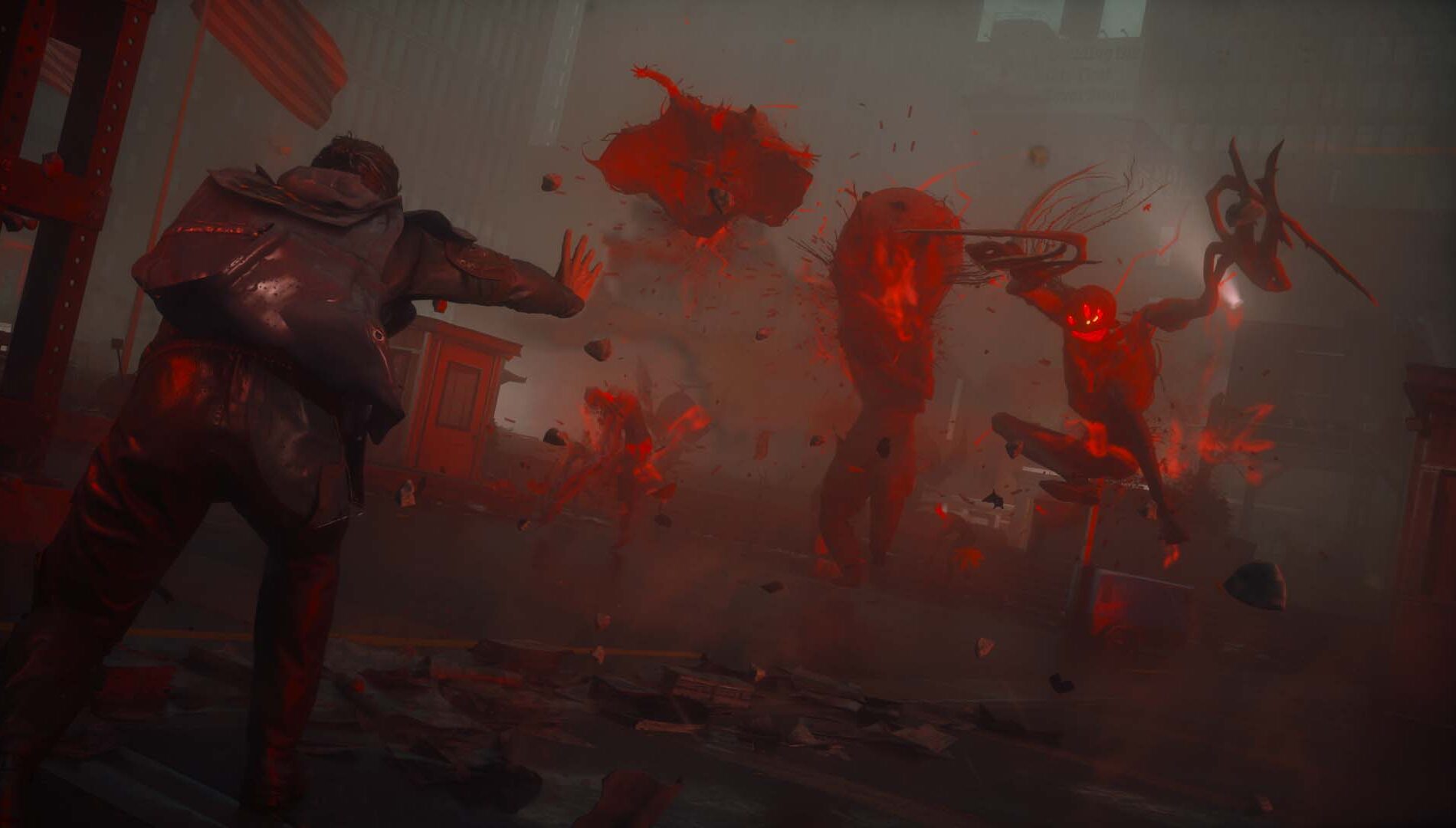
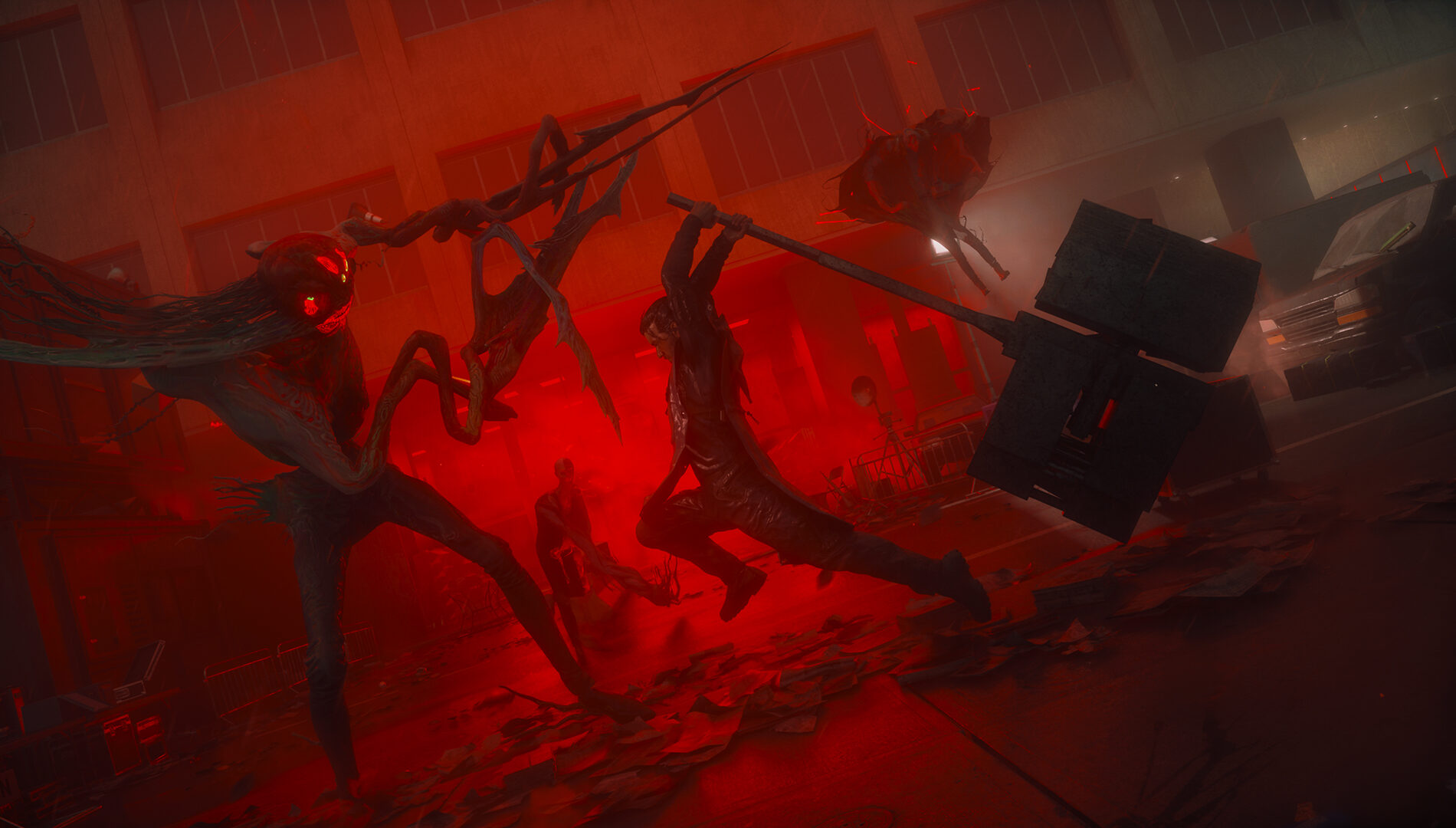
The Aberrant is Dylan Faden's signature weapon in Control Resonant. It is a single shapeshifting close-quarters armament that flows between distinct melee forms mid-fight, letting one weapon do the work of a small loadout. Because Resonant is a melee combat game first, the Aberrant is not a sidearm. It is the primary tool Dylan brings to almost every encounter. For a wider sense of where it fits in the game, see the Overview.
Five forms had been shown in first-party material before release, and they are listed in the table below. The released game, out since September 24, 2026, has six named forms in two groups of three, covered in the section after this one; reviews of the finished game published on September 18, 2026 used several other names for the same shapes, covered in the section on forms named in coverage.
Form | Profile |
|---|---|
Hammer | A heavy two-handed form built around weighty, slow swings and high impact per hit. |
Dual Blades | A pair of short blades for fast, close-range strings of attacks. |
Scythe | A reaching form with a curved cutting edge, suited to wider arcs through groups of enemies. |
Whip | A flexible form that extends Dylan's reach and lets him pressure enemies from outside their guard. |
Fists | A bare-handed form for unarmed strikes. |
Remedy's written material names five forms; the released game has more. One of them had been seen repeatedly before launch: the June 2026 hands-on build offered a Drill as a secondary form, described there as a directed, sustained-damage weapon, and the playable build shown at gamescom in August 2026 had the weapon take the same drill shape during combat, where demo coverage describes it building a purple gauge that adds Falter damage. The table above keeps to the first-party standard the five forms meet; guides to the released game list the Drill as one of the three secondary forms.
In the released game the forms come in two groups of three. At the very start the player picks one primary form, and within the first hour, after leaving the Oldest House, one secondary form. The unpicked forms are not lost: guides to the released game say the other four are bought later in the Gap with Living Shards, a currency earned from major quests and sold by vendors. The names below are the ones guides use; Remedy has not published a form list in its own text.
Group | Form | Shape | Profile |
|---|---|---|---|
Primary | Glaive | Scythe | Wide sweeping swings that hit several enemies at once; guides often recommend it as the starting pick for crowds. |
Primary | Cleave (one guide's name) | Axe-like blade | An all-rounder with a damage bonus for striking from behind, which the June 2026 hands-on build also showed. |
Primary | Dual-dagger form | Two daggers | Fast strikes with a raised critical-hit chance. The June 2026 hands-on build called this slot Flurry; guides to the released game disagree on its name, so the released game's name for it is not yet recorded on this page. |
Secondary | Crush | Hammer | Slow, heavy blows that deal a lot of Falter and break shields; a common pick against stronger enemies. |
Secondary | Extend | Whip | Long reach that can hit several enemies. |
Secondary | Drill | Drilling spear | Sustained, directed damage; one guide notes that its first upgrade lets it inflict the Weakened status, which helps against bosses. |
By shape, these map onto the pre-release first-party forms: the Hammer is Crush, the Dual Blades are the dual-dagger form, the Scythe is the Glaive and the Whip is Extend. No guide to the released game recorded here lists the Fists as a selectable form. Each form deals Blunt, Sharp or Raw damage, according to guides; Blunt damage is the type that breaks armour and helps against enemies that resist staggers. One guide adds that forms are swapped outside combat from the loadout.
A Combo Finisher adds a finishing move to the end of the primary form's three-hit combo. One is equipped at a time from the loadout, and they are bought in the Gap with Living Shards, at the metal pillar that also holds the Aberrant upgrades. One guide counts six, among them Concussive Beatdown and Wide Edge, and puts the unlock at Aberrant Strength 15.
Buying Aberrant upgrades in the Gap raises Aberrant Strength. Since the launch hotfix 1.3.3 of September 24, 2026, the English interface shows it as "Damage and Falter X%" (it previously read "Multiplier X%"), and the same hotfix raised the maximum Aberrant Strength on a curve, with progressively larger increases toward the end of the game. Three Steam achievements track this layer: Astral Construction ("Purchase an Aberrant Upgrade."), Astral Potency ("Reach Aberrant Strength 100.") and Astral Adept ("Max-out any Aberrant Form.").
Aberrant upgrades can be respecced in the Gap by spending a Reset Item. Reset Items are sold by vendors in limited numbers, and the hotfix made respecs permanently cheaper and stocked more of them at all vendors.
Reviews of the finished game and reports on the two hands-on builds name more shapes than the confirmed table. The names differ from one report to the next, and Remedy has not published a full roster, so the list below records what pre-release reports and reviews called the shapes; the names guides use for the released game are in the section above. Reviewers also assign the same shapes to different roles: one review pairs dual blades, a cleaver and a scythe with light, medium and heavy attacks, while another describes choosing a spear and later a hammer as the heavy weapon and a scythe-like glaive as the light one.
Form as Reported | Where It Was Seen | Notes |
|---|---|---|
Dual blades | June 2026 hands-on build, gamescom demo, reviews | Fast strikes with a critical-hit bonus; the demo's first form. Matches the confirmed Dual Blades. |
Scythe or glaive | June 2026 hands-on build, reviews | A wide swing for groups. One review calls it a scythe-like glaive, and guides to the released game call the scythe form Glaive. |
Cleaver or axe | June 2026 hands-on build, reviews | Single-target damage, with a bonus for striking from behind in the June build. |
Hammer | Reviews, first-party prop post | A slow, heavy two-handed swing. Matches the confirmed Hammer. |
Spear | One review | Named as a heavy-slot choice by a single reviewer. Guides describe the Drill as a drilling spear, which may be the same shape. |
Drill | June 2026 hands-on build, gamescom demo, reviews | A sustained, directed damage form that builds Falter quickly; see above. |
Whip or chain staff | June 2026 hands-on build, reviews | A long-reach secondary form. Matches the confirmed Whip. |
The June 2026 hands-on build also used slot names rather than shape names: Flurry, Slash and Slice for the primary pool and Crush, Drill and Extend for the secondary pool, with a third pool for combo finishers. Those labels come from a single platform-holder report on a pre-release build. Crush, Drill and Extend match the secondary forms guides list for the released game; the primary labels differ (guides use Glaive and Cleave), and the released game's name for the dual-dagger form is not yet recorded on this page.
Forms can also carry enhancements. A hands-on with the finished game describes the primary and secondary forms taking status effects, burn and infect, and perks such as shorter cooldowns and more combo-finisher damage, and a review adds that secondary forms can be charged to deal Falter damage. Reviews describe Burning and Infected as accelerating the Falter meter, so an enhanced form shortens the path to an execution. The ability index that sits alongside the weapon is on the Abilities page.
The Aberrant is configured as a small loadout of forms rather than one default form. A typical setup uses three roles at once.
Slot | Role |
|---|---|
Primary form | Handles basic attacks and the bulk of normal combat output. |
Secondary form | Covers special and charged attacks the primary form is not built for. |
Combo ender | Used as a finisher at the tail end of strings to close out a combo. |
Combos do more than push damage. They also generate the resources Dylan spends on his special abilities, so consistent string play feeds back into the wider toolkit. Specials in turn can stun enemies and open windows for executions, and those executions grant temporary damage buffs that carry into the next string. The intended loop is that basic attacks build resources, specials open enemies up, executions reward the kill, and the buff carries momentum into the next fight.
Public descriptions of the Aberrant lean into one phrase: raw, crude, and to the point. It is not styled as a polished signature weapon. Function comes before form, and the look of each shape follows from the job it is meant to do in a fight rather than from a decorative brief.
The hammer form has also been built as a physical object. On September 16, 2026 Remedy shared a making-of video for a full-size Aberrant hammer prop produced by an outside props workshop; the prop's weight of close to 100 kilograms is a property of the replica, not a game statistic.

The Aberrant is one of three pillars in a Resonant build. The weapon itself carries the moment-to-moment fighting, while artifacts supply passive modifiers that shape survivability, resource economy, and exploration, and The Gap holds both the talent tree and the Mural where the supernatural abilities Dylan layers on top of his combos are equipped. Switching forms on the Aberrant changes how each combo flows, but the same set of artifacts and abilities continues to back the loadout from the menu side.
For deeper coverage of the combat loop the Aberrant feeds into, see the Melee Combat page.
New forms are not handed out at fixed story beats. The first primary and secondary forms are chosen near the start of the game, and guides to the released game say the remaining four are bought in the Gap with Living Shards, which come from major quests and from vendors. Defeating Resonants, the major boss enemies the game takes its name from, rewards a choice of combat abilities rather than a new form. One guide advises spending early resources on the forms already chosen, since upgrades to existing forms are cheaper than unlocking new ones.
The Aberrant is not a piece of equipment Dylan picks up off a shelf. In the story material published before release, Jesse Faden's last act as Director was to pierce his chest with the weapon, embedding it in him so that the Board, the entity at the heart of the Federal Bureau of Control, can speak through it. From that point on the Aberrant is a bridge as much as a tool: it is the conduit through which Dylan receives Board direction in the field, and the shapeshifting weapon he then turns on whatever has spilled out of the Oldest House into Manhattan.
Remedy's art direction takes the Aberrant in a deliberately rough direction. Public descriptions point at a homemade jeweller's anvil pulled off a flea market table as the visual reference, which is why the weapon reads as raw and improvised rather than as a polished signature item like the Service Weapon it replaces. The shapeshifting is mechanical, not magical: each form is a different working tool the Aberrant becomes when Dylan needs it.
The Aberrant is the spiritual successor to the signature weapon of the first Control. Where that earlier weapon was ranged and shifted between firearm modes, the Aberrant is melee and shifts between close-quarters forms. The role is the same, the genre wrapping is different, and that single change captures most of what separates Resonant's combat from its predecessor's.
The following were not covered by first-party material before release and have not yet been checked against the released game:
How every shape name used in reviews maps onto the names the game itself uses, and the in-game name of the dual-dagger form in particular.
Specific stat tuning, including damage values and scaling.
Whether the Aberrant uses any kind of durability, condition, or repair system. Remedy has not published one; this page will add it from the released game.
Exact combo lists and input strings for each form.
Charge timing and frame data for special and charged attacks.
These will be filled in as the released game is documented. Until then, this page sticks to what has been shown and avoids guessing at numbers.