

Collectibles are physical items in Paralives that Parafolk can gather around the open world and either keep, sell, or donate to the town Museum. The collectibles loop is one of the launch-day systems that gives Live Mode a steady set of optional, repeatable goals: walk a familiar path, look for items, dig up chests, and bring the loot back to the museum for milestone payouts.
Collectibles span several categories. Some are found by exploring on foot, some are dug up with a shovel, some are dropped during scheduled events, and some are purchased outright from town shops. All of them eventually route into the same museum donation system, where they are tracked by category and rewarded with milestone payouts in paradimes.
Collectible Categories
The launch build tracks the categories below as separate donation tracks. Each category has its own milestone ladder inside the museum donation box, so completionist Parafolk who chase a single category get a clear progression path, and casual donors can drop in occasional contributions across several categories at once.
Category | Confirmed Examples | Acquired Via |
|---|---|---|
Mushrooms | Pine mushrooms gathered from woodland plots | Foraging in the woodland area and other natural lots |
Gemstones | Amethyst and other named crystals | Digging in marked plots around town, plus occasional purchases at the marketplace event |
Ores | Metallic ores excavated in dig sites | Digging in marked plots, plus the buried-treasure hunt |
Paintings | Donated paintings including Woman Combing Her Hair | Created through the painting hobby, purchased at antiques, or awarded as goal payouts |
Historical Relics | Recovered artefacts and small antique items | Recovered from buried-treasure chests during the weekly hunt |
Art Pieces | Sculptures and one-off art objects | Purchased at antique stores or recovered from events |
Buried Treasure Finds | Items pulled from bright-red treasure chests | The weekly Buried Treasure hunt event |
These categories overlap with several other launch systems. Mushroom foraging counts as a Hobbies activity and feeds into related Skills and Knowledge progression. Painting falls under the painting hobby and feeds into the same skill bar, but the resulting canvases also count as donatable collectibles. Treasure-hunt finds are tracked separately from mushrooms and ores even though all three are excavated, because the buried-treasure hunt is a scheduled town event rather than a free-roam activity.
How Collectibles Are Acquired
Foraging
Foraging is the casual way to pick up collectibles. Pine mushrooms and other ground items spawn at natural lots, including the woodland area. Parafolk can walk past a spawn and interact with it to gather the item; no tool is required. Foraging is low-effort and works well during routine open-world walks between home, work, and the museum.
Foraging spawns reset over time, so a household that revisits familiar woodland plots after a few in-game days finds fresh items. The cadence is friendly to short play sessions: a quick walk during lunch break or after work usually picks up at least one item without disrupting the rest of the day.
Digging
Digging requires a shovel. Marked plots around town reveal collectibles when dug: usually gemstones, ores, or rare relics. Dig spots regenerate over time, so a household can revisit familiar plots after a few in-game days and find fresh items. Some dig spots also produce buried-treasure chests during the weekly event window, though chests use the dedicated treasure-hunt loop rather than the standard dig drop table.
Digging can also be done with bare hands at smaller dirty spots. Bare-hand digging yields smaller items but does not require any tool, which makes it accessible to Parafolk who have not yet bought a shovel. Both dig methods use the same animation family, with subtle variations to distinguish them on screen.
Purchasing
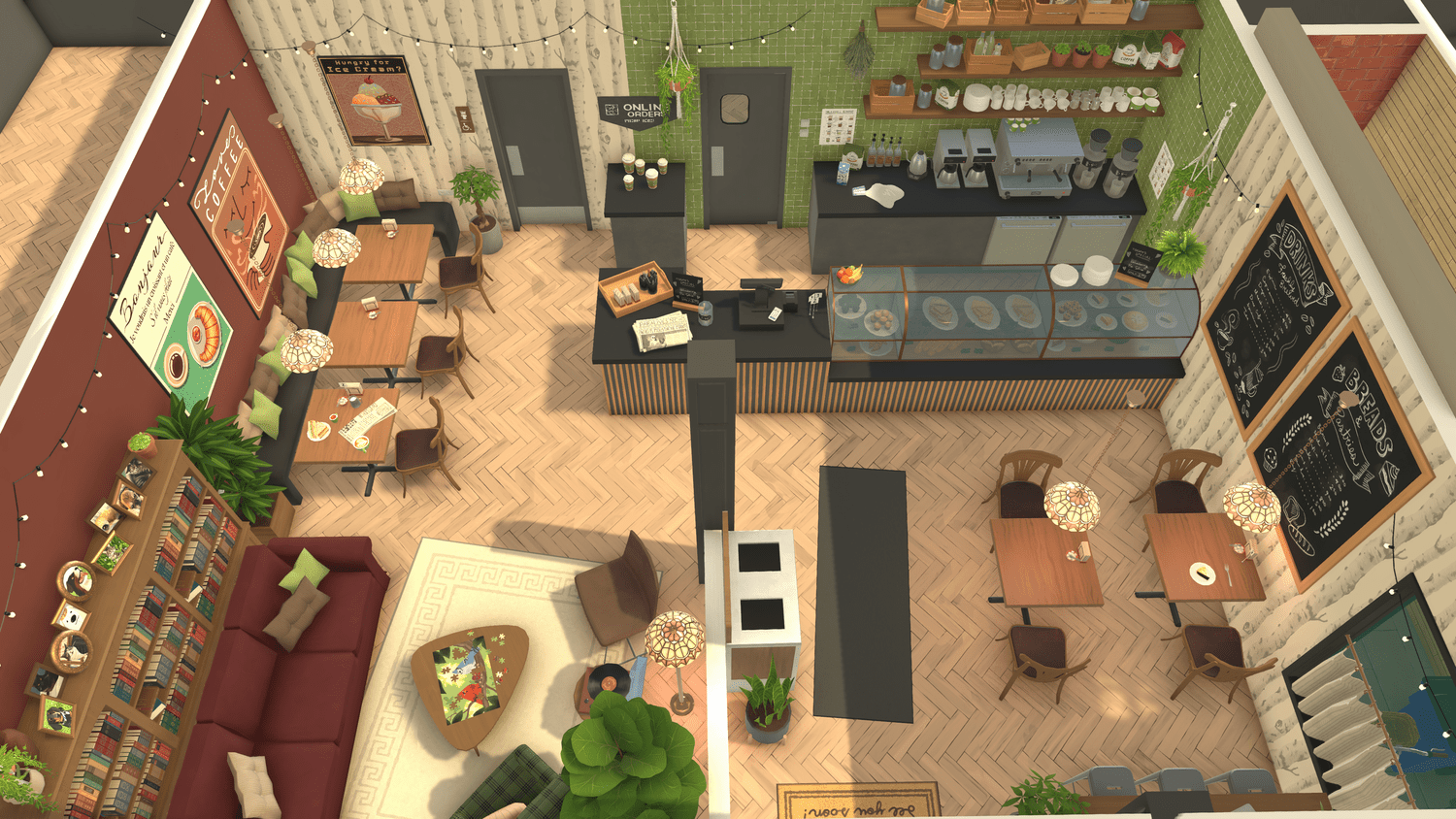
Several collectibles can be bought directly. Antique items sold at the Market Antiques shop, paintings put up for sale at Shopping venues, and stalls at the Sunday marketplace event all stock items that qualify as collectibles. Bought items can be displayed at home or donated to the museum exactly like found items.
Buying versus finding is a trade-off. Buying a collectible costs paradimes up front but guarantees the donation milestone progress. Finding one requires time spent walking the open world but is free. Players running tight household budgets typically lean on foraging and digging; players who already have stable career income can shortcut the loop by buying items outright.
Town Events
Scheduled Town Events regularly hand out collectibles. The weekly buried-treasure hunt drops historical relics into chests around town and the castle exterior. The Sunday marketplace event includes oddities stalls that sell rare items. The astronomy club at the park mountaintop sometimes yields themed memorabilia tied to skills progression.
Park yoga sessions also occasionally surface mood-related collectibles that pair with the fitness skill. The full town events calendar runs across most days of the week, so any household that sticks to a routine routinely walks past at least one collectible-generating event.
Museum Donation Flow
Donating a collectible is a single interaction. A Parafolk carrying a qualifying item walks up to the museum donation box, drops the item, and receives a confirmation that it has been added to the museum's permanent collection. Donated items leave personal inventory and are sorted into their tracked category. Once enough items in a category have been donated, a milestone fires.
Milestone Step | Reward Type |
|---|---|
First donation in a category | Small paradime payout and donation tracker unlock |
Intermediate milestone | Larger paradime payout and exhibit display upgrade |
Category completion | Largest paradime payout and permanent display case |
The exact paradime amounts vary by category and item rarity. Higher-tier items contribute more progress per donation, so a Parafolk who specializes in a single category can hit milestones faster than one who spreads donations across all of them. Milestone rewards stack with other launch-build income streams from Careers and Shopping resale opportunities.
Goals and Newspaper Hooks
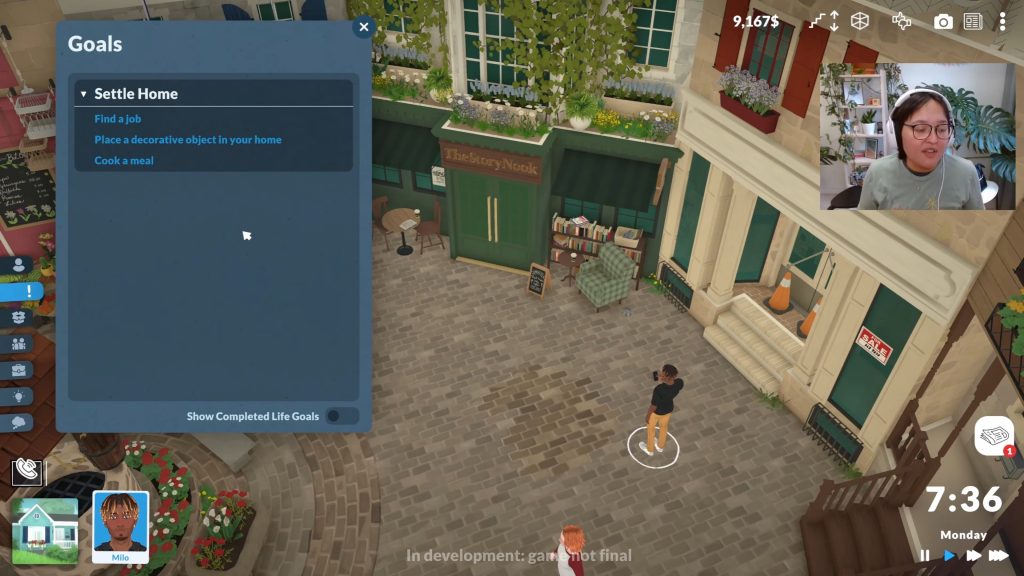
Collectibles tie into Goals in two main ways. The first is direct: completing a donation category triggers a goal completion that pays out additional rewards. The second is opportunistic: The New Paper regularly publishes opportunities that ask the household to bring specific items to the museum, granting paradime bonuses or goal credit on top of standard milestone payouts.
These newspaper-driven side opportunities often pair an existing hobby with a museum donation, giving the household a path through several launch systems in a single day. Reading the morning paper, foraging an item on the walk to school, finishing the work shift, and dropping the item at the museum after dinner becomes a clean Live Mode routine that touches collectibles, careers, transit, and the goals layer all at once.
Display and Storage
Collectibles do not have to be donated. Households can keep items at home and display them on shelves, mantelpieces, and themed furniture from Furniture and Decor. Mushrooms can sit in jars, gemstones can fill display cases, and paintings can hang on walls. Displayed collectibles add personality to a build and feed into the broader customization story alongside Build Mode choices. Households can also choose to display some items and donate others, splitting their finds between personal collection and museum contribution.
Buried-treasure finds work slightly differently. Recovered chest items unlock new pieces in the Build Mode catalog regardless of whether they are donated. So a household can keep the displayed copy at home and still donate duplicate copies to push the museum milestone, while the catalog unlock applies to either choice.
Out of Scope at Launch
A few collection-style activities are not part of the Day 1 build. Fishing is a confirmed post-launch free update and had not shipped through Hotfix 0.1.8b as of September 21, 2026, so it contributes no catches to the museum. Gardening produce is also a post-launch update; gardening-related collectibles, like rare seeds, are not currently part of the donation system. The collectibles loop at launch is built around the foraging, digging, buying, and event-drop sources listed above, with the museum donation box as the central destination.
Several other types of in-world items, such as cooked food, crafted clothing, or generated household items, are not currently part of the collectibles category. Only the seven tracked categories listed above contribute to museum milestone progress as of the Day 1 build.
Tips
Specialize early. Picking one category to chase first lets a household hit the first major milestone faster than spreading donations evenly.
Pair foraging with a commute. Routing a walk from home to work past a known mushroom or dig spot turns daily errands into passive collection runs.
Use Thursdays. The weekly buried-treasure hunt is the single highest-volume collectible source in the launch build; missing it means giving up a week of donation progress.
Decorate with extras. Keep one of each item at home for display before donating duplicates, so the household always has visible reminders of past finds.