

Weather and Its Effects
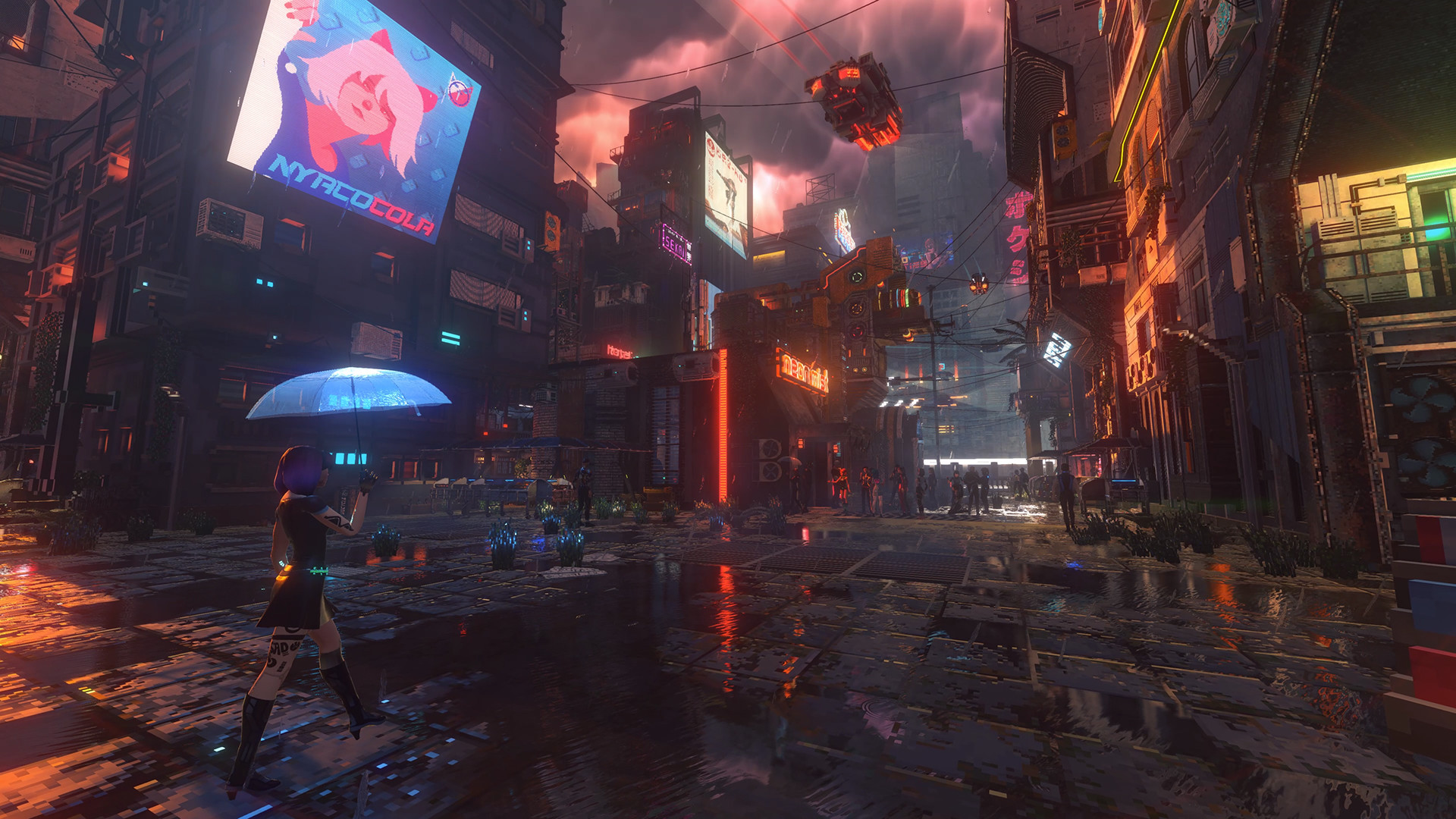
Weather in Nivalis is not just window dressing. It is a full gameplay system that affects your businesses, the behavior of NPCs, energy markets, and your moment-to-moment decisions about how to spend each day. The city experiences a range of weather conditions, from bright sunshine to heavy thunderstorms, and each one changes the dynamics of city life in ways that matter to you as a business owner and citizen.
Weather Types
Nivalis features five confirmed weather conditions. Each one has distinct visual, audio, and gameplay characteristics. Weather changes throughout the day and between days, so you will rarely see the same conditions for long stretches.
Weather Type | Visual Character | Gameplay Impact |
|---|---|---|
Sunshine | Clear skies, warm lighting, the city at its most open and bright. | Standard conditions. Foot traffic flows normally across all areas. Outdoor food stalls and vendors perform at their baseline level. Good for general exploration and errands. |
Rain | Wet streets, reflections on surfaces, a moody atmosphere with overcast skies. | Drives foot traffic indoors. Businesses with indoor seating see increased customers, while outdoor stalls and vendors suffer. Can affect greenhouse-related decisions. Streets are atmospheric but quieter. |
Snow | Accumulates on surfaces and structures. The city takes on a colder, quieter tone. | Significantly reduces outdoor foot traffic. Heating demand increases across the city, raising energy prices. Outdoor businesses hit hardest. Good opportunities for energy trading. |
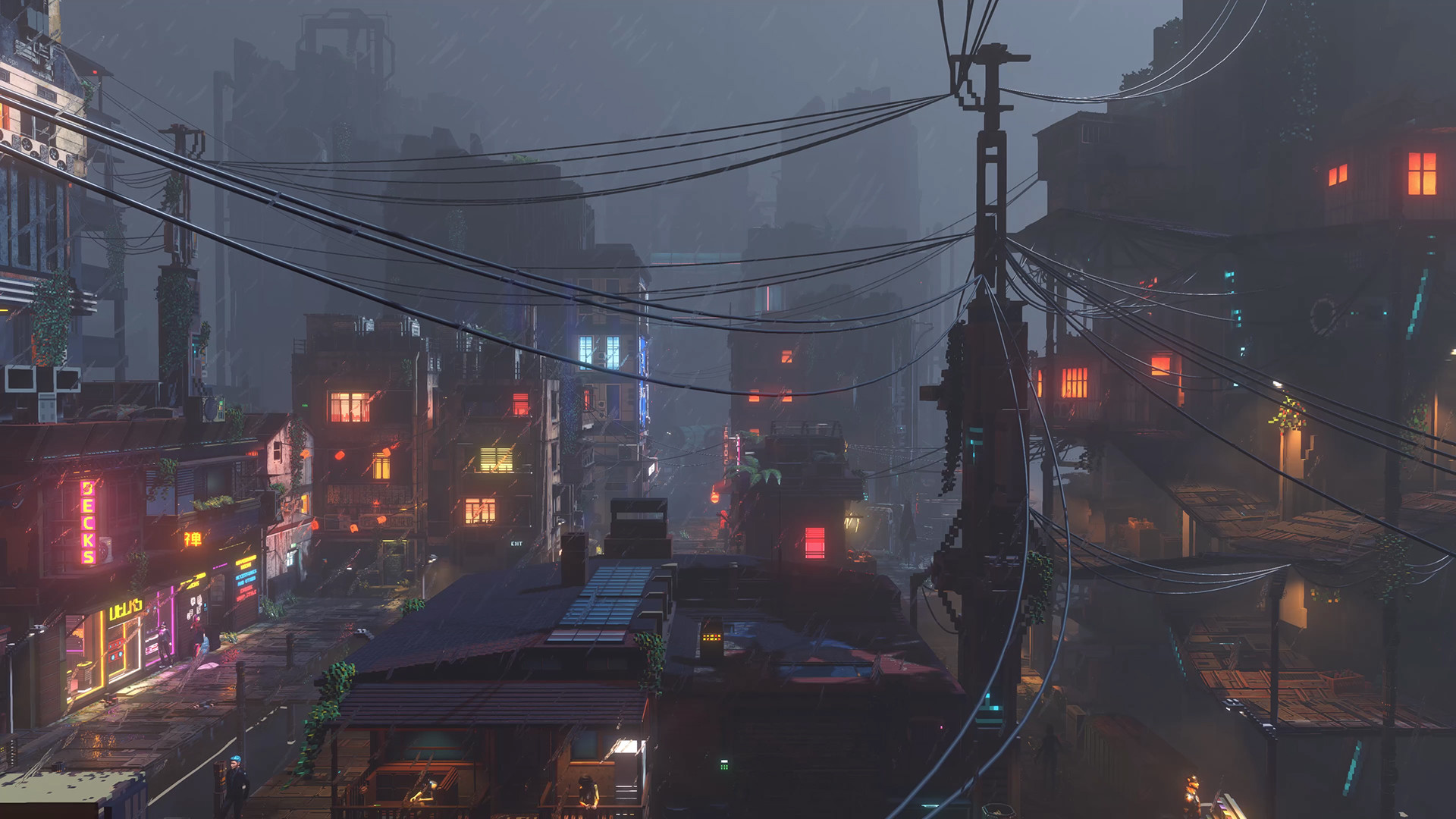
Fog | Reduced visibility, the city feels more enclosed. Lower levels become particularly atmospheric. | Affects visibility on streets and waterways. Boat navigation for fishing becomes trickier. The city feels more mysterious and isolated. Some players use fog days for exploration. |
Thunderstorms | Heavy rain with lightning and wind. The most dramatic weather condition, with strong visual and audio impact. | Strongest negative impact on outdoor businesses. Most NPCs seek shelter indoors. Energy demand can spike. The most extreme weather state, forcing adaptation. |
How Weather Affects Businesses
The core effect of weather on business management is its influence on foot traffic. When heavy rain hits, people move indoors. This is good news if you run a restaurant with indoor seating, because your tables fill up. It is bad news if you are relying on foot traffic past an outdoor food stall. Thunderstorms amplify this effect even further, with most NPCs actively seeking shelter rather than wandering the streets.
Snow has a similar but broader impact. It reduces outdoor movement significantly, and the cold drives up heating demand across the entire city. This does not just affect who walks past your shop; it changes the cost of keeping your own businesses running. Energy bills go up during cold snaps, eating into your margins.
Sunshine, by contrast, brings standard conditions. It is not flashy, but it is reliable. Foot traffic flows normally, outdoor vendors can operate without penalty, and energy costs stay at baseline levels. A stretch of sunny days is a good time to focus on outdoor-dependent businesses and stock up cash reserves before the next weather shift.
Energy Demand and Black-Market Trading
One of the more interesting economic ripple effects of weather is its impact on energy demand. At night, electricity demand spikes as heating systems, lighting, and entertainment venues draw power. Weather amplifies this: snow and cold conditions push heating demand even higher, which in turn raises energy prices across the power grid.
This creates opportunities for players willing to engage in shady black-market energy trades. If you can buy energy at a low price during off-peak hours or mild weather, and then sell it at a premium during a cold snap or a night with high demand, the profit margins can be significant. This black-market energy trading is one of the game's more morally grey side activities, and it ties the weather system directly into the economic layer of the game.
Weather and Fishing
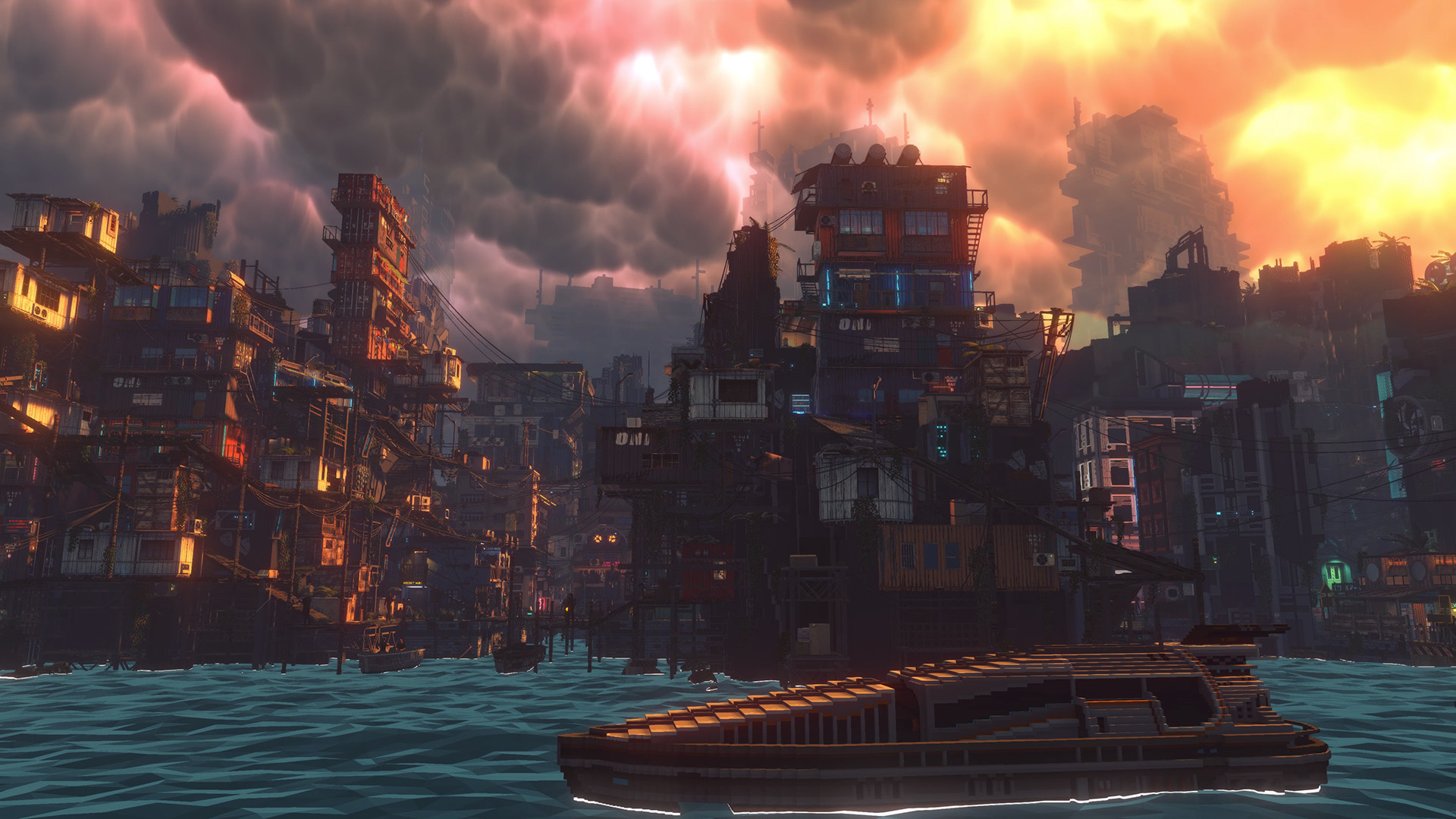
Weather conditions also affect fishing. Fog reduces visibility on the water, making boat navigation harder and adding an element of unpredictability to fishing trips. Thunderstorms can make trips outright unpleasant or risky. Clear days are the safest and most straightforward for fishing expeditions, so planning your docks trips around the weather forecast becomes part of your daily strategy. Pre-release footage shows rain streaking the glass of the boat's helm while it is under way, so wet weather is rendered on the water as well as in the streets.
Weather and Daily Planning
Because weather changes throughout and between days, it becomes a factor in your daily routine. A week of sunshine followed by a three-day rain spell changes how your businesses perform, which ingredients you can source, and how you plan your fishing trips. Learning to read the weather and adapt your plans accordingly is part of the strategic layer of the game.
On rainy days, you might decide to spend time at your greenhouse, adjusting crop settings and tending to your plants, since there are fewer customers to serve at outdoor locations anyway. On clear days, you might prioritize fishing, outdoor vendor operations, and exploring new parts of the city. The weather does not force you into any single activity, but it rewards players who pay attention and plan ahead.
Atmosphere and Immersion
Beyond the mechanical effects, weather plays a major role in the atmosphere of the city. Rain creates reflections on wet streets, neon signs shimmer in puddles, and the sound design shifts to match. Snow blankets surfaces and muffles city sounds. Thunderstorms bring dramatic lighting and rumbling audio. Fog closes in around the lower levels, making the narrow alleys feel even more enclosed.
ION LANDS built the weather system to be both functional and atmospheric. It is one of the reasons the day-night cycle and weather patterns together form what the developers describe as "the rhythm of the game." Each day feels different not just because of what you choose to do, but because of what the city looks and sounds like around you.