
Loading...
Loading...
Unit Types
June 13, 2026 at 11:52 AM
Added June 2026 unit rebalance section: minion survivability, soldier casualty rate, role attribute differentiation, escape speed 60 to 80 percent, hero late-game troop scaling
Strategic battles in Huaxia: Warring States use a tiered unit system layered on top of personal combat. The Early Access build features more than sixty unit types across six tiers, with around one hundred and thirty variants once faction-specific high-tier units are counted. Most playthroughs cycle through several tiers as the clan grows and contests larger battles.
Units progress through six broad tiers of quality, training, and equipment. Lower tiers are quick to recruit and replace; higher tiers cost more food, time, and resources, but win battles a clan would otherwise lose.
Tier | What It Looks Like |
|---|---|
Tier 1 | Conscripted villagers, militias, and freshly-armed levies. Cheap and disposable. |
Tier 2 | Local soldiers with basic drill and starting equipment. The backbone of an early army. |
Tier 3 | Trained line infantry, basic cavalry, and competent archers. The mid-game baseline. |
Tier 4 | Veteran units with disciplined drill and specialty equipment. |
Tier 5 | Elite units. Often need rare equipment, specialized buildings, or veteran retainers to recruit. |
Tier 6 | Legendary or unique units, including faction-specific high-tier formations. |
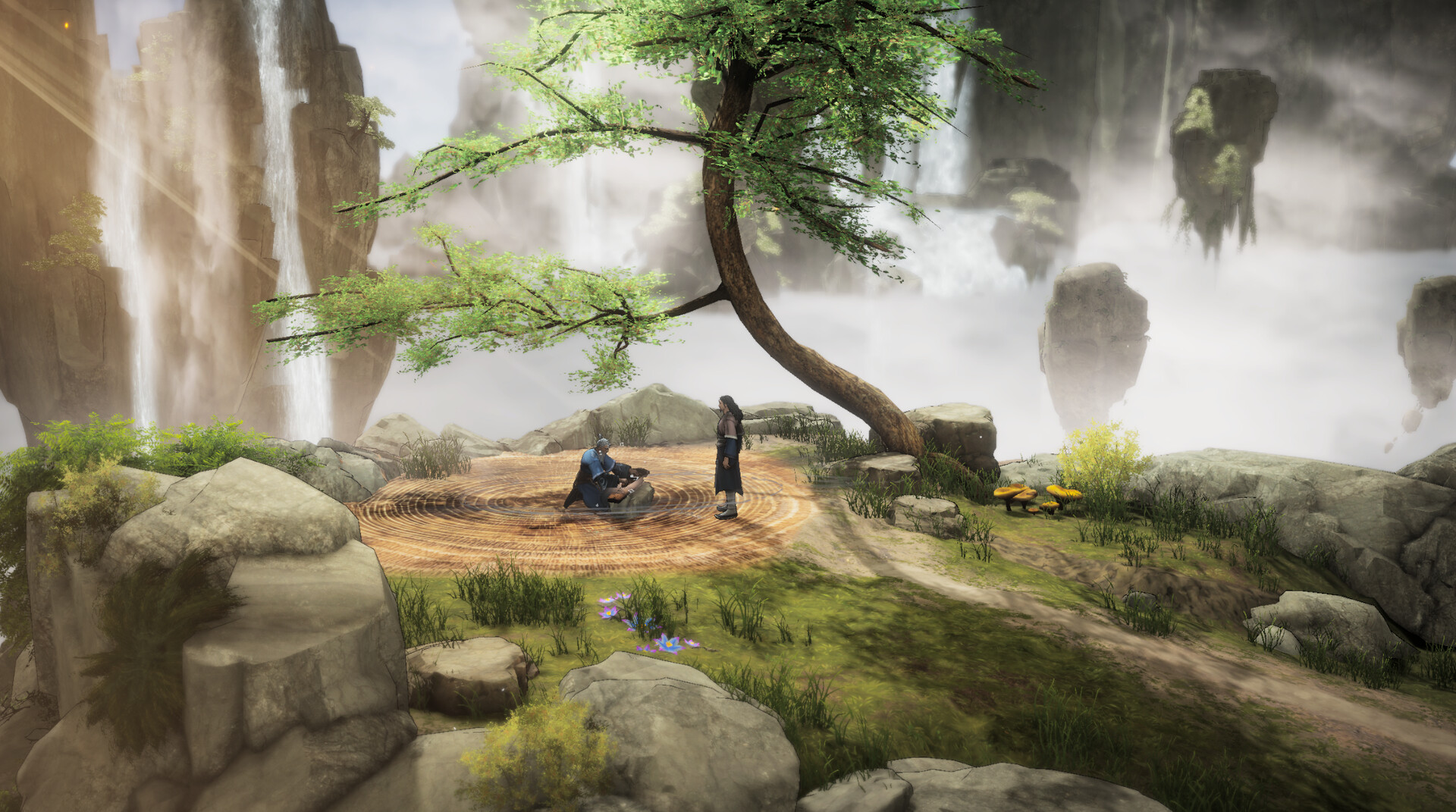
Across the six tiers, units fall into a handful of broad categories:
Category | Role |
|---|---|
Infantry | Sword and spear blocks, shield walls, and heavy infantry. The line-holders of any army. |
Archers | Foot bowmen, crossbows, and longbow specialists. Key for breaking advancing infantry. |
Cavalry | Light scouts, medium shock cavalry, and heavy lancers. Cavalry was added to the build in late Early Access; the unit roster keeps growing. |
Skirmishers and ranged | Javelin throwers, slingers, and harassment units used to soften lines before the main clash. |
Engineers and siege | Battering rams, ladder crews, and siege weapons used against strongholds and walled cities. |
Special and faction units | Faction-specific elite formations and mythological units that define a clan's identity. |
Each of the seven warring factions has access to its own elite high-tier unit roster. Recruiting these usually requires aligning the clan with the faction (through service, marriage, or treaty) and meeting unique resource or building prerequisites. The exact rosters and prerequisites are part of the volatile content set during Early Access; assume they will continue to expand and rebalance.
Units are raised at the clan homestead or in administered counties. Recruitment costs include population, food, equipment, and time. Higher-tier units may also require a specialty building (training hall for veteran infantry, stable for cavalry, forge for crossbow units), a senior retainer in the right role, or a school affiliation that grants doctrinal access.
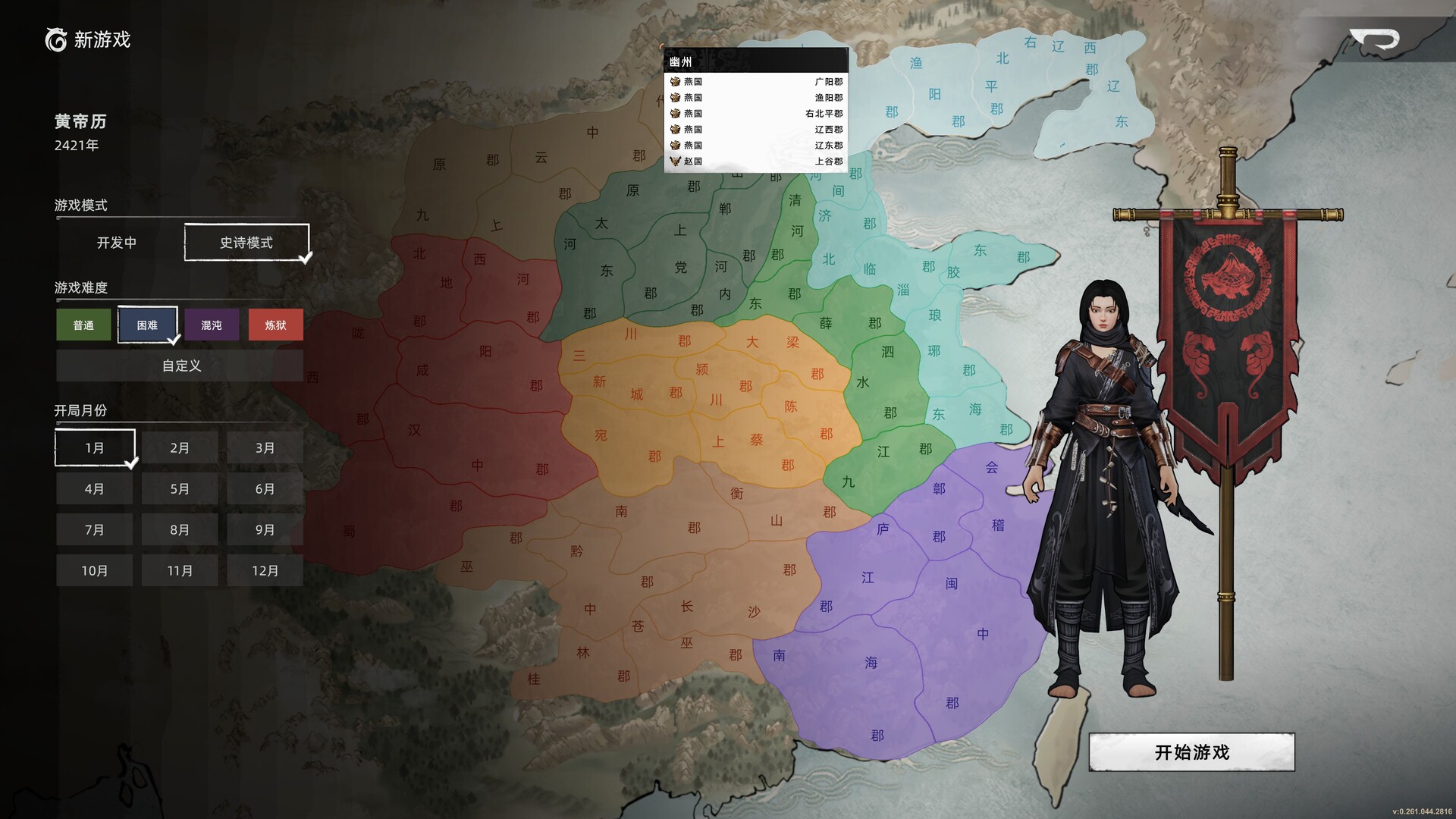
Once recruited, units gain experience through battles. Veteran units retain their drill and equipment between fights, which makes preserving an army across multiple campaigns more valuable than churning fresh levies.
A late-May Early Access update reworked and expanded unit traits, giving each unit type sharper identity on the battlefield. Traits are passive bonuses tied to a unit, and they reward positioning, numbers, and aggression rather than raw stats alone. Several traits key off a broken Stamina bar, so wearing an enemy down before committing is now more rewarding. The developer has said traits will keep being added and tuned in later builds, so the list below is a current-build snapshot rather than a final roster.
Trait | Effect |
|---|---|
Precise Shot | Deals 15% extra damage to targets beyond half of your attack range. |
Heavy Crossbow | Deals 30% extra damage to targets within half of your attack range. |
Brawling | Deals 15% extra damage to targets whose Stamina has been broken. |
Combat Mastery | Deals 30% extra damage to targets with broken Stamina. |
Morale Boost | When your units outnumber the enemy, gain +10% melee damage and +10% ranged damage. |
Last Stand | When your units are outnumbered, gain +5% melee damage reduction and +5% ranged damage reduction. |
Belligerent | On defeating an enemy, gain Fighting Spirit for 5 seconds, boosting tenacity so the unit fights on. |
Blood Mist | On defeating an enemy, gain Phantom Shift for 5 seconds, dodging all incoming attacks. |
Full Momentum | Gain Armor Reinforcement and Fighting Spirit for 15 seconds at the start of combat. |
Irresistible Force | Gain Armor Reinforcement and Fighting Spirit for 15 seconds at the start of combat. |
Head Start | Gain Swiftness for 10 seconds once combat begins. |
Steadfast Defense | When health drops below 30%, gain Armor Reinforcement for 15 seconds. Triggers once per battle. |
Berserk | When health drops below 50%, gain Fighting Spirit and Rapid Strike for 15 seconds. Triggers once per battle. |
Ranged traits such as Precise Shot and Heavy Crossbow pull in opposite directions, one rewarding long-range fire and the other rewarding close-range volleys, so weapons choice and unit placement matter together. Survival traits like Steadfast Defense and Berserk only fire once a unit is already hurt, which makes elite retainers leading those units far harder to finish off.
A June 2026 update reworked how units perform across a whole battle, with the stated goal of making mid- and high-tier soldiers matter in the mid-to-late game instead of being wiped out around stronger heroes. The change set leaned the balance back toward armies and away from a single overpowering character.
The headline adjustments were:
Soldier casualty rate was slowed so rank-and-file troops are no longer cleared off the field by heroes on either side in the later stages of a battle.
Minion (low-tier) units had their health raised at all stages, and spell damage against high-level units was increased, so cheaper troops stay useful and casters can threaten elites.
Mid- and high-level unit damage went up so a hero can no longer trivially trade one-for-a-thousand against quality troops, though a character with strong equipment and high level can still punch above their weight.
Role-based attribute differences were sharpened: front-line shield units became tankier while assassin-type units deal higher damage, making each duty feel distinct from its stat line alone.
Soldier movement speed while escaping was raised from 60 percent to 80 percent.
Hero scaling in the later game was flattened: gaining a level no longer grants an additional twenty-soldier command capacity per level, reducing how fast a single leader can snowball army size.
These are directional changes rather than a published stat table. Exact per-unit numbers remain unlisted during Early Access (see the note below), so this page describes the direction of each adjustment, not the underlying values.
Personal combat uses the five-element, yin-yang, and eight-trigram overlay. Strategic combat inherits a softer version: terrain, weather, and unit type interact through elemental affinities. Ranged units in dry weather, infantry on rocky ground, and cavalry on open plains all see their strengths shift with the world's cosmological state.
Specific unit names, exact recruitment costs, and tier-by-tier numbers are deliberately omitted from this page during Early Access because they continue to shift between patches. Where a number appears in a sub-article, it is timestamped against the build it was last verified against.
Combat System: personal melee, ranged, and the army-scale battle layer.
Five Elements, Yin-Yang, and Eight Trigrams: the cosmological backdrop to combat modifiers.
Conquest: where you put these units to work.
Factions: who fields the elite high-tier unit you want to recruit.
