
Loading...
Loading...
Replicated Entities (RepEnt)
June 4, 2026 at 09:20 PM
Added Repnode deployment stations and clarified Freel terminology (clone asset vs operator)
Replicated Entities, abbreviated RepEnt, are the disposable clone soldiers players remotely operate in Fragmentary Order. The player is not the clone. The player is a Core Era citizen logged in from a secure bunker, projecting their presence into a hostile zone through a body that is built to be expended.
Field | Detail |
|---|---|
Operator | Core Era citizen acting as a controller |
Operation Site | Secure bunker, away from the combat zone |
Deployed To | Contested zones across the Solar System |
Combat Type | Player versus player between human-controlled clones |
Loss Model | Disposable; loss is built into the contract economy |
Framework | Operates inside the CORIE Framework |
The player's seat in the fiction is a chair in a bunker. From there, a Core Era citizen logs into a RepEnt and walks it into a contested zone they would never survive in person. The clone moves where the controller tells it to move and fires the weapon the controller picks; the controller's body stays safe.
The studio frames this as freelance contract labour: citizens accept deployments the way other workers accept shifts, with credits and reputation on the line each time they boot a RepEnt. See Setting: The Year 2251 for context.
In the reveal materials the deployment itself is framed in named in-fiction infrastructure: a citizen's clone asset, referred to as a Freel, is sent out from Repnode stations positioned around the Solar System. The Repnode is the diegetic launch point from which a Core Era citizen pushes a body into a contested zone while staying safe in the bunker. No Repnode locations, capacities, or per-station rules have been detailed beyond the name.
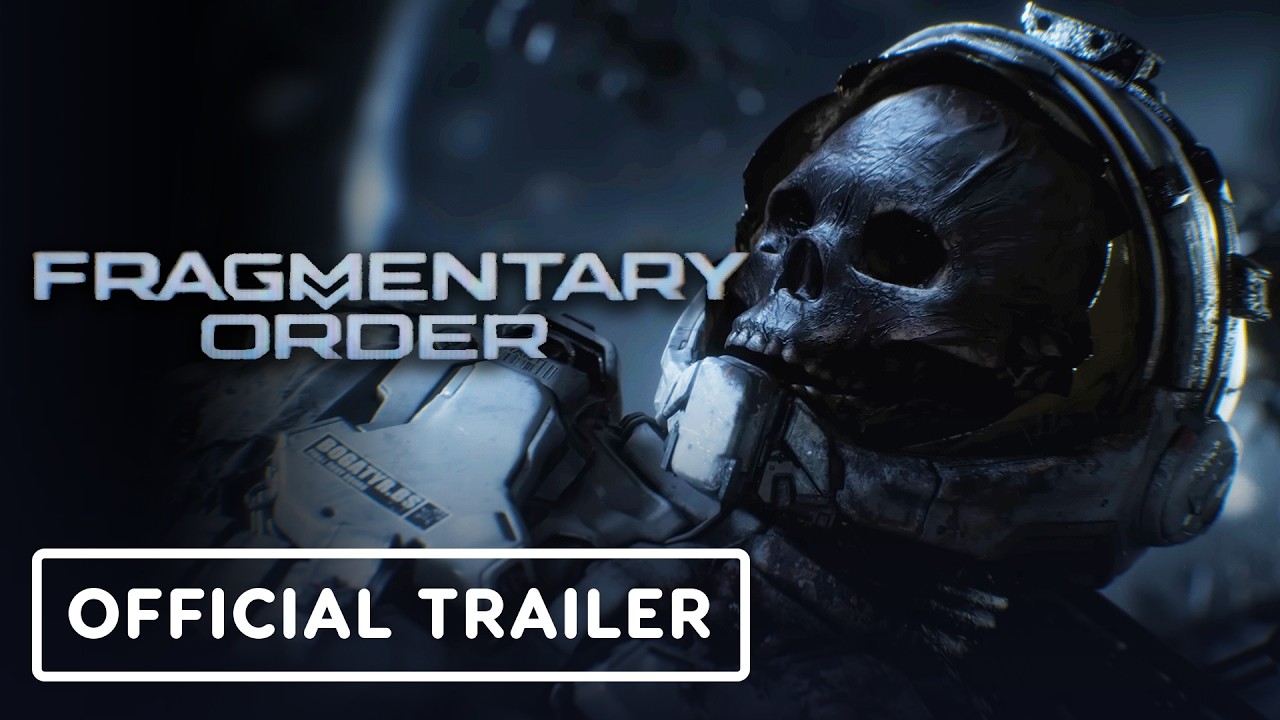
RepEnts are expendable by intent. A clone that does not extract is gone with whatever gear it was carrying, and the controller continues from the bunker without lasting bodily harm; the credit ledger takes the hit instead.
That choice shapes the risk and reward loop. Bringing better gear into a contested zone raises the prize if the RepEnt extracts and raises the bill if it does not. Every clone in the field is also something a rival can take off the controller's hands.
Combat is between human-controlled clones, not players versus computer-driven aliens. Every RepEnt on the map represents a real controller making real decisions, so encounters are unpredictable. The studio has not committed to a fixed match format, team size, or per-zone player count. For the wider loop see Gameplay Overview; for the size and variety of zones see Maps and Scale.
RepEnt deployments are how a player participates in the risk economy run by the CORIE Framework. A clone in a contested zone is a unit of risk in motion. Progression therefore tracks more than kills and loot: it tracks how CORIE rates the work, which factions pay for what kind of pressure, and how the credit flow shifts as the corporate balance changes. The RepEnt is the tool; CORIE is the market.
The bridge between the operator's body in the bunker and the clone in the field is built around an in-fiction VR headset called Blindsight II. In the seven-minute CGI lore trailer released alongside the April 12, 2026 reveal, Blindsight II is presented as the consumer-grade entry point through which Core Era citizens log into the CORIE framework and project their presence into a remote body. The headset is the diegetic justification for why the player's actual hands stay in the bunker while the RepEnt's hands carry the rifle.
Beyond the name and the role, very little has been published about the device: hardware specifications, brand affiliations, software stack, and whether different RepEnt models require different headset firmware are all undisclosed. The term should be treated as fictional in-universe technology that anchors the control mechanic rather than as a confirmed real-world specification.
Terminology around the clone and its controller is still settling. The official reveal materials use Freel for the clone asset itself, the body sent out from a Repnode station, while some secondary coverage has used Freelancer (also shortened to Freel) for the person behind the headset, framing the control loop as freelance contract labor under the CORIE economy. Neither usage has been locked down as a formal in-game role name on the studio's primary channels, so both should be read as provisional pending a final term from the developer.
Significant aspects of how RepEnts work have not been disclosed:
Origin of the clones. Genetic source and production method are unconfirmed.
Consciousness and memory transfer. The fiction for how a controller's input reaches the clone has not been explained.
Named RepEnt models, classes, or chassis variants.
Equipment systems. Whether gear, implants, or augments are tied to the clone or the controller's account is unclear.
Customisation and gender options for the clone.
Penalty model on loss. The exact cost in credits, reputation, or stored gear when a RepEnt fails to extract is unpublished.
