

Weapons are at the heart of Farever. There are no useless weapons in the game, and each one comes with its own moveset along with a collection of four fully unique skills. This makes your weapon choice one of the most important decisions you make in combat, since it directly determines a large part of your skill bar alongside your class abilities. The deeper combat fundamentals are covered under the Combat System.
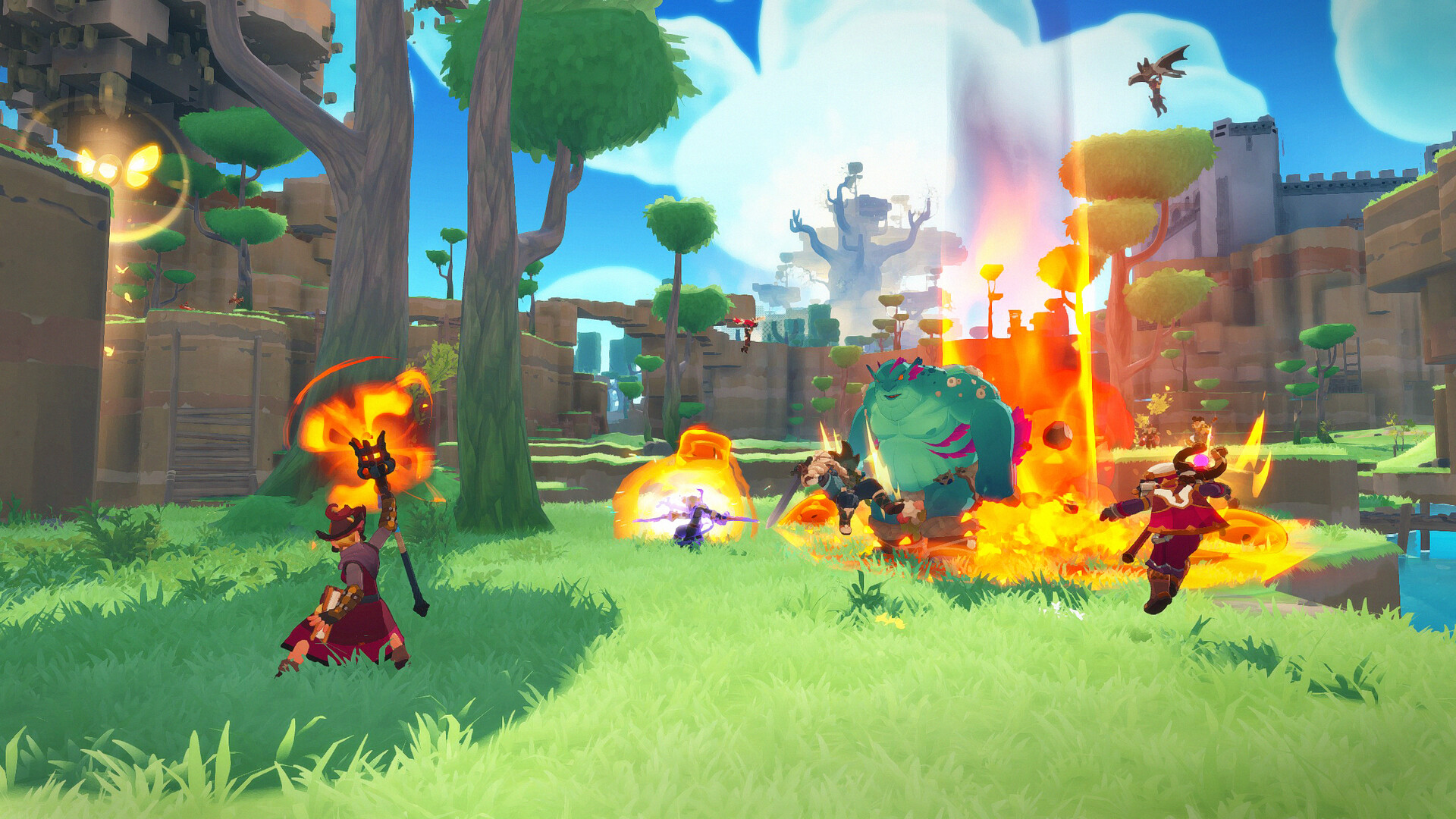
Every Weapon Is Unique
No two versions of the same weapon exist in Farever. For example, two sets of dual axes will not share the same set of skills and will play differently from one another. This means that even weapons of the same type are worth examining individually, because the specific four skills they carry shape how they feel in your hands. Across all of these unique weapons there are 100+ weapon skills available to discover.
Weapons also grow with you. Each weapon levels up its own skills as you use it, making it stronger and longer-lasting the more you fight with it. On top of natural leveling, weapon skills can be raised through ranks, with a dedicated weapon rank-up interface for spending the points involved.
The Arsenal System
The Arsenal is Farever's signature loadout mechanic. You can place a weapon in an Arsenal slot to assign its skills to your skill bar, layering a benched weapon's options on top of your main weapon. This is what lets two players using the exact same weapons end up playing completely differently, depending on which weapon they equip as their main and which they keep in their Arsenal. The Arsenal adds an extra layer of customization that expands your tactical options without changing your class.
Between class abilities, weapon skills, passives, and the Arsenal system, the possibilities for creating a build are extensive. The full picture of how these layers combine, including talents and masteries, is covered under Attributes and Progression.
The Arsenal becomes a real decision at level 20, where the game stops you to pick a weapon skill for it. Before that point most players fill the slot with whatever dropped last. For the leveling side of this, see Attributes and Progression.
Weapons Across Classes
A single weapon can be used by one or more classes, and it feels entirely different in each one because each class's mechanics change how it plays. For example, a Priest might use a staff to enhance their efficiency, or take a sword and shield to more easily fulfill a tank role. This hybrid relationship between class and weapon means the same class can be played in multiple ways, and the same weapon can feel new in another class's hands.
Confirmed Weapon Types
Official posts and patch notes name several weapon types directly. Ranged weapons also exist, and dual-wielded options appear among the named weapons below.
Dual axes
Staff
Sword and shield
Bows and other ranged weapons
Upgrades and Drops
Weapons have a level and upgrade system, and the materials used to upgrade them are level-gated: current weapon upgrade materials can only be applied within the weapon's current level range. Higher-difficulty content rewards stronger gear, and weapons dropped in Hard difficulty dungeons come in at level 20. For more on running these challenges, see Dungeons and Instances, and for how loot fits into the wider economy, see Gear, Items and Economy.
Weapon damage is tied to the attributes a weapon is built for. Since the July 29 patch every weapon's base attacks scale on its own primary attributes rather than a shared rule: Lady Bee's Ceremonial Stinger scales on Strength and Intellect, for instance, while Gorgon Ratsay's Toothpick scales on Dexterity and Faith. Picking a weapon that matches your class attributes therefore matters for basic attacks, not only for its four skills.
Named Example Weapons
The patch notes reference a number of specific weapons by name, each a unique weapon with its own named skills. The table below lists confirmed examples along with some of their notable skills. It is a sampling rather than a complete roster.
Weapon | Notable Skills |
|---|---|
Flame of Argol | Heat Emission, Flamie, Searing Furnace |
Clawdius | Tide Rising Uppercut |
Cheese Moon | Bloodrage Aura |
Judgement | Rampage |
Lady Bee's Ceremonial Stinger | Hive Assault, Stingerang |
Gorgon Ratsay's Toothpick | Eruption |
Wingsabers | Queen's Decree, Swarmstrike Accord, Hiveborn Blossom |
Ipheion, Star Blossom | Natural Ascendancy, Verdant Impetus |
Thornlace | Floral Euphoria, Psychoactive Petals |
Amon Ram, the Creator | Smite, Ram Veil |
Radiance | Scorching Embers |
Magma Mia | Furnace Roar, Cinder Coat |
Martyr of Enripit | Mania, Hysteria, Wild Whirlwind, Outburst, Anger Release |
Censer of Wool Hollow | Castigate, Luon Mark, Hidden Power, Luon Shackles, Blinding Light |
Full Weapon List
Farever's weapons fall into six handedness categories: one-handed, two-handed, dual-wielded, polearm, offhand, and thrown. The table below lists the unique named weapons currently in the build, the classes that can wield each, the gear set it belongs to, the level it unlocks at, and where it comes from. Every weapon still carries its own four skills, so two weapons of the same type play differently.
Weapon | Type | Classes | Set | Req. Level | Source |
|---|---|---|---|---|---|
Light Practice Sword | Sword | Warrior | Starter | Level 1 | Starting gear |
Cheese Moon | Axe | Warrior, Rogue | Kobold | Level 4 | Found in Mine Estrone |
Glory | Sword | Warrior, Priest | World | Level 4 | - |
Beefury, Blessed Blade of the Farseeker | Sword | Warrior, Priest | Bee | Level 10 | Dropped by Lady Bee |
Amon Ram, the Creator | Mace | Warrior, Priest | Crimson | Level 20 | Dropped by High Inquisitor Chakram |
Apprentice's Grimoire | Book | Mage | Starter | Level 1 | Starting gear |
Rehearsal Scepter | Scepter | Priest | Starter | Level 1 | Starting gear |
Credence | Bow | Rogue | World | Level 4 | - |
Flame of Argol | Scepter | Priest | Kobold | Level 4 | Found in Mine Estrone |
Ghost Clams of the Low Tide | Halos | Mage, Priest | Manfish | Level 4 | Found in Lost City of Mayda |
Judgement | Great Axe | Warrior | World | Level 4 | Dropped by Munster Chuck |
Large Butterfly Net | Capture Net | Any class | General | Level 4 | - |
Book of Mi'Mizan | Book | Mage, Priest | Manfish | Level 8 | Dropped by Sponge Blob |
Pocket Hive | Great Mace | Warrior, Priest | Bee | Level 10 | Dropped by Queen Honeyzabeth |
Thornlace | Crescent | Rogue, Priest | Bee | Level 10 | Found in Trunk of the Hivetree |
Horns of the Wind | Bow | Rogue, Mage | Crimson | Level 14 | Dropped by Sponge Blob and by Robin Hoof |
Martyr of Enripit | Great Sword | Warrior | Kobold | Level 20 | Dropped by King Ratsar |
Rusty Knives | Daggers | Rogue | Starter | Level 1 | Starting gear |
Iron Fins of the Leviathan | Dual Axes | Warrior, Rogue | Manfish | Level 4 | Found in Lost City of Mayda |
Clawdius | Fists | Rogue, Mage | Manfish | Level 8 | Found in Crabgantua's Gorge |
Twin Fangs of Ratsar | Daggers | Rogue | World | Level 8 | Dropped by King Ratsar |
Wingsabers | Dual Swords | Warrior, Mage | Bee | Level 10 | Dropped by Queen Honeyzabeth |
Ramulus & Ramus | Fists | Rogue, Priest | Crimson | Level 14 | Dropped by Robin Hoof in the Crimson Barracks |
Twin Pillars of Justice | Dual Maces | Warrior, Rogue | Crimson | Level 14 | Dropped by Munster Chuck |
Radiance | Staff | Mage | World | Level 4 | - |
Gorgon Ratsay’s Toothpick | Spear | Rogue, Priest | Kobold | Level 8 | Found in Ruins of Gorgon's Hollow |
Lady Bee’s Ceremonial Stinger | Spear | Warrior, Mage | Bee | Level 10 | Found in Trunk of the Hivetree |
Rough Shield | Shield | Warrior | Starter | Level 1 | Starting gear |
Dominion | Shield | Warrior, Priest | World | Level 4 | Sold by the Valley merchant |
Crabgantua's Kneecap | Shield | Warrior, Priest | Manfish | Level 8 | Found in Crabgantua's Gorge |
Magma Mia | Shield | Warrior, Mage | Kobold | Level 8 | Found in Ruins of Gorgon's Hollow |
Ipheion, Star Blossom | Thrown | Rogue, Mage | Bee | Level 10 | Dropped by Lady Bee |
Censer of Wool Hollow | Staff | Mage, Priest | Crimson | Level 14 | Dropped by High Inquisitor Chakram |
Silhouette of Almaz | Staff | Mage | Crimson | Level 4 | Dropped by Nightqueen Shaarlize Te'ror |
Mirrors of the Nightgoddesses | Halos | Mage, Priest | Demon | Level 4 | Dropped by Nightqueen Shaarlize Te'Ror |
Nibsham's Liberators | Daggers | Rogue, Mage | Demon | Level 4 | Dropped by Nightking Maat Demon |
Worldsplitter | Great Axe | Warrior, Priest | Demon | Level 4 | Dropped by Nightking Maat Demon |
The Demon-set weapons arrived with the Rifts. They carry Chaos affinity and are the line the Demon Hunter trades for Rift currency, alongside the pieces that drop from the event itself.