

Farever uses a dynamic action combat system that places skills at the heart of every fight. Unlike more traditional action RPGs that lean on auto-attacks and long rotations, Farever asks you to read the moment, pick the right skill, and manage your defenses in real time. Shiro Games describes it as easy to learn and rewarding to master. The result is combat that rewards smart skill usage, good timing, and a build that fits how you like to play.
Your offensive options come from three sources that stack together: your class, your equipped weapons, and passive abilities. Mastering which skills to slot, managing their cooldowns, and chaining combos to deal maximum damage is what gives a skilled Farseeker an edge.
Where Skills Come From
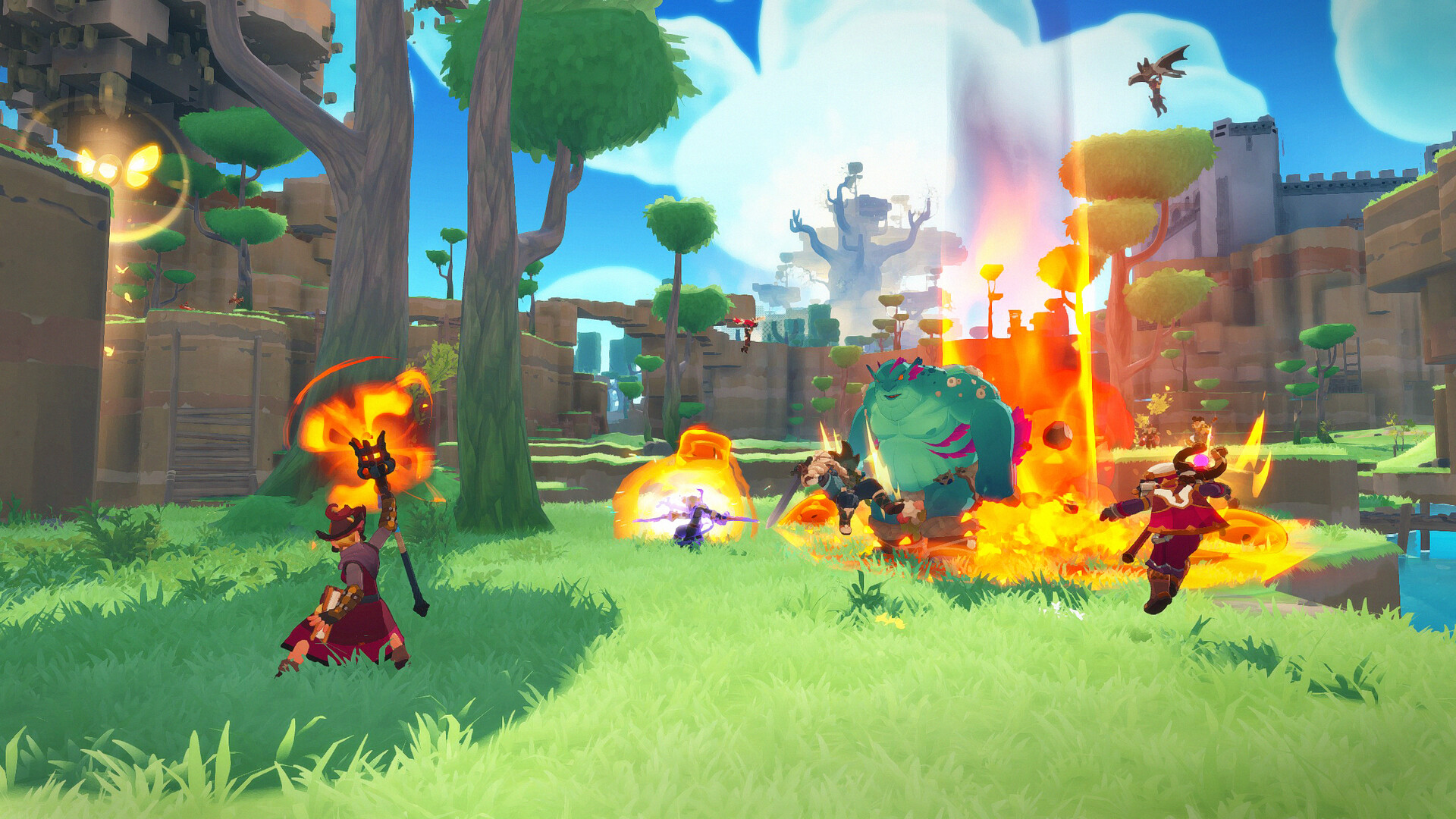
Skills are drawn from several layers that combine into your action bar.
Source | What It Provides |
|---|---|
Class | Class skills and a unique signature mechanic tied to your chosen class. The Class Skill is a distinct input that can be rebound. |
Weapons | Each weapon brings its own set of unique skills, and benching a second weapon in the Arsenal adds its skills to your bar. |
Passives | Passive abilities that reinforce your chosen approach and round out your build. |
Because skills come from both your class and your weapons, two players of the same class can fight very differently depending on what they wield. The deeper customization layers, including talents and masteries, are covered under Attributes and Progression.
Defense: Dodge, Block, and Perfect Block
To avoid enemy attacks you can either dodge or block, but both draw on your resources, so neither is free. Dodging is tied to dash cooldowns, and blocking and dodging consume endurance. Managing endurance carefully is central to lasting through a tough fight.
The standout defensive tool is the perfect block. Timing a block precisely against an incoming attack reduces the damage you take without consuming any endurance. Learning the timing of a perfect block is one of the most effective ways to conserve resources and stay aggressive, since you can defend without paying the usual endurance cost.
Combos and the Final Combo Attack
Weapons in Farever offer their own combos, and chaining attacks together is how you build toward your biggest hits. Many weapons culminate in a Final Combo Attack, a dedicated finishing hit at the end of a combo string. Coordinating your attacks lets you unleash spells, flashy strikes, and finishers, and in a group you can also step in to protect and support your allies, which is explored further under Multiplayer and Co-Op.
Cooldown Management
Because Farever's combat is built around skills rather than spammable basic attacks, timing matters. Your skills, dashes, and signature abilities all run on cooldowns, and weaving them so that something useful is always available is a core part of mastering a build. Each class also manages its own resource on top of cooldowns, whether that is the Warrior's rage, the Mage's Spark, the Rogue's combo points, or the Priest's prayers.
Skill Ranks
Skills can be improved through ranks, generally referred to as Rank 1, Rank 2, and Rank 3. Raising a skill's rank strengthens its effect, and the patch notes regularly reference higher ranks of specific weapon skills along with a dedicated weapon rank-up interface. Weapon skills also level up naturally through use, so the more you rely on a weapon, the stronger and longer-lasting its skills become.
Reading a Skill's Scaling
Every skill shows the attribute it scales with directly in its details, so you can see at a glance which stat makes a given skill stronger. This makes it easier to build deliberately toward the attributes that matter for your loadout. The stats themselves are covered in more detail under Attributes and Progression.
Controls
Farever can be played with either a mouse and keyboard or a controller, and full controller support is available. Several inputs are rebindable, including the Class Skill, so you can arrange your controls to suit your playstyle.
Roles in Combat
Combat roles emerge organically rather than being assigned by class. Tank, healer, and damage-dealing playstyles are all achievable through your choice of skills and gear. A healer might place healing totems in strategic spots or carefully time spells rather than simply pressing a heal button, and a tank manages cooldowns to mitigate damage and keeps enemies focused on them by maintaining aggro. See Multiplayer and Co-Op for how these roles work together in a party.