

Weapons in Fable are the toolset for the reboot's integrated three-category combat model. The player carries melee, ranged, and Will and Magic together, and the system is designed for fluid mid-encounter swaps rather than rigid one-style commitment. This page is the hub above the three discipline pages and the place where the reboot's combined style weaving loadout philosophy sits.
Style-Weaving Combat
Playground Games' name for the integrated three-category combat system is style weaving. Game Director Ralph Fulton confirmed the term during the January 2026 deep-dive interview, describing it as a system where the player can switch between melee, ranged, and magical attacks fluidly during a single encounter without animation delays. Combat is also designed around mixed-enemy encounters: each enemy type has confirmed strengths and weaknesses, encouraging the player to weave styles rather than rely on a single approach. Friendly fire between enemies is part of the encounter model.
The Three Categories
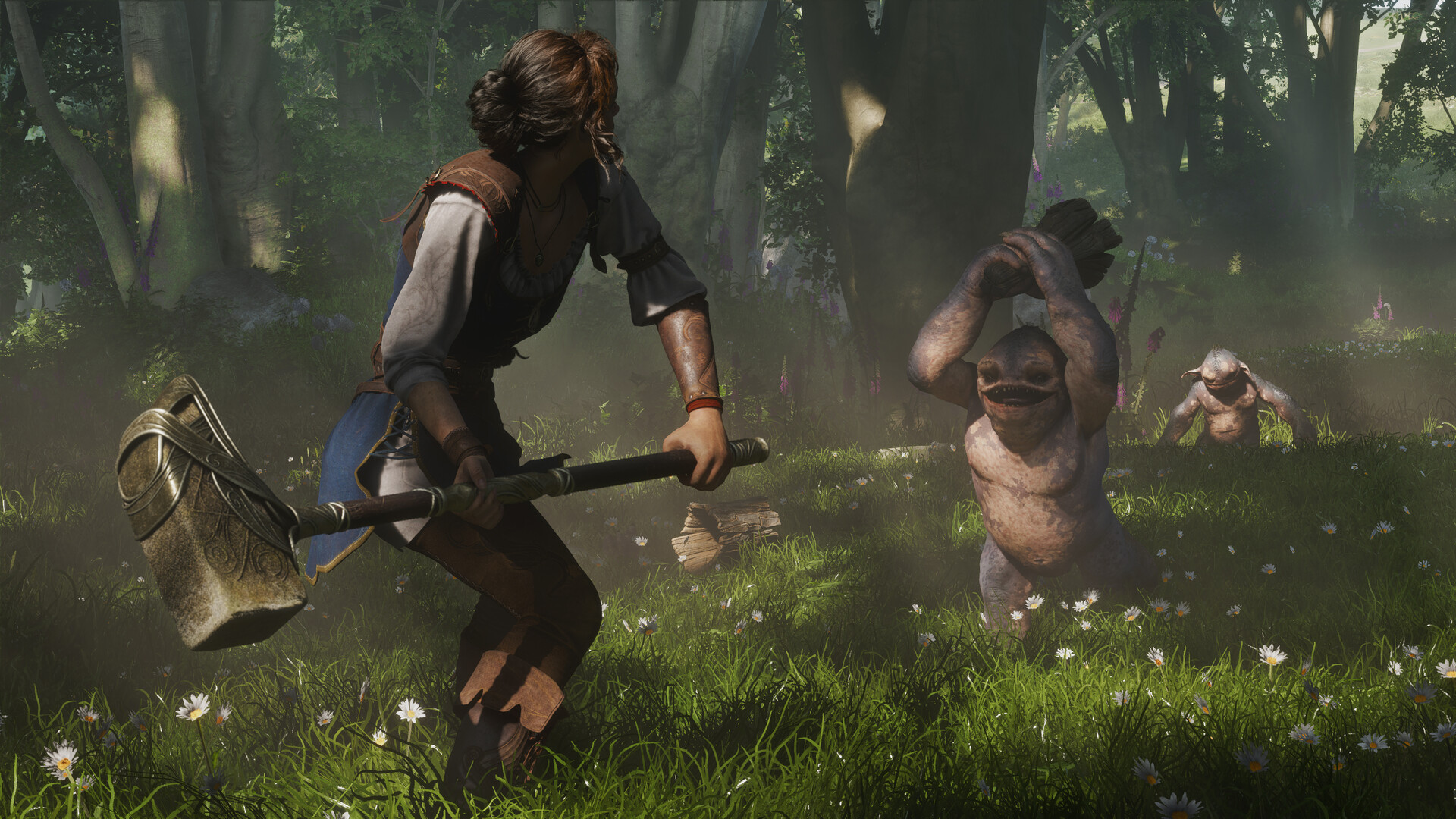
Category | Role In An Encounter | Detail Page |
|---|---|---|
Melee | Core damage path. Positioning, stagger, finishers, and contact-range pressure. | |
Ranged | Pressure on flying or shielded threats. Used to keep distance against rushers or to chip armoured threats. | |
Will (magic) | Fully integrated as a weapon category rather than a separate role. Used both for offense and for control utility. |
Loadout Philosophy
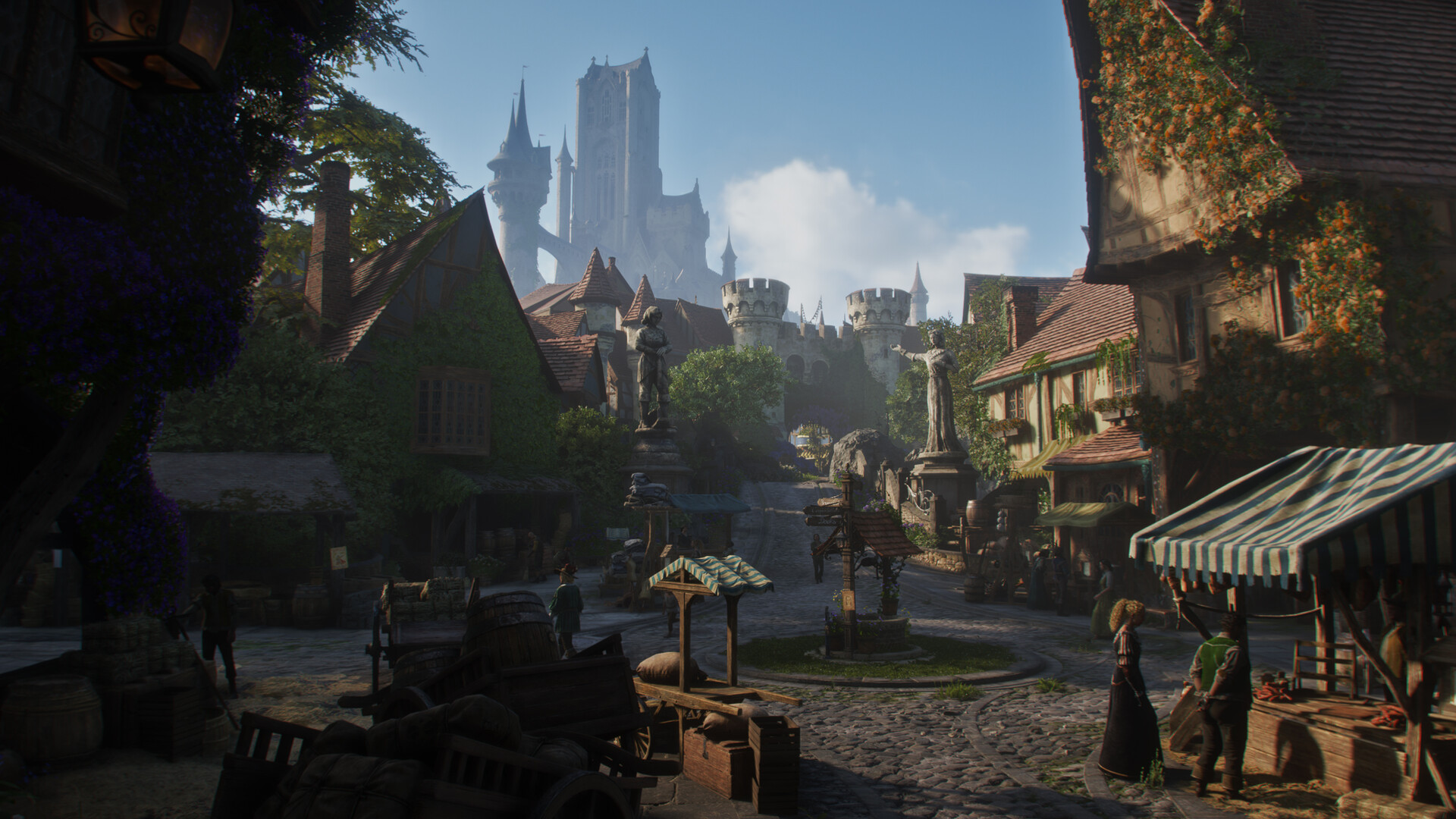
The reboot's loadout philosophy assumes the player is always carrying all three categories. Slots are not consumable; weapons in different categories do not push each other out of a single hotbar. The intent is that, in any encounter, the player has the option to begin with a melee opener, transition to a ranged punish on a fleeing enemy, then close with a Will spell to control crowd-around-the-player situations. The Hero System page covers the Strength / Skill / Will pillars that underpin the categories; the Combat System Overview page covers how the categories chain into combo strings at the input layer.
Enemy Matchups
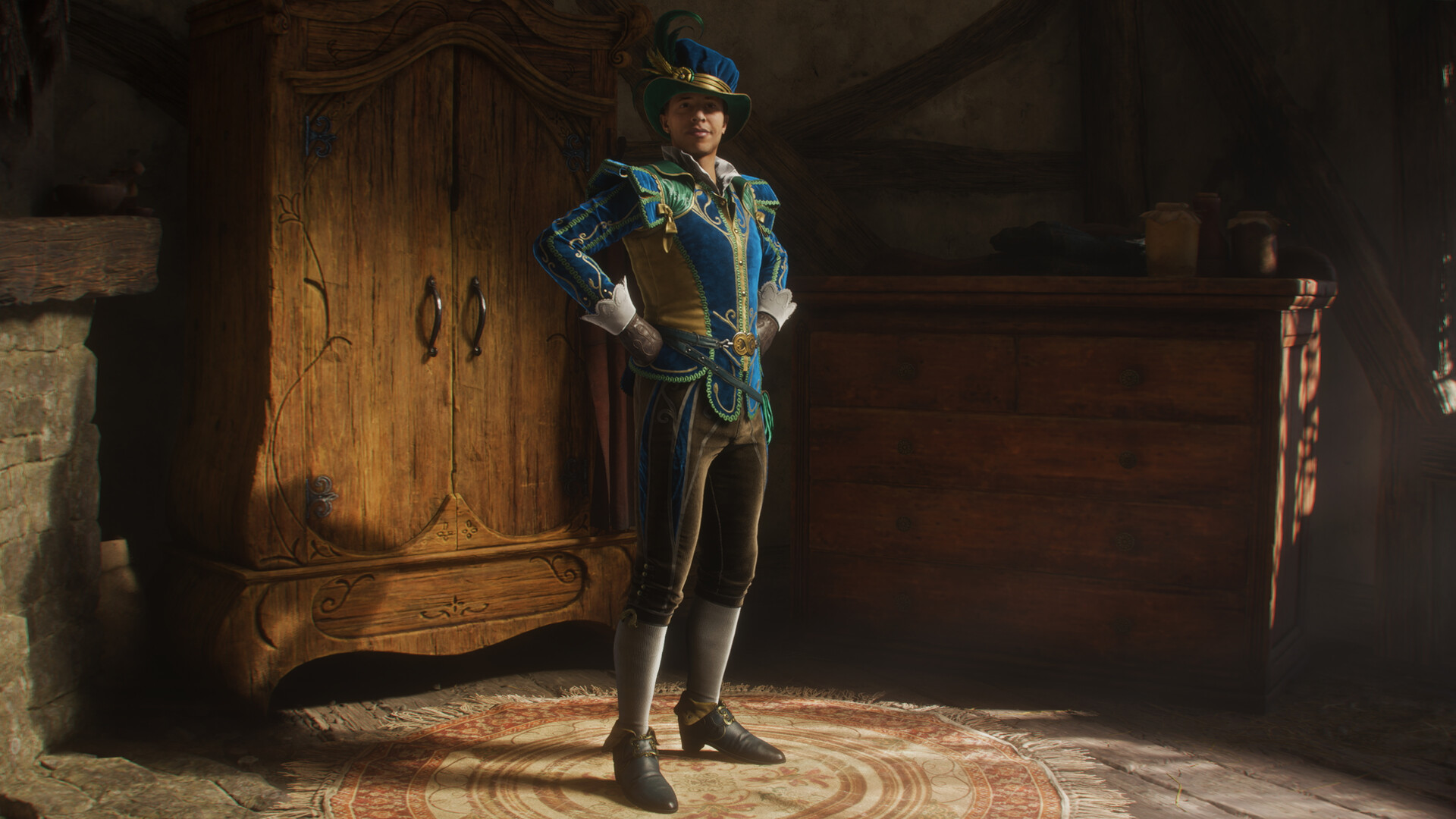
Weapon choice is sensitive to the threat in front of the player. Public demo footage gives a few stable examples:
Hobbes. Small swarming creatures; melee combo work clears them efficiently, with friendly-fire opportunities to exploit.
Balverines. Fast aggressive werewolf-class threats; raw sword-swinging is less effective than Will control followed by ranged or melee punishes.
Trolls. Armoured large enemies; ranged chip and Will openers make the matchup more reliable than committed melee.
Cockatrice. Fire-breathing chicken boss; the encounter rewards weaving all three categories rather than locking into one.
Hollow Folk. Undead in darker corners of Albion; per public framing, the matchup benefits from mixed pressure rather than single-tool reliance.
Style Weaving In Practice
Style weaving is what the loadout above pays for. The Style Weaving page tracks the specific switching mechanic; the short version is that mid-combo transitions across the three categories carry no commit cost. A magical-attack opener can be cancelled into a ranged tag and finished on melee, and the system does not punish that decision with input lockout. The Weapons hub exists, in part, because the loadout-level decisions feed into that switching cadence: choosing which melee weapon to commit to or which ranged option to slot still matters even when the categories themselves are fluid.
Gear Progression
Weapon upgrades sit alongside Armor and Equipment in the overall gear progression. Specific named weapons have not yet been revealed by Playground Games beyond the broad category presentation; the page will be updated as the marketing cycle progresses. Where the team has discussed gear at all, the emphasis has been on weapons feeding the style-weaving loop rather than on per-weapon stats, which fits the integrated-combat pitch that has anchored every public showing.
Related Pages
Combat System Overview. Input-layer reference for how categories chain.
Style Weaving. The specific mid-encounter switching mechanic.
Hero System. Strength / Skill / Will pillars that anchor the categories.
Armor and Equipment. The defensive side of the gear loop.