

The equipment system in Fable (2027) encompasses melee weapons, ranged weapons, magic abilities, and character armor. Equipment choices directly affect the style-weaving combat system, determining which attacks are available and how they perform. The game has a "vast arsenal" of options, and equipment is one of the primary ways players define their hero's identity.
Melee Weapons
Melee weapons are the backbone of close-quarters combat. Each weapon type has distinct characteristics affecting speed, damage, reach, and stagger potential. The Developer Direct described melee options as ranging from "super precise" to "blunt force," giving players a wide spectrum of fighting styles.
Weapon Type | Speed | Damage | Characteristics |
|---|---|---|---|
Swords | Moderate | Moderate | Balanced all-rounder, good for beginners |
Axes | Moderate | High | Strong chopping strikes, good stagger |
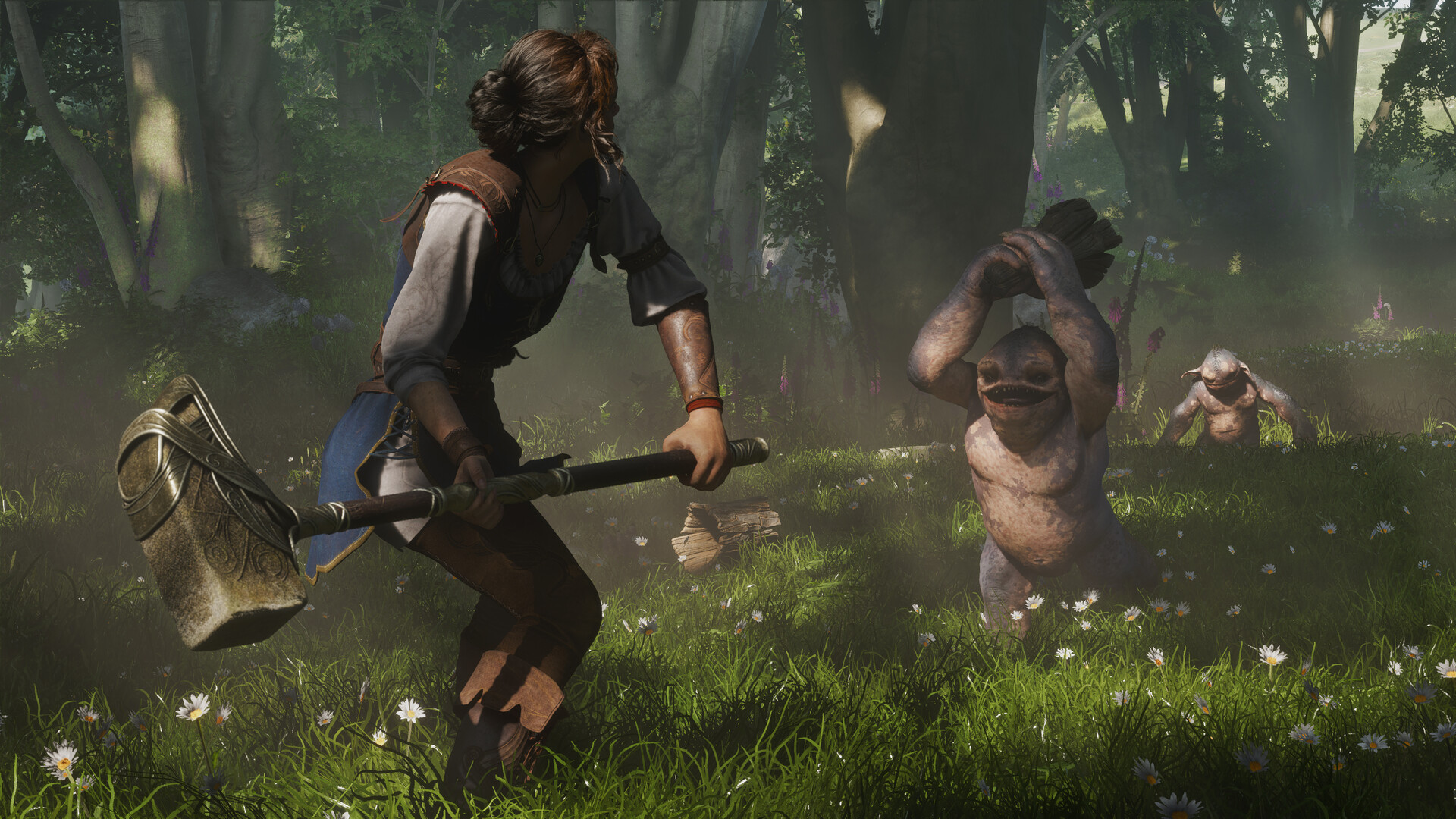
Hammers | Slow | Very High | Devastating single hits, heavy stagger |
Maces | Moderate | Moderate-High | Blunt force, effective against armored foes |
Cleavers | Fast | Moderate | Quick slashing combos, aggressive style |
Weapon selection is not permanent. Players can carry multiple weapons and switch between them as situations demand. A hammer might be ideal for a single troll, while a faster sword works better against a swarm of Hobbes.
Ranged Weapons
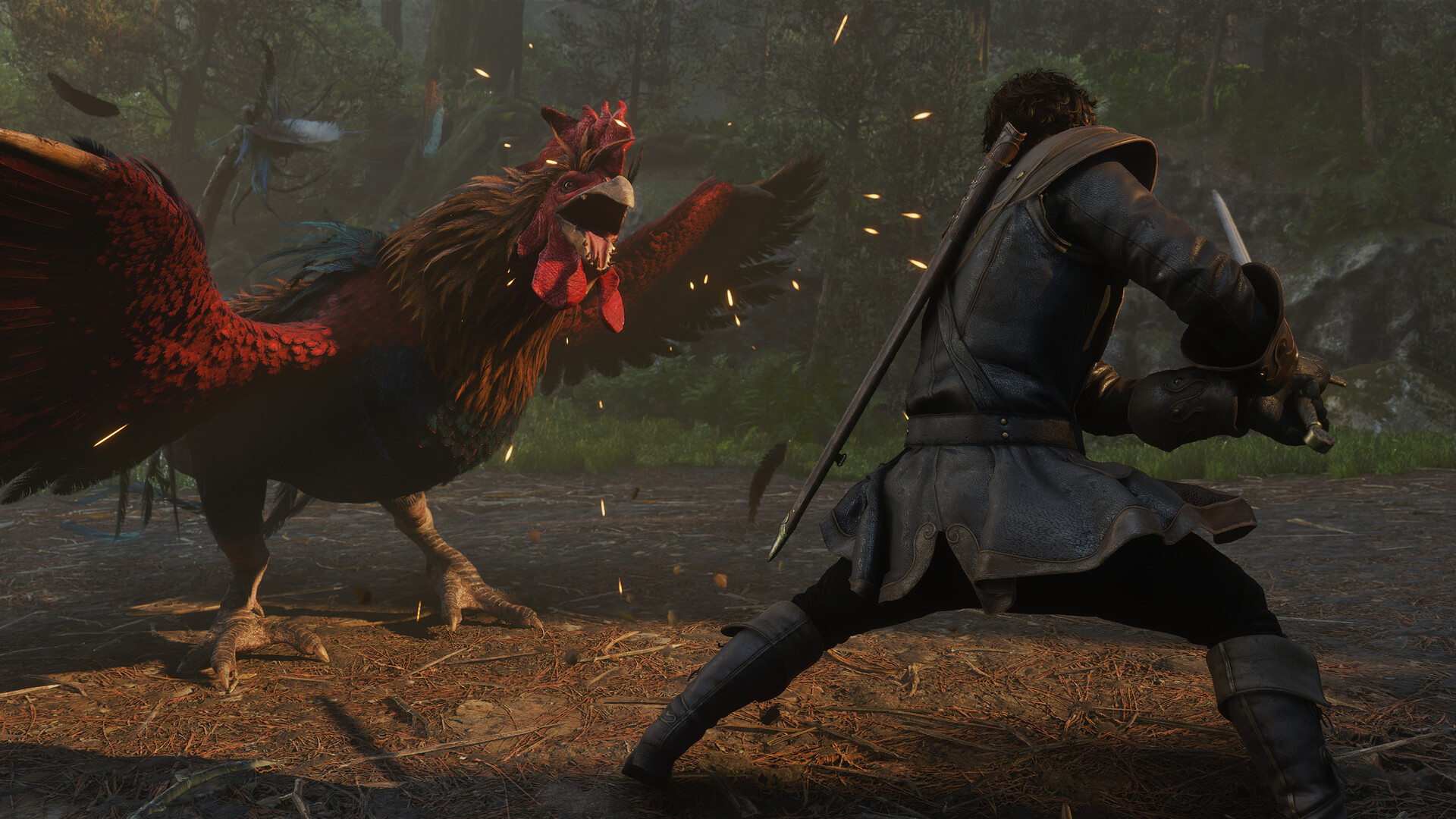
Ranged weapons allow players to engage enemies from a distance and are a core component of style weaving. Confirmed ranged weapon types include:
Weapon Type | Characteristics |
|---|---|
Crossbows | Confirmed weapon type; per-shot damage and rate of fire have not been published |
Longbows | Confirmed weapon type; per-shot damage and rate of fire have not been published |
Ranged attacks weave into melee combos naturally. You might stagger an enemy with a sword strike, step back, fire a crossbow bolt, and close in again. The system is designed so that ranged weapons are a tool within the combat system, not a separate playstyle.
Magic Equipment
While specific magic equipment details have not been fully revealed, magic in Fable functions as a third combat style alongside melee and ranged. Spells range from direct damage (fireballs) to crowd control, and they integrate seamlessly with physical weapons through style weaving. How magic is equipped and upgraded has not been detailed.
Visual Transformation
Gear and choices shape how the hero looks over time, but the reboot leaves behind the original trilogy's alignment morphing. There are no good-versus-evil halos or devil horns that sprout from a morality score, and no confirmed replacement that changes the hero's body as the game goes on. What the studio has shown instead is that the hero's look is set in the character creator (including options such as tattoos and scars) and then read by the world through what the hero wears and carries.
These visual changes are not purely cosmetic. They tie into the reputation system and affect how NPCs react to you. A battle-scarred hero in heavy armor reads very differently to villagers than a lightly dressed newcomer, so gear and the marks of past fights combine to create a hero whose appearance tells a story.
Character Appearance and Gear
Beyond stat-affecting equipment, the game includes character customization options that affect the hero's visual presentation:
Clothing and armor with distinct visual styles
Hairstyles that can be changed throughout the game
Tattoos applied at specific locations
Skin tone and facial feature selection
Progression and Upgrades
The equipment progression system has not been fully detailed in pre-release materials. What is known is that the game features multiple builds enabled by different weapon and ability combinations. The style-weaving system means progression is less about finding a single powerful weapon and more about assembling a versatile loadout.
How equipment is bought and upgraded has not been detailed, beyond the studio saying that jobs, property, and trading are how the hero earns gold.
Equipment and Build Identity
Equipment defines your hero's build identity in both gameplay and narrative terms. A hero carrying a massive hammer, wearing heavy armor, and sporting battle scars tells a different story than one wielding a precise sword and dressed lightly. The game is designed so that "you can be the hero you want to be in every sense," as game director Ralph Fulton stated.
This philosophy extends to how equipment interacts with the rest of the game. Your gear affects NPC perceptions, combat effectiveness, and the visual story of your hero. A heavily armed hero might intimidate merchants into lower prices, while a scholarly-looking mage might be welcomed by academics and scholars.