

Overview
Fable (2027) replaces the classic binary good/evil alignment from the original trilogy with a subjective reputation system. In previous games, the hero had a single morality score that shifted between pure good and pure evil, visibly transforming their appearance with halos or horns. The reboot abandons this approach entirely. There is no universal morality score, no appearance morphing based on alignment, and no single axis of good versus evil.
Instead, reputation is local and personal. Each NPC in Albion forms their own opinion of the hero based on what they have witnessed and how the hero's actions affect their life. An action that one person considers heroic might strike another as reckless or self-serving.
How it Works
The system is built around witnessed actions. NPCs form opinions based on what they see the hero do, or what they hear about through their community. If the hero steals from a shop in Bowerstone, the shopkeeper and nearby witnesses will react. People in Bloodstone, who did not witness the theft, will not automatically know about it unless word spreads.
Reputation is not just about individual actions. It accumulates through patterns of behavior. A hero who consistently helps the people of a particular town will build a positive reputation there. A hero who buys up all the property and raises rent will develop a very different standing, even if they also complete quests that benefit the community.
No Appearance Morphing
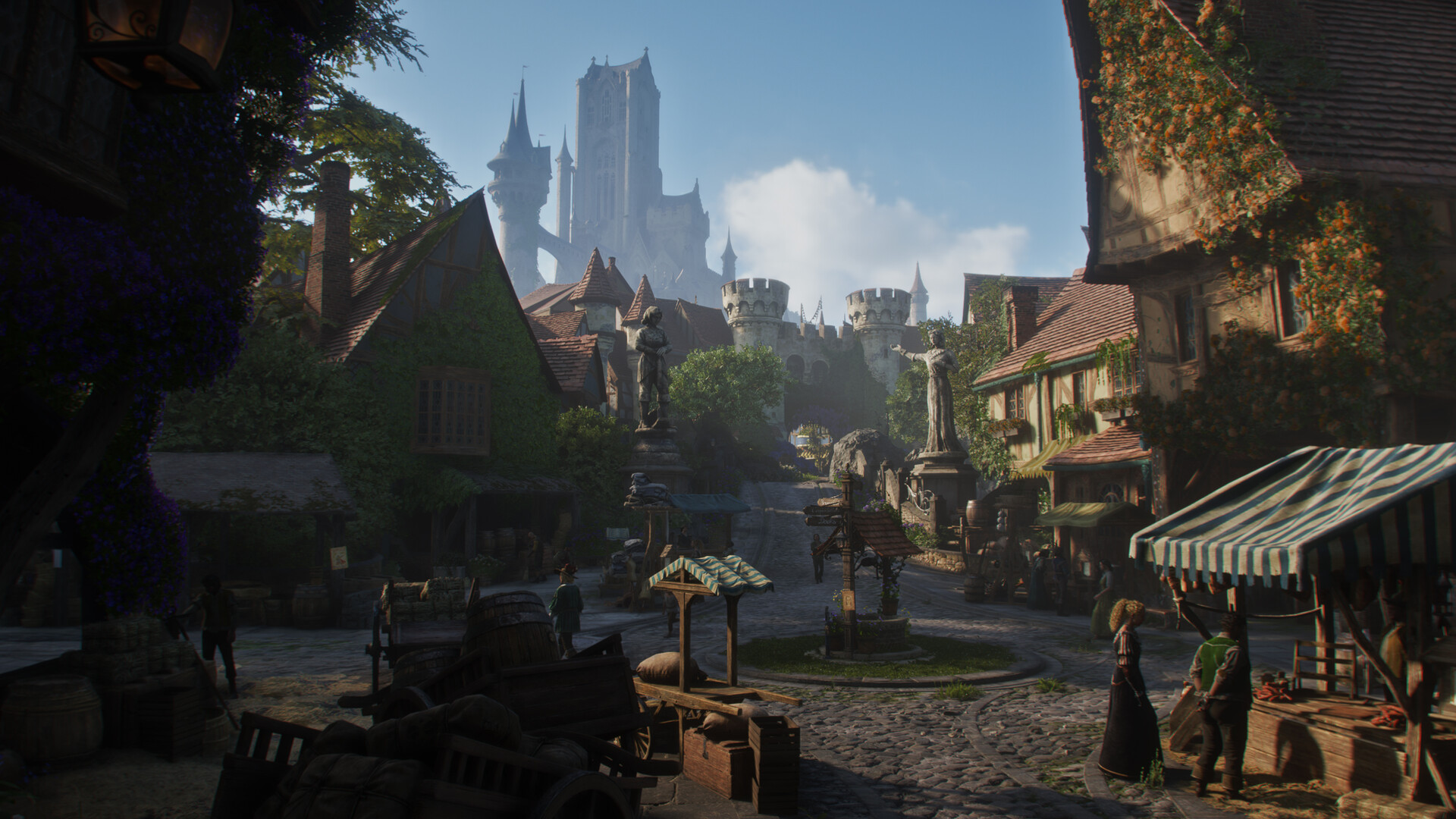
One of the most visible changes from the original trilogy is the removal of appearance morphing. Prior Fable games changed the hero's physical appearance based on morality and stat investment. Evil heroes grew horns and red eyes. Good heroes developed halos. Mages became wispy and slender, while strength-focused heroes became muscular. The reboot drops this mechanic entirely. Instead, the hero's appearance is determined by character creation choices and any cosmetic gear they wear. Visible changes still happen via traits driven by reputation, but those changes are subtler than the dramatic transformations of earlier entries.
Subjectivity
The key design principle is subjectivity. Playground Games described the system with this framing: an action of yours might make some people see you as evil, while others find that same action noble and admirable. There is no omniscient narrator judging the hero. There is only the collection of individual perspectives held by Albion's population.
This means the hero is not definitively "good" or "evil" at any point. They are whatever the people around them believe them to be, and those beliefs differ by person and by town.
Local Reputation
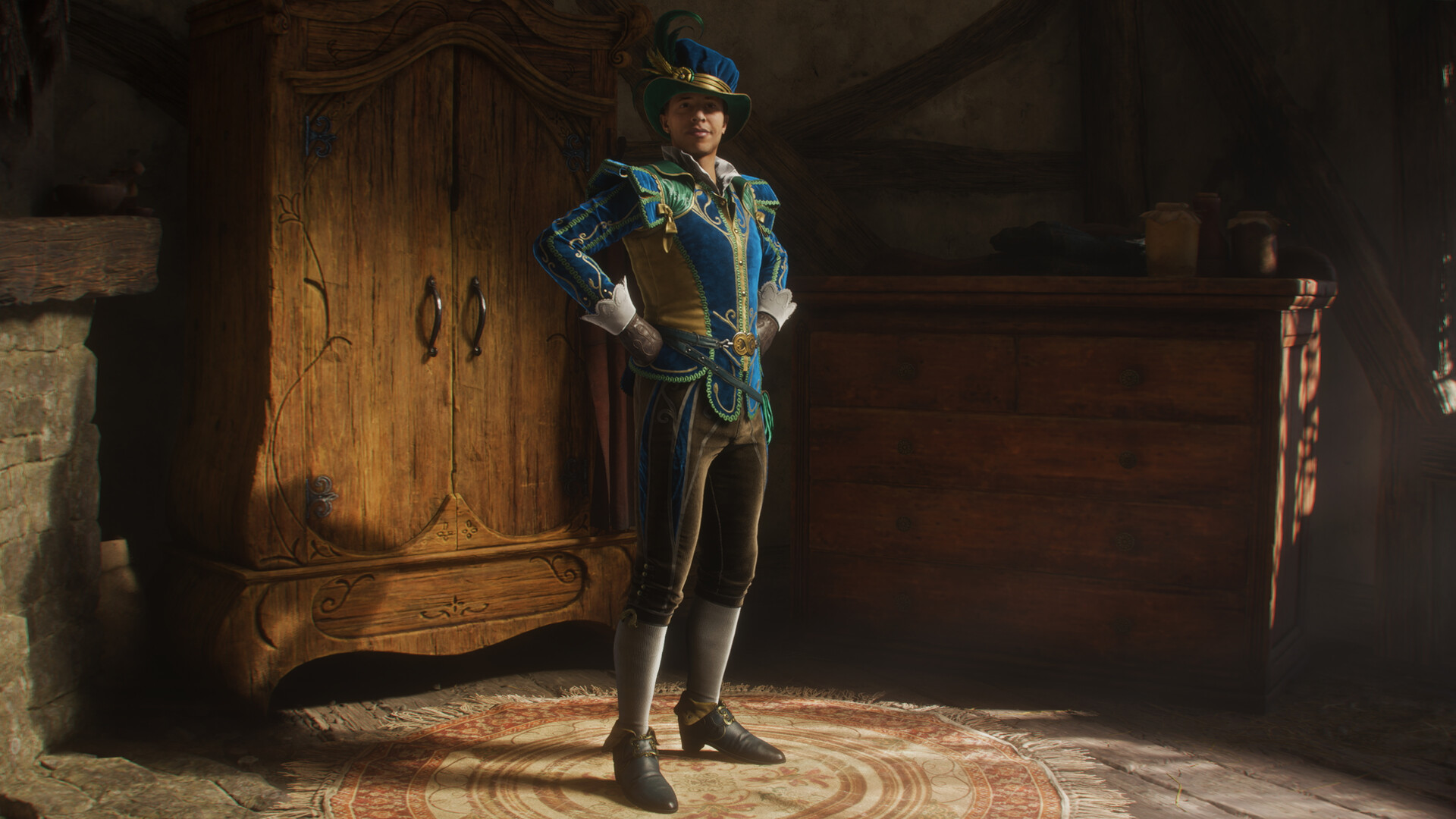
Reputation varies by location. The hero's standing in Bowerstone can be completely different from their standing in Bloodstone. A hero who is beloved in one town for their generosity might be feared in another for their ruthless property management. This creates a world where the hero's identity is not a fixed label but a collection of relationships shaped by context.
The property and economy system is one of the primary drivers of local reputation. Buying property, setting rent, evicting tenants, and hiring or firing workers all generate reputation consequences that are specific to the affected community.
Impact on Gameplay
Reputation affects how NPCs interact with the hero. NPCs with positive opinions may offer discounts, share information, or express gratitude. Those with negative opinions may refuse to do business, spread warnings to others, or react with hostility. The 1,000 handcrafted NPCs each have individual names, personalities, moral worldviews, and daily routines, meaning their reactions are specific and personalized rather than generic.
The system also influences narrative outcomes. Certain quests and story branches may open or close based on the hero's reputation in specific locations. The story is designed to accommodate a wide range of player behaviors without locking anyone into a prescribed moral path.
Comparison to Classic System
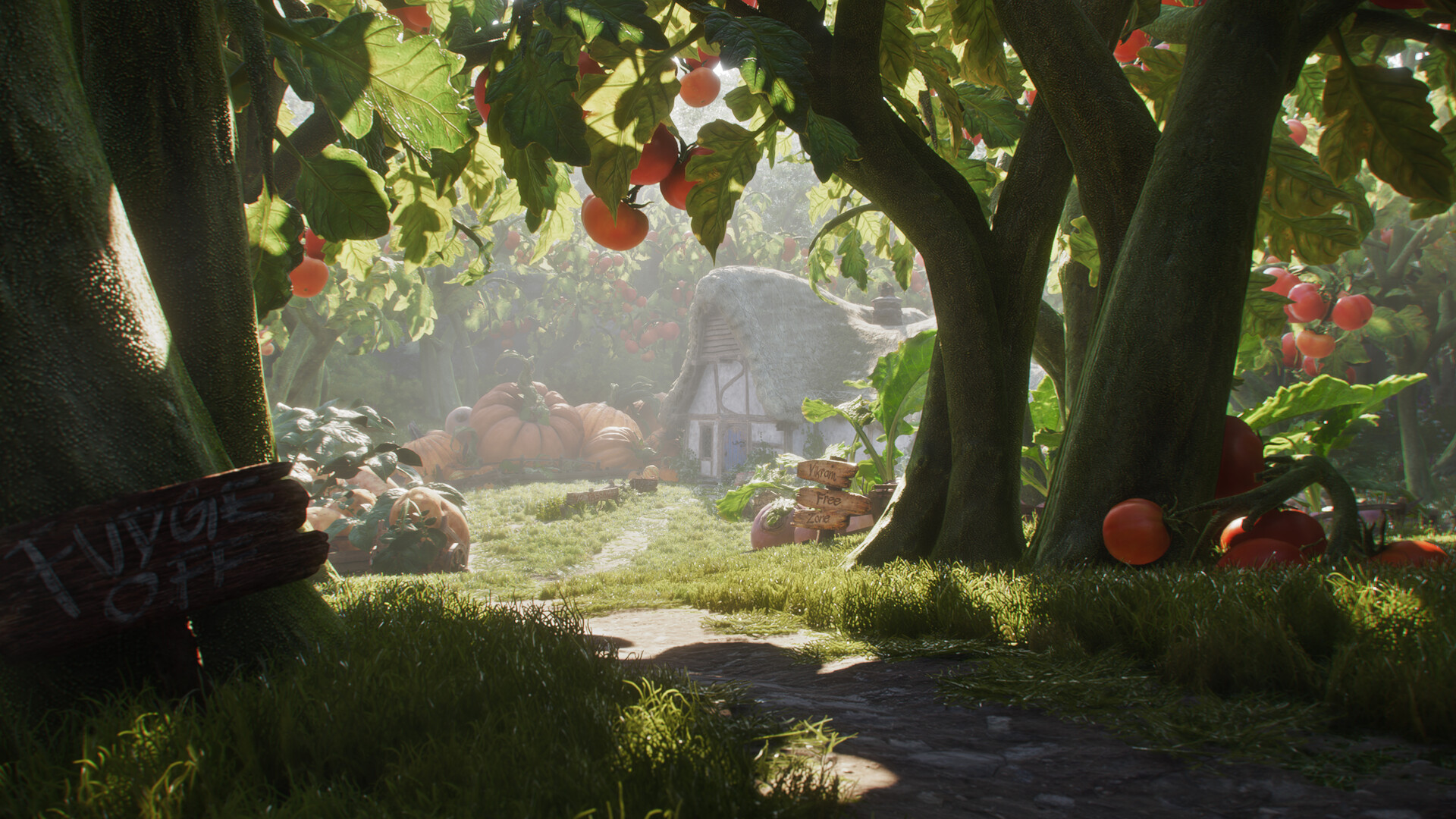
Aspect | Classic Fable | |
|---|---|---|
Alignment Scale | Single axis: Pure Good to Pure Evil | No universal scale; per-NPC/per-town reputation |
Appearance Change | Halos, horns, scars based on alignment | No morphing; appearance set by player customization |
NPC Reactions | Generic based on global alignment score | Individual, based on witnessed actions and personal values |
Scope | Global, affects entire world uniformly | Local; reputation varies by town and person |
Binary Choices | Common; clear good vs. evil options | Ambiguous; same action viewed differently by different people |
Design Philosophy
The shift away from binary morality reflects Playground Games' broader design philosophy for the reboot. The studio wants player choices to feel consequential without being prescriptive. There is no "right" way to play. The hero is defined by the sum of their decisions as interpreted by the people of Albion, not by a cosmic scorekeeper.