

Fable (2027) is an open-world action RPG set in the fantasy land of Albion. Whether you are new to the franchise or a returning fan, the reboot introduces new systems that differ from previous entries. This guide covers the essential knowledge for starting your adventure, from the opening village to your first steps in the open world.
The Opening: Briar Hill
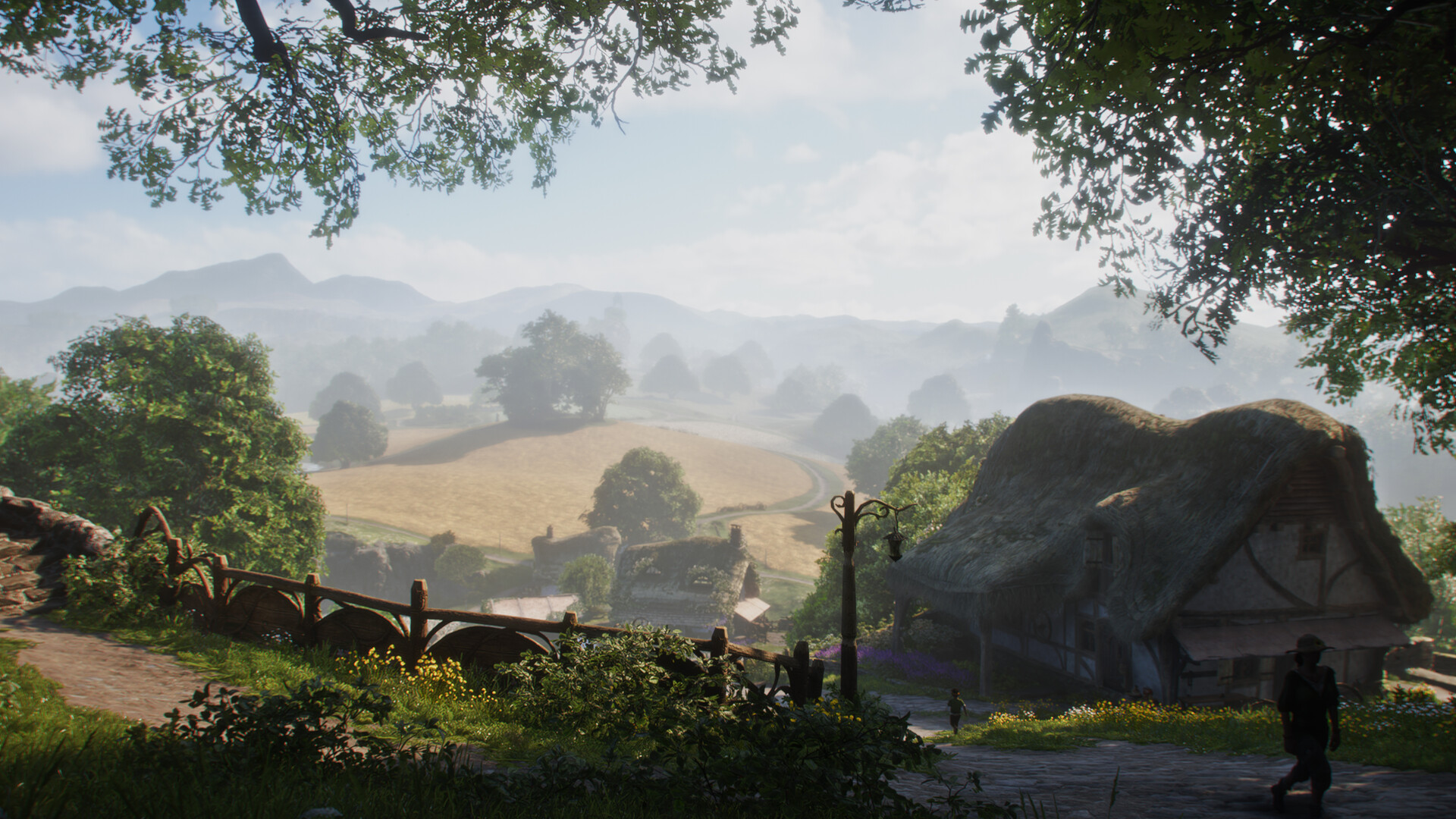
Your journey begins in Briar Hill, a sleepy rural village where your hero grows up. The early sections serve as a tutorial, introducing basic movement, interaction, and combat mechanics while establishing the story. You play as a child who discovers their heroic powers before a time jump to adulthood.
The inciting incident comes when Isabel, the hero the game first showed only as a mysterious stranger, arrives in Briar Hill and turns the entire village to stone, including your grandmother. Her last words before being petrified mention Bowerstone and the Heroes' Guild. This sets you on your path into the wider world.
Your First Steps in the Open World
After leaving Briar Hill, the game opens up completely. Unlike previous Fable games, which used hub-and-corridor structures, the reboot is a fully open world. You can travel to any visible point in Albion immediately. There is no strict path or mandatory order for visiting locations.
The game provides a soft suggestion to head toward Bowerstone, where the Heroes' Guild can help you investigate what happened at Briar Hill. Following this lead is a solid choice for beginners, as it introduces you to your mentor, the key gameplay systems, and the central story threads.
Understanding Combat
Combat in Fable uses a style-weaving system that lets you blend melee, ranged, and magic attacks seamlessly. You do not need to choose one style. Experiment with all three:
Style | Description |
|---|---|
Melee | Swords, axes, hammers, and other weapons for close-range fighting |
Ranged | Crossbows and longbows for distance attacks |
Magic | Spells ranging from direct damage to crowd control |
The key to effective combat is reading your enemies. Each enemy type has strengths and weaknesses. Hobbes attack in groups and are vulnerable to crowd-control spells. Balverines are fast and require quick dodging and melee counters. Trolls are massive and have exposed weak points that require targeted attacks.
You also choose how hard the fighting is. Playground Games talks about letting players pick the combat intensity that suits them, and the settings named so far are collected in Combat Intensity. Picking a gentler one is not a lesser way to play the game: most of Fable sits in the property, reputation and settlement systems rather than in the fights.
Reputation Matters
Every action you take in front of NPCs contributes to your reputation. This is not a simple good/evil meter. Individual NPCs form subjective opinions based on what they personally witness. Someone who sees you kick a chicken might call you a "Chicken Chaser." Someone who sees you defend a village might call you a hero.
Your reputation has real gameplay consequences. It affects shop prices, NPC willingness to help you, romance eligibility, and the overall tone of your interactions. Early in the game, be mindful of what you do in front of people. If you want to be a villain, that is an option, but understand the consequences.
If you want to change your reputation, you can hire the Town Crier to spread new stories about you, overwriting old ones. This is useful if your early actions created a reputation you no longer want.
Exploring Albion
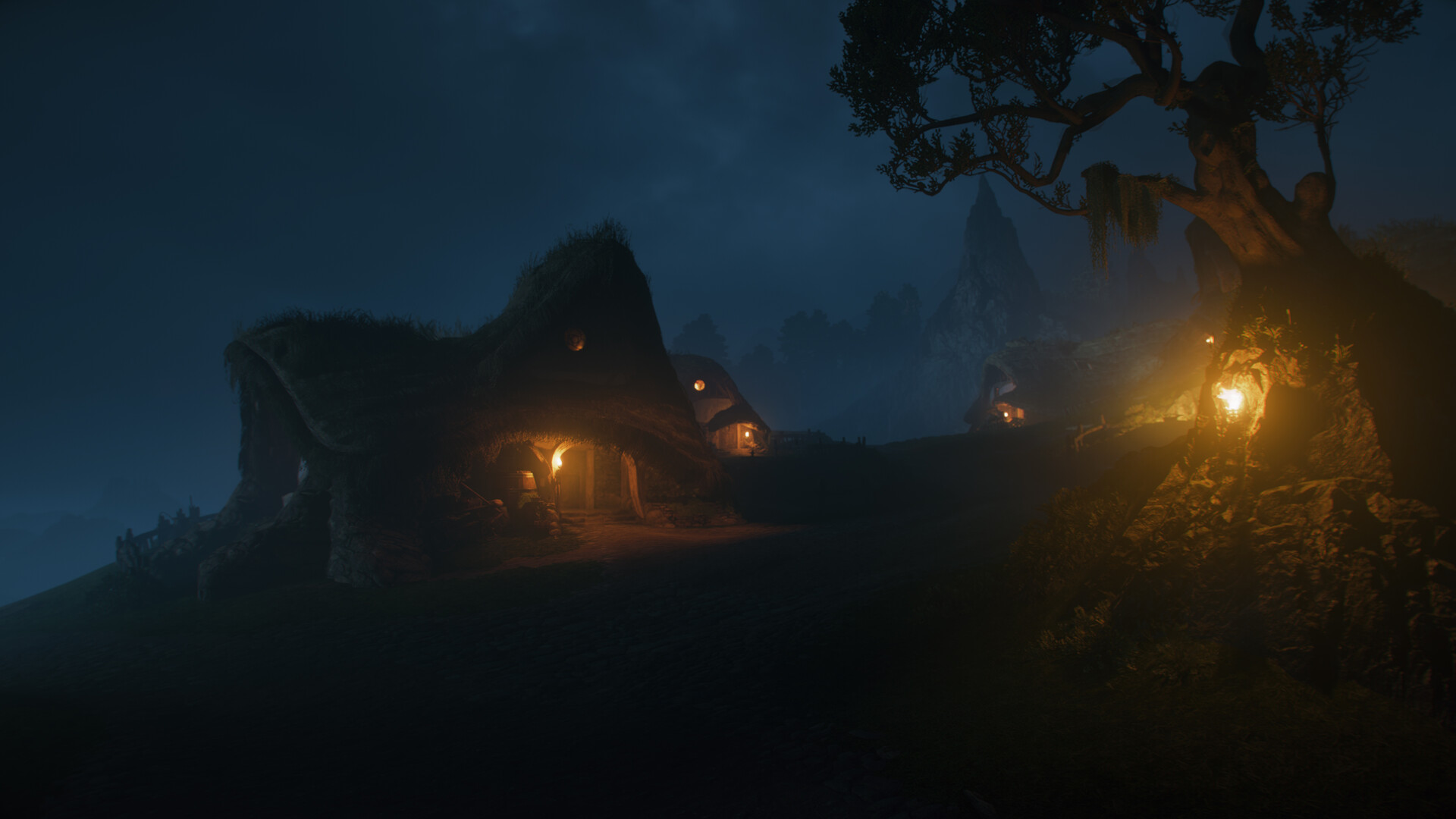
Albion is filled with settlements, wilderness, and hidden locations. Key places to visit include:
Location | What to Expect |
|---|---|
Capital city, Heroes' Guild, shops, key NPCs | |
Starting village, personal story connections | |
Lawless port town, rougher characters | |
Farming settlement policed by Sheriff Nigel, and the studio's worked example of settlement traits | |
Upton-le-Beans | New location, details to be discovered |
Exploration is rewarding in Fable. Environmental puzzles, hidden paths, creature lairs, and lore objects are scattered throughout the world. Go off the beaten path whenever curiosity strikes.
Making Money
Gold is important for buying equipment, properties, and services. Several money-making methods are available from early in the game:
Method | Details |
|---|---|
Jobs | Take professions like blacksmithing. These involve minigames that pay gold based on your performance. |
Property | Buy a house or shop and collect rent from tenants. Becoming a landlord generates passive income. |
Looting | Defeated enemies and explored locations yield gold and valuable items. |
Trading | Buy items in one settlement and sell them for more elsewhere. |
NPCs and Relationships
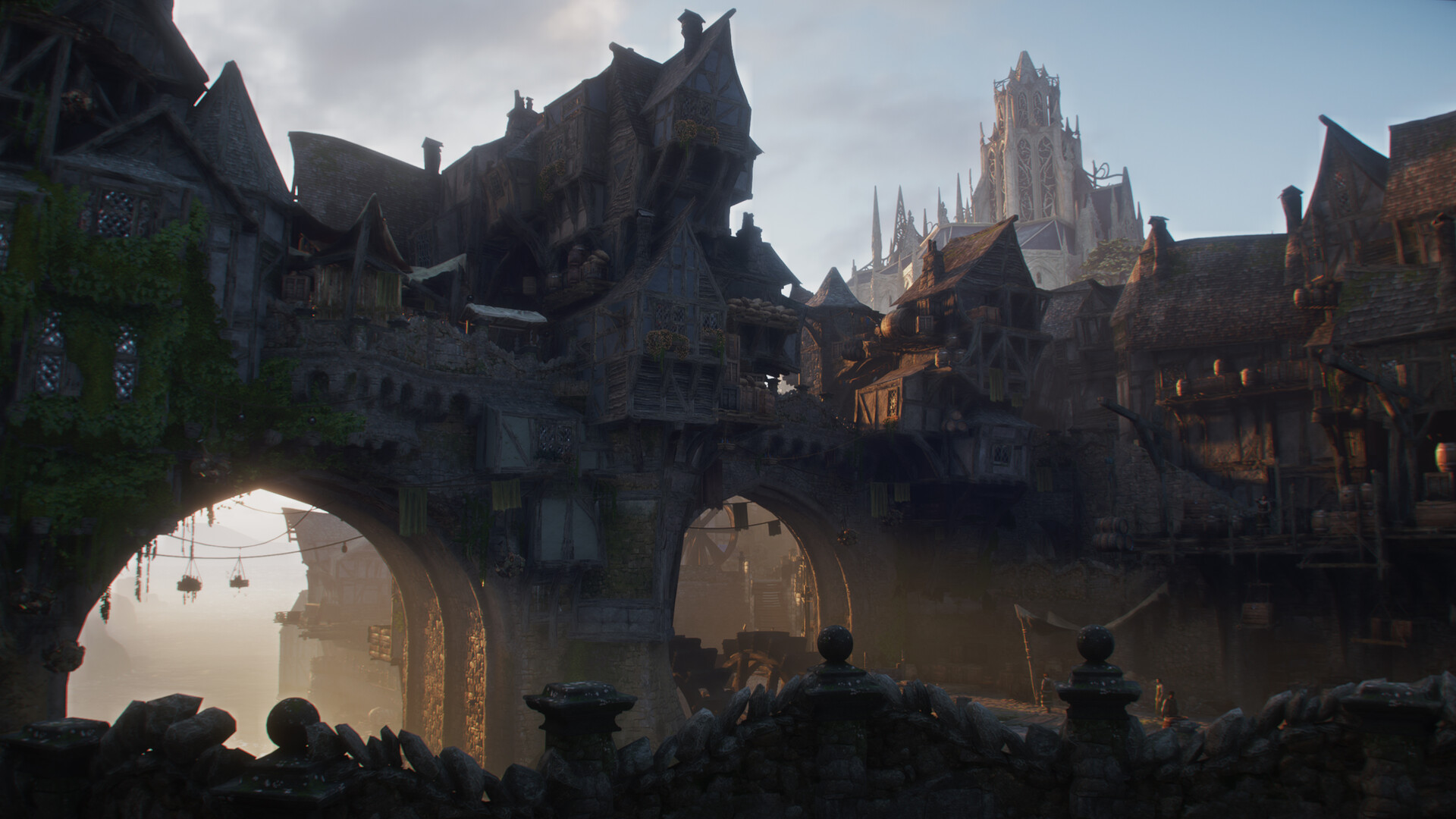
Albion contains approximately 1,000 unique NPCs, each with their own personality, daily routine, and opinions. Talking to NPCs, fulfilling their requests, and performing actions in their presence builds or damages your standing with them. NPCs react individually, not as a collective.
Romance is a significant side activity. You can court villagers, get married, and have children. Marrying more than one person in the same settlement is possible, though someone who pieces it together can blackmail you over it. Relationships affect your reputation and open up unique interactions and quest opportunities.
Humor and Tone
Fable has always been known for its British humor. The reboot leans into this with writing inspired by shows like The Office, Peep Show, and The IT Crowd. The game describes itself as "fairytale, not fantasy," meaning the stories are intimate and personal rather than grand epic quests. Expect absurd situations, dry wit, and characters who are funnier than they realize.
How Long Fable Takes
If you are planning your time, the studio has given a rough shape. The main story runs about 15 to 20 hours, with another 15 to 20 hours of side content beside it, so a thorough run lands somewhere between 30 and 40 hours. Neither number counts the open-ended parts. Owning property, running businesses and living among the settlement population have no completion point, so a playthrough lasts as long as you want to keep living in Albion.
Tips for New Players
Follow the Briar Hill breadcrumbs to Bowerstone first. It sets up the story and teaches you the core systems.
Experiment with all three combat styles early. Style weaving is more effective than specializing in one discipline.
Talk to NPCs. They have unique dialogue, give hints about hidden locations, and offer side activities.
Buy your first property as soon as you can afford it. Passive income from rent adds up over time.
Pay attention to your reputation. Actions have consequences, and NPCs remember what they see.
Explore off the main roads. Secret paths, hidden loot, and environmental puzzles reward curiosity.
Save before making big moral choices. The game lets you be good, evil, or somewhere in between, but some choices are hard to reverse.
Do not ignore the mockumentary segments. They contain character development and lore that enriches the story.