Loading...
DragonSword: Awakening is primarily a single-player RPG. Co-op is opt-in for Battle content (2 players) and Raids (3 players), joined through invite codes rather than matchmaking.
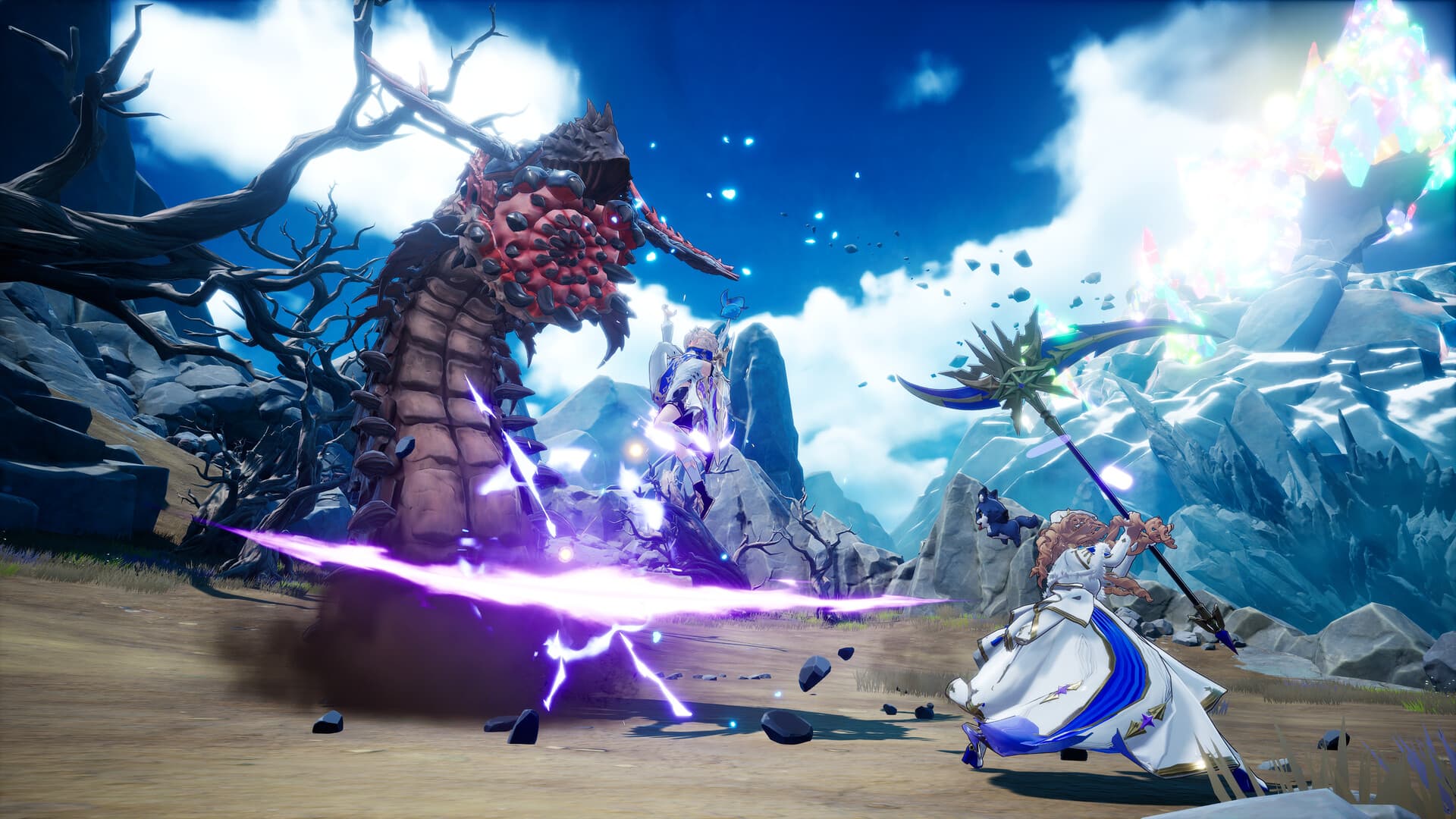
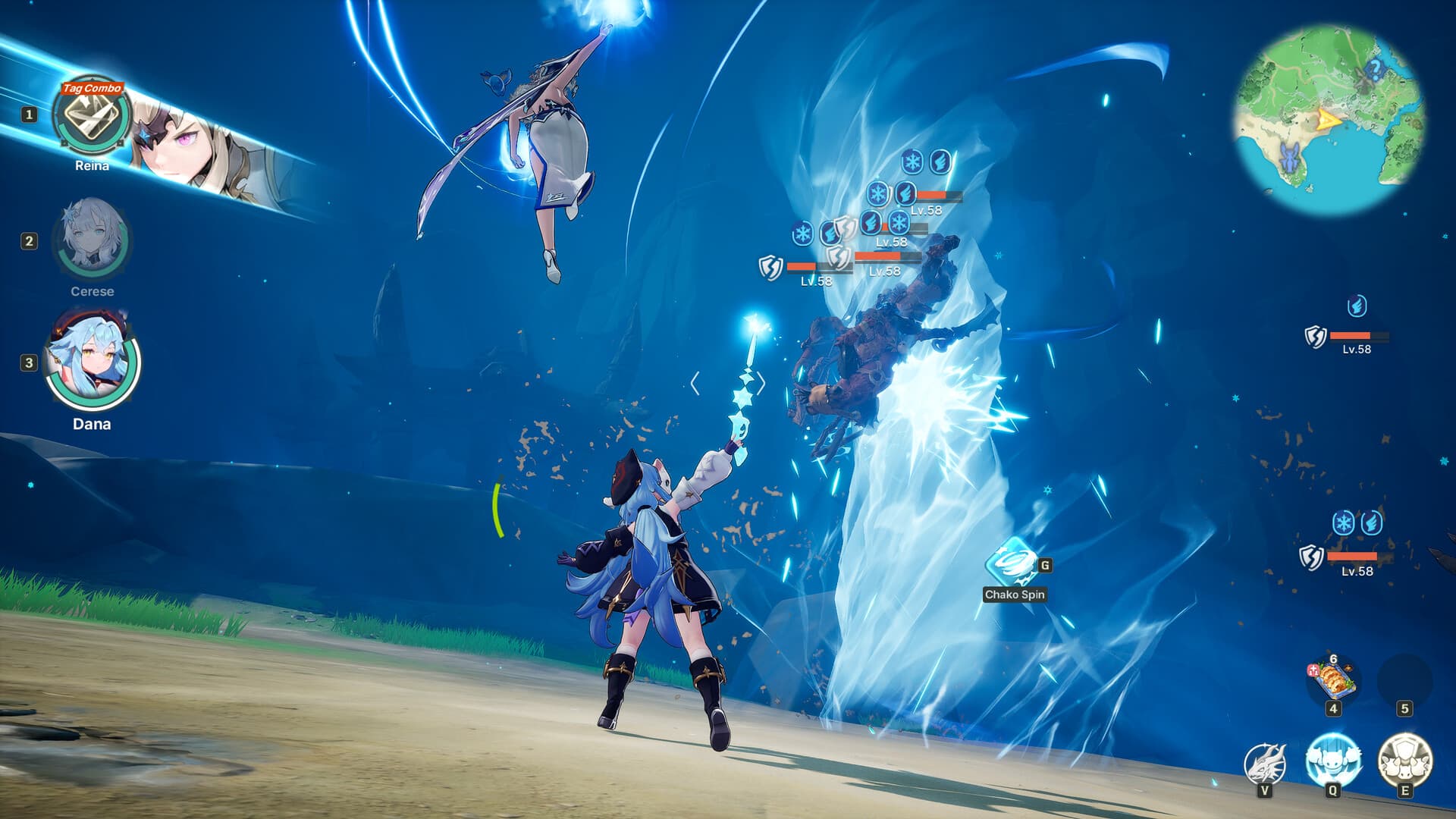
Status Ailments are the combat currency at the heart of DragonSword: Awakening. Each of the nineteen Heroes brings its own distinct ailment kit, and stacking them on a target is the setup step for Active Skills and Signal Skills. Multiple Heroes share Stun as a secondary ailment.
Karma is the exclusive-equipment system in DragonSword : Awakening. Two dedicated Karma types per Hero reshape that Hero's combat role, and exclusive Karma is crafted from Tower of Trials and World Boss materials through a fixed exchange rather than a random drop.
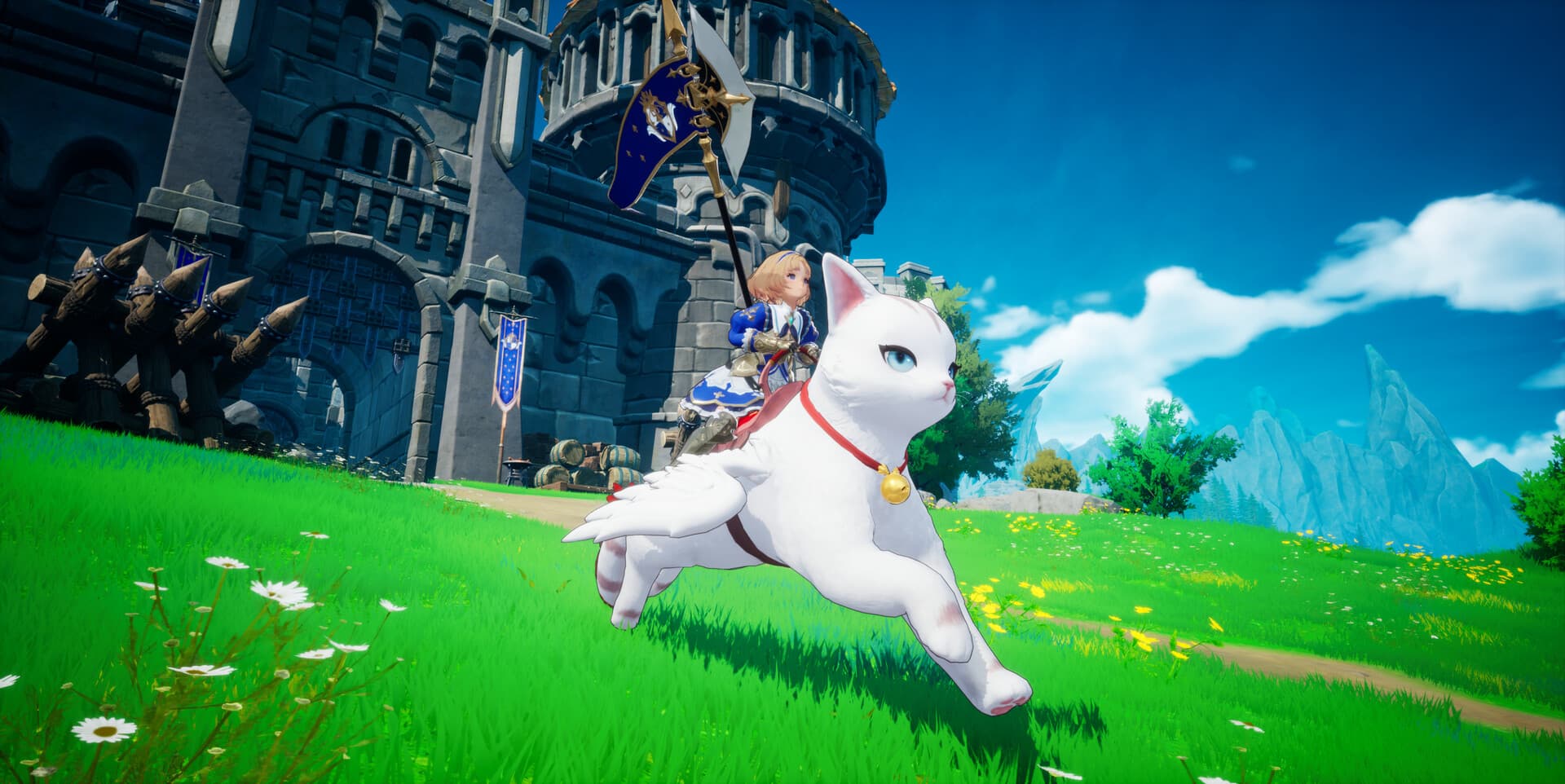
Familiars are the collectible mount companions in DragonSword: Awakening. They follow in miniature form on foot, grow to full size when ridden, and include plants, beasts, birds, insects, and dragons.
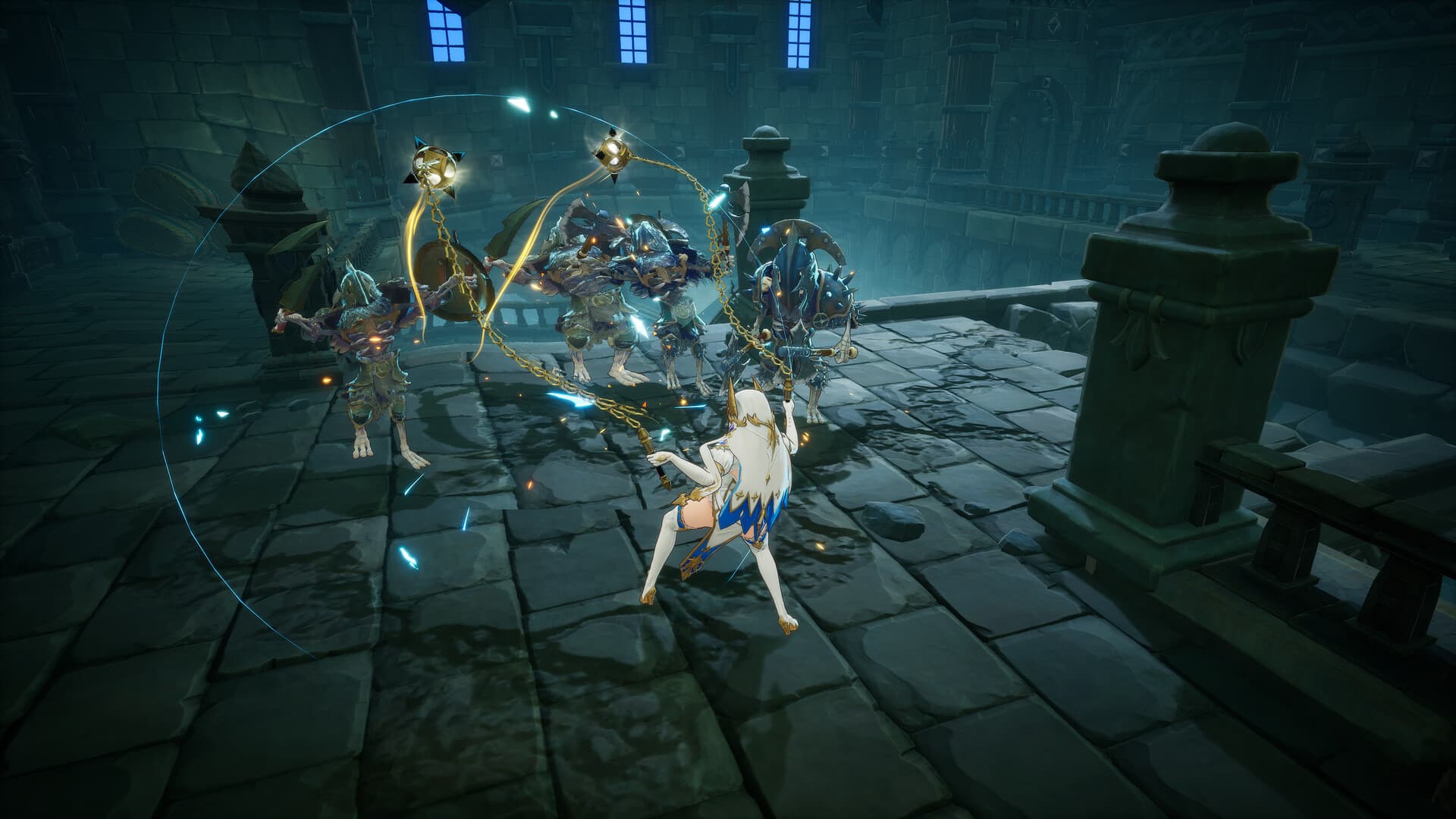
Active Skills are the per-Hero ability loadouts that form the mid-combo layer of DragonSword: Awakening's combat system, sitting between Status Ailment setup and the Signal Skill payoff.
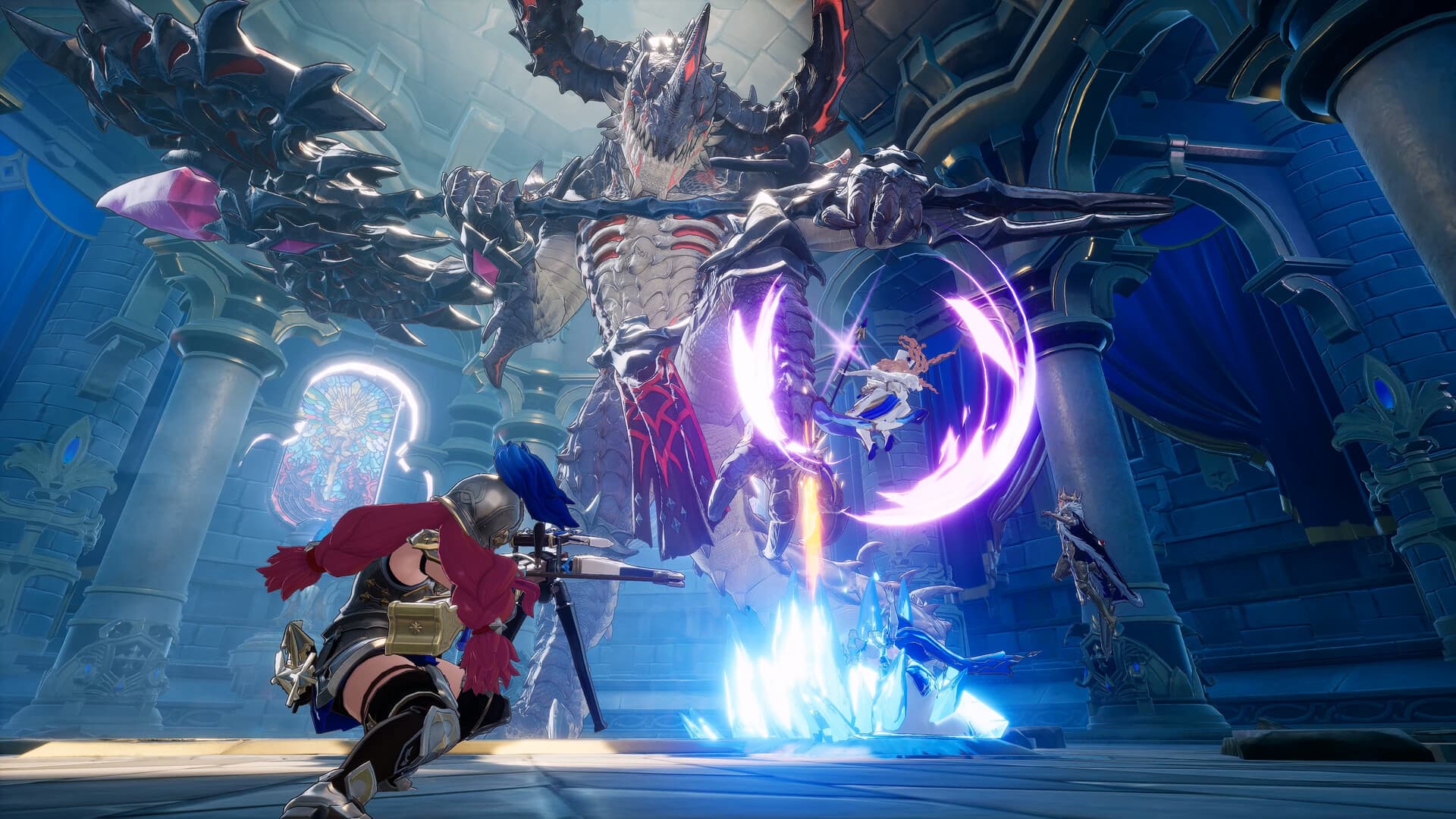
Signal Skills are the combo finisher in DragonSword: Awakening. Triggered through Switching Signals, they let Heroes tag in mid-fight to chain devastating combos from stacked Status Ailments.
Dragon Riding is the named aerial traversal feature in DragonSword: Awakening. Hound13 has said the freedom-of-movement design is inspired by The Legend of Zelda series.
Runes are the endgame growth materials in DragonSword: Awakening, dropped by raids, upgraded through star-rank synthesis, and stored in a dedicated 500-slot inventory.
The instanced content of DragonSword: Awakening: Normal, Currency and Trait Dungeons, Hunt, the Ursula Raid, and the Tower of Trials, plus how their rewards were rebalanced after launch.
Awakening is the six-stage Hero growth ladder in DragonSword: Awakening. Each stage adds or changes a Hero's abilities, and the ceiling is fixed at six.
 willowmist
 DarkKnight_X