

Overview
Diyu (地狱, literally "Earth Prison") is the Chinese underworld: the realm of the dead in Chinese mythology. It is the cosmological backdrop of Black Myth: Zhong Kui and the domain where Zhong Kui holds his title as King of Ghosts. Unlike the relatively simple Western concept of "Hell," Diyu is a complex, layered bureaucracy modeled on the Chinese imperial court system.
Structure
The underworld is governed by the Ten Yama Kings, each presiding over one of ten courts. Yanluo Wang is the most famous of these judges. In most traditions he oversees the Fifth Court (not the first, as commonly assumed), where he presides over sixteen Departments of Heart-Gouging and forces souls to confront past mistakes via the "Mirrors of Regret." Souls enter the underworld through specific gates, cross the Naihe Bridge, and proceed through the courts in sequence.
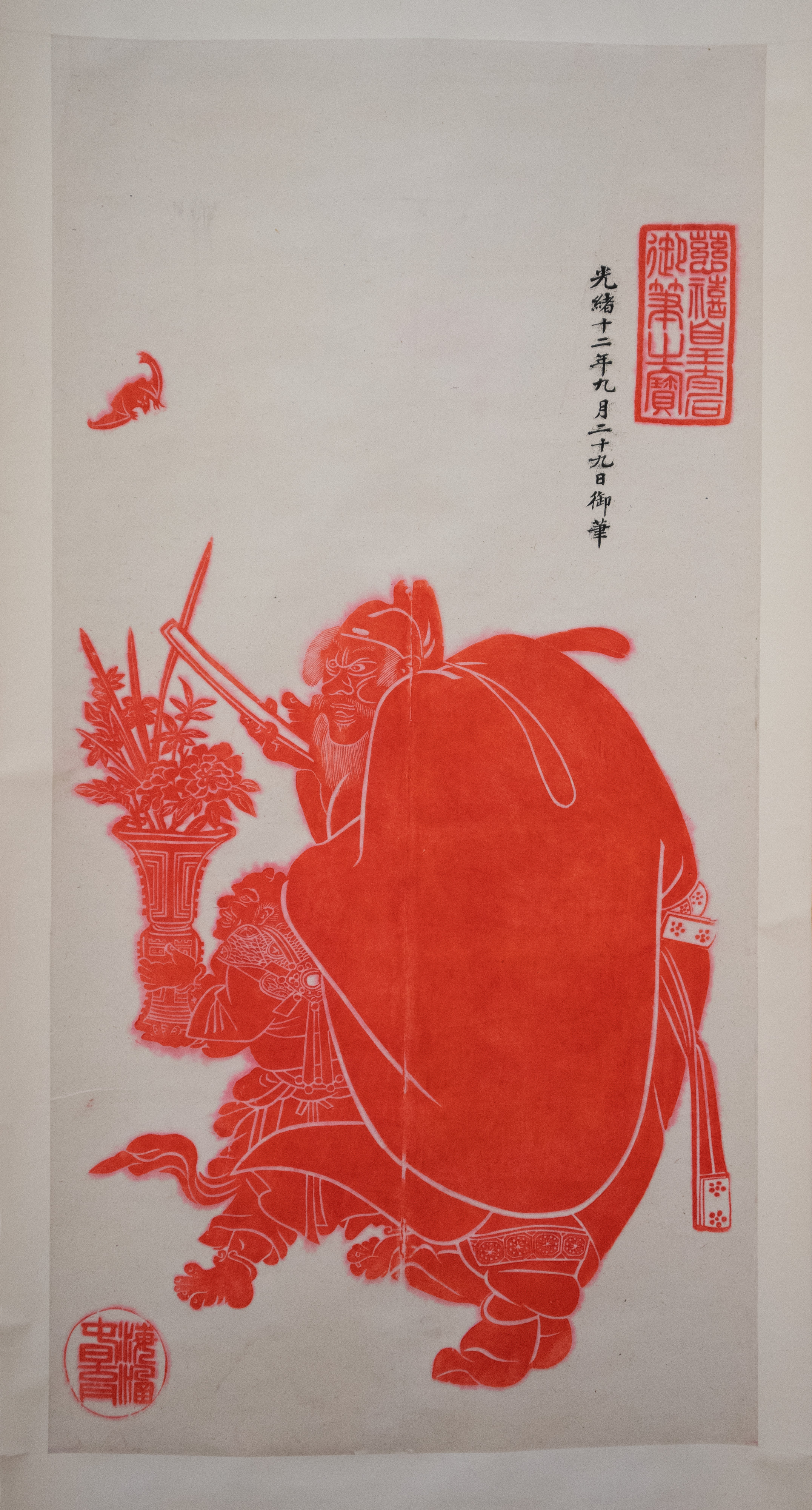
Each court examines different categories of sin. The punishments are specific and grimly creative: the Mountain of Knives, the Cauldron of Boiling Oil, the Forest of Swords, the Lake of Blood. But punishment is not eternal in most Chinese traditions. After serving their sentence, souls proceed to reincarnation. Before being reborn, they drink Meng Po's Five Flavored Soup at the Naihe Bridge pavilion, which erases their memories of the afterlife.
The Jade Record
The primary text describing the Ten Courts system is the Yuli Baochao (玉历宝钞, "Jade Record" or "Jade Guidebook"). Tradition claims a Buddhist monk named Danchi visited Fengdu (the underworld capital) in 1030 CE and brought back the account, with distribution beginning around 1098 CE during the Song dynasty. Scholars date surviving versions to the late 18th or early 19th century. The text blends Confucian filial piety with Buddhist karmic retribution. Each of the eight main courts is arranged in a circle marking compass points, with the entrance and exit courts (1st and 10th) set apart.
The Spirit Hierarchy
What makes the Chinese underworld distinct from most Western afterlife concepts is its rigid governmental structure. The dead are processed by officials, recorded in ledgers, and assigned to departments. Ghosts who escape custody are fugitives. Demons who accumulate merit can be promoted. It is a bureaucracy, and Zhong Kui sits near the top of it.
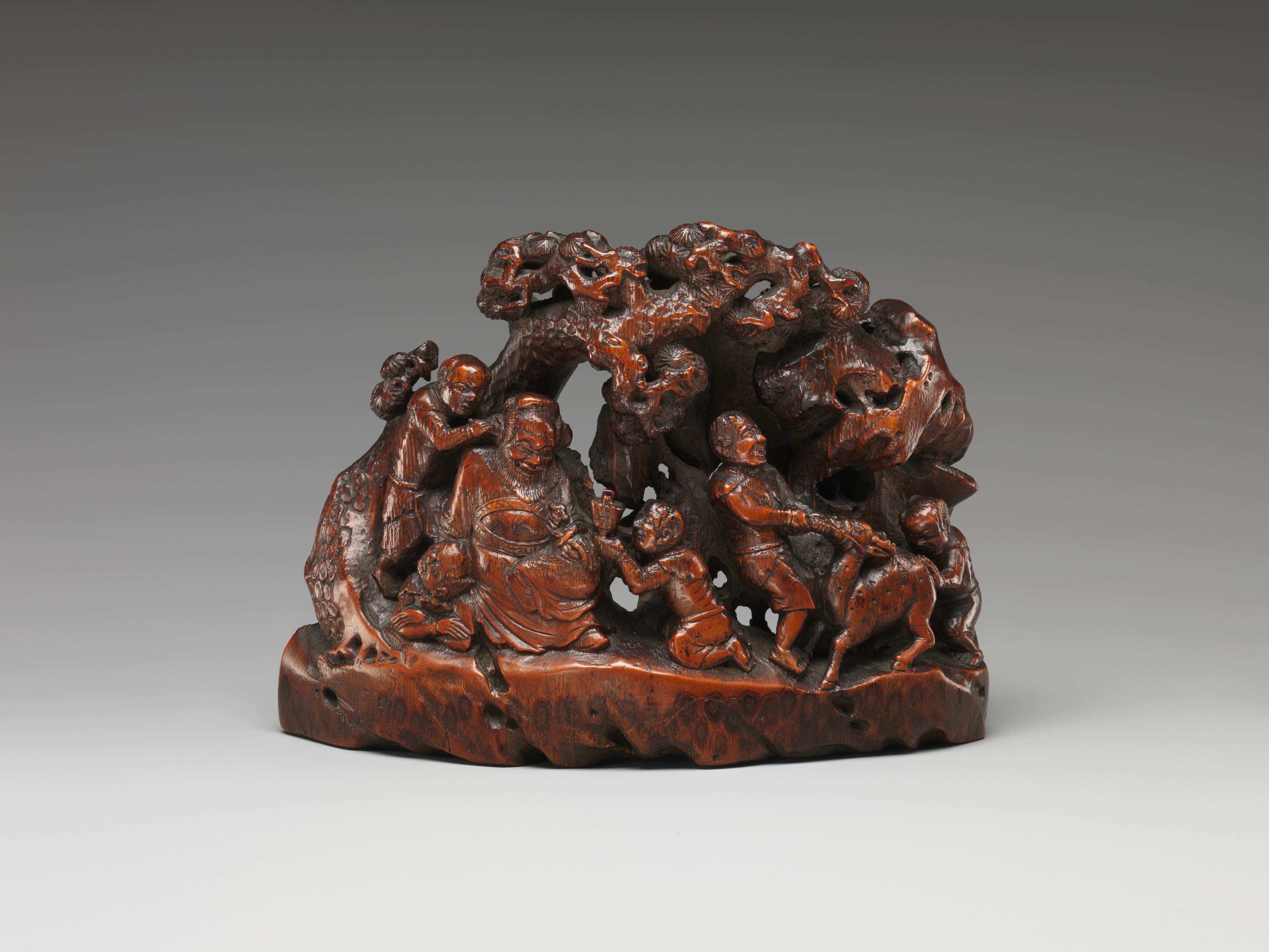
Zhong Kui commands 80,000 ghosts and demons. His role is law enforcement for the spirit world. Hunting rogue ghosts, capturing escaped demons, maintaining order between Youdu and the mortal world. This provides a natural action RPG setting: a clear pool of antagonists (rogue spirits, escaped demons, corrupt underworld officials) and a structured world to explore.
Taoist and Buddhist Influences
The Chinese underworld is syncretic. It blends pre-existing Chinese folk beliefs about the afterlife with Taoist cosmology and Buddhist concepts imported from India. The Ten Courts were heavily influenced by Buddhist ideas of karmic judgment, while the bureaucratic structure mirrors the Chinese imperial court system. Zhong Kui himself is a Taoist figure, but the underworld he inhabits draws from both traditions.
This mixing gives Game Science creative latitude. They can draw from Taoist demonology, Buddhist hell imagery, and Chinese folk ghost stories. All part of the same cultural tradition. The Taoist Exorcism tradition, with its ritual swords, talismans, and thunder magic, could inform the game's combat system.
Role in the Game
The game's tagline describes Zhong Kui as "the ghost-catching god who wanders between Hell and Earth." This suggests movement between the mortal world and the underworld. The Gamescom trailer showed earthly environments (a rain-soaked town), while the narrative premise demands extensive underworld settings.
See also: Youdu, Yanluo Wang, Ten Courts of Hell, Meng Po, Naihe Bridge.