Overview
The Ten Courts of Hell (十殿阎罗王, Shidian Yanluowang) are the judicial system of the Chinese underworld. Each court is presided over by a Yama King who evaluates specific categories of sin and assigns punishments. The system is described in the Yuli Baochao (Jade Record), a text that blends Confucian filial piety with Buddhist karmic retribution. Each of the eight main courts is arranged in a circle marking compass points, with the entrance (1st) and exit (10th) courts set apart.
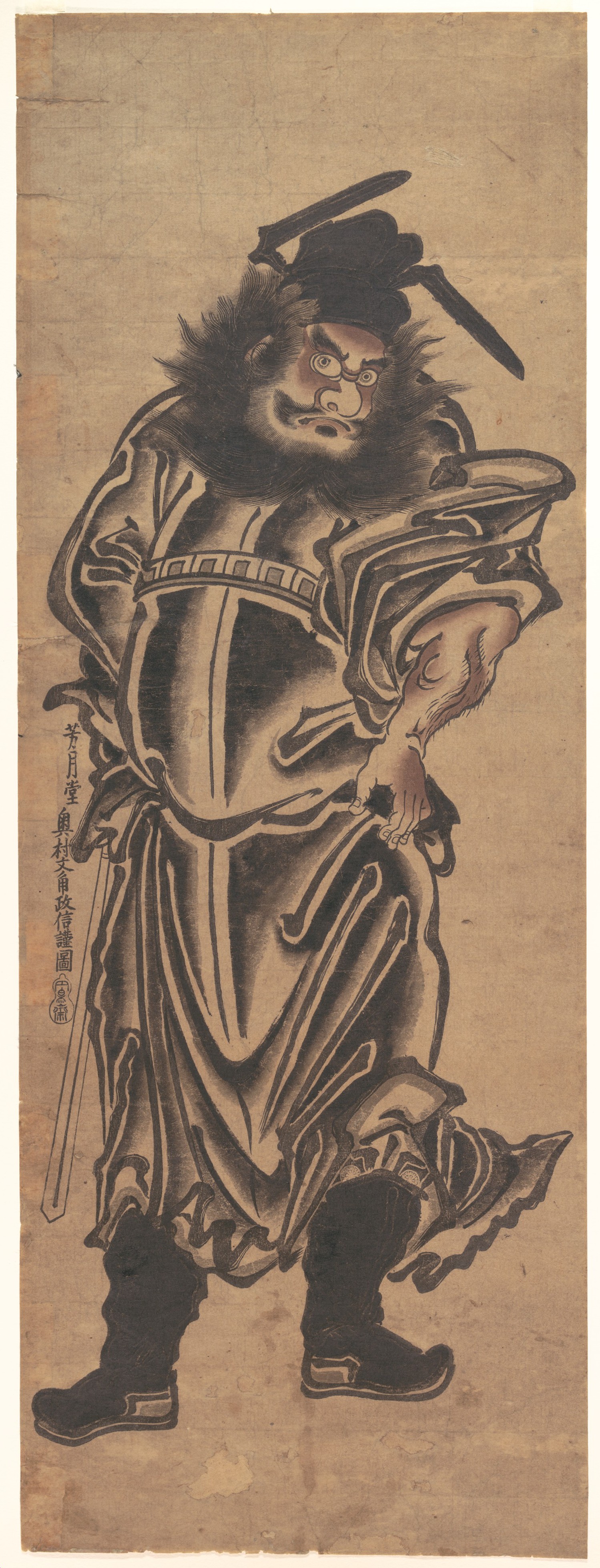
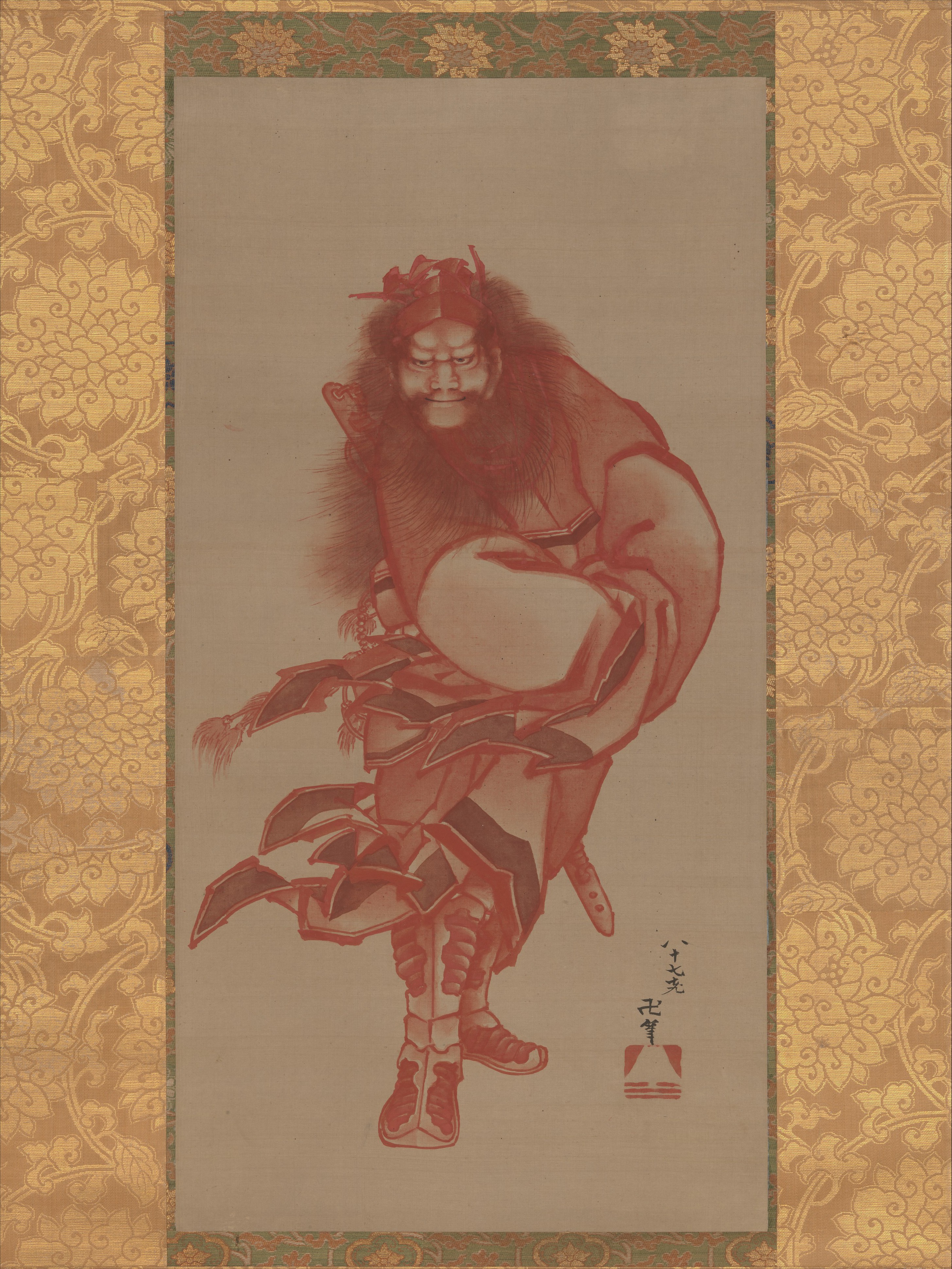
As the setting of Zhong Kui's supernatural jurisdiction, the Ten Courts are a likely source of locations, characters, and narrative beats in Black Myth: Zhong Kui.
The Ten Kings
Qinguang Wang (秦广王) First Court. Conducts preliminary trials, reviews lifetime deeds, and sorts the good from the evil. No punishments are administered here; souls are directed to the appropriate courts.
Chujiang Wang (楚江王) Second Court. Punishes robbers, the physically violent, and those guilty of prostitution. Sinners are shoved into volcanic streams or thrown into the Pool of Defiled Blood.
Songdi Wang (宋帝王) Third Court. Punishes the ungrateful, disrespectful, prison escapees, drug traffickers, and tomb robbers. Hearts are ripped out; sinners are chained to red-hot copper pillars.
Wuguan Wang (五官王) Fourth Court. The "King of the Five Offices" evaluates sins through five spirit-officials who judge killing, theft, fornication, lying, and substance abuse.
Yanluo Wang (阎罗王) Fifth Court. The most famous king. Features sixteen Departments of Heart-Gouging and the "Mirrors of Regret" that force souls to confront their past. Punishes murderers, hunters, fishers, and the lustful.
Biancheng Wang (卞城王) Sixth Court. Punishes sacrilege. Features boiling pots for arsonists and freezing lakes for liars.
Taishan Wang (泰山王) Seventh Court. Named after Mount Tai. Punishes grave violators and sellers of human flesh. Torture by mincing machine; crushed under boulders.
Dushi Wang (都市王) Eighth Court. The "Hot Suffocation Hell." Punishes urban fraud and exploitation. Features psychological torment: endless labyrinths, haunted marketplaces.
Pingdeng Wang (平等王) Ninth Court. The "King of Impartiality." Punishes arsonists, abortionists, and creators of obscene works. Oversees the city of accidental deaths. Souls impaled on razor-sharp spike walls.
Zhuanlun Wang (转轮王) Tenth Court. The "King of the Turning Wheel." Operates the Wheel of Transmigration that sends souls into new existences as gods, humans, demons, or animals. This is where Meng Po serves her soup of forgetfulness.
Game Potential
Each court has its own king, its own aesthetic, and its own specific punishments. For a video game, this is a ready-made level structure. Ten distinct underworld areas, each with a boss (the Yama King), unique hazards (volcanic streams, freezing lakes, mincing machines, endless labyrinths), and thematic enemies. Whether Game Science uses this structure directly or reimagines it is unknown, but the raw material is there.