

Overview
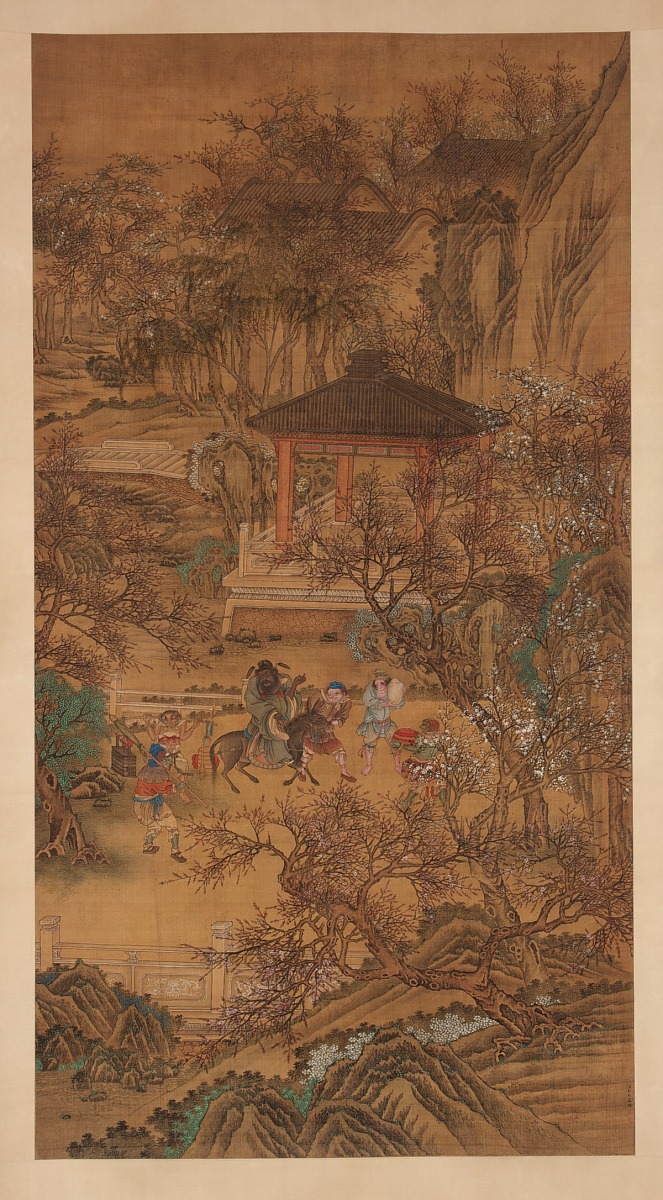
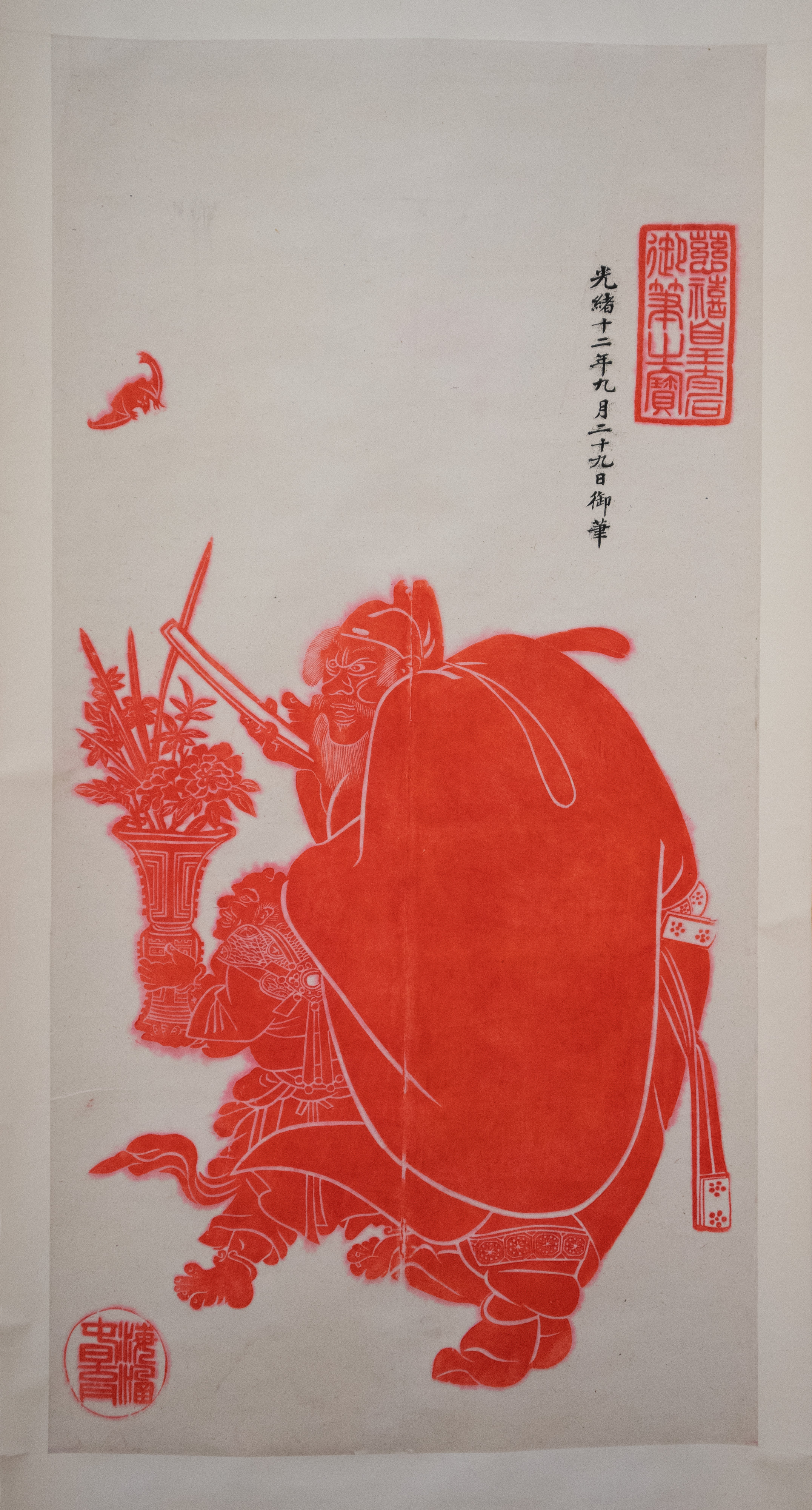
Taoist exorcism is the ritual practice of identifying, confronting, and defeating evil spirits in Chinese religious tradition. As Zhong Kui is a Taoist demon hunter, the exorcism tradition is likely to inform the combat system and supernatural abilities in Black Myth: Zhong Kui.
Ritual Process
Taoist exorcism follows a formal structure: "calling out, identification, and defeat of an unruly spirit." The process begins with visualization (a meditational journey to the celestial realm) followed by the submission of a formal decree to the appropriate deity. It is bureaucratic in nature, mirroring the governmental structure of the Chinese underworld itself. The exorcist is not fighting demons with brute force alone. He is issuing legal orders backed by celestial authority.
Ritual Tools
Taoist priests use a rich arsenal of tools (法器, Faqi) in demon-catching rituals. Many of these could translate directly into game mechanics:
Tool | Description |
|---|---|
Ritual Sword (法剑) | Steel blades with Big Dipper engravings and dragon/tiger patterns. Described as "powerful magic weapons for slashing and killing demons." The Dipper Sword wielded by Zhong Kui is a specific variant. |
Peach Wood Sword (桃木剑) | Made from peach wood, considered the "essence of the five sacred woods" since the Shanhaijing. Used to suppress evil. |
Coin Sword (金钱剑) | 108 copper coins strung with red thread in the shape of a sword. Originated in the Liu Song dynasty (5th century CE). Used to "catch ghosts and subdue demons." |
Talismans (符, Fu) | Paper inscribed with celestial script. The most recognizable tool of Taoist magic. Can be written, burned, drunk as ashes mixed with water, or worn as amulets. |
Ritual Seal (法印) | Wood, copper, or jade stamps bearing Daoist symbols. "Where the Ritual-Seal is used, the evil spirits are perishing." |
Command Token (令牌) | Wooden token with twenty-eight star names engraved. Used to command spirits during rituals. |
Holy Water Bowl (甘露碗) | Holds sacred water. The priest sprinkles it using a willow or bamboo branch. |
Ritual Flags (令旗) | Five colors (blue, red, yellow, white, black) representing the Five Elements and Five Directions. |
Thunder Rites
The Song dynasty (11th century onward) saw the rise of Thunder Magic (雷法, Leifa), the most popular new form of Taoist ritual. Thunder Rites claim the power to "summon wind and thunder, subdue demons and eliminate evil spirits, pray for sunshine or rain, and stop floods and droughts." Practitioners invoke divine generals of thunder:
Rite | Description |
|---|---|
Marshal Deng | Oversees heavenly thunder against evil |
Marshal Xin | Commands earthly thunders |
Marshal Zhang | Governs water thunders |
Marshal Tiao | Manages fire thunders |
These marshals and their thunder attacks map naturally to elemental combat mechanics. A game system where Zhong Kui invokes different thunder marshals for different attack types would be rooted in actual Taoist practice.
The Zhengyi Tradition
The Zhengyi (正一道, Way of Orthodox Unity) is the Taoist sect most associated with ritual exorcism. It traces back to the Way of the Celestial Masters and the Way of the Five Pecks of Rice, and remains one of the two major Taoist sects alongside Quanzhen. Zhengyi priests are the ones who perform the sword dances, talisman writing, and demon-catching rituals that define the popular image of Taoist exorcism.
Living Traditions
Taoist exorcism is not just historical. In Huyi District of Shaanxi and She County of Anhui, performers still dress as Zhong Kui with a ragged robe, black cap, and fearsome face paint, wielding a sword and performing tricks like breathing fire. In Taiwan and southern Fujian, Taoist masters portraying Zhong Kui perform sword dances at the end of ceremonies to drive away evil spirits. These living performance traditions keep the exorcism aesthetic current.