

This article is incomplete
Some sections are missing or need additional details. Help improve it by contributing.
Overview
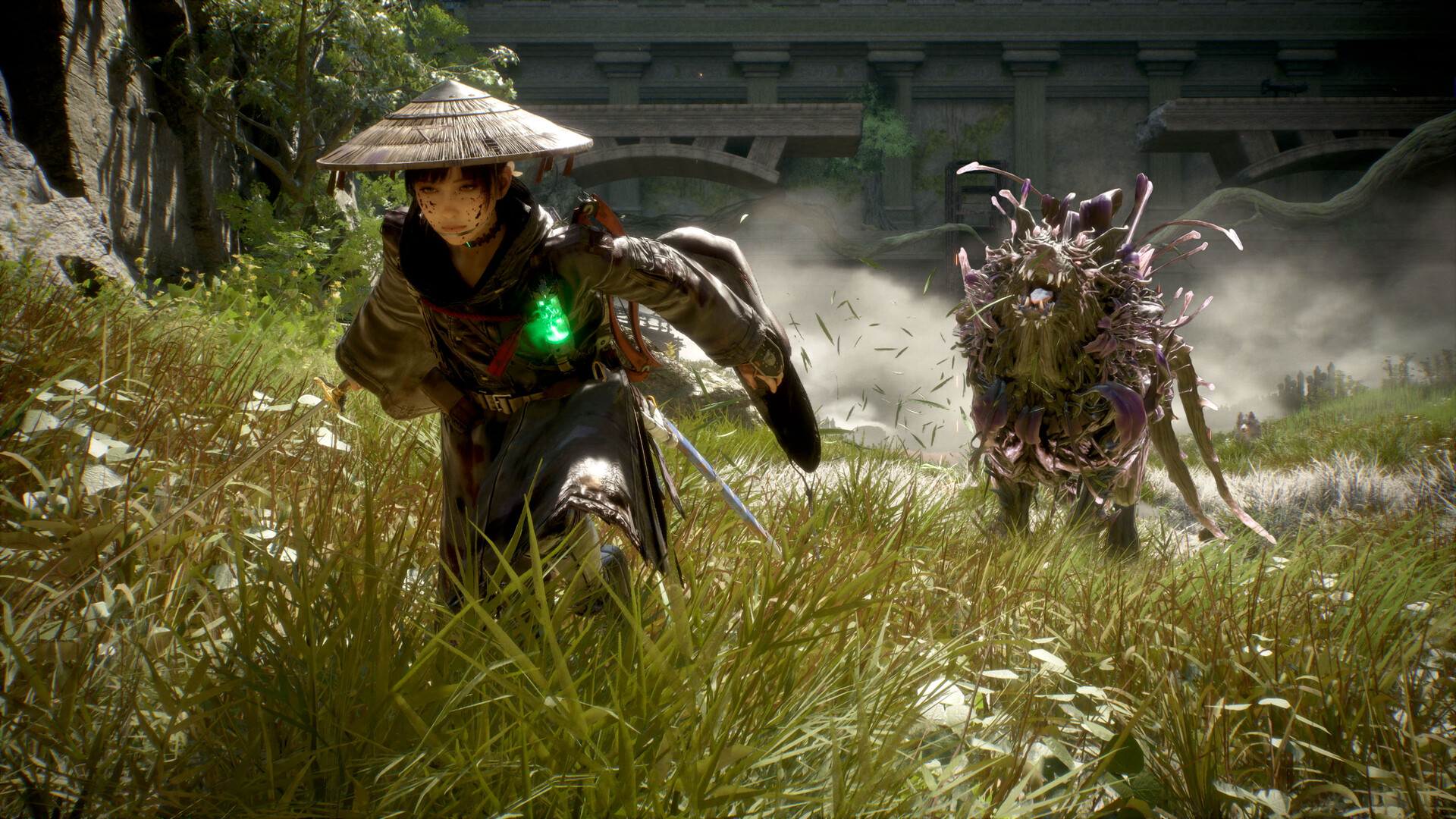
Real-time biome mutation refers to the dynamic environmental changes that occur throughout Beast of Reincarnation as players traverse the game's zones. The Blight is not a static condition in this world; it is an active, spreading force that visibly transforms the landscape. Mutations range from slow, gradual creep to sudden, dramatic transformations that reshape the playable space in the middle of combat.
Director Kota Furushima has framed the system as central to the world's identity: the player is moving through a place that refuses to stand still. Memorisation of a specific layout cannot guarantee success, because the layout is part of the antagonist.
How the Game Describes It
Official store copy sets the terms: a world of impermanence, where forests suddenly burst forth amidst the wasteland, and ever-changing scenery in the blighted forest. That is the whole of the official framing, and the game does not put a system name or a meter on the interface for it.
Consequently the entries below are read from how the world behaves in play rather than from a documented ruleset, and none of them is a mechanic the player can spend a resource on or upgrade. The one place the shipped game formalises a terrain change is in scripted set pieces: version 1.0.8 converted one mid-route battle in the Fuji Frontier Zone into a scripted event rather than a free encounter, which is the same design lever applied to a fight instead of to the ground. Version 1.0.9 pulled the same lever again on August 24, converting the boss battle in The Great Wall Terraces into an event battle. Two staged encounters in two patches is a pattern worth noting: where the world does change shape around a fight, it is because the game scripted that change, not because a biome system produced it.
Observed Change Types
Mutation Type | Tempo | Effect | Where It Happens |
|---|---|---|---|
Plain to forest | Gradual (over exploration) | Plains and wastelands transform into forests, with vegetation creeping across surfaces | Open zones, particularly near Nushi territories |
Forest eruption | Abrupt (mid-encounter) | Barren wasteland erupts into a dense, dangerous forest, sometimes mid-fight | Blighted forests concentrated zones |
Arena shift | Mid-encounter | A flat clearing becomes a labyrinthine forest, forcing tactical adaptation in the middle of an encounter | Boss arenas and key combat spaces |
Spawn surge | Triggered | New Malefact spawns appear inside terrain that did not previously contain them | Heavily Blight-saturated areas |
Lighting and atmosphere | Gradual | Ambient lighting shifts as Blight intensifies; ground textures change from barren wasteland to corrupted overgrowth | Boundary zones between safe and Blighted regions |
Scripted Versus Reactive
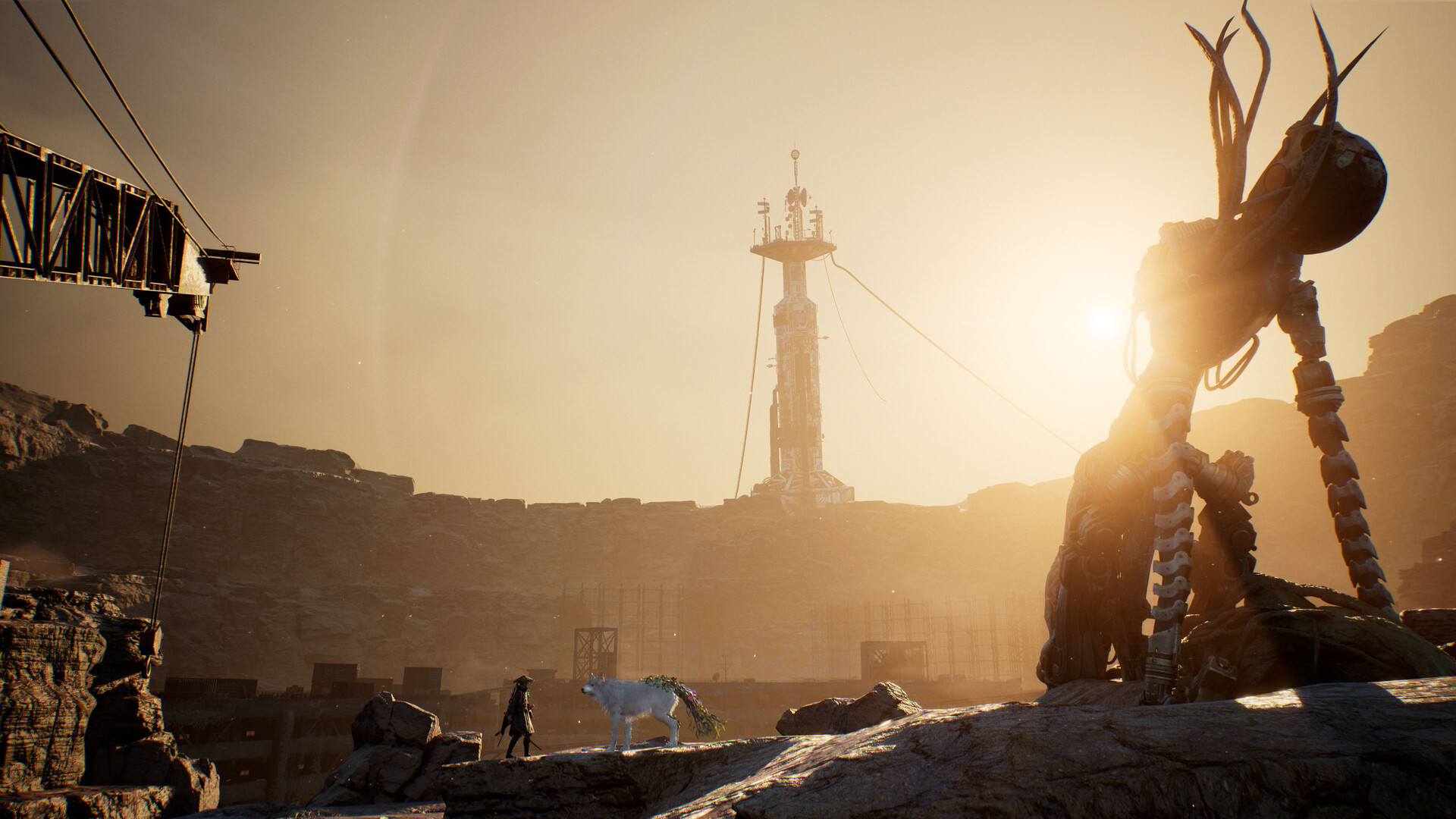
Not every change fires off the same rules. The working distinction is between transformations tied to a deliberate story or arena beat and slower shifts that read as the Blight advancing wherever Emma happens to be. The game does not label either class in its interface, so the split below is descriptive rather than a stated system.
Class | Trigger | Example |
|---|---|---|
Scripted | Story or arena beat. Fires once Emma reaches a specific point or once a fight enters a specific phase. | A barren arena that bursts into dense forest in the middle of a Nushi encounter, locking the player into a new spatial puzzle for the rest of the fight. |
Reactive | Player position, time spent in a zone, or how many Malefacts have spawned around the player. | Plains-to-forest creep that intensifies the longer Emma lingers near an active Nushi territory. |
Gameplay Impact
Biome mutation affects combat, exploration, and traversal in different ways.
Combat. Shifting terrain changes encounter dynamics mid-battle. A flat arena might sprout obstacles that break line of sight, or elevated terrain might emerge that provides new vantage points for ranged attacks.
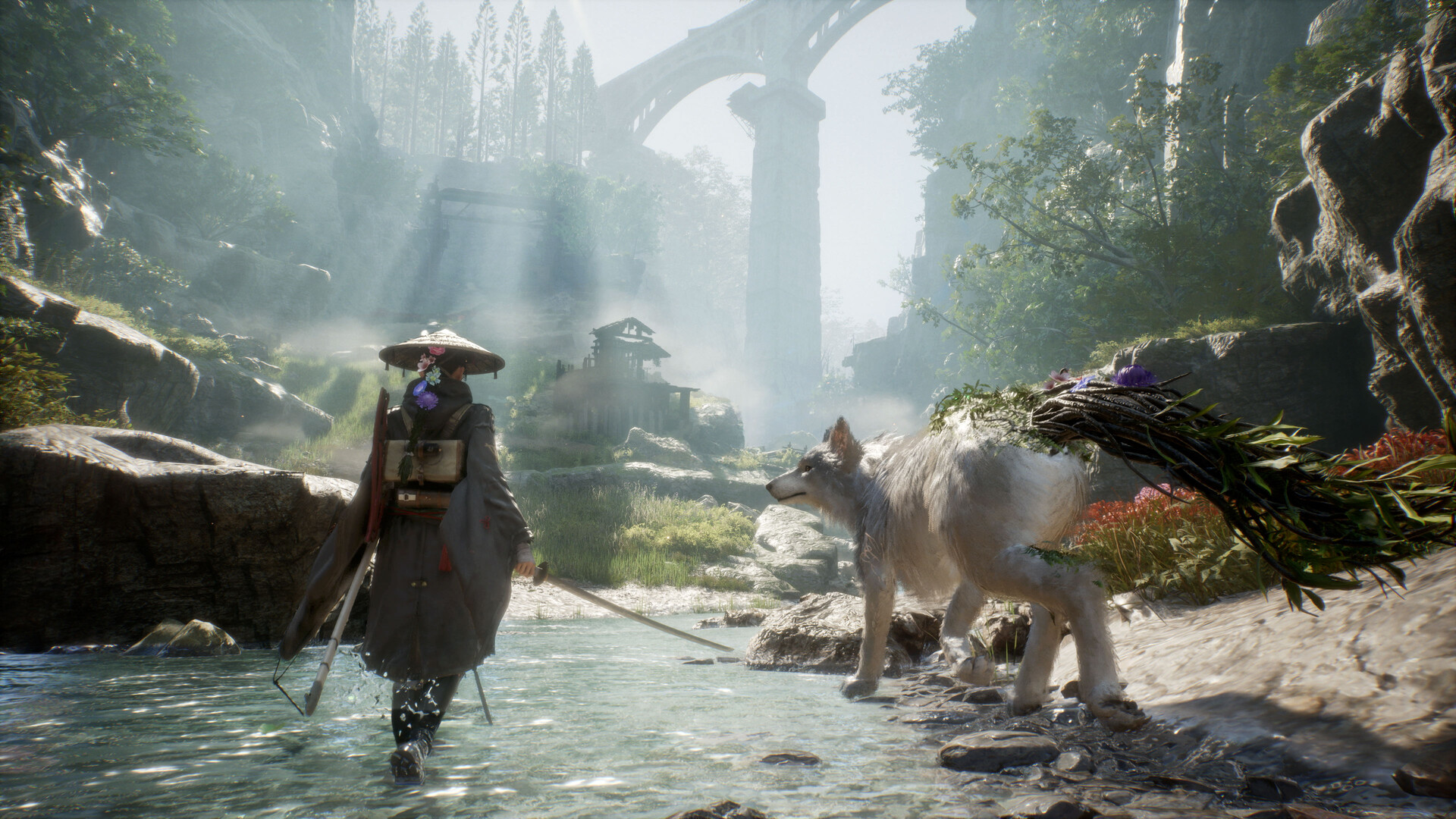
Exploration. Mutations can open new paths or close existing ones, encouraging players to use Emma's Plant Abilities to navigate around obstacles that were not there moments before.
Density. The changes read as most active inside the blighted forests, which the official description credits to the Nushi that generate them. Outside those areas the shifts are slower and less extreme, closer to atmospheric texture than to an active gameplay modifier.
Playing Around Sudden Terrain Changes
The table below is player-facing advice worked out in play, not a documented ruleset. None of these situations has a name or a rule in the interface.
Situation | Counterplay |
|---|---|
Mid-fight forest eruption | Treat the eruption as a forced reset. Disengage to re-establish positioning rather than anchoring the fight to the original arena geometry. Use the new line-of-sight breaks to pressure heal-and-reset windows through the Parry System rhythm rather than open-field swings. |
Spawn surge behind the player | Keep camera awareness wide in heavily Blighted zones. Treat a sudden Malefact spawn behind Emma as a routine consequence of standing too long in one place rather than an ambush bug. |
New vertical terrain | The bow and crossbow shine when terrain reshapes vertical space. A forest eruption that pushes new canopy up can be re-read as a sniping vantage when Emma climbs onto it. |
New vine clusters | Plant abilities turn freshly grown vine clusters into traversal platforms instead of just obstacles. Vine grapples and wall climbing can be staged through structures that did not exist a minute earlier. |
Interaction with Nushi Territories
Official material ties the blighted forests themselves to the Nushi: the store description states that blighted forests are generated by the giant Malefacts called Nushi, which is the one documented link between a boss and the state of the ground around it. Nothing in the interface or in any official text describes a mutation radius around a living Nushi or a measurable change to the surrounding map once one is defeated, so reading the intensity of the transformation as a proximity cue is inference rather than a stated rule.
Thematic Role
Biome mutation reinforces the game's central narrative about a world in ongoing transformation. The Blight is not a past event the player explores the aftermath of; it is a present, living process that continues to reshape the world while the player moves through it.
This puts Beast of Reincarnation in conversation with action RPGs that feature procedurally shifting environments, but the mutation here is authored rather than randomised. The game never states what decides where a transformation fires, or whether it has anything to do with which Nushi territories are still active. The system also reinforces Emma's sealer role: she is not just a combatant moving across a map, she is the only figure on the map who can push back against the mutation itself.