

Overview
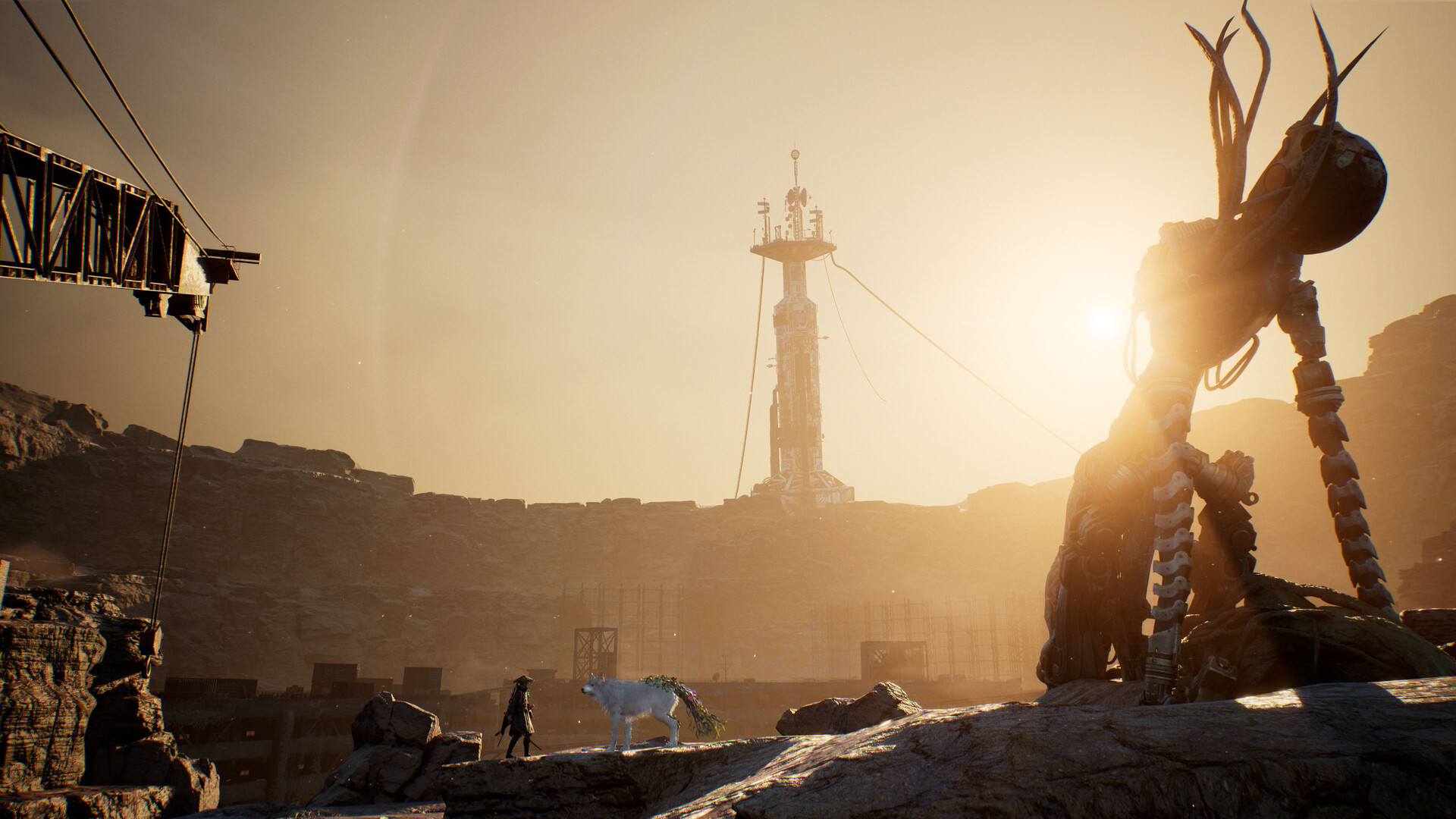
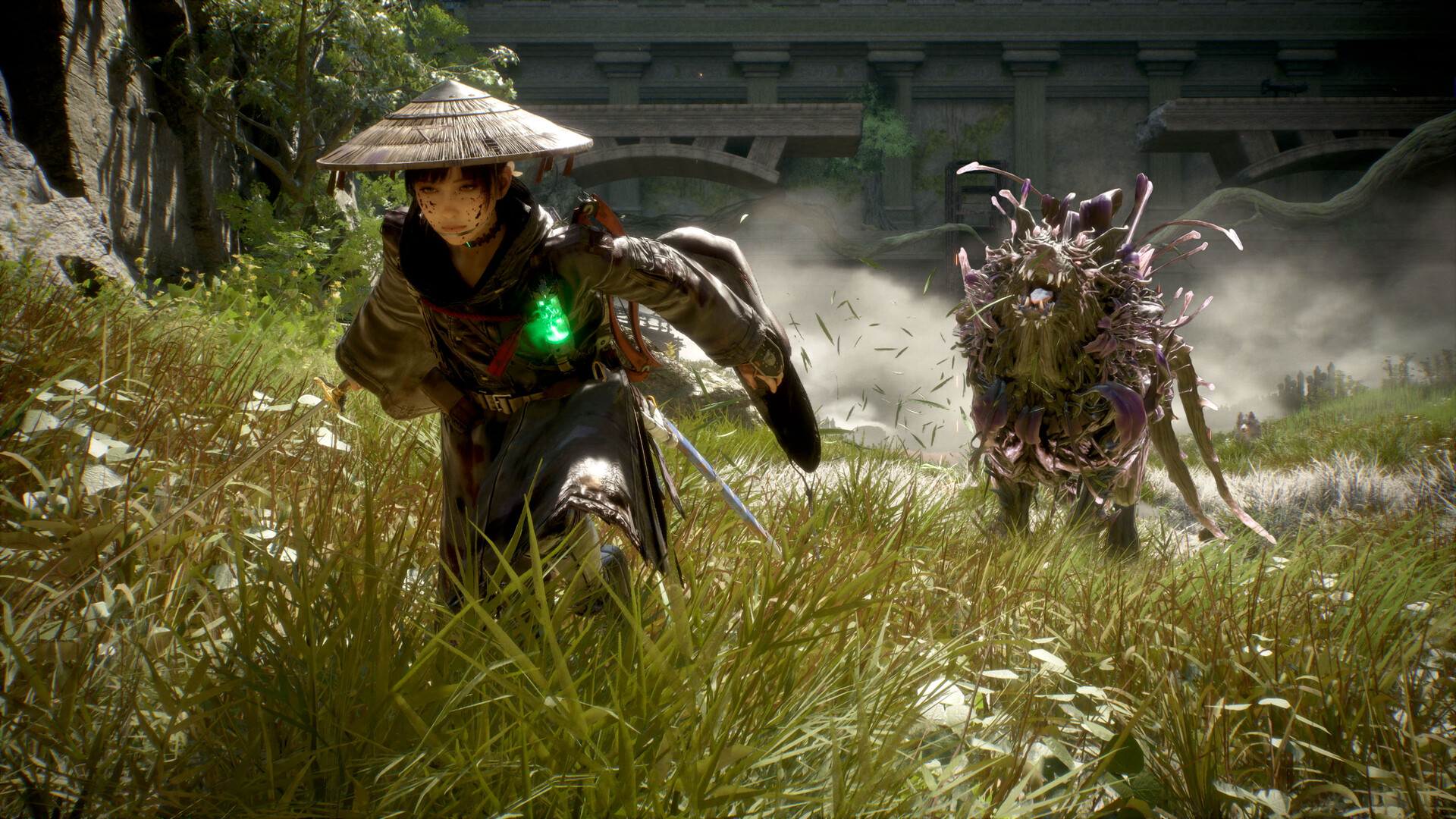
The Blight is the central antagonistic force in Beast of Reincarnation. It is described as a parasitic phenomenon that transforms living organisms into monsters called Malefacts and causes forests to erupt instantly across the landscape. The Blight is not merely a disease. It is an existential threat that has devastated civilization, corrupted the natural world, and continues to spread across post-apocalyptic Japan in the year 4026.
Effects
The Blight's corruption manifests in several interconnected ways:
Trait | Effect |
|---|---|
Creature Transformation | The Blight transforms living organisms into Malefacts. Some are tree-like monsters, while others are merged with animal bodies, the Blight fuses the original creature with plant matter, creating monstrous hybrids of their former selves. |
Environmental Eruption | The Blight causes forests to erupt instantly in affected areas. The world changes in real time as part of its natural cycle, with plains and wastelands gradually transforming into forests. In some areas, the transformation is abrupt, giving rise to unseen Malefacts that emerge with the rapidly growing vegetation. |
Powerful Malefacts, particularly Nushi, generate entire Blighted Forests around themselves. These corrupted zones function as dungeons that players explore, filled with hostile creatures and environmental hazards. | |
Human Affliction | Humans born with Blight corruption, like Emma, are fused with plant matter and may lose their memories and emotions. They are typically feared and ostracized by society. Emma's blight power originates specifically from her ponytail, manifesting as vine-like hair she can manipulate as weapons and traversal tools. |
The Beast of Reincarnation
The source of all Blight is the titular Beast of Reincarnation, the game's central antagonist and ultimate objective. The Beast's appearance resembles an elk-like creature that accelerates the growth and decay of flora it touches. Plants bloom and wither in its wake. This reflects the cycle of reincarnation embedded in its name. Emma and Koo's mission is to defeat the Beast and end the Blight's spread across the world.
To ultimately defeat the Beast, Emma and Koo must first absorb the immense power of the Nushi, massive boss Malefacts scattered across the land, and acquire their respective skills. Each Nushi defeated weakens the Beast's power structure, making the journey to confront it a progressive dismantling of the Blight from the periphery inward.
Sealers
Sealers are individuals who hunt Malefacts and absorb their Blight into their own bodies. Emma is known as "Emma the Sealer". Sealing blight is both her purpose and her curse. She can cure the Blight in the overworld and absorb essences from defeated enemies to unlock new abilities. Each Nushi she defeats causes a new flower to sprout in her hair, a visual marker of her growing power and her increasing burden of absorbed corruption.
Sealing
Official material puts the mechanic in one sentence: as a sealer, Emma hunts malefacts and absorbs their blight. The game frames putting a Malefact down as sealing it rather than killing it, which is why the corruption ends up inside Emma rather than dispersing.
What she gets back for it is concrete. Beating one of the six Nushi hands her that creature's power as a Nushi Skill, a Blade Art and a finisher, each named after the plant bound to that fight: sakura for Rangifer, dokuzeri for the poison line, botan, nobudou, asagao, kiku. The Blight is the progression system as well as the antagonist.
Blight Power
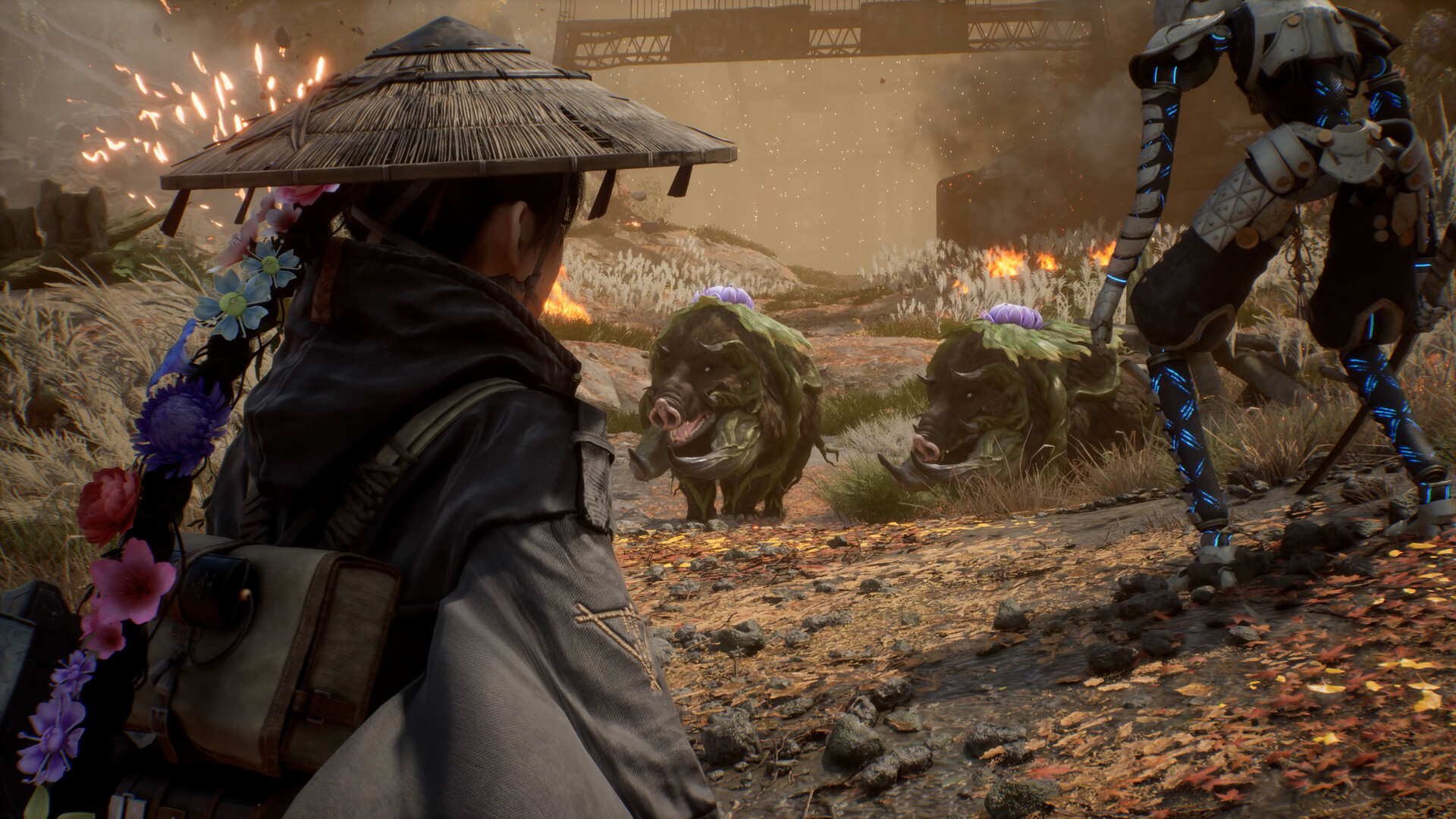
Both Emma and Koo share what is described as "Blight Power," evidenced by matching vine-like markings on both of them. Emma's blight power originates from her ponytail, while Koo's connection to the Blight manifests through his vine-branch tail. This shared affliction is what allows them to form their paradoxical partnership, a Sealer and a Malefact united by the very force they fight against.
The nature and origin of that shared power is answered in the back half of the campaign. That material is a heavy story spoiler and currently rests on a single guide source, so this wiki is holding it rather than summarising it here.
Blight as a Combat Layer
Out on the road the Blight also shows up as the damage-type system. Every corrupted creature carries an innate weakness, displayed as an icon beside its health bar, with the build-up gauge for whatever status is being applied on the other side. Poison, flame, acid and lightning are the elemental attributes, and rupture, destructive, explosive and bind sit alongside them as physical effects that weaken a target, break its shield or hold it still.
The same effects land on Emma and Koo when the enemy is the one dealing them, which is what elemental resistance on armor is for. Every one of the six Nushi is weak to one of them.
Two of the effects work in pairs rather than on their own. Oil leaves a target Oily, and a flame hit on an Oily target produces Scorched, which burns harder and longer than an ordinary burn. Water works the same way from the other side: a drenched target hit with lightning takes Jolt, which deals lightning damage and stuns. That is the reason an oil bottle or a water-carrying blade earns a slot even though neither does much damage on its own, and it is worth checking before a fight whether the enemy is easier to set up than to out-damage.
The traffic runs both ways. When the same effects land on Emma and Koo, consumable items clear them, and so does Mod: Healing Energy on Koo's side, which is the difference between a poisoned stretch of a zone costing a few seconds and costing a run back to a campsite.
Buddhist Symbolism
The Blight and its associated imagery are steeped in Japanese Buddhist symbolism. Red spider lilies (higanbana) feature prominently throughout the game's visual design. In Japanese culture, the higanbana symbolizes death, the afterlife, and reincarnation. It is said to bloom along the paths that guide the dead. The game uses spider lily imagery extensively, connecting the Blight's cycle of corruption and rebirth to Buddhist concepts of the cycle of death and reincarnation.
The Beast of Reincarnation itself embodies this cycle, an entity that accelerates growth and decay simultaneously, causing flora to bloom and wither in its presence. The game draws from broader Japanese Buddhist and Shinto traditions, weaving these spiritual concepts into its world-building and narrative.
Thematic Significance
The Blight embodies the game's exploration of the relationship between civilization and nature. Director Furushima cited Princess Mononoke as a key influence, corrupted creatures threatening the natural order mirrors the Tatari Gami of Miyazaki's film. The Blight represents nature's violent reclamation of a world where humanity once thrived, while the Golem faction represents humanity's technological escape from that same nature, mechanical bodies inhabited by human minds that transferred themselves millennia ago.
Emma herself occupies a middle ground between these extremes: a human fused with the Blight's plant matter, neither fully human nor fully corrupted. Her ability to both absorb and cure the Blight makes her the fulcrum on which the world's fate balances.