Loading...
Loading...
Weapon Crafting
May 25, 2026 at 03:57 PM
Added Materials and Mission Rewards table (Hanner, Charcoal, Findium, Still/Burning Crystal of Eternity, Frozen/Tempestuous Orb of Origins) and Kalbram Supplies mission name; added Healing and Combat Resources section cross-linking Flovian Flask
Weapon crafting is part of the broader Progression System in Vindictus: Defying Fate. Players collect materials from defeated bosses and from exploration throughout the game's regions to create new weapons or upgrade existing ones. The crafting system ties gear progression to combat performance: the harder the boss, the better the materials it drops.
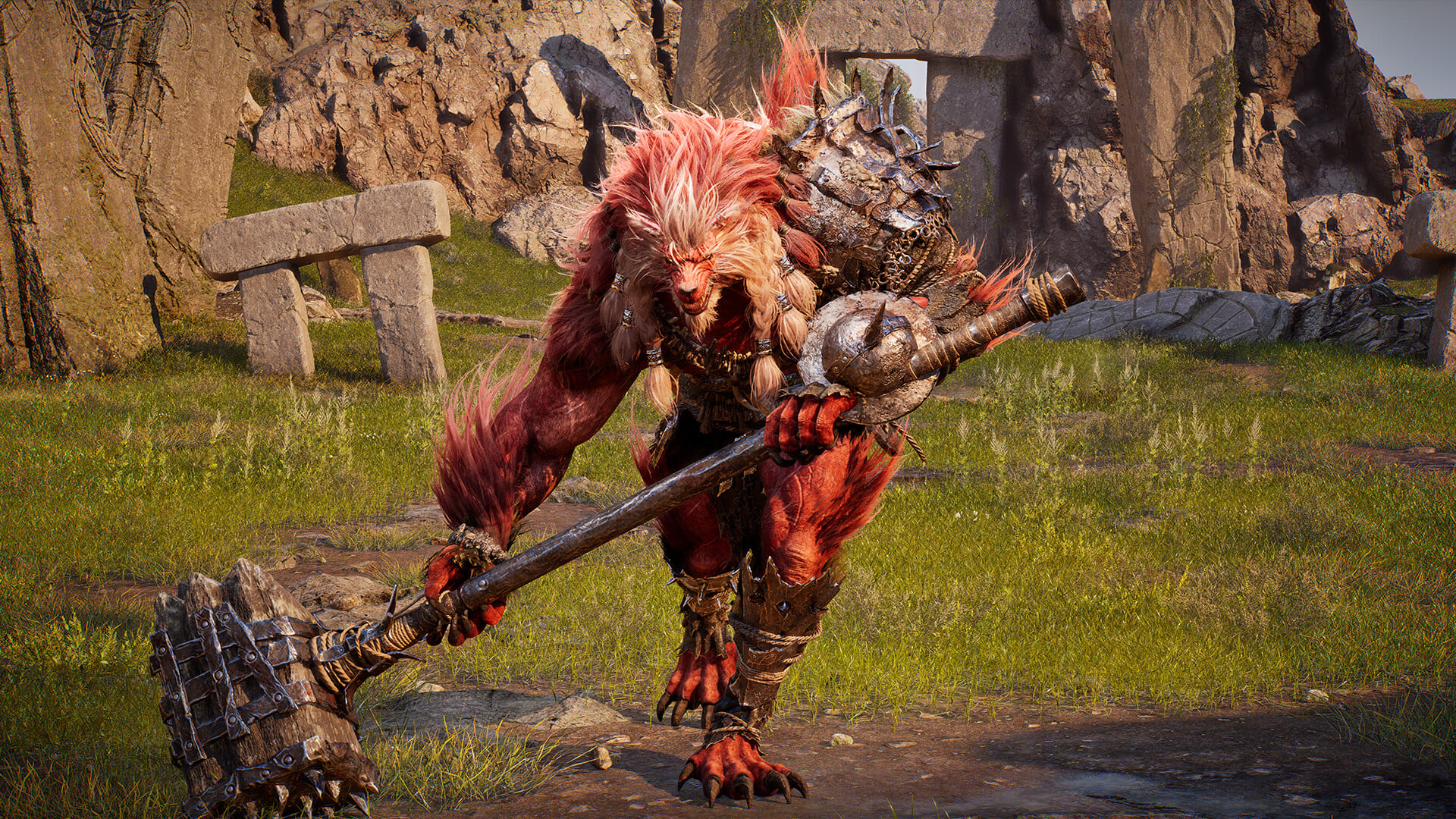
Players acquire weapon Blueprints by defeating bosses and completing Special Missions. Once a Blueprint is obtained, the player visits Graham, the blacksmith in Colhen, and selects the "Craft & Enhance Weapons" dialogue option to begin the workflow.
Crafting requires Hanner (the game's in-world currency) plus materials such as Charcoal and Findium that are gathered through exploration, breakable objects, and mission rewards across the Northern Ruins and the Frozen Valley.
Weapons are character-specific: only Lann can use Twin Swords, only Delia can use Bastard Swords, and so on. However, Blueprints obtained by one character are available to all characters on the same account that meet the requirements. This means time invested grinding for a Blueprint pays off across the whole roster.
Crafted weapons function more like stat-boosting equipment than traditional inventory items. They are equipped through the Fitting Room interface at the Boutique rather than through a standard equipment menu. They do not occupy regular inventory slots; instead they act as skin-style upgrades that improve the character's stats while the weapon is active.
That design separates weapon progression from materials management. Players do not have to worry about a crafted weapon taking up bag space, and switching between crafted weapons on the same character happens through the Fitting Room.
Beyond initial crafting, weapons can be enhanced to increase their Weapon Level, which boosts character stats accordingly. From the same blacksmith menu, players select Enhance and pay the required Hanner cost along with various resources obtained from exploration and mission rewards.
Enhancement raises a fixed set of combat stats in a linear and predictable fashion, rather than relying on random chance:
Stat | Effect |
|---|---|
Attack | Higher base damage on all combo hits and active skill damage. |
Critical Chance | Increased probability of landing critical hits during combat. |
Precision | Influences how reliably hits land at the intended damage level and how favorably damage interacts with target resistances. |
Each enhancement step consumes materials and Hanner, and the materials required grow scarcer at higher levels. There is no random failure or destruction chance at enhancement, so progress is steady rather than gambling-style. The original Vindictus had a well-known risk-of-destruction enhancement system; Defying Fate replaces that with a linear, predictable upgrade path.
Each weapon has a hard cap on enhancement levels. Once a weapon hits its cap, further upgrades are not possible on that specific weapon. To continue progressing in damage, the player needs to craft a new weapon from a higher-tier Blueprint, which itself starts unenhanced and requires a fresh enhancement cycle.
This cap means weapon progression has a built-in tempo: craft, enhance to cap, then graduate to a new Blueprint when one becomes available from a tougher boss. It prevents indefinite scaling on a single weapon and ties power growth to clearing new content.
Weapon crafting and enhancement are both accessed through Graham, the blacksmith in Colhen. Players return to town between missions to manage their equipment. Graham handles all weapon forging needs for the entire roster; there are no per-character or per-faction blacksmiths in the current build.
Each character uses a unique weapon type and crafts within that type only:
Character | Weapon Type |
|---|---|
Twin Swords | |
Longsword and Shield | |
Battle Pillar | |
Bastard Sword |
Crafted weapons are character-locked. They cannot be traded between characters, and a Lann weapon will never appear in Fiona's loadout. Higher-tier weapons generally improve base damage, provide passive bonuses, and may alter the visual appearance of the weapon in the Fitting Room.
Weapon enhancement and ability progression draw from a shared pool of named materials that drop from boss kills, Special Missions, and Kalbram Supplies runs. Kalbram Supplies is the named mission category that rewards crafting and ability materials in larger amounts than story missions.
Material | Typical Source | Used For |
|---|---|---|
Hanner | Boss kills, mission completion, selling Valuables to NPC merchants | Currency for crafting and enhancement at the Colhen blacksmith |
Charcoal | Exploration breakables, mission rewards | Mid-tier weapon enhancement steps |
Findium | Exploration breakables, mission rewards | Mid-tier weapon enhancement steps |
Still Crystal of Eternity | Bosses, Kalbram Supplies, Special Missions | Cross-system unlock: gates key mid-level Shared Ability nodes |
Burning Crystal of Eternity | Bosses, Kalbram Supplies, Special Missions | Cross-system unlock: gates key mid-level Exclusive Ability nodes |
Frozen Orb of Origins | High-end bosses, late-game mission rewards | Cross-system unlock: ultimate Shared Ability node |
Tempestuous Orb of Origins | High-end bosses, late-game mission rewards | Cross-system unlock: ultimate Exclusive Ability node |
The orb-tier materials are also documented in the Ability System article because they gate ability-tree ultimates as well as weapon-tier transitions. Save the rarer drops until a clear unlock target is in mind: the highest-impact ability nodes typically beat a one-step weapon enhancement.
Crafted weapons stack with a separate healing resource called the Flovian Flask. The flask refills at campsites and its capacity is increased through Shared Ability nodes rather than the crafting workflow, but the same Hanner pool used for enhancement is also spent at NPC merchants for other expendables. See the Ability System for the Shared Ability node that boosts flask capacity.
Because alpha tests have only offered a constrained slice of the game's content, several crafting details remain unfinalized in public materials:
The total number of weapon tiers across the full game.
The role of non-weapon equipment (armor, accessories) if any beyond cosmetic skins.
Whether weapon enhancement levels carry across alts on the same account in any form, or remain locked to the specific crafted instance.
Whether future content (such as the upcoming Ainle region) adds new currency types beyond Hanner.
This article will be updated as further test builds or release content clarify each of these points.