

In The Witcher IV
The Bauk is a creature that terrorized the village of Stromford in The Witcher IV's cinematic reveal trailer. The villagers feared it so deeply that they regarded it as a god and developed a tradition of offering human sacrifices to keep it at bay.
Ciri accepted a contract to kill the Bauk and tracked it into a cave system near the village. Game director Sebastian Kalemba broke down the creature's design in a interview:
It is a many-legged being with an almost human-like face
It creates fog to confuse and disorient its prey
It mimics people's voices as a predatory lure
It has a crouched gait with long limbs, suggesting hit-and-run tactics
Despite the agile frame, it has enough bulk to overpower victims instantly
During the fightCiri used her Chain Weapon (imbued with Igni to create a flaming whip), and finished the creature with elemental magicdrawing water from the cave walls to create an electrical blast. She beheaded the Bauk to complete the contract.
Mythology
The Bauk originates from Serbian and Balkan folklore. The name comes from the Serbian onomatopoeia "BAU!" (equivalent to "BOO!" in English). In traditional stories, the Bauk is a creature that lurks in dark places: caves, abandoned buildings, holes, and shadows. It waits to grab, carry away, and devour victims. It can be scared away by light and noise.
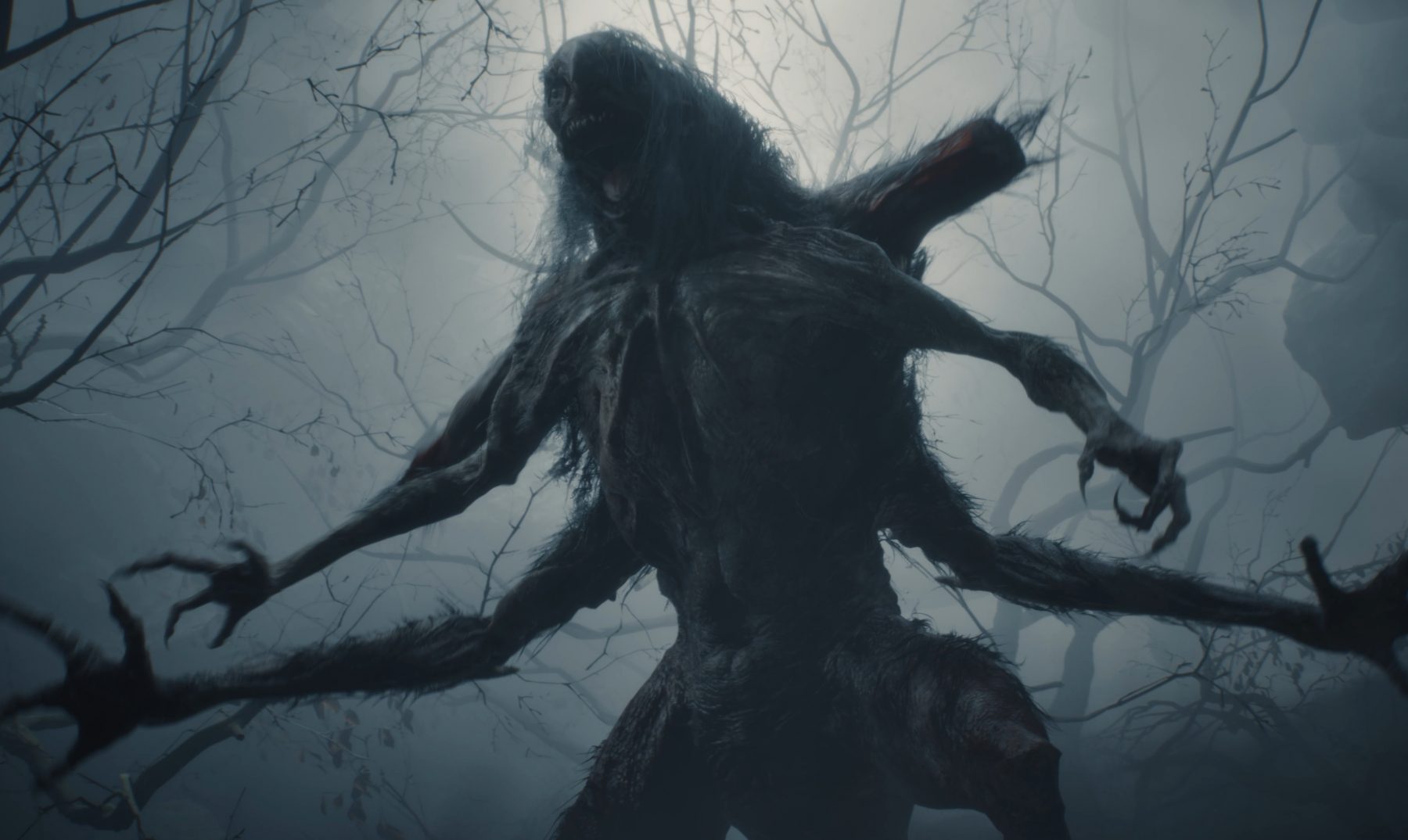
Historians believe the Bauk was likely inspired by the cultural memory of bears, which once inhabited the Balkans in much greater numbers. In folk songs, the Bauk appears alongside lists of wild animals, and its traits parallel those of bears.
The creature functions primarily as the "Serbian Boogeyman," used to frighten children. Similar figures exist across the Balkans under different names: "gogol" in Albanian culture. Croatian translations of Harry Potter use the Bauk as the equivalent of the Boggart.
CDPR's Adaptation
Prior CDPR Witcher games have drawn from Slavic, Eastern European, and Balkan mythology, and The Witcher IV continues that pattern with the Bauk. Previous games featured creatures from Polish folklore (noonwraiths, strigae), Scandinavian mythology (drowners, sirens), and broader European legends. The Bauk continues this tradition by pulling from Serbian folk belief.
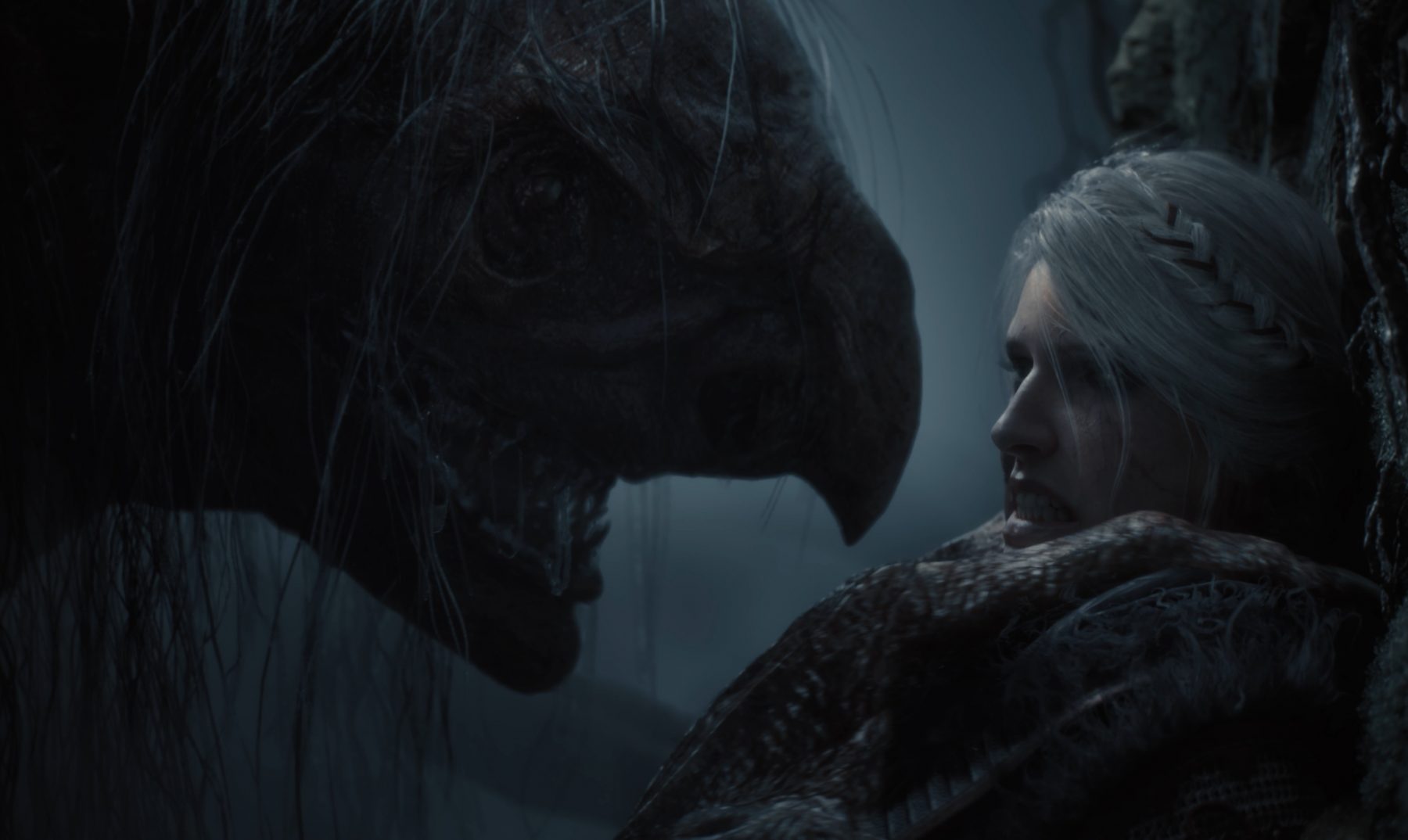
CDPR's version significantly expands the Bauk from its folklore origins. The original myth describes a fairly simple lurking creature. CDPR added the fog generation, voice mimicry, human-like face, and multi-limbed physiology to create a more complex and threatening monster suited to a witcher contract. The cave-dwelling nature remains true to the myth.