

Geography
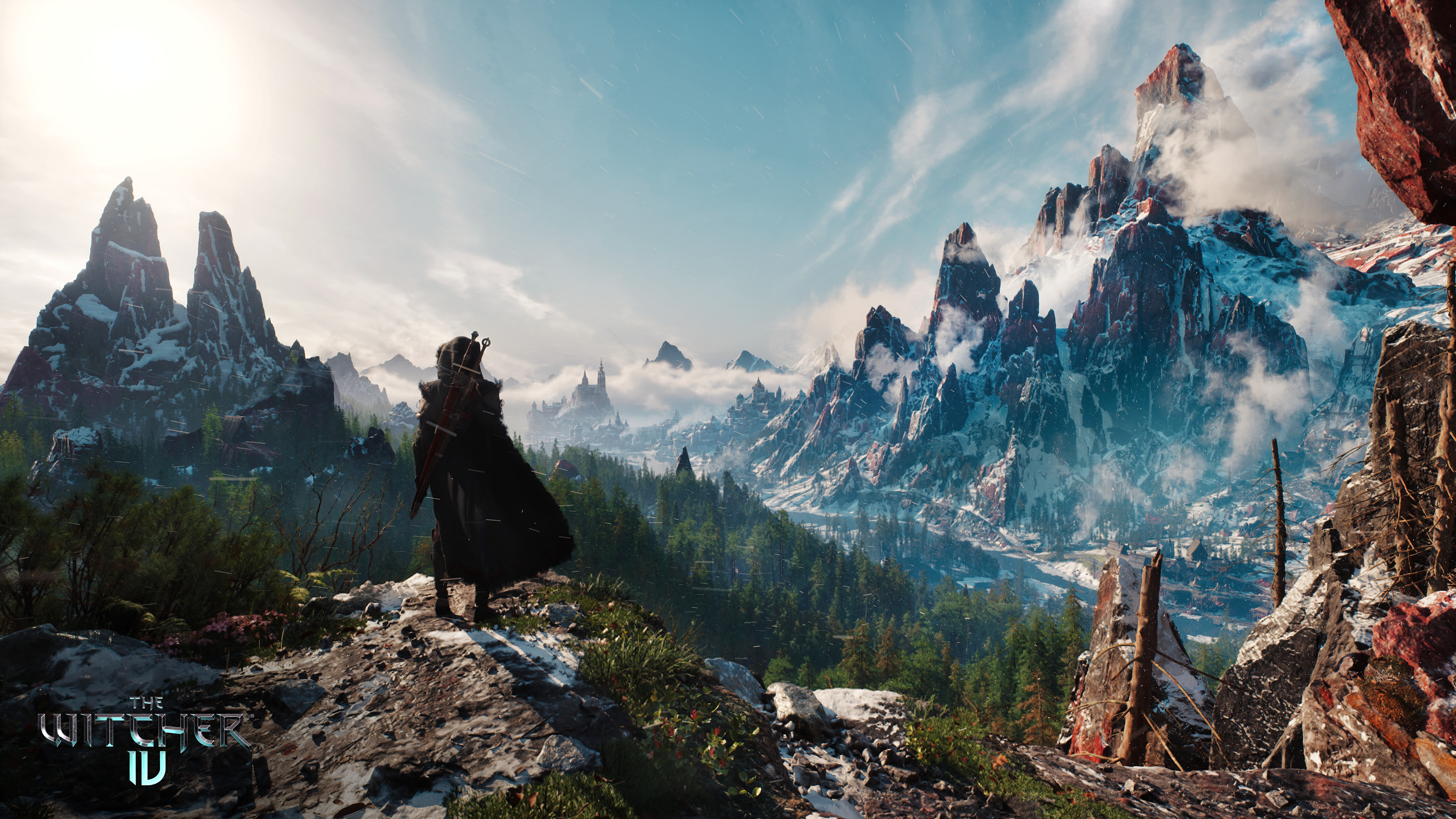
Kovir is a kingdom in the far north of the Continent, situated north of Redania along the Gulf of Praxeda, bordered by the Dragon Mountains. In Andrzej Sapkowski's novels, the region was described as having "two seasons: August and winter." The Witcher IV marks the first time players can explore it in a game.
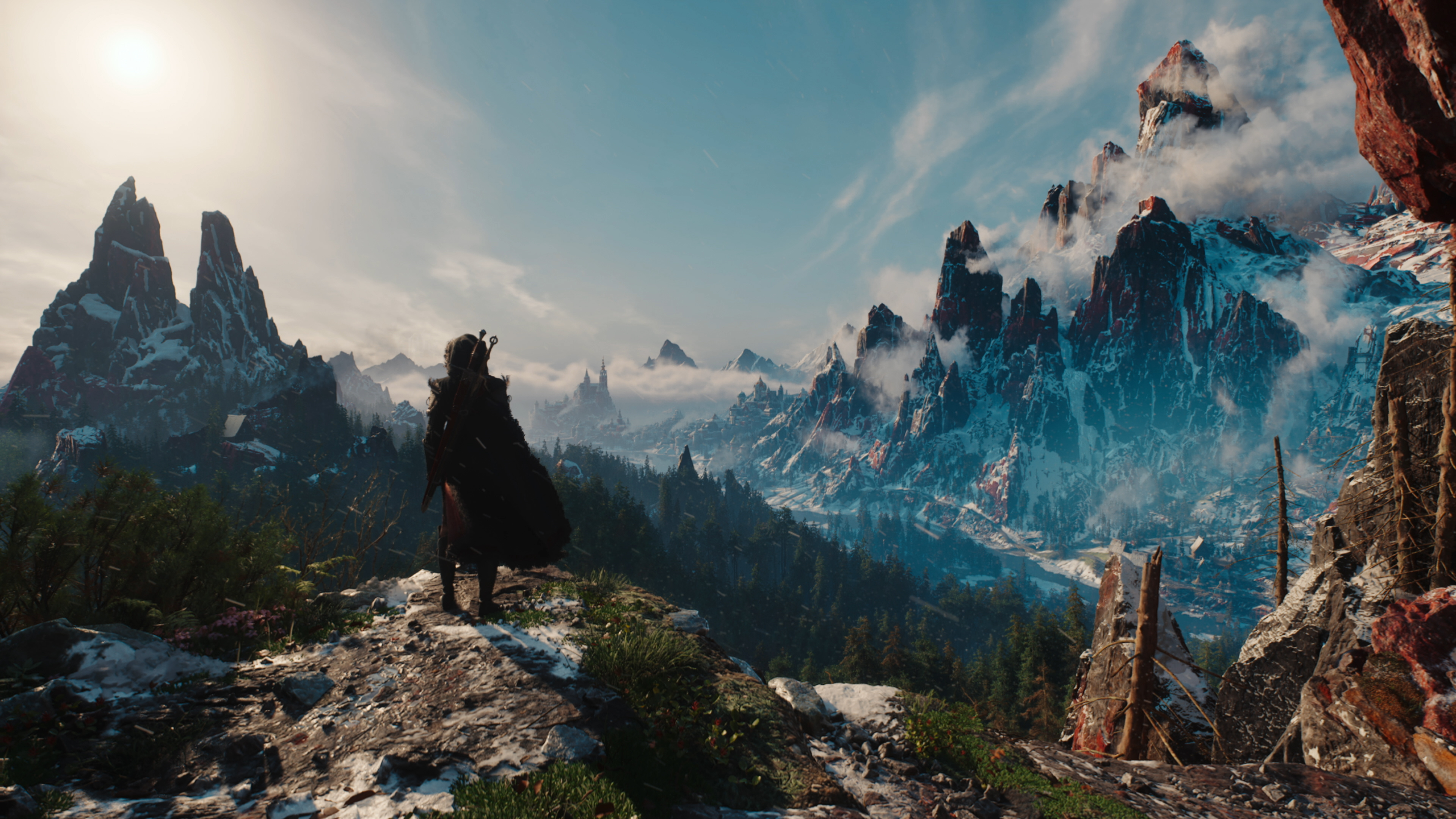
The landscape shown so far includes rugged mountain ranges, dense coniferous forests, and a rocky coastline. The Unreal Engine 5 tech demo showcased Ciri riding through mountain passes and forested valleys. Kovir's terrain is wilder, colder, and more sparsely populated than the explorable areas of the previous Witcher game.
History
Kovir was originally an earldom of Redania. King Radovid I, called Radovid the Great, handed the territory to his despised brother Troyden as a cruel joke, giving him what appeared to be a worthless "rocky scrap of far-northern ground." The joke backfired. Deposits of precious metals and rock salt were discovered under Kovir's mountains, making the territory enormously wealthy.
When Radovid III tried to reclaim the territory, he found Kovir too rich and too well-defended. He was forced to sign the First Treaty of Lan Exeter, which granted Kovir formal independence but bound it to a policy of eternal neutrality.
Economy
Kovir is the wealthiest kingdom on the Continent by far. It controls roughly three-quarters of the world's supply of ferroaurum, kryobelitium, and dimeritium, and approximately 80% of the world's gold. Its exports also include chromium, copper, glass, iron ore, lead, nickel, platinum, salt, silver, tin, titanium, tungsten, and zinc. The glass manufacturing industry is also a significant part of its economy.
This mineral wealth gave Kovir enormous political leverage. Both sides in the Northern Wars depended on Kovir's trade, making a prolonged siege self-defeating for any aggressor.
Rulers
During the Second Northern War (1267), Kovir was ruled by King Esterad Thyssen. He maintained strict neutrality, citing both the treaty and a separate agreement with the Nilfgaardian Empire. However, his wife Queen Zuleyka found passages in religious texts that enabled Esterad to indirectly fund Dijkstra's intelligence operations while technically staying neutral.

Esterad met Zuleyka while he was in exile. They married in 1238 and had three children: Gaudemunda, Heloiza, and Tankred. In the novels, Dijkstra travels to Kovir to negotiate with them in The Tower of the Swallow.
Capitals
Kovir has two historical capitals. Lan Exeter, the winter capital, is a port city on the Gulf of Praxeda at the mouth of the River Tango, with municipal transport via canals. It served as the residence of the Thyssenid dynasty. Port Vanis is the summer capital. Whether either city appears in The Witcher IV has not been confirmed.
Known In-Game Locations
Stromford is a remote village in the far north, seen in the cinematic trailer. Villagers there practiced ritual sacrifice to appease the Bauk, suggesting a frontier community far removed from Kovir's urban wealth.
Valdrest is a port town shown in the tech demo, with docks, markets, and a sizable population. The tech demo showed over 300 individually animated NPCs in its streets. Ciri arrived there to take a contract for an Imperial Manticore attacking salt shipments from a settlement called Korviso.
In Previous Witcher Media
Kovir was referenced in earlier Witcher games primarily in the context of trade and banking, and the kingdom appears more extensively in source-material novels. The Witcher IV is the first time the kingdom is explorable in a Witcher game.