

Factions
The solar system of The Expanse is defined by the tension between its major political powers. In Osiris Reborn, factions are not just lore entries in a codex. They are living organizations that react to the player, offer quests, sell equipment, and shape the story based on the player's choices and origin. The player's origin (Earther, Martian, or Belter) determines their default standing with each faction, though actions taken during the game can shift those relationships significantly.
United Nations (Earth)
The United Nations governs Earth and, by extension, exerts enormous political and economic influence over the entire solar system. Earth is the most populated world, with tens of billions of people, but it is also a planet dealing with massive unemployment, environmental degradation, and an overreliance on basic income programs that keep much of the population idle. The UN's military and intelligence apparatus spans the system, with significant presence on Luna where Lovell City is the de facto capital.
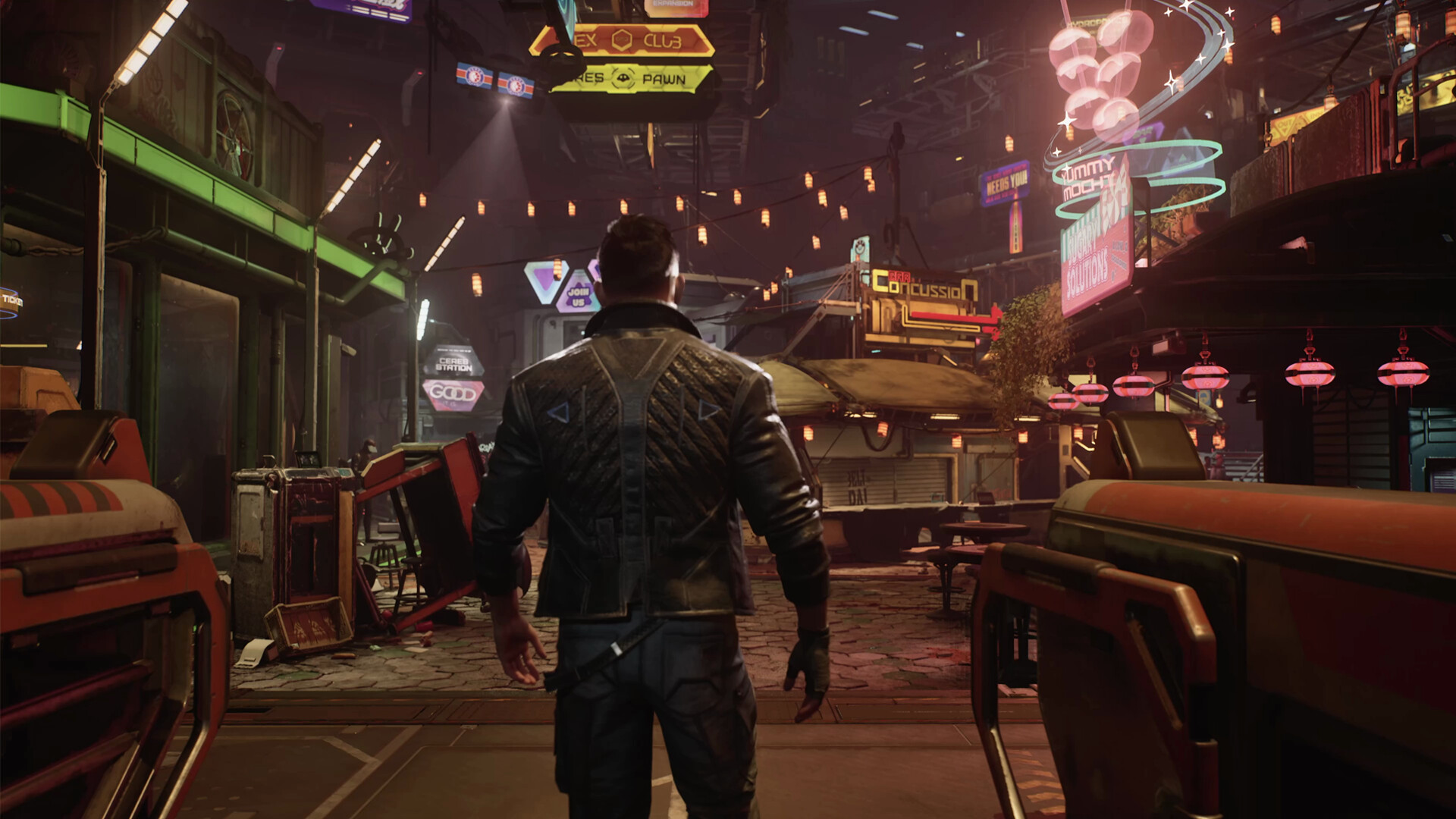
For Earther-origin players, the UN is the familiar authority they grew up under. For Martians, the UN is a rival superpower with more resources but less drive. For Belters, the UN is an oppressive colonial force that exploits Belt labor to maintain inner-planet comfort. In gameplay, the UN represents institutional power: well-funded, well-organized, and slow-moving. Their intelligence networks can provide mission leads and background data, but their bureaucracy means that dealing with the UN involves navigating layers of officials and competing internal agendas.
The UN's primary interest in the game's events is maintaining stability and control. The protomolecule represents a wild card that could shift the balance of power. Various UN factions disagree on how to handle it: some want to study it, some want to weaponize it, and some want to destroy it. The player may find themselves caught between these internal UN factions depending on their choices.
Martian Congressional Republic Navy (MCRN)
Mars is a single-minded society built around the centuries-long project of terraforming their world into something habitable. The Martian Congressional Republic has the most advanced military technology in the system, and the MCRN is a professional, disciplined fighting force that punches well above its weight relative to Mars's population.
Martians view themselves as the future of humanity. Where Earth is stagnant and the Belt is chaotic, Mars has a plan: generations of work toward a green, habitable planet. This sense of purpose gives Martian characters a distinctive attitude that ranges from inspiring to insufferable depending on who you ask. In gameplay, the MCRN offers access to high-end military equipment and well-organized mission support. Aligning with Mars means access to their tech, but it also means navigating their rigid hierarchy and potentially being drawn into political agendas.
Companion Zafar's background as a former MCRN engineer opens doors with Martian contacts but also introduces complications tied to his past service. Players who invest in the Martian relationship may discover that MCRN support comes with strings attached and that the military's interest in the protomolecule is not purely defensive.
Outer Planets Alliance (OPA)
The OPA is less a unified organization and more a loose coalition of political groups, labor unions, militant cells, and advocacy networks that share one common cause: the rights and independence of Belters. Life in the Belt is hard. Air, water, and gravity are not free. Belters work dangerous jobs on mining stations and asteroids, and the fruits of their labor flow inward to Earth and Mars.
The OPA ranges from moderate politicians arguing for better working conditions to radical factions willing to use terrorism. In the game, the player encounters both ends of this spectrum. Helping the OPA can mean assisting dock workers, smuggling medical supplies, or choosing sides in an internal power struggle between pragmatists and extremists. Ceres Station is the OPA's political heartland and the best place to interact with Belt culture and politics.
For Belter-origin players, the OPA represents their people's voice and struggle. For inner-planet characters, the OPA is a complex entity that cannot be easily categorized as ally or enemy. The game reflects the real political complexity of the OPA as depicted in the source material, where well-intentioned moderates and violent radicals share the same banner.
Pinkwater Security
Pinkwater Security is the player character's employer at the start of the game. It is a private military company that contracts with corporations and governments throughout the solar system. Pinkwater operatives handle everything from corporate security to convoy escorts to jobs that hover in the gray area between legal and illegal.
Pinkwater is not a faction in the traditional political sense. They do not have a seat at the table when Earth, Mars, and the Belt negotiate. But they have a presence everywhere, and their operatives move through all three spheres of influence with a degree of freedom that political actors do not enjoy. The player's Pinkwater background is what gives them the connections and skills to navigate the solar system's political conflicts.
As the story progresses, the player's relationship with Pinkwater evolves. Leaving a corporate employer to go rogue aboard a stolen ship is not the kind of thing that goes unnoticed. Former colleagues may be sent to bring the player back, or the company may wash its hands of the situation entirely. Pinkwater Station is an early base of operations tied to this faction.
Protogen
Protogen is the primary antagonist faction. A megacorporation with deep connections to inner-planet governments and military-industrial interests, Protogen discovered the protomolecule and has been conducting secret experiments to weaponize it. The Eros incident that kicks off the game's story is a direct result of Protogen's actions.
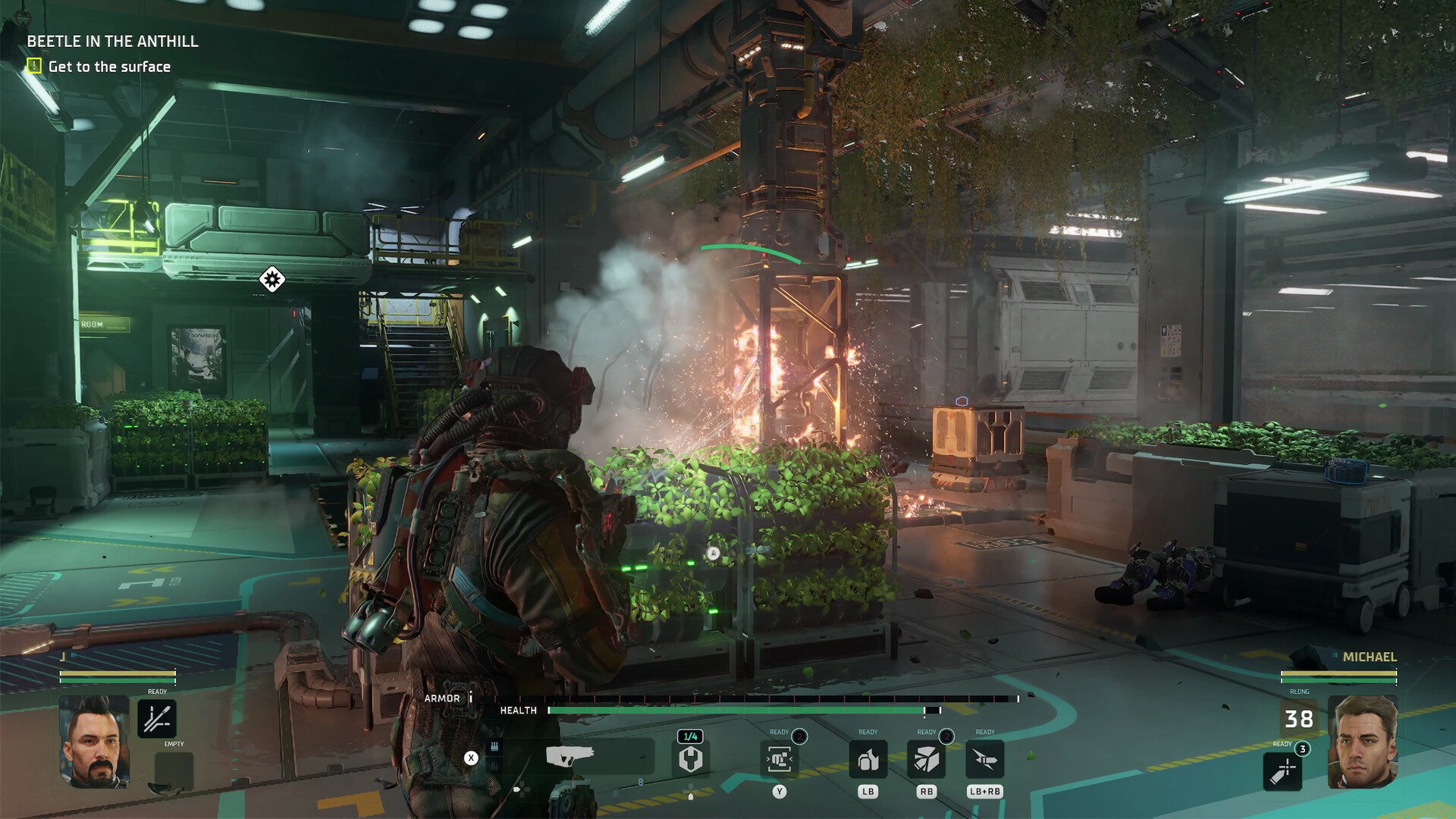
Protogen operates in the shadows, using shell companies, bribed officials, and private security to keep their activities hidden. Their resources are enormous, and their willingness to experiment on human subjects (including Project Caliban's hybrid soldiers) makes them a uniquely dangerous enemy. The Gemini, the player's ship, was originally a Protogen vessel, which gives Protogen a very personal reason to want the player dead or captured. The player encounters a different branch of Protogen than the one the Rocinante crew deals with in the books, discovering a separate network of facilities and operations.
Faction Alignment
The game does not force the player to permanently join one faction. Instead, the player's actions and choices throughout the story shift their standing with each group. Completing missions for the OPA improves Belt relations but might lower standing with the UN or MCRN. Helping a Martian contact could alienate Belter allies. Players can also forge an independent path, refusing to commit fully to any single faction and instead playing them against each other.
Faction | Headquarters | Disposition | Key Interest |
|---|---|---|---|
United Nations | Earth / Luna (Lovell City) | Varies by origin | Maintaining inner-planet control and stability |
MCRN | Varies by origin | Protecting Mars, advancing military technology | |
OPA | Ceres Station (informal) | Varies by origin | Belter independence and rights |
Pinkwater Station | Former employer | Corporate contracts and reputation | |
Hidden facilities | Hostile | Protomolecule weaponization and profit |
Behind the Scenes: Alcon Interactive Group
While not a faction in the game's world, Alcon Interactive Group is the real-world IP holder that makes The Expanse games possible. Founded in 2016 by Scott Parish and Dan Offner as the interactive entertainment arm of Alcon Entertainment, the group manages the video game rights to The Expanse and other Alcon properties. They previously published Telltale's The Expanse: A Telltale Series (2023) and Blade Runner interactive titles.
For Osiris Reborn, Alcon approves major story beats to ensure consistency with the broader Expanse canon. This means plot developments that touch on canonical characters or events (like references to Holden or the Canterbury) go through Alcon's review. Owlcat Games retains creative control over gameplay systems, mission design, and original characters, while Alcon ensures the game fits within the established universe.
Closed-Beta Faction Framing
The closed-beta build of Osiris Reborn is where the game first puts its faction model in the player's hands. That model starts from a deliberate alignment choice: the protagonist is a mercenary employed by Pinkwater Security, not a state actor. The player is not a UN marine, not an MCRN officer, and not an Outer Planets Alliance operative at the opening of the game. Faction allegiance expresses instead through two channels. The first is background origin, which picks your home gravity and your earliest cultural outlook. The second is relationships with the factions the player crosses paths with during missions: Pinkwater as the employer, Protogen as the corporate antagonist pursuing the twins, and the wider political sphere of Earth, the Martian Congressional Republic, and the Belt pulling at each mission.
Because the player is a contractor rather than a soldier, the game can send them into friction with every major power in the setting without locking them onto one banner. The early missions keep the twins mobile and deniable, and the late-game destinations spread the story across all three of the setting's political spheres rather than tying the protagonist to a single one.
Playable Origins and Passive Perks
Origin is chosen at character creation and grants a permanent passive that the character never loses. Earther and Belter are the only origins exposed in the closed beta's preset list, which is why faction-facing dialogue in the beta emphasizes Inner-versus-Belter flavor. Martian arrives in the full game.
Origin | Passive Perk | Notes |
|---|---|---|
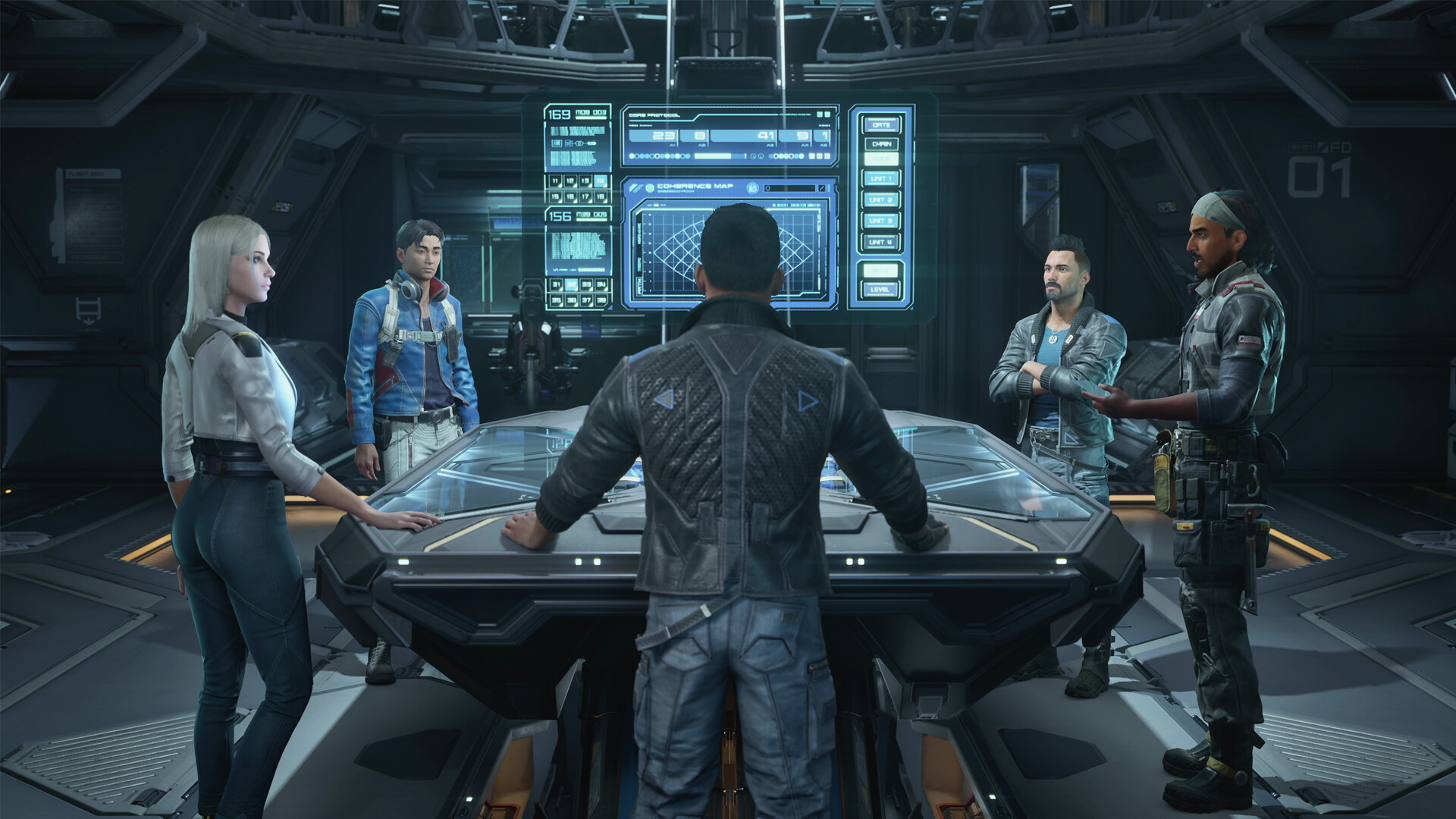
Earther | +1 Athletics | Inner-planet upbringing under standard gravity. Earthers sit at normal human height and proportions. Earther is one of the four closed-beta presets, paired with either the Officer or Hacker starting kit. |
Belter | +1 Engineering | Asteroid-belt and outer-planet upbringing in low gravity. Belters are visibly taller and more elongated than Inners, and the historical gap between Belt labor and inner-planet wealth colors their conversations. Belter is the other closed-beta preset, paired with Officer or Hacker. |
Martian | +1 to a social skill (exact skill not revealed in the beta materials) | Full-game option only, not exposed in the closed beta. Tied culturally to the Martian Congressional Republic and its generations-long terraforming project. |
Origin perks are small on paper (a single skill point in a named social or exploration skill) but they matter at the margins because skill checks during exploration and dialogue stack the scores of the player and any accompanying companions together. That extra point is what pushes a borderline check into passing range. An Earther with +1 Athletics naturally leans into the physical-obstacle checks used to clear debris, while a Belter's +1 Engineering is what opens fuse-box and conduit paths in hull fights and service corridors.
The 2026 origin breakdown named these perks and deepened how they tie into the story. The Earther perk is Gravity's Gift (+1 Athletics) and the Belter perk is Tekimang (+1 to all Engineering checks); the Martian perk remains unrevealed. Each origin also unlocks a dedicated quest chain of origin-specific missions in which the player seeks out representatives of their own faction to earn that faction's trust and aid. Where the player was born governs access as well as attitude: Martian-origin players are the only ones allowed to land on Mars early in the game, Earthers keep useful contacts on Luna, and a Belter who grew up on Ceres Station has a loyal local friend that an inner-born player would meet only as a stranger.
Factions Featured in the Game
Alongside the United Nations and OPA framing already covered above, the closed beta foregrounds a tighter set of organizations that the player directly interacts with in the opening mission, plus the wider political powers that the setting hangs off. The table below summarizes the groups most visible in the materials released so far.
Faction | Role |
|---|---|
The player's employer. A mercenary company running ships and stations across the solar system, including the new Pinkwater Four Station where the opening mission plays out. | |
Antagonist corporation. Triggered the Eros incident by releasing the Protomolecule. Pursues the player across the solar system to retrieve the ship the twins stole during their escape. | |
Martian Congressional Republic (MCR) | Mars's state power. Not directly playable, but referenced through Luciana's gossip (an unnamed Pinkwater captain with alleged MCR political ties) and through Martian as a full-game player origin. |
Earth (UN-affiliated power) | Represented via the Earther origin and via news-screen broadcasts on Pinkwater Four Station that cover James Holden and Eros-related events. The terrestrial superpower the Inner coalition revolves around. |
The Belt | Not a single faction but a collection of Belter habitats and coalitions. Expressed in the game through Belter-origin characters, Belter speech patterns, and visits to hubs like Ceres Station and the asteroid-belt bunker complexes. |
Pinkwater crews are written as working-class mercenaries rather than elite soldiers. The residents of Pinkwater Four Station complain about overtime, trade gossip at the shop counter, and argue about recent news broadcasts while they play cards off-duty. That mercantile, gossipy atmosphere is the first faction texture the player meets and the baseline against which Protogen's colder, more ruthless corporate posture is contrasted.
Protogen, for its part, sits on the opposite end of the spectrum. The corporation is willing to execute civilians and detonate nuclear devices to retrieve its property. The twins' ship, the Gemini, was originally a Protogen-aligned craft that the twins seized during their escape from Eros Station. That theft is the only reason Protogen arrives at Pinkwater Four in the opening hours, and it is the long-range reason the corporation tracks the twins through the rest of the game.
The Martian Congressional Republic surfaces indirectly in the beta. Luciana's persuasion-unlocked gossip names a Pinkwater captain with alleged connections at the very top of the MCR, suggesting that Martian political influence reaches into places as informal as a mercenary outfit's chain of command. Earth and the wider UN sphere show up through the station's news screens and through the familiar reference points of the Inner political order. The Belt appears less as a government and more as a set of places and speech patterns, with dedicated hubs visited later in the full game.
Faction Reactivity in Gameplay
Osiris Reborn tracks approval per companion rather than per faction. There is no visible United Nations reputation meter on your character sheet. What exists instead is a web of individual relationships that each carry their own long-term effects, tied to the factions those companions come from or trust.
Faction-aligned decisions still produce ripple effects at the mission level. The Pinkwater Four encounter with Protogen is the clearest example in the beta. Choosing to have Pinkwater resist buys the player armed NPC support during the opening firefight but gets the station's director executed and the station destroyed in a nuclear detonation. Choosing to stand down lets Pinkwater survive but hands Protogen a cache of private servers almost certainly containing data on the twins. The short-term consequences are visible immediately. The long-term consequences bleed into later missions and into which people the twins can count on later in the game.
Speech patterns and body language are intended to carry the social divide between Inners and Belters. Belter Creole has not fully landed in the beta build, which the developers flag as an unfinished area, but it is intended to mark Belter characters apart from Inner characters in the full game. Until then, the visual height difference between Belters and Inners is the most visible cultural cue at first glance.
At the mechanical layer, origin perks plus companion composition determine which skill checks the player can stack into passing range at any given moment. The six social and exploration skills (Persuasion, Athletics, Cyber Sabotage, Perception, Analysis, and Engineering) are distributed two to a character, with each character's pair set by their background and recent experience. Pulling in the right companion for a mission is a tactical decision about which faction-flavored paths stay open to you: an engineering-heavy squad clears more conduit routes on hull exteriors and station decks, while a persuasion-and-perception squad finds more gossip channels and more hidden information inside station corridors.
Standing, Rewards and Faction Support
Alongside per-companion approval, the game keeps a running account of where the player stands with Earth, Mars and the Belt. An August 2026 developer post set out what that standing is actually worth in play. Working with different factions at different points in the story is expected rather than penalised, but each of those decisions becomes part of the relationship, and the developer has been explicit that there is only one chance to stay on everyone's good side.
Layer | What a Strong Relationship Yields |
|---|---|
Items | Access to exclusive gear that is otherwise unavailable. |
Quests | A faction-specific quest tied to that relationship. |
Combat support | Factions can provide direct support during missions. |
Narrative | Faction storylines resolve differently, including the fates of important characters. |
Helping one power can read as a threat to another even when that was not the intent, so the reward layer is a genuine trade rather than a checklist. See Choices and Consequences for how these relationships interact with the archetype system.
Confirmed Destinations by Faction Sphere
The full game extends past Pinkwater Four Station into hubs anchored to each of the major faction spheres. The destinations confirmed so far in the developer-reacted overview and accompanying materials map to the setting's political geography as follows.
Faction Sphere | Confirmed Destinations |
|---|---|
Earth / Inner | |
MCR / Martian | |
Belt / Belter | Ceres Station, Ganymede (contested in the source material), and asteroid-belt bunker complexes. |
Protogen / Corporate | Pursues the player across locations, and holds at least one facility of its own: a secret base on Ganymede that the twins infiltrate in a mid-game mission. |
That spread is the shape of the game's faction layer. The player is not a member of any of these powers, and they do not permanently join one by visiting its home hub. Instead, the Gemini hops between them as a mobile contractor, letting story events and the choices each mission forces push the twins toward or away from each faction one encounter at a time. Pinkwater is the employer at the start, Protogen is the pursuer throughout, and every other major power is a political reality the twins have to negotiate as they cross through the setting on their way across the system's locations.