
Loading...
Biomes
March 8, 2026 at 05:05 PM
Expanded with dynamic weather details, environmental hazards (water vortexes), depth-based progression starting deep, UE5 world-building, gene modification for biome survival, expanded Sparse Plains and Coral Gardens descriptions, and differences from previous games
The world of Planet Zezura contains both underwater and surface environments. The planet is described as having "harsh, desert-like conditions" on the surface, suggesting possible land-based areas alongside the underwater zones. A partial list of biome names was spotted in file names during Dev Vlog #2 (about world building). These names may change before or during Early Access. The game is built on Unreal Engine 5 (specifically version 5.5.4), which enables more detailed, larger-scale biomes with improved lighting and creature density compared to the Unity engine used in previous games.
Dev Vlog #1 (April 23, 2025) previewed a dynamic weather system affecting ocean currents, visibility, and creature behavior. This is a franchise first; previous Subnautica games had static weather conditions. Storms and shifting currents can change how biomes look and feel over time, altering visibility and potentially redirecting fauna movement patterns.
Unlike the original Subnautica, where players began at the surface and gradually pushed deeper, Subnautica 2 starts players deep underwater. After a ship crash, players are propelled toward the surface, meaning the opening experience reverses the traditional progression. Playtest impressions describe this as "fear-inducing" since players are immediately surrounded by the unknown rather than easing in from a safe, shallow starting zone.
The gene modification system also ties into biome access. Players can use the Biosampler to collect genetic material from creatures, then adapt their own body for survival in hostile environments. Abilities like enhanced night vision, faster swimming, and camouflage allow players to survive in biomes that would otherwise be inaccessible, adding a biological layer to depth progression alongside vehicle depth upgrades.
The reveal trailer showed environmental hazards beyond hostile fauna. A powerful water vortex was shown dragging a player into an abyssal cavern, suggesting that underwater currents can physically move players and may serve as both obstacles and shortcuts between biomes. Combined with the dynamic weather system, biomes may present different hazard levels depending on conditions.
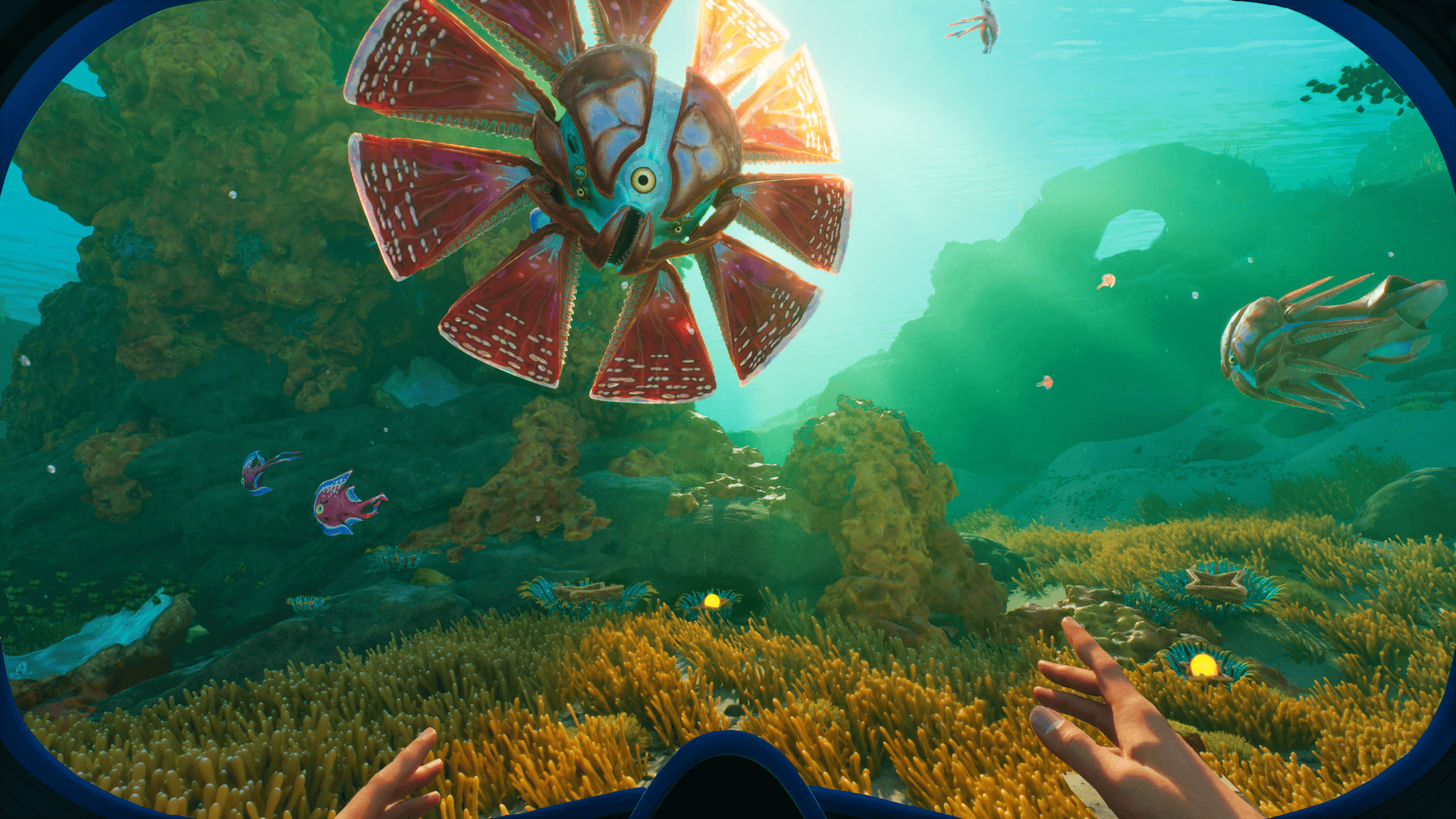
The initial area where players begin after the opening sequence. Unlike the first Subnautica's Safe Shallows, Subnautica 2 reportedly starts players deeper underwater after a ship crash, then propels them toward the surface. The Start Zone may be the area players reach after this sequence. Given the reversed progression, the Start Zone likely contains essential early-game resources and relatively low threat levels to allow players to orient themselves.
A returning biome name from the original Subnautica. In the first game, the Kelp Forest was one of the most recognizable environments, with towering creepvine plants reaching from the seafloor toward the surface. Creepvines provided fiber and seeds, and the biome was home to Stalkers. Its return on Zezura was well received by the community, though the specific flora and fauna in the Subnautica 2 version will be native to Zezura rather than recycled from Planet 4546B.
A biome with extensive coral formations. File names revealed at least two sub-biomes within the Coral Gardens: Dolerite Spires and Graveyard Spires. Dolerite is a real volcanic rock type, suggesting the Dolerite Spires sub-biome may feature dark, volcanic rock columns covered in coral growth. The Graveyard Spires name implies skeletal or decayed formations, possibly the remains of massive dead organisms or ancient structures. The original Subnautica had the Grand Reef with coral features, but this appears to be a distinct environment.
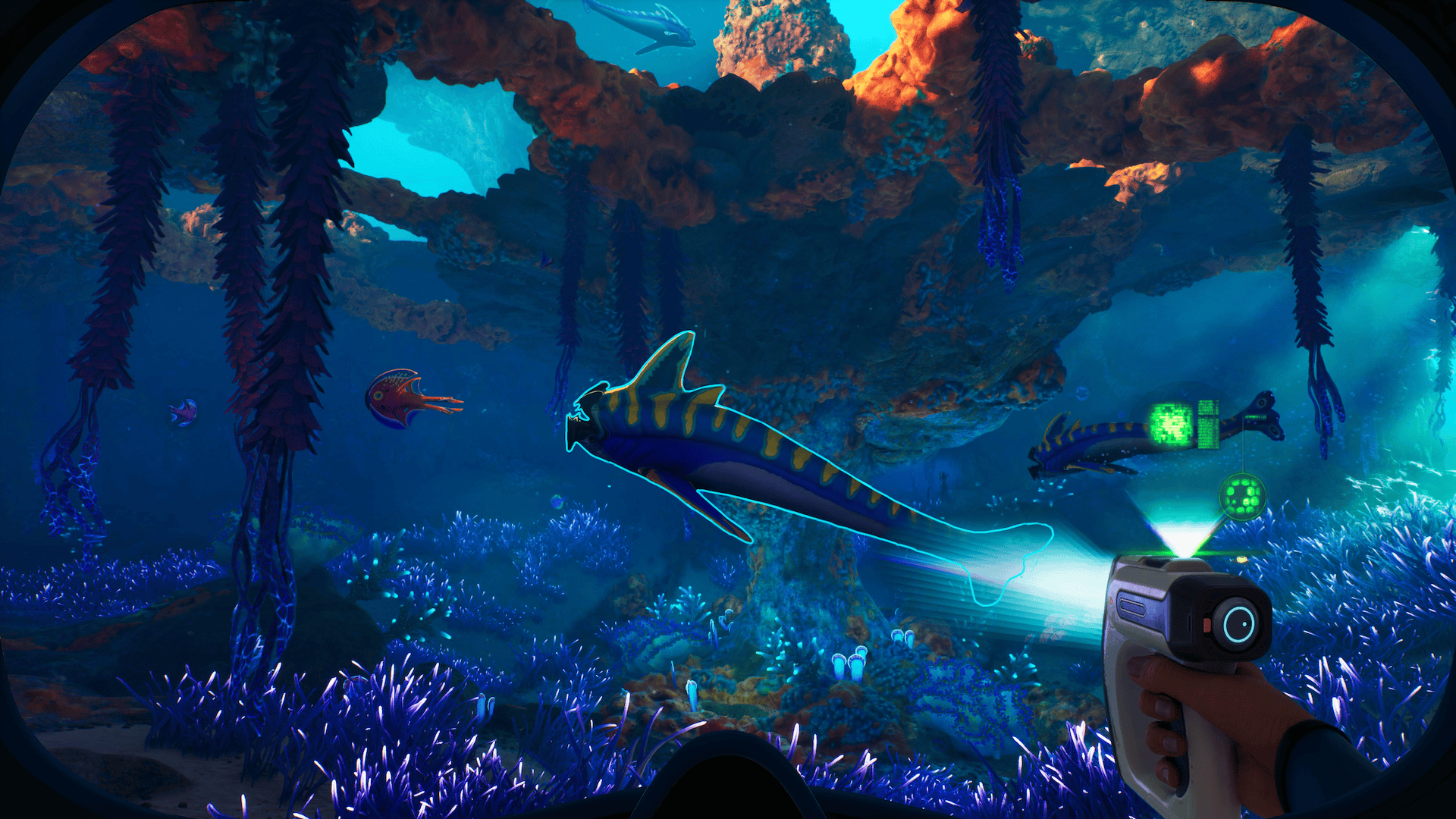
An open, relatively barren biome with limited cover. This is the confirmed habitat of the Collector Leviathan, which spawns approximately 20,000 to 25,000 units from the player upon entry. The openness of the terrain means very limited cover from the Collector's line of sight, making this one of the most dangerous biomes to traverse. Players need to rely on flares for distraction and sound/light discipline to avoid detection.
A biome likely featuring jellyfish-related formations or fauna on plateau-style terrain. The original Subnautica had the Jellyshroom Cave, a bioluminescent underground biome populated by large jellyfish-mushroom hybrids. The Jelly Plateaus appear to be a separate take on a similar theme, set on open plateaus rather than in a cave system.
One of the most intriguing biome names. The community has speculated about what the ruins represent: remnants of Architect (Precursor) structures, old human installations, or something entirely new to Zezura. The "overgrown" descriptor implies structures reclaimed by local plant life over a long period, which could provide both unique resources and story-relevant scanning opportunities. In the original Subnautica, Precursor facilities were scattered across biomes rather than forming their own; a dedicated biome built around ruins would be a significant departure.
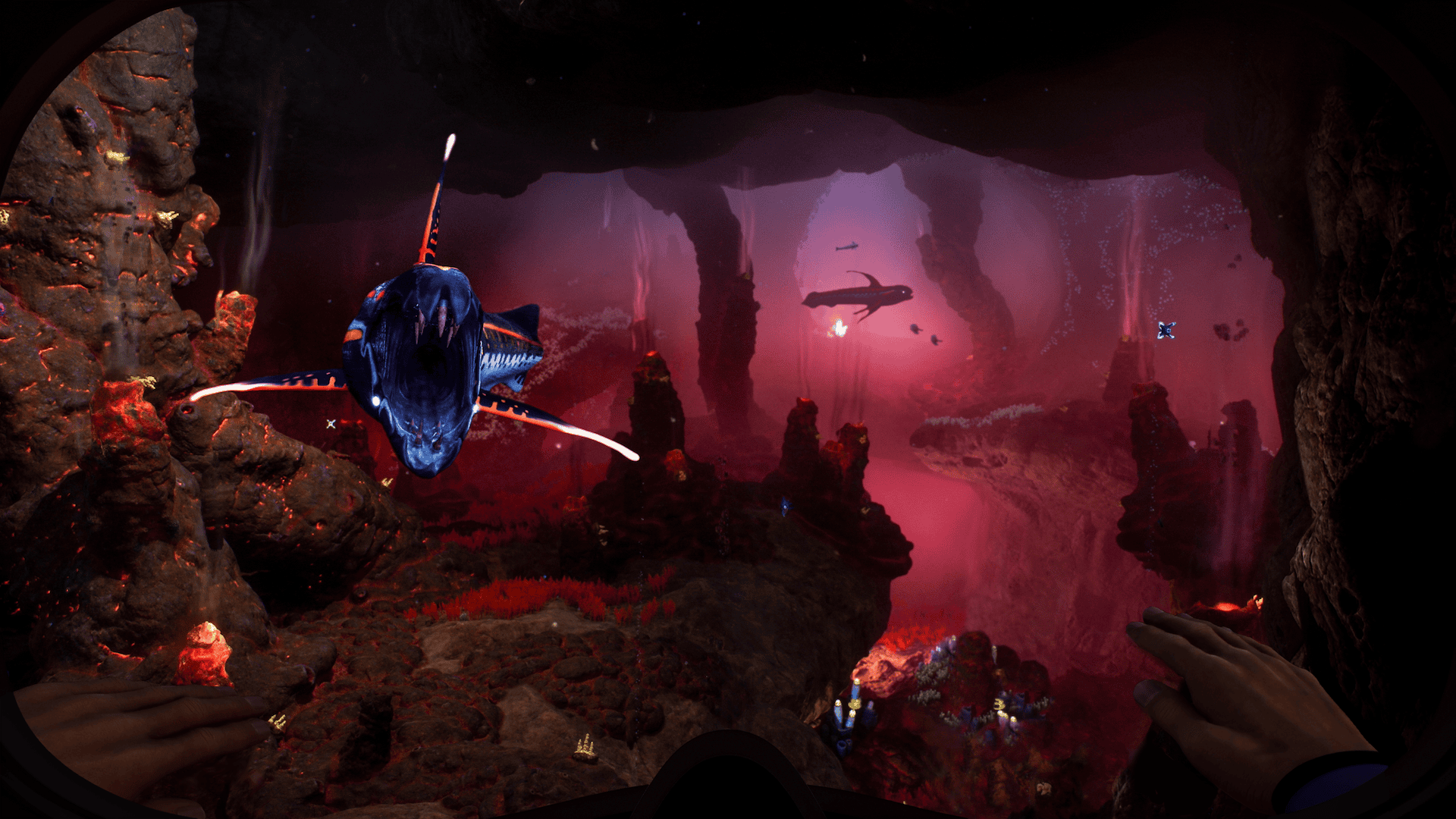
A biome suggesting a massive biological structure forming the basis of an entire ecosystem. No official details have been shared, but the name implies a single enormous organism (like a colossal tree or coral formation) that defines the zone's ecology. If the name is literal, this could be one of the largest single organisms players encounter in the franchise.
A biome with no publicly available details beyond its internal file name. The unusual naming convention (camelCase with a capitalized "Z") may indicate a placeholder or internal designation. See the dedicated VepZone article for community speculation.
In the original Subnautica, the Void (also called the Dead Zone or Crater Edge) was the open ocean beyond the playable area, populated by Ghost Leviathans that attacked anyone who ventured too far. Its return suggests a similar boundary mechanic keeping players within the intended map area, though the specific deterrent creatures on Zezura have not been revealed.
Biome | Sub-Biomes | Notable Features |
|---|---|---|
Start Zone | None known | Opening area; reversed deep-to-shallow progression |
Kelp Forest | None known | Returning biome name; Zezura-native flora and fauna |
Coral Gardens | Dolerite Spires, Graveyard Spires | Extensive coral formations; volcanic rock features |
Sparse Plains | None known | Open terrain; Collector Leviathan habitat; limited cover |
Jelly Plateaus | None known | Jellyfish-related formations on plateau terrain |
Overgrown Ruins | None known | Ancient structures reclaimed by plant life |
World Tree | None known | Massive biological structure forming an ecosystem |
VepZone | None known | Unknown; possibly a placeholder name |
Void | None known | Map boundary biome; likely hostile deterrent creatures |
Leaked milestone documents (confirmed authentic by KRAFTON) indicate two biomes were cut from the Early Access scope between Q2 2023 and Q2 2025. The specific biomes that were removed have not been named publicly. They are expected to be added during the 2 to 3 year Early Access development period.
New planet: All biomes are set on Zezura, not Planet 4546B. The original's iconic biomes (Safe Shallows, Mushroom Forest, Lost River, Lava Zone) do not return.
Reversed progression: Players start deep and work toward the surface, inverting the original's surface-to-depth loop.
Kelp Forest returns: The only returning biome name, though it features Zezura-native species rather than creepvines and Stalkers.
Gene modification: Players can adapt their body to survive in hostile biomes, adding biological progression alongside vehicle depth upgrades.
Dynamic weather: Weather affects visibility, currents, and creature behavior. Previous games had static conditions.
UE5 engine: Unreal Engine 5 enables larger, more detailed biomes with improved lighting, draw distance, and creature density compared to Unity.
Surface environments: Zezura's "harsh, desert-like" surface conditions suggest above-water areas, unlike the almost entirely underwater 4546B.