

Overview
The survivor community is the heart of State of Decay's identity. Each playable character is a unique survivor, and when a survivor dies, that loss is permanent. State of Decay 3 keeps that permadeath premise and adds new narrative systems so that the surviving community visibly reacts to who has been lost.
Permadeath, Expanded
The permadeath system is described by Undead Labs as iconic to the series and as expanded in the third game with narrative systems that show how the community responds to loss. In practice, this means the deaths of community members feel like events in the world rather than just a swap of one character slot for another. Combined with rebuilt combat in Unreal Engine 5, the cost of a single bad fight is meant to land harder than in earlier entries.
Multiple Starting Points
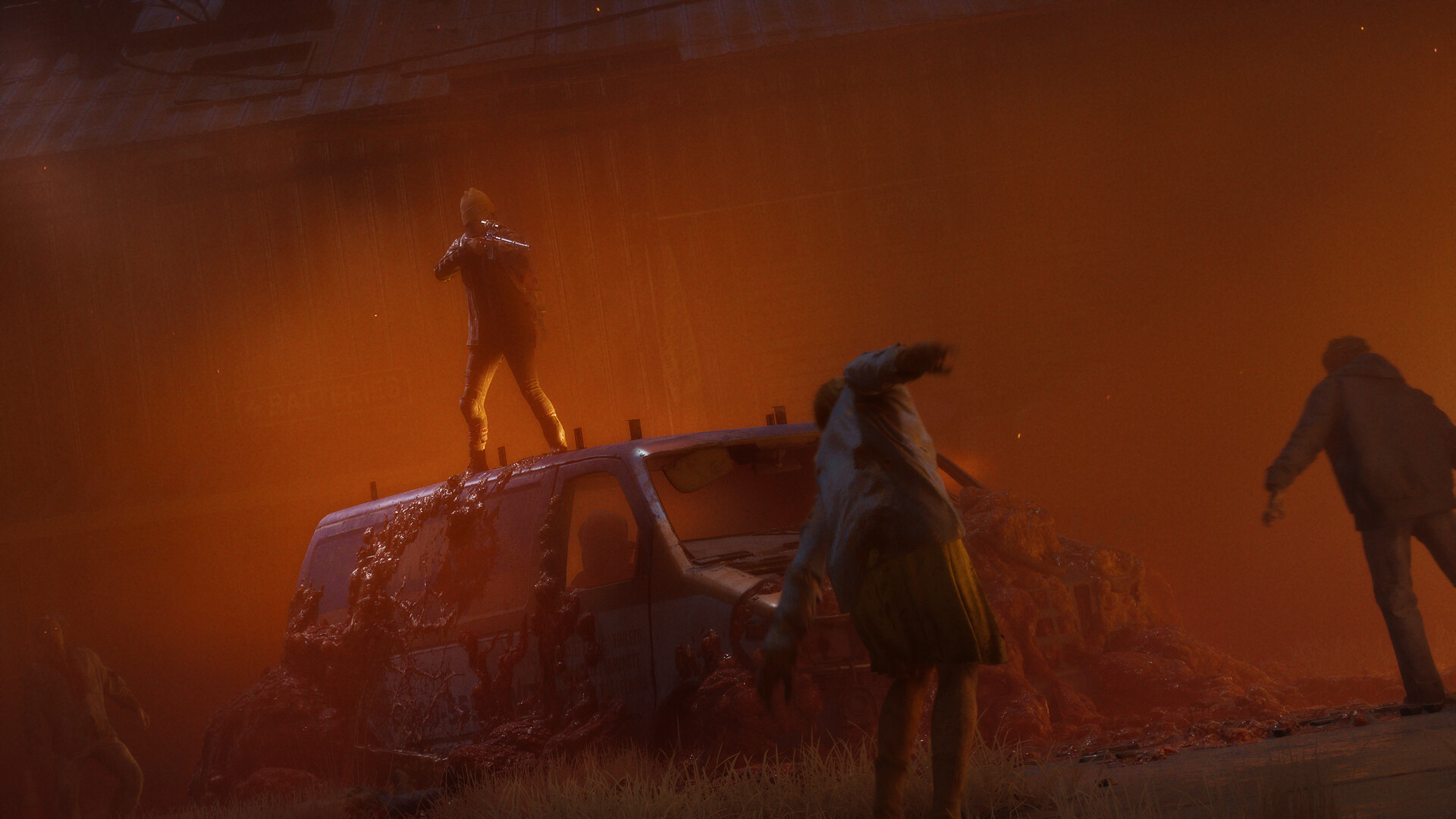
Different player characters have multiple starting locations on the world map. This is consistent with the open-world structure and gives each new community a different early-game shape depending on which survivor a player begins with.
Co-Op and Communities
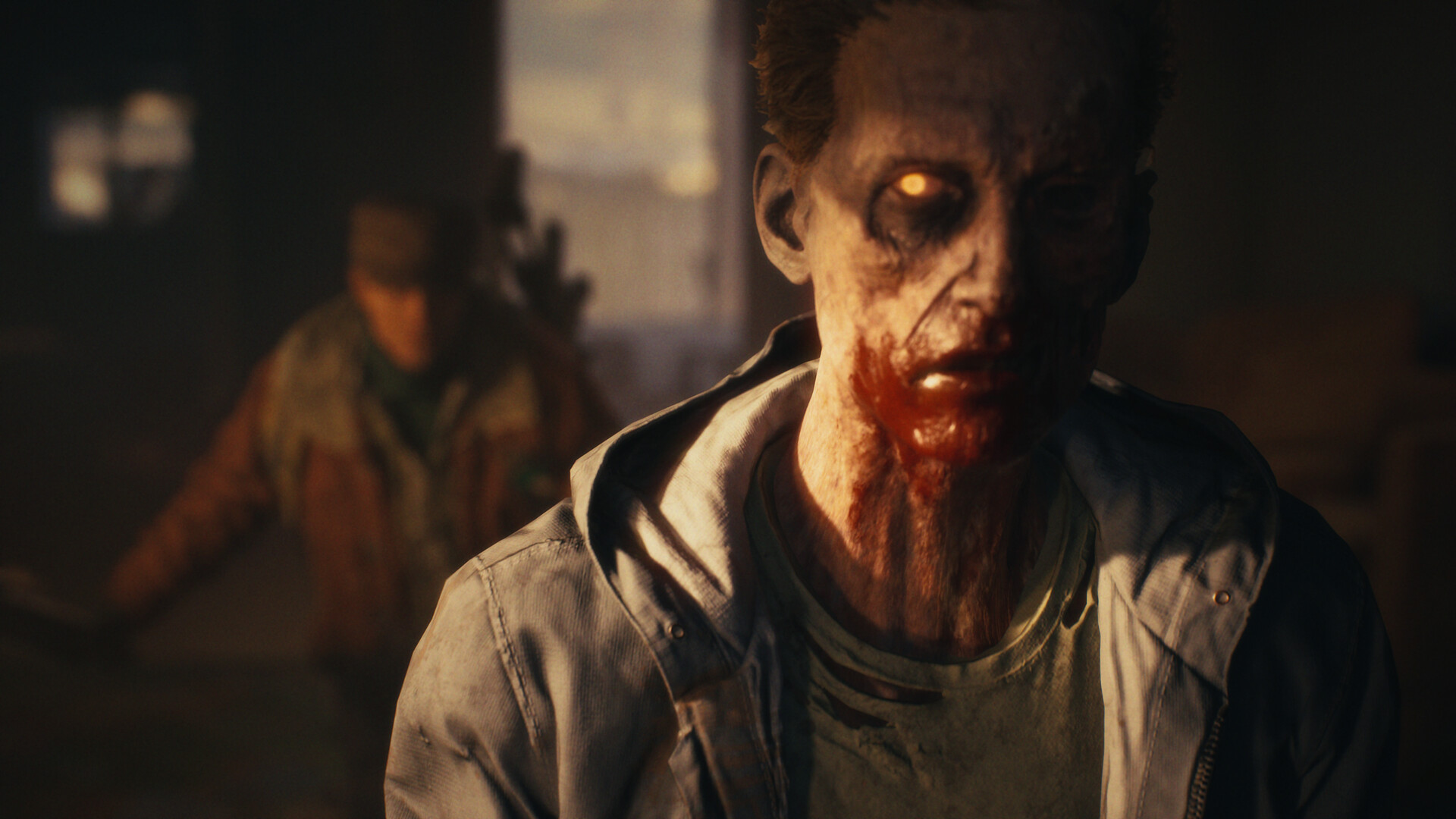
In four-player Online Co-Op, everyone starts at their own point on the map and contributes to overall progress, instead of being bound to a host's character. The community a player builds out is shared among the squad as long as they stay together, although the precise shared-save and shared-progress rules are still being detailed in the alpha.
Recruiting From Enclaves
At the June 2026 reveal the studio confirmed that the world holds enclaves, which are independent groups of non-player survivors. A community grows its roster by recruiting from these enclaves, so the people who fill out a survivor community come from the world rather than appearing at the base on their own. The same reveal confirmed that one community can run up to three settlements at once, which gives a larger roster somewhere to live and work.
Morale and Care
Morale is a confirmed system rather than an open question. The publisher's storefront listings describe healing injured characters as a way to boost morale, which puts survivor health and community mood on the same loop: a survivor who comes back hurt is a drag on the group until someone spends the resources to patch them up.
That connects the medical side of base building to the emotional side of the community. It also gives a second cost to a bad scavenging run, because a wounded survivor who lives still weighs on the settlement until treated, while a survivor who does not make it triggers the permadeath reactions instead. The exact numbers, the thresholds, and what low morale does to a community have not been published.
What is Not yet Public
Survivor skills, traits, and specific named characters have not yet been publicly confirmed for the third game. Recruitment and morale are both confirmed to exist, but neither has been described in detail. The roster of survivors and the structure of the underlying skill system will be filled in as the closed alpha and later reveals show them.
Each Survivor as a Unique Character
The series identity rests on the idea that every member of the survivor community is a specific person rather than an interchangeable unit. Each playable character has their own background, gear, role in the community, and place in the wider group's relationships. State of Decay 3 carries that premise forward and pairs it with the expanded permadeath narrative systems Undead Labs has described.
Permadeath as a Community Event
When a survivor dies, they are gone for good. Permadeath in the third entry is described as iconic to the series and as expanded so that the community visibly reacts to who has been lost. In practice, that means a death is a community event, not a slot swap: surviving members register the loss, and the world around them shifts in ways tied to that specific survivor's role. Rebuilding combat in Unreal Engine 5 is part of the same design intent, because a single fight that goes wrong should land harder when the survivor who falls is also someone the community will mourn.
Multiple Starting Points
Different player characters begin in different starting locations on the world map. That is consistent with the open-world structure of the game and gives each new community a different early-game shape depending on which survivor a player chooses as their starting character. Two players opening their first community on the same map can have meaningfully different first hours just from where they spawn in and which neighbours they meet first.
Undead Labs has noted that this attachment is not just theory: in the earlier games, player engagement actually went up when survivors were lost rather than down. That is part of why the third game leans further into the community as the emotional core, expanding the reactions a settlement shows when one of its own does not come home.
Community in Four-Player Co-Op
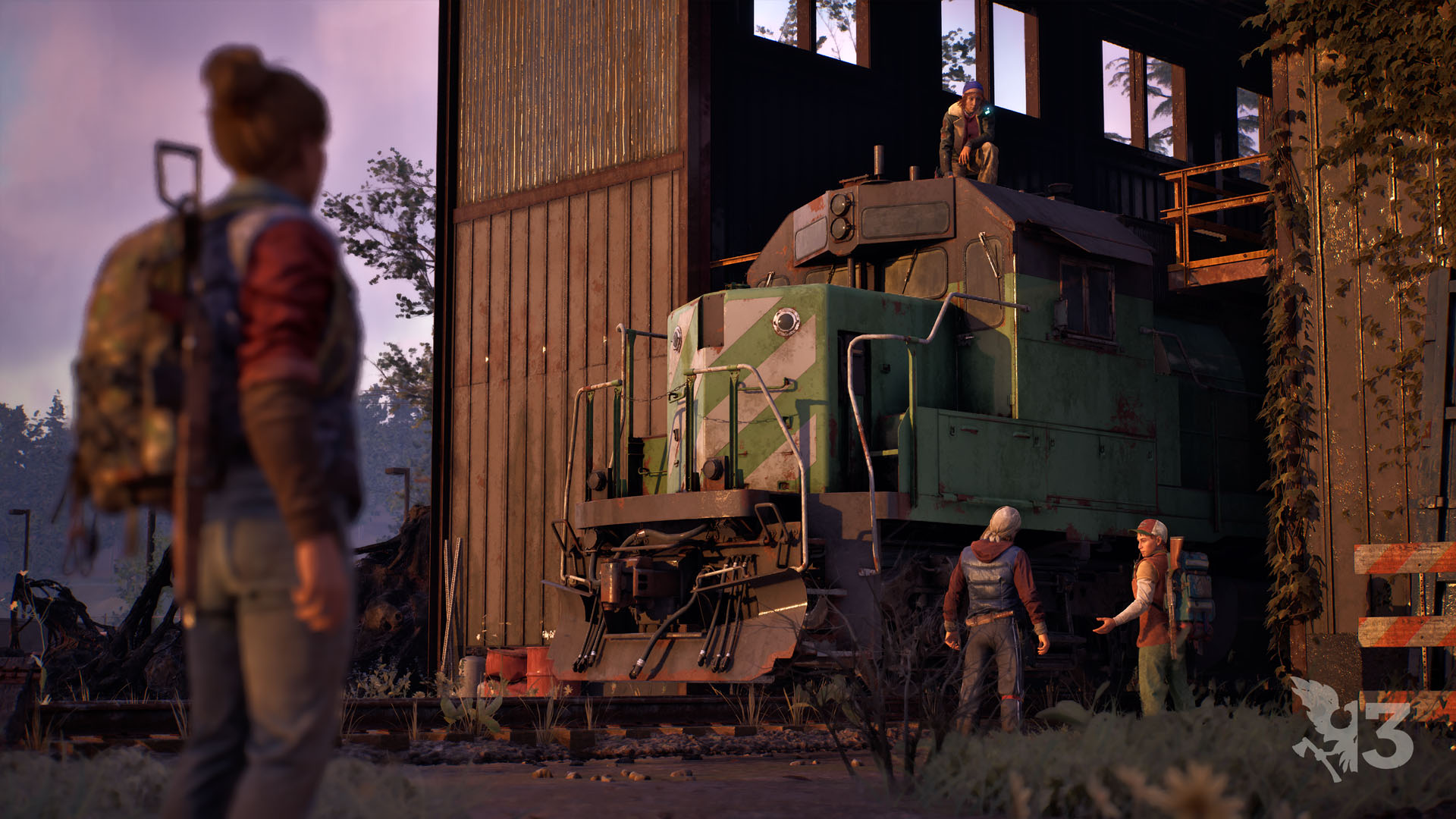
In four-player Online Co-Op, each of the four players starts at their own point on the map and contributes to overall progress in the shared world. The community a player has built up is what they bring to a squad session, and what their friends are visiting when they join in. The precise rules for how loot, recruitment, and relationship progress carry between a host's community and a guest's community after the session ends have not been spelled out in public materials yet.
Modified Gear Culture
The survivors who make it through the apocalypse have built a modified-gear culture around their tools. Player weapons are described as crafted and personalized, with mismatched barrels, modified magazines, and other field-built modifications that distinguish one survivor's loadout from another's. That gear identity belongs to the survivor: when a survivor dies, their specific modified weapon is lost with them, which is one of the more concrete ways the wider community feels the cost of a permadeath.
Appearance and Clothing
Character appearance customisation is confirmed to return, and the studio has explained why it is being invested in. Play data from the previous game showed that about 30 percent of daily active players were opening the wardrobe feature to change how their survivors looked, which the studio has said surprised it and justified building a proper clothing pipeline for the third entry.
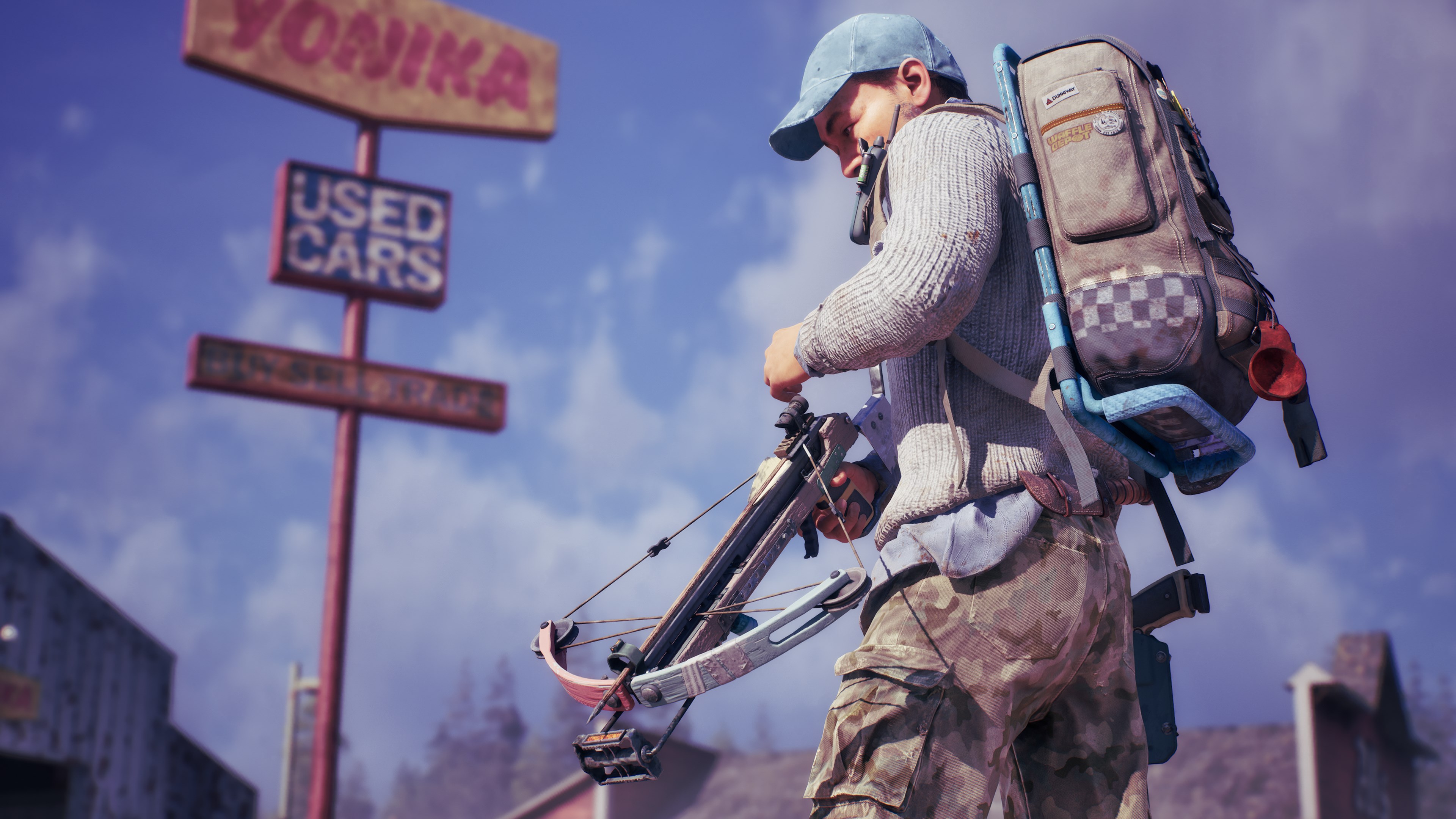
The clothing range is deliberately broad rather than tightly themed. The art team has described it as spanning practical military-styled gear at one end and deliberately outlandish fashion at the other, the stated goal being to let players express themselves rather than to enforce a single survivalist look. The studio works in broad tonal directions rather than prescriptive briefs, which it says lets individual artists put their own taste into the catalogue and produces more variety than a tighter process would.
Clothing has to work on top of procedurally generated characters. Every survivor in the world is assembled from parts rather than authored individually, so no two are identical, and the wardrobe system has to fit that combination space rather than a fixed set of bodies. This is the same system that produces the varied survivor roster described above.
The studio has connected all of this to a wider art goal: that a screenshot should be identifiable as State of Decay without a logo on it, with characters, clothing, vehicles, weapons and backpacks all carrying the same recognisable design language. The studio's August 2026 summary of alpha feedback names two concrete additions on top of the clothing range: glasses and beards, both called out alongside varied clothing options as cosmetic changes testers responded to. No count of clothing items, unlock method or pricing has been published.
What Is Not yet Public
The skill system used by survivors, including any class structure or specialization tracks.
Trait lists and how traits modify survivor behaviour in combat and around the base.
Recruitment methods: how new survivors join the community, and what causes the community to grow or shrink over time.
What low or high morale actually does to a community, and which actions beyond healing the injured move it.
Named characters and their roles in the starting communities at each playable starting location.
Related Systems
Survivor community ties into permadeath (the cost), base building (the home), combat (the danger), and Online Co-Op (the squad), so changes to any of those pillars feed back into how a community feels day to day.
Status
Information on this page reflects publicly confirmed details as of August 27, 2026. Specifics will be expanded as the playable build reveals more.