

Overview
Base building is one of the systems Undead Labs has highlighted as significantly changed for the third game. The May 2026 closed alpha playtest lists "new base-building" as one of its four headline focuses, alongside four-player co-op, new resource strategies, and combat.
What a Base Does
A home base is the center of operations for a community of survivors. Players bring back resources from scavenging trips and feed them into base facilities that craft gear, train survivors, store supplies, and harden defenses. The base is also the focal point for the survivor community, which gives any base loss a meaningful cost beyond just the time spent placing furniture.
What Has Been Confirmed for the Third Game
Aspect | Confirmed Info |
|---|---|
Status | New base-building system, redesigned for the third entry. Specifics not yet public. |
Test Window | Featured as a focus area in the May 2026 closed alpha. |
Co-op Integration | Bases are used by groups of up to four players in untethered co-op, so multiple survivors can be working on the base at once. |
Resource Tie-in | New resource strategies are listed alongside base building as part of the same pillar, suggesting tighter coupling between scavenging output and base growth. |
Settlement Variety | Settlements have "variety and character," and some bases carry specific in-built features such as additional electricity, so where a community sets up shapes how it can grow. |
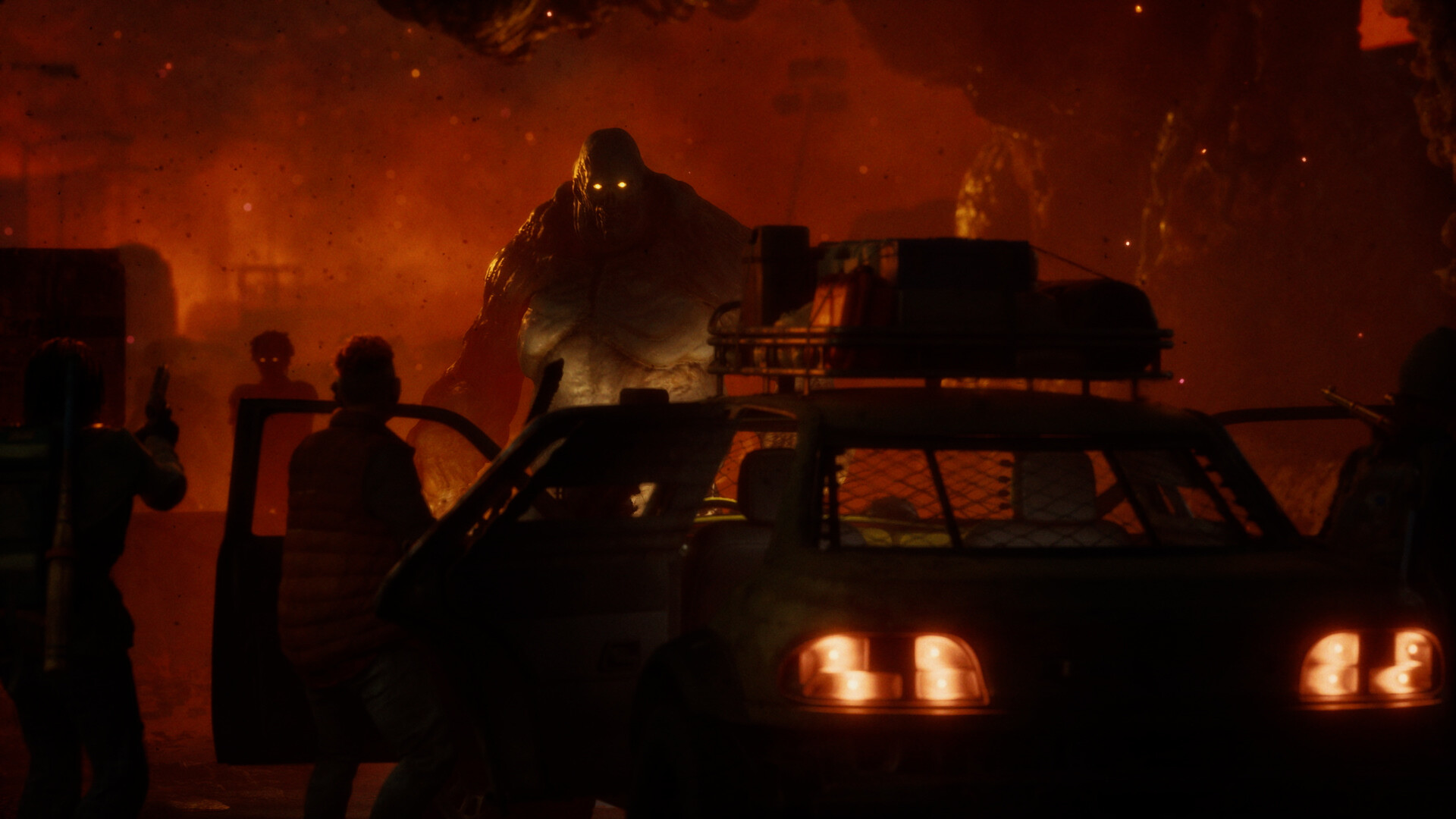
Active Plague Defense | Players cannot fully turtle up, because the plague threat grows in power if it is left unchecked, keeping base defense an ongoing pressure rather than a solved problem. |
Multiple Settlements | A single community can hold up to three settlements at the same time, confirmed at the June 2026 reveal. |
Confirmed Activities | Reinforce defenses, expand the arsenal, craft homemade explosives, and heal injured survivors to boost morale. |
Settlement Network | Multiple settlements are described as forming a community network, with a confirmed cap of three at once. |

What is Not yet Public
Specific facility names, build costs, upgrade tiers, slot counts, and outpost mechanics have not been publicly confirmed for the third game. These will be filled in once the closed alpha and post-alpha reveals make them concrete.
Settlements With Character
Undead Labs has said the third game keeps the idea, established in the previous game in the series, that settlements have their own variety and character. Some bases come with specific in-built features, such as more electricity, so the choice of where a survivor community plants its home base carries strategic weight beyond raw floor space. A site rich in one built-in advantage can steer how a community spends its scavenged resources. The studio has also confirmed that a single community can run up to three settlements at once, so holding more than one base and balancing their strengths is part of the third game.
What a Settlement Lets You Do
The publisher's storefront listings spell out four activities a settlement supports, which is the most concrete public description of base output so far. A community can reinforce its defenses, expand its arsenal, craft homemade explosives, and heal injured characters to boost morale. The same listing frames holding more than one site as claiming multiple settlements to create a community network, which matches the confirmed cap of three.
Those four lines matter because they tie the base to systems documented on other pages rather than leaving it as an abstract upgrade screen. Defenses answer the pressure described under the plague that cannot be ignored, the arsenal and explosives feed combat, and healing links the base to morale in the survivor community. Build costs, facility names and upgrade tiers are still unpublished.
Defending that base is a constant rather than a one-time setup. The studio has been clear that players cannot simply seal themselves in and wait, because the plague grows in power when it is left unchecked. That keeps a settlement's walls meaningful throughout a playthrough and pushes communities to keep venturing out to hold the infestation back.
Related Systems
Bases interact closely with the survivor community, combat, and Online Co-Op systems. The full picture will become clearer after the closed alpha.
The Home Base in Practice
A home base in State of Decay 3 is the anchor for a community of survivors and the destination for every successful scavenging trip. Resources brought back from the world get spent on facilities at the base, which is also where survivor community members rest, train, and hold relationships with one another. Because the community itself sits inside the base, losing the base is heavier than losing furniture: the same loss can ripple into permadeath stakes for individual survivors and into morale fallout for the survivors who pulled through.
New Base-Building for the Third Entry
Undead Labs has called out base-building as one of the systems significantly redesigned for the third entry. The May 2026 closed alpha lists new base-building as one of its four headline focus areas, sitting alongside four-player co-op, new resource strategies, and combat. The studio has been deliberately light on specifics so far, framing the alpha as the moment when invited testers will see how the new system feels under load.
What is publicly confirmed is the pillar-level shape: bases are tied tightly to the new resource strategies, can be worked on by groups of up to four players in untethered Online Co-Op, and feed into the broader survival loop the series is known for.
Co-Op and Base Work
Four-player co-op interacts with base building in a way the series has not done at this scale before. With untethered movement, two survivors can be hardening defenses at the base while the other two are out scavenging materials, all in the same shared world at the same time. That changes the rhythm of base growth from a single-player time-budget exercise into a squad-level division of labor, where the host does not have to be at the base for base work to be happening.
Confirmed Aspects, Side by Side
Aspect | What Is Confirmed | Where It Came From |
|---|---|---|
Headline focus | New base-building is one of the four pillars of the May 2026 closed alpha test. | Alpha announcement materials. |
Co-op integration | Bases support work by up to four players in untethered Online Co-Op. | Stated alongside the co-op model. |
Resource tie-in | New resource strategies are listed as a sibling pillar, indicating tighter coupling between scavenging output and base growth. | Alpha focus areas. |
Community anchor | The base is the home of the survivor community, which makes any base loss meaningful at the survivor level, not just the structure level. | Survivor community design notes. |
A Settlement's Former Life
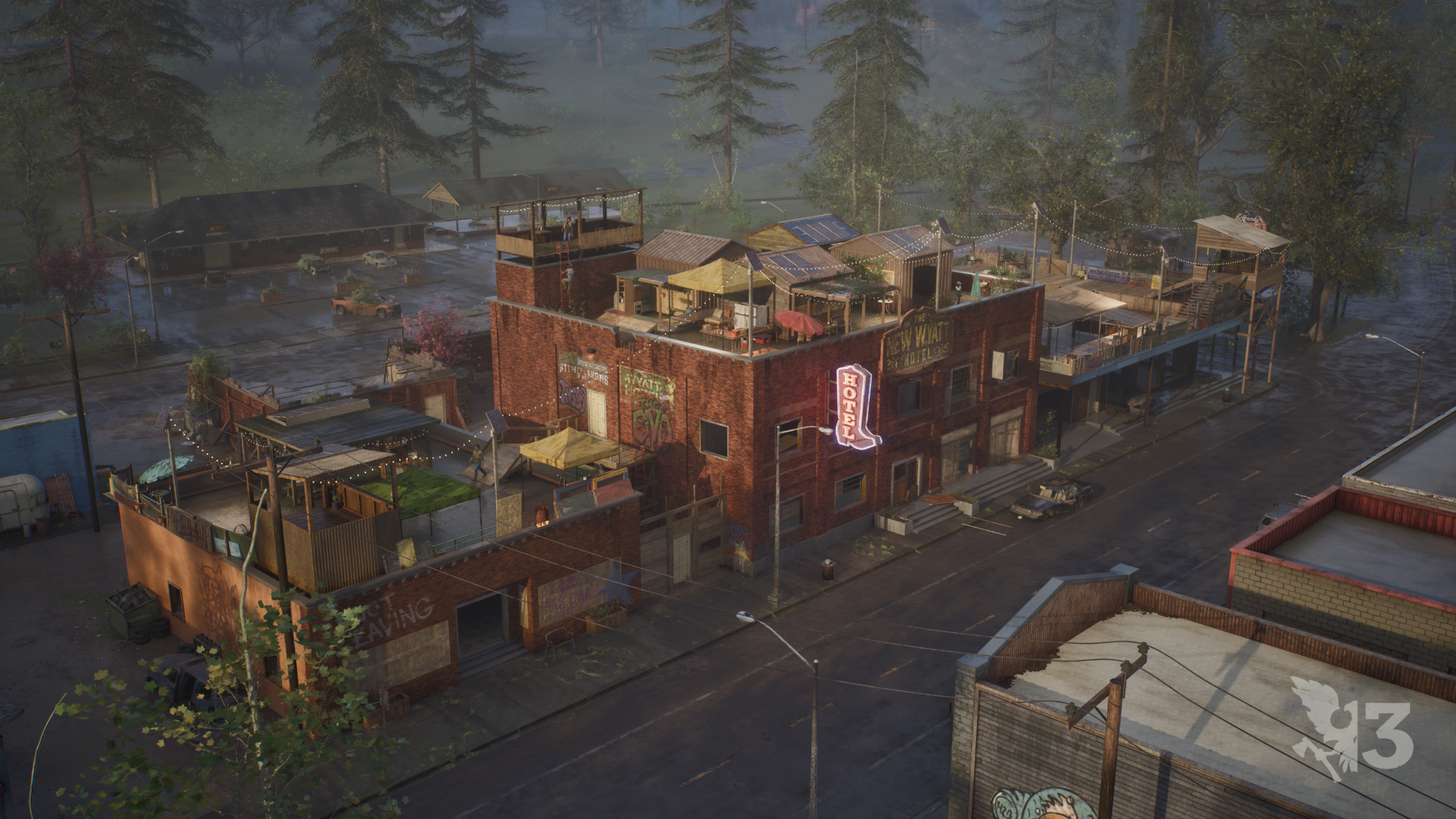
The studio has described a rule that connects a settlement's real-world past to what it is worth claiming. Many sites carry a benefit forward from whatever the location used to be before the outbreak, and that inherited benefit then shapes which facilities a community can usefully build there.
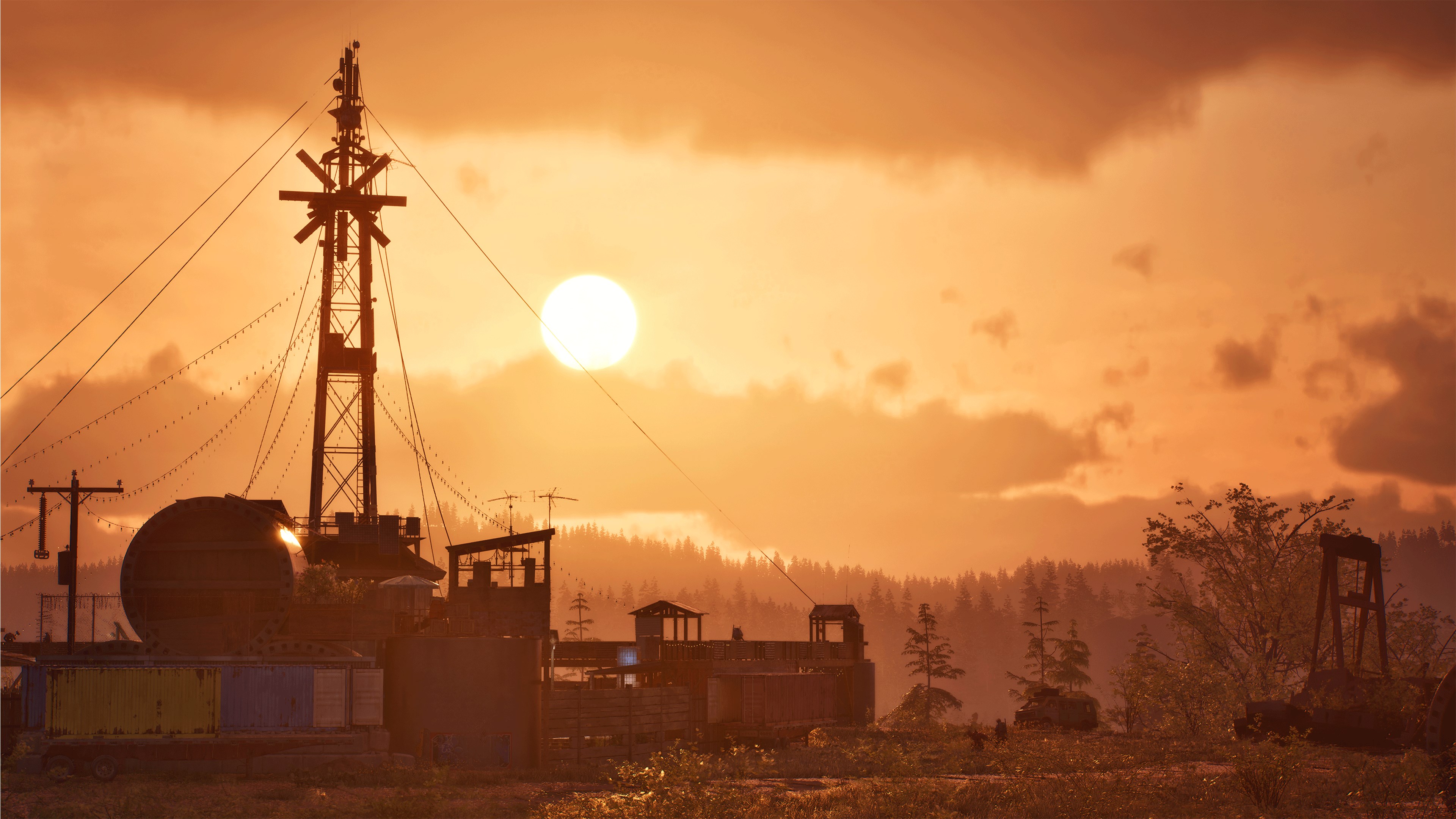
The worked example the studio has given is the hilltop settlement shown in the 2026 gameplay reveal, captioned Wind City in the official screenshot set and called Windy City by the team. It is built around a former wind power generator, and because the turbine is still standing the community there gets free power. A base that solves its own electricity problem frees up the facility slots and resources another site would have to spend on generators and fuel.
The studio has said there are many settlements to choose from and that each has its own personality, so the decision is not only about inherited utility. Staff have described choosing a base by where it sits on the map relative to what a player is trying to accomplish, which puts position and inherited benefit in tension with each other. The full list of settlements, the specific benefits each one carries, and how they interact with the three-settlement limit have not been published. In August 2026 the publisher described the team as heavily emphasising the management of many more communities and survivors than earlier entries, alongside deeper building and systems management. That is a statement of emphasis rather than a mechanic, but it is the clearest signal so far that the settlement layer is meant to be wider as well as deeper.
What Is Not yet Public
Specific facility names, build costs, and upgrade tiers.
Slot counts inside a base and the upper cap on simultaneous facilities.
Outpost mechanics outside the base footprint, including how outposts feed resources or share a defensive perimeter.
How a community relocates after a base loss, and how much carries over.
Whether bases differ structurally based on the player's chosen starting location.
Related Systems
Bases sit at the intersection of the survivor community (who lives there), combat (what the walls are for), Online Co-Op (who can be working on the base at the same time), and the broader gameplay basics loop of scavenge, build, defend.
Status
Information on this page reflects publicly confirmed details as of August 27, 2026. Specifics will be expanded as the playable build reveals more.