

Overview
Permadeath is one of the marquee mechanics of State of Decay 3. When a survivor in the community dies, that loss is permanent: the character cannot be revived, and the wider community visibly reacts to who has been lost. Undead Labs has described permadeath as iconic to the series and as expanded in the third game with new narrative systems that surface the cost of losing a community member.
How It Works
Each playable character is a unique survivor with their own traits, gear, and place in the community. If a survivor dies during a scavenging run, a defensive fight, or any other moment in play, they are gone for good. The death is not undone by reloading a save in normal play, and there is no respawn timer for that character. The survivor's gear, role, and relationships inside the community all disappear with them.
Narrative Reactions
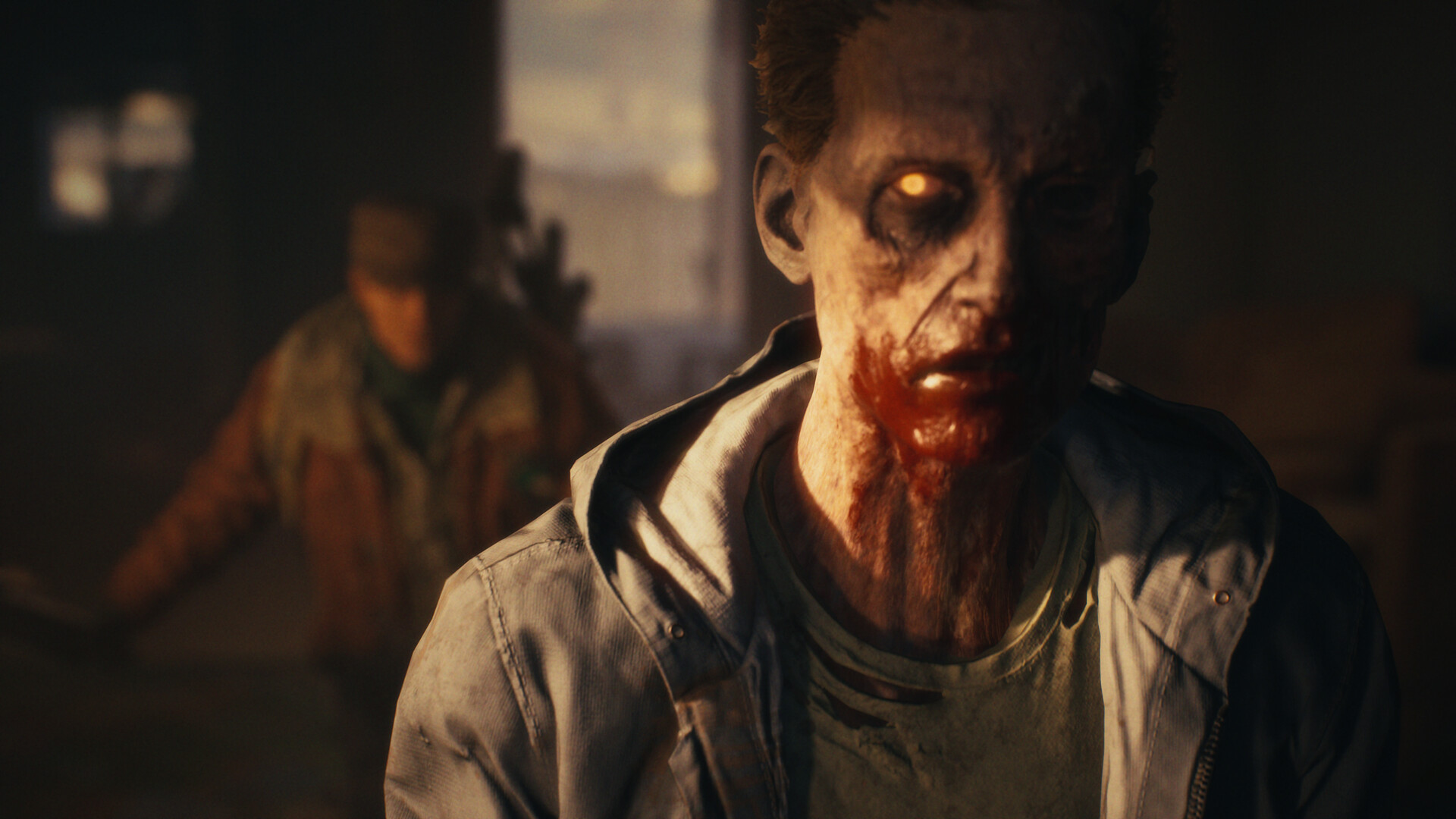
The third game expands permadeath beyond a stat penalty into a narrative beat. Undead Labs has described new systems that show how the community responds to a survivor's loss. In practice, this means that surviving community members reflect the death in their behaviour and dialogue rather than treating the loss as a silent character slot swap. Combined with rebuilt combat in Unreal Engine 5, the cost of a single bad fight is intended to land harder than in earlier entries.
Why It Matters in Co-Op
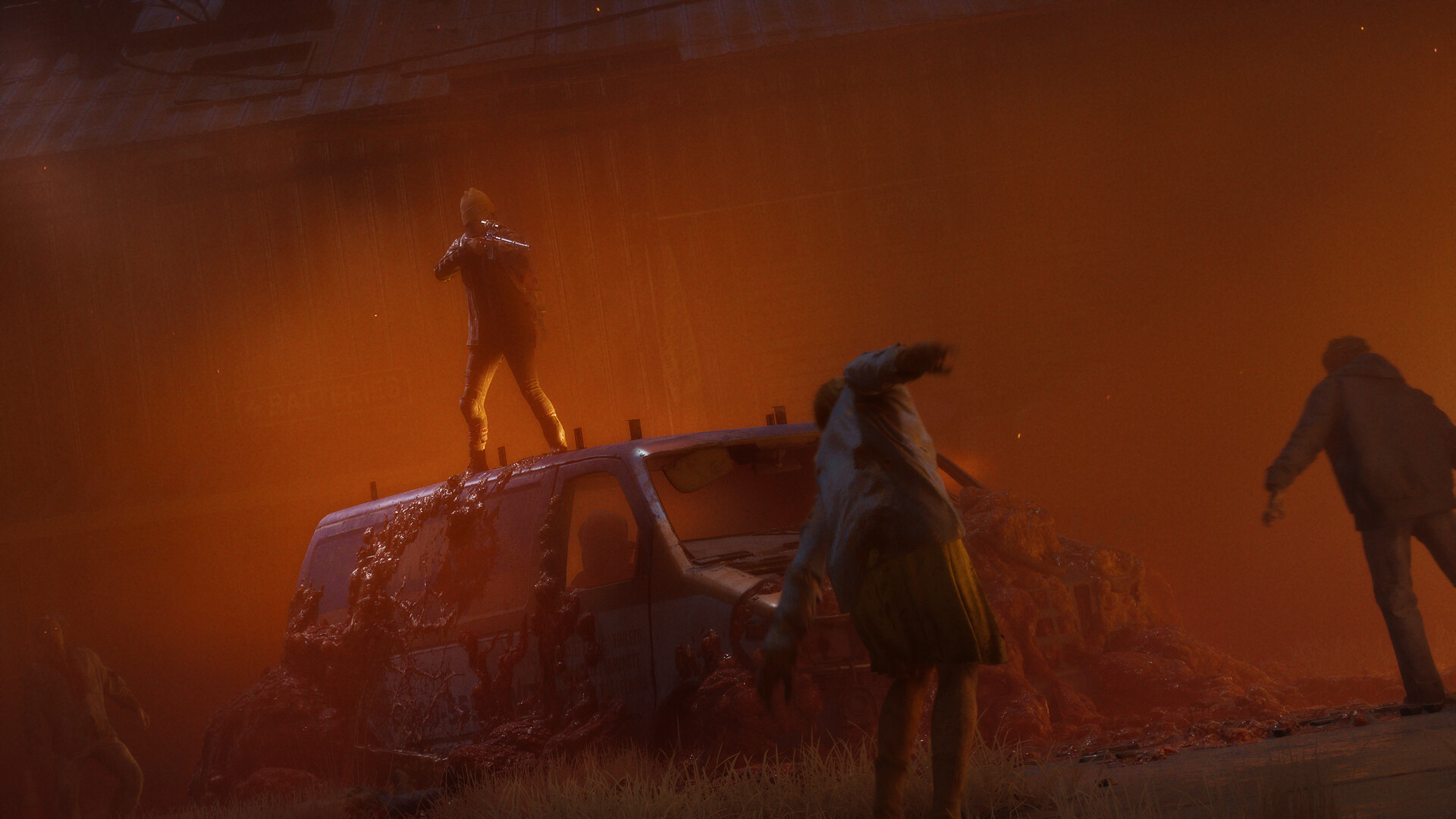
In four-player online co-op, permadeath also affects guest players. If a co-op session sees a survivor die, that survivor is permanently gone from the host's community. This raises the stakes of every shared run and is the reason Undead Labs has framed the new co-op design around groups that can split up across the map. Reckless plays during co-op can leave a permanent mark on someone else's save.
What is Not yet Public
Specifics of the narrative reaction system, the death animation set, how the in-world memorial for fallen survivors is built and whether it has any mechanical effect, the rules for community-wide morale loss after a death, and whether any difficulty mode loosens permadeath have not been publicly confirmed for the third game. These details will be filled in as the closed alpha and later reveals make them concrete in the playable build.
Related Systems
Permadeath sits at the centre of the Survivor Community, Combat, and Online Co-op pages. Each of those systems is shaped by the fact that surviving an encounter is the whole point of every choice the player makes.
What Happens When a Survivor Dies
Permadeath in State of Decay 3 is absolute under normal play. When a survivor in the survivor community dies, the character cannot be revived, and there is no respawn timer. The gear that survivor was carrying, the role they held inside the community, and the relationships they had with other survivors are all gone with them, and the next time the player needs that role filled they have to draw on whoever else is still alive at the home base.
Expanded Narrative Reactions
What the third entry adds on top of that base premise is the expanded narrative response. Undead Labs has described permadeath as iconic to the series and as expanded with new narrative systems that show how the community visibly reacts to who has been lost. The death of a long-tenured survivor should land differently from the death of a brand new recruit, and the rest of the community should register the difference. The studio has not laid out the full mechanical surface of those reactions in public materials yet, but the design intent is that each loss has a specific community-level fingerprint. The publisher restated that intent in August 2026, saying the narrative systems are being built specifically to support the weight of those losses so that the death of a long-time survivor actually means something, and tying playtest feedback directly to how those reactions ripple through a community.
The publisher's storefront listings state the stakes in one line: permadeath is an ever-present danger to your community, and every risk must be weighed against the reward. That is the same framing the studio has used verbally, but it is worth noting that it now appears as a headline feature on the store pages rather than only in interviews, which puts it alongside settlement building and co-op as something the game is being sold on.
Official footage also shows an in-world memorial for fallen survivors, captioned as such in the published screenshot set. That is a visible acknowledgement inside the settlement rather than a menu entry, though how it is built, where it sits, and whether it does anything mechanically have not been explained.
The studio has pointed to a telling reason for keeping permadeath at the core: rather than driving players away, losing characters actually increased player engagement in the earlier games. That finding underpins the decision to expand the system in the third entry instead of softening it, leaning into loss as a driver of attachment rather than a punishment to be smoothed over.
Co-Op Stakes
In four-player Online Co-Op, permadeath applies to the same characters that solo play uses. A survivor who falls in a friend's session is still gone for good in the community they belong to, and the wider community in the player's own settlement still reacts to that loss when they return. That keeps the stakes consistent across solo and squad play, and it gives co-op fights the same weight as solo fights instead of treating co-op as a softer side mode.
Combat and Permadeath Together
The redesigned combat in Unreal Engine 5 is built around the premise that fights should feel weighty enough to support permadeath stakes. Reactive enemy animations, enhanced dismemberment, and situation-aware hit reactions are not just visual polish; they are part of the design loop that makes the cost of a single bad fight legible. The marquee new enemies, such as the Screamer with its molten lungs from the enemies roster, are meant to be the kind of threat that justifies the permadeath consequence when a survivor gets cornered.
What Is Not yet Public
The exact mechanical shape of the expanded community-reaction systems (mood shifts, dialogue triggers, base-level effects, and so on).
Whether any optional difficulty settings change how permadeath applies, including custom rules for friends-only co-op sessions.
How a community handles the loss of its founder or lead survivor, and whether leadership transitions are mechanically distinct.
Whether any survivor traits or skills modify the community's response to permadeath beyond the baseline reactions.
Status
Information on this page reflects publicly confirmed details as of August 27, 2026. Specifics will be expanded as the playable build reveals more.