
Loading...
Loading...
Mining and Resources
June 3, 2026 at 02:01 PM
Added Resource Nodes, Tool Tiers and Special Methods (Shells/missiles, volatile resources), Named Materials (Iron/Copper/Quartz, ore-vs-nugget ratios), and a Liquid Resources cross-reference
Gathering resources is a foundation of the gameplay loop in SpaceCraft. Planets hold an abundance of natural resources ready to be uncovered and exploited, and mining is how you turn the galaxy into raw materials.
As you explore and scan new systems, you reveal where valuable resources are located. You equip yourself with a variety of tools to extract raw materials, then scan your environment and use your ship to mine, extract, and gather resources.
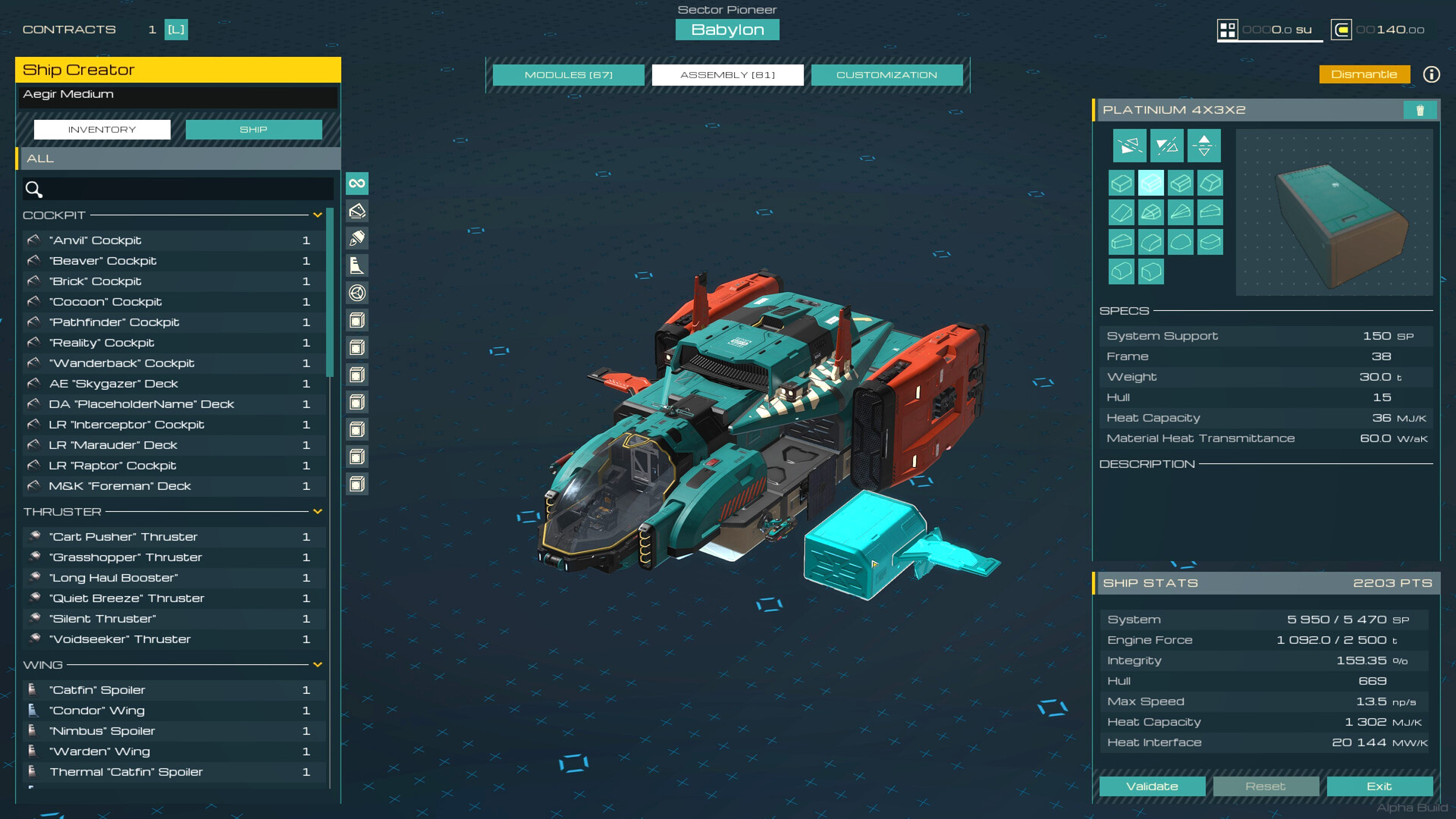
Gameplay shown by the developer has your ship handle extraction directly using its mining equipment, so in the early game you can gather from a planet without needing to land, mining from the air with your vessel. As your operation grows, you can shift extraction onto dedicated systems and bases rather than mining every load yourself.
Source | Notes |
|---|---|
Planets | Worlds hold an abundance of natural resources to uncover and exploit once scanned. |
Asteroids | Asteroid fields are a source of raw materials to mine. |
Abandoned structures | Abandoned stations and derelict ships are among the sites you can gather from while exploring. |
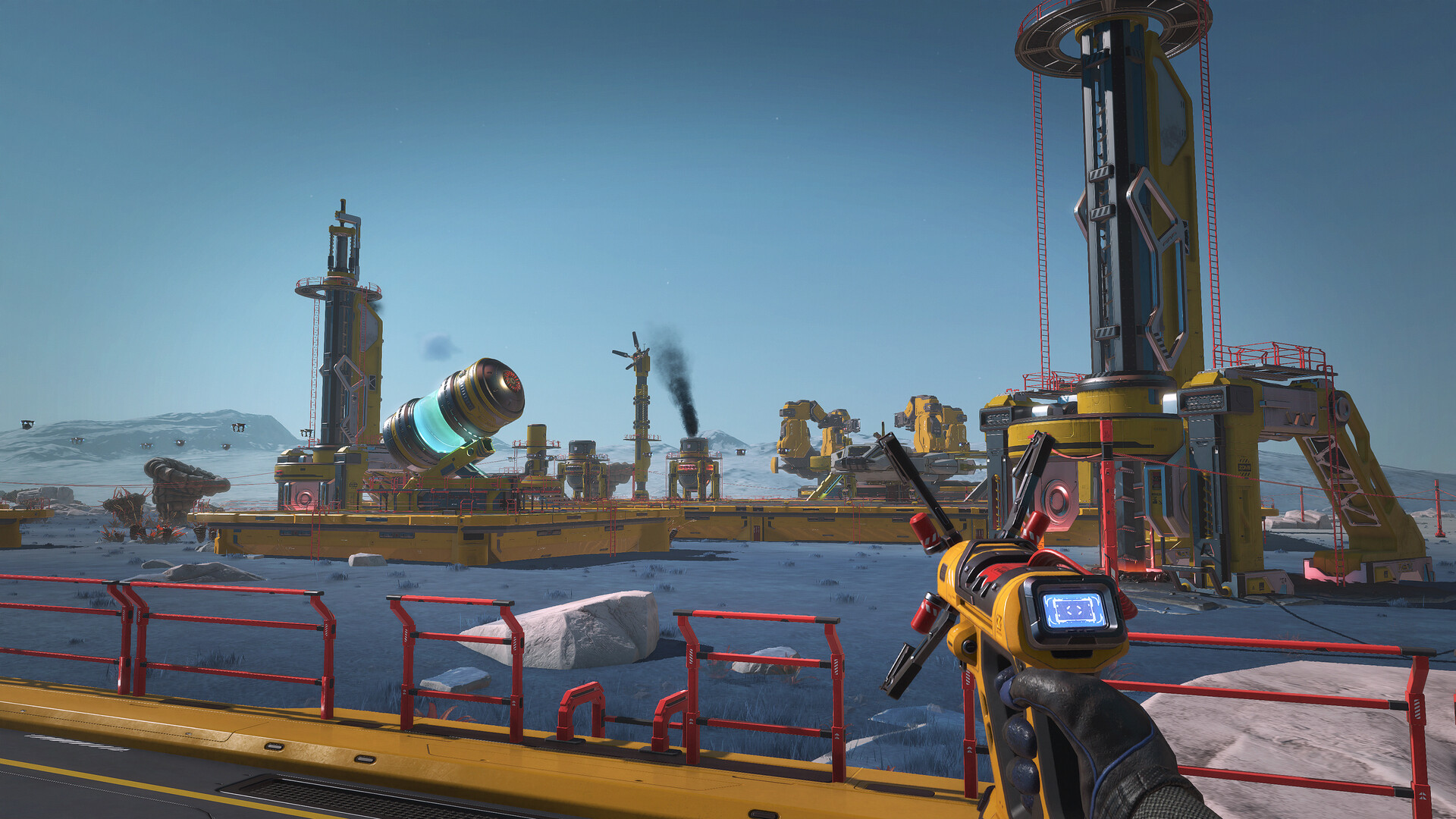
Raw materials are the input to the rest of your operation. You craft these resources into valuable materials or ship parts, and you can trade or sell what you gather. The cycle of mine, craft, and trade is what drives progression.
Early on you mine by hand with your ship and tools. As you progress, you can set up automated mining systems so extraction continues without your direct input, freeing you to focus on strategy and expansion. See Automation and Logistics for how automated mining and supply chains work.
Resources are gathered from resource nodes, minable points that provide materials in limited quantities. Nodes spawn in clusters rather than in isolation, and each planet has its own set of nodes, so where you mine determines what you can collect. Certain landmarks hold rarer, more concentrated nodes. You scan a node to reveal what it contains before mining it.
Mining speed and access depend on tool tiers: lower-tier tools cannot mine higher-tier nodes, while higher-tier tools mine faster and can break through tougher nodes. Some resources need specific methods rather than a basic mining laser.
Shells must be broken open with missiles.
Volatile resources heat up when mined and can explode, sometimes requiring cooling tools.
Liquid and gas resources require specialized harvesting tools and storage modules.
The tutorial focuses on basic materials such as Iron and Copper, later introducing Quartz, with many more resources becoming available as you progress. Raw forms of the same material can differ: for example, both Iron Ore and Iron Nuggets yield Iron Ingots, but at different ratios and inventory costs. Ore is usually faster to mine per second, while nuggets are more space-efficient.
Raw Form | Yield | Inventory Cost |
|---|---|---|
Iron Ore | 2 Ore = 1 Iron Ingot | 10 Storage Units |
Iron Nuggets | 4 Nuggets = 1 Iron Ingot | 4 Storage Units |
Beyond solid resources, the game has a distinct liquid system (Water, Sulfuric Acid, and more) collected from geysers and stored in tanks and cisterns. See Liquid Resources for the full system. Refining solids into usable ingots happens at a station; see Crafting.