

Tom Clancy's Rainbow Six Tactics opens with Rainbow being pulled back into action. A new global conspiracy has surfaced, and as the newly appointed commander of the unit you have to uncover and dismantle a shadow organisation that is arming groups around the world. Ubisoft's framing is that a new global threat has pushed the organisation to operate on a broader strategic scale, which is the in-fiction explanation for why this Rainbow game is played from a command position rather than down a gun sight.
The Premise
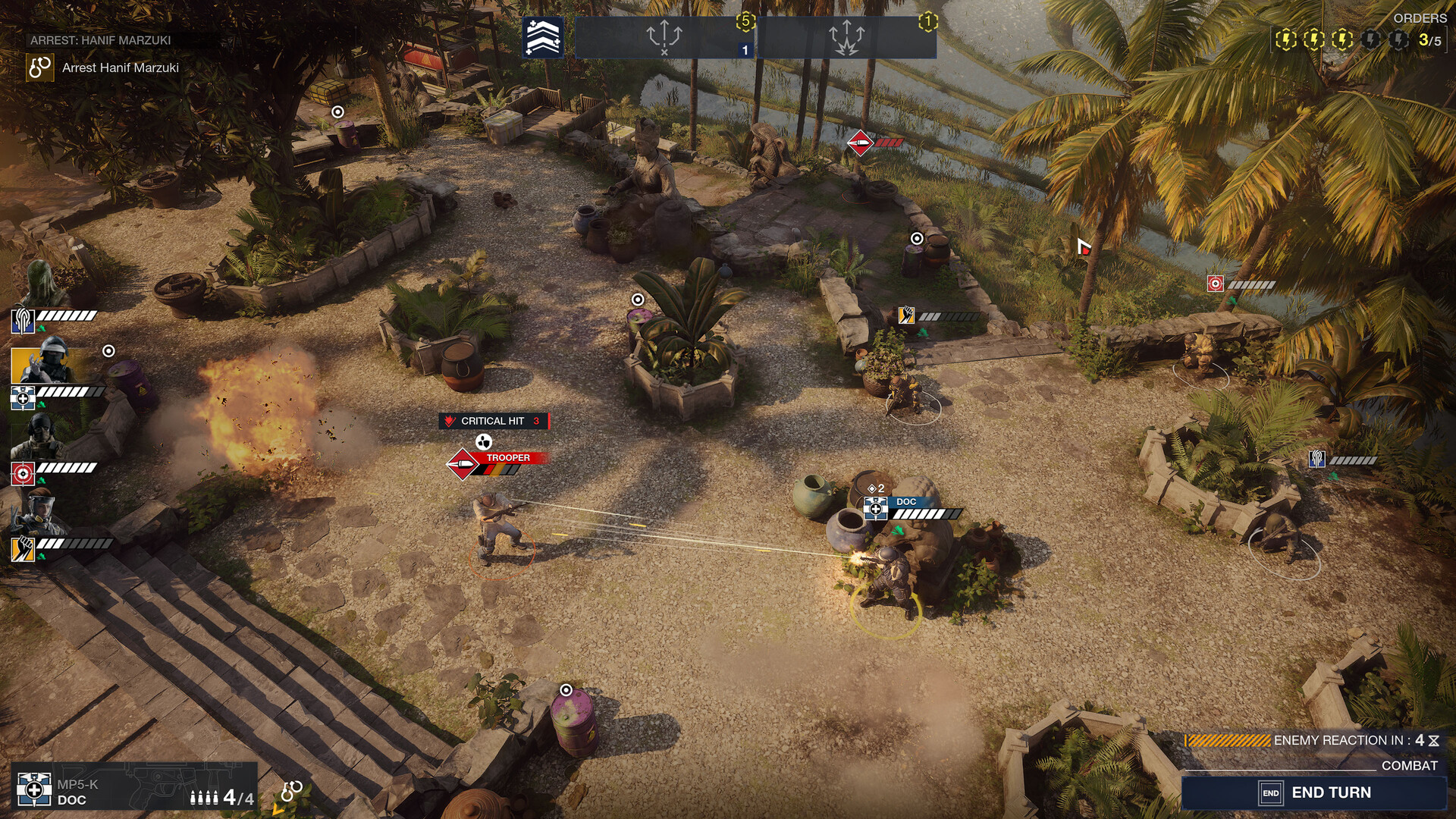
You are Six, the leader of the elite Rainbow squad. The campaign is an investigation as much as a series of operations: intelligence recovered on missions pushes the investigation forward, and the strategic decisions you make between deployments are framed as staying one step ahead of an escalating threat. Rebuilding the unit is part of the arc, not just a tutorial framing. See Headquarters and Intelligence for how that plays.
Story is delivered through cutscenes between missions rather than during them, sitting at the headquarters layer alongside the planning and upgrade systems.
Where It Sits in the Timeline
Question | Answer |
|---|---|
Which universe | The Rainbow Six universe, sharing the setting and lore of Rainbow Six Siege |
When | In the gap between the tenth and eleventh years of Siege |
Written with whom | In collaboration with the Siege narrative team |
Do you need to have played Siege | No. The stated goal is that each game stands alone |
What if you have | Connecting threads run in both directions between the two stories |
The two development teams have described the aim in the same terms from both sides: the stories add to each other without either one becoming homework for the other. Players who engage with only one still get a complete narrative; players who follow both can find threads that link them. Threads built in this game are also said to lead back into the ongoing story of the game it sits alongside.
This wiki covers Tactics only. The seasons, operators, maps and events of the game whose timeline this one runs beside are outside its scope, and nothing about them should be assumed to appear here. What is confirmed is the placement, not the contents of the surrounding years.
The Commander
The player character has been identified as Paul Bishop, the protagonist of the two Rainbow Six Vegas games, now leading Rainbow as Six. Ubisoft's own published copy names only the role, not the man, so the identification comes from reveal coverage rather than official marketing. Bishop is the single element drawn from that earlier pair of games, and nothing else from them carries over.
The Opposition
Enemies are armed groups working for the shadow organisation behind the conspiracy, and the missions shown at reveal were assaults on fortified positions held by them. Ubisoft has said the game includes several enemy archetypes to challenge different squad compositions, but none has been named or described. Objectives against them run from rescuing hostages to defusing bombs to removing a specific individual, and the reveal also showed a person of interest being taken alive and escorted out. See Mission Structure and Operators.
Tone and Presentation
The presentation keeps the trappings of the series: reconnaissance drones, breaching charges, buildings that come apart under fire. What changes is the vantage point. You are looking down at an operation you have planned rather than living through one at eye level, and the game's own material leans on that shift as the point of the exercise. See Gameplay and Destruction.
Not Yet Confirmed
The name of the shadow organisation.
Any named antagonist.
Any supporting character besides the player role.
Where the campaign begins and how long it runs.
Whether the campaign branches, and whether choices change the ending.
Which real-world regions the investigation visits.
Whether any Operator has a personal story thread.
Voice cast for any role.