

Phantom Blade Zero's combat is explicitly rooted in Chinese martial arts traditions. The studio frames the game around two pillars, "Wu" (martial skill) and "Xia" (inner righteousness), and the combat animations and weapon work reflect specific kung fu traditions rather than generic action-RPG movesets.
Style Framing
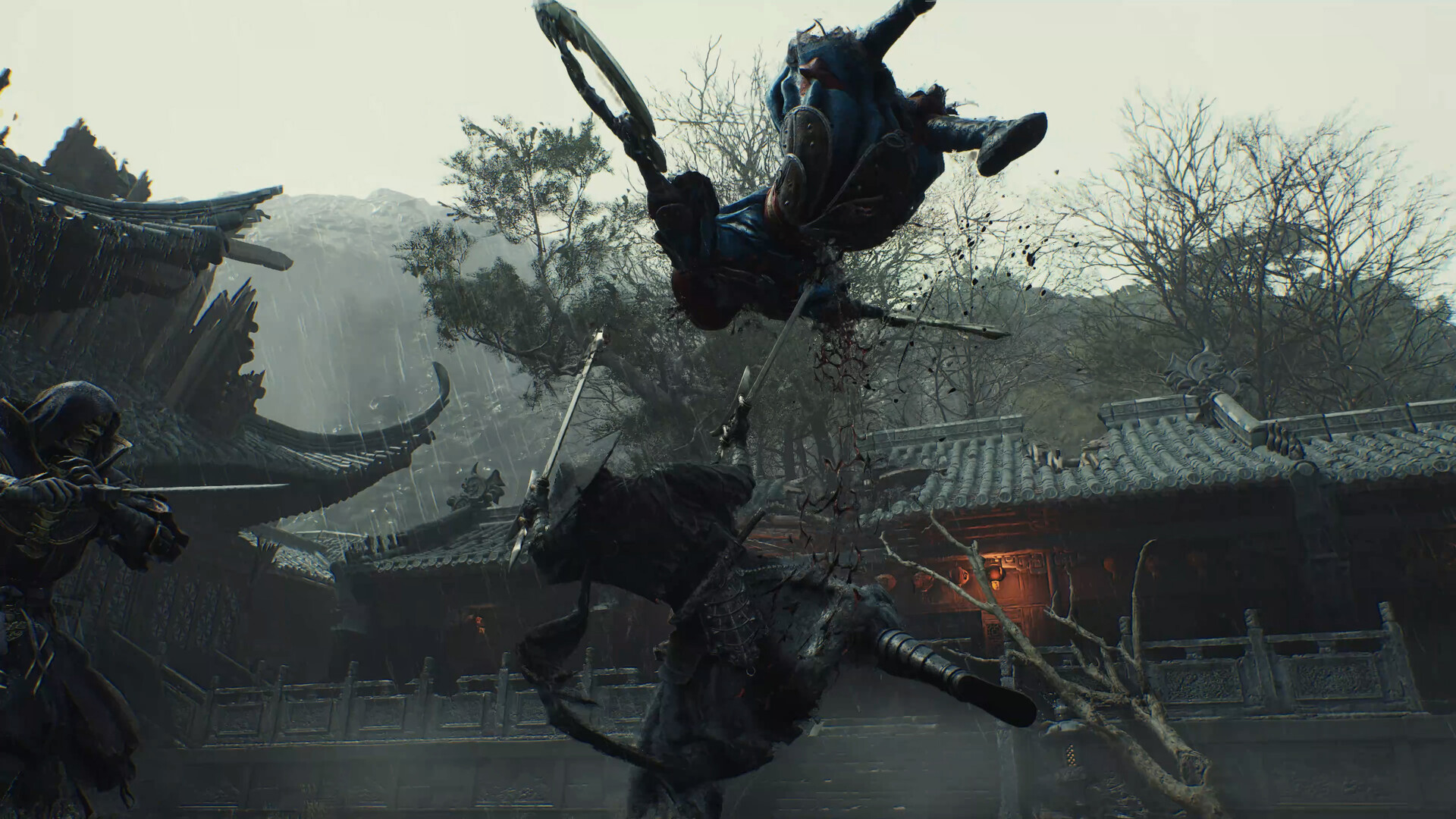
The Kung Fu Punk aesthetic blends traditional kung fu with steampunk, cyberpunk, dark fantasy, and horror. That framing is how the studio positions style variety: classical kung fu forms remain recognisable, but they are layered inside a sci-fi-inflected world. Hong Kong martial arts cinema from the golden age and traditional Wuxia storytelling are cited as direct references. Combat is spectacle-oriented and tuned to read as cinematic choreography rather than as mechanical stat-trades.
Confirmed Player Styles
The styles below are confirmed for player use in current trailers and demo footage. Speculative styles, including any only shown on enemies, are intentionally left out until a build confirms them in Soul's own hands.
Style | Description | Notable Use |
|---|---|---|
Drunken Sword | Sword combat choreographed to mirror the unpredictability of drunken boxing; movements sway and improvise in ways that are hard for AI to pattern-read. | Featured in a dedicated motion-capture behind-the-scenes video; see Drunken Sword for a deeper breakdown. |
Infernal Blade | Fire-flavoured player style for Soul; alters his moveset and visual effect set during demo play. | Confirmed for the protagonist's repertoire; documented across published character material. |
Dark Raider | Darkness-themed counterpart to Infernal Blade; another of Soul's two confirmed combat-style identities. | Confirmed via published character material as one of Soul's two distinct fighting styles. |
Movement and Choreography
Every player style is captured through real fight-intensity motion capture. Soul's face and movement come from a Shanghai-based performer, and weapon work was choreographed with consultants drawn from Hong Kong action cinema. The result is a moveset library that emphasises arc and recovery over telegraphed wind-ups.
See Motion Capture and Choreography for the production-side detail behind these styles.
How Styles Slot Into Combat
Player styles sit on top of the weapon kit rather than replacing it. The active Weapons choice (a primary Blade plus a secondary Phantom Edge) governs the moveset, while the named style sets the visual identity and the moveset's elemental flavour. The Combat System page covers the meta-mechanics that all styles share: weapon switching, parry and deflection, Ghost Steps, Sha-Chi, and the Brutal-or-Killer finisher system.
Enemy and Boss Styles
Several confirmed boss fights showcase styles the player does not directly use. Published director interviews describe a dragon-dance-derived boss whose movement was mocap-captured at a Chinese dance studio, and a separate boss who drinks during the fight to build erratic-attack energy in a deliberate counterpoint to the player's Drunken Sword. These remain enemy-only choreography and are documented on the respective boss pages rather than here.
Scope Note
This article covers fighting styles that ship in the playable Phantom Blade Zero build. Styles or movesets that only appeared in the 2022 mobile predecessor or in earlier studio projects are out of scope unless the current game has explicitly confirmed they return.