

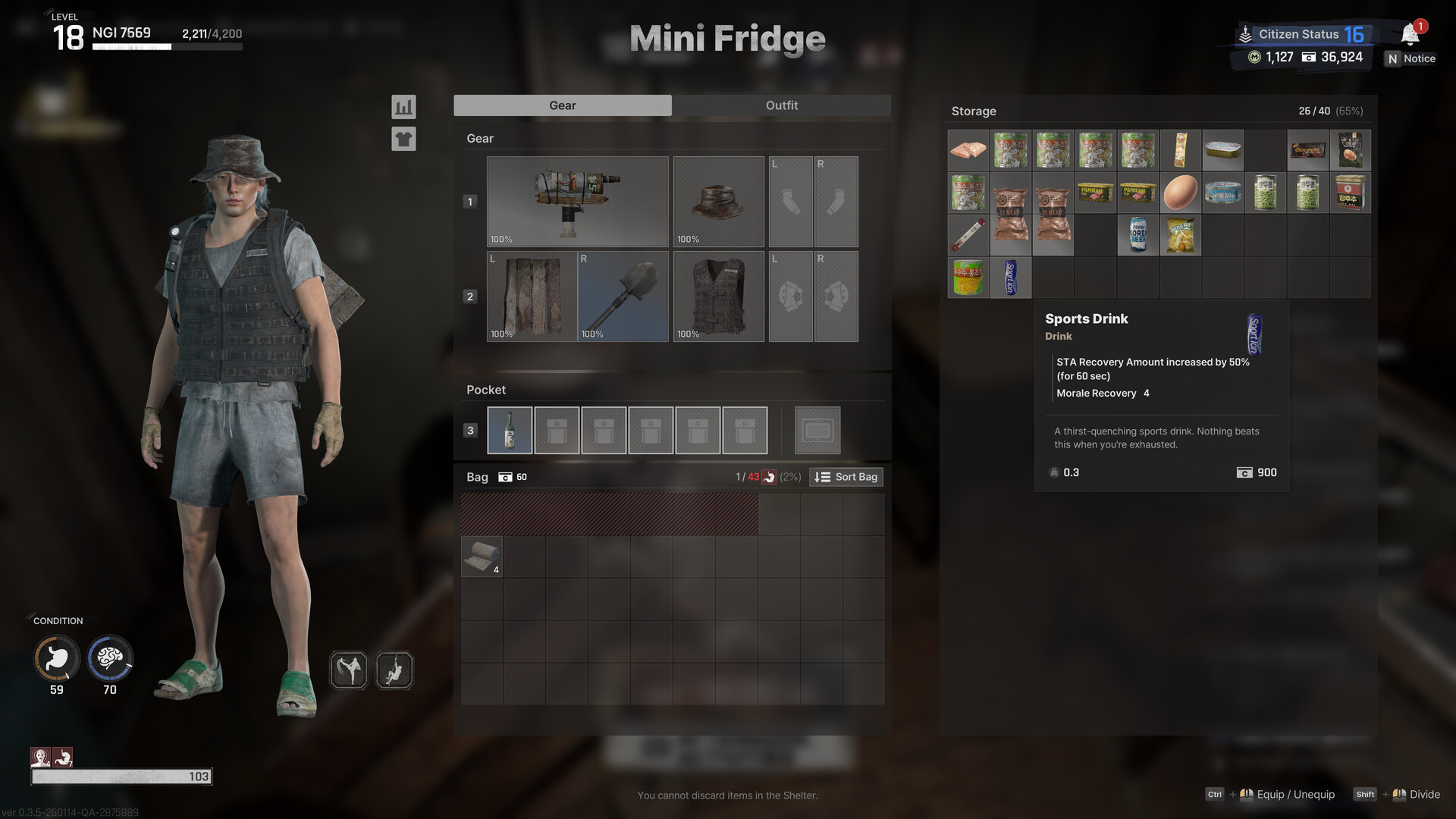
Armor in Nakwon: Last Paradise is the player's defensive layer against bites, blunt force, and bullets across the city expedition. The closed alpha confirms a working pool of 30 armor types, organized into two broad categories: heavy and light. The choice between them is not just a number on a sheet; it bends how the player engages with the rest of the survival systems described in the overview.
Heavy and Light
The 30 confirmed armor types split into two categories. Heavy armor is the protective option: thicker plating, more material between the player and incoming damage, and a stronger margin if the next hit lands. Light armor trades that protection away in exchange for a quieter movement profile and a more mobile silhouette. Neither category is strictly better, because the game's threat model is built around sound first.
Category | Trade-off | When to Pick |
|---|---|---|
Heavy | More protection per hit; movement noise becomes more of a risk | When a fight is unavoidable, when carrying high-value loot to extraction, or when the planned route runs through known concentrations of infected. |
Light | Quieter and more mobile; less protection if a hit does land | When the route depends on stealth, when avoiding infected patrols, or when prioritising mobility over a direct fight. |
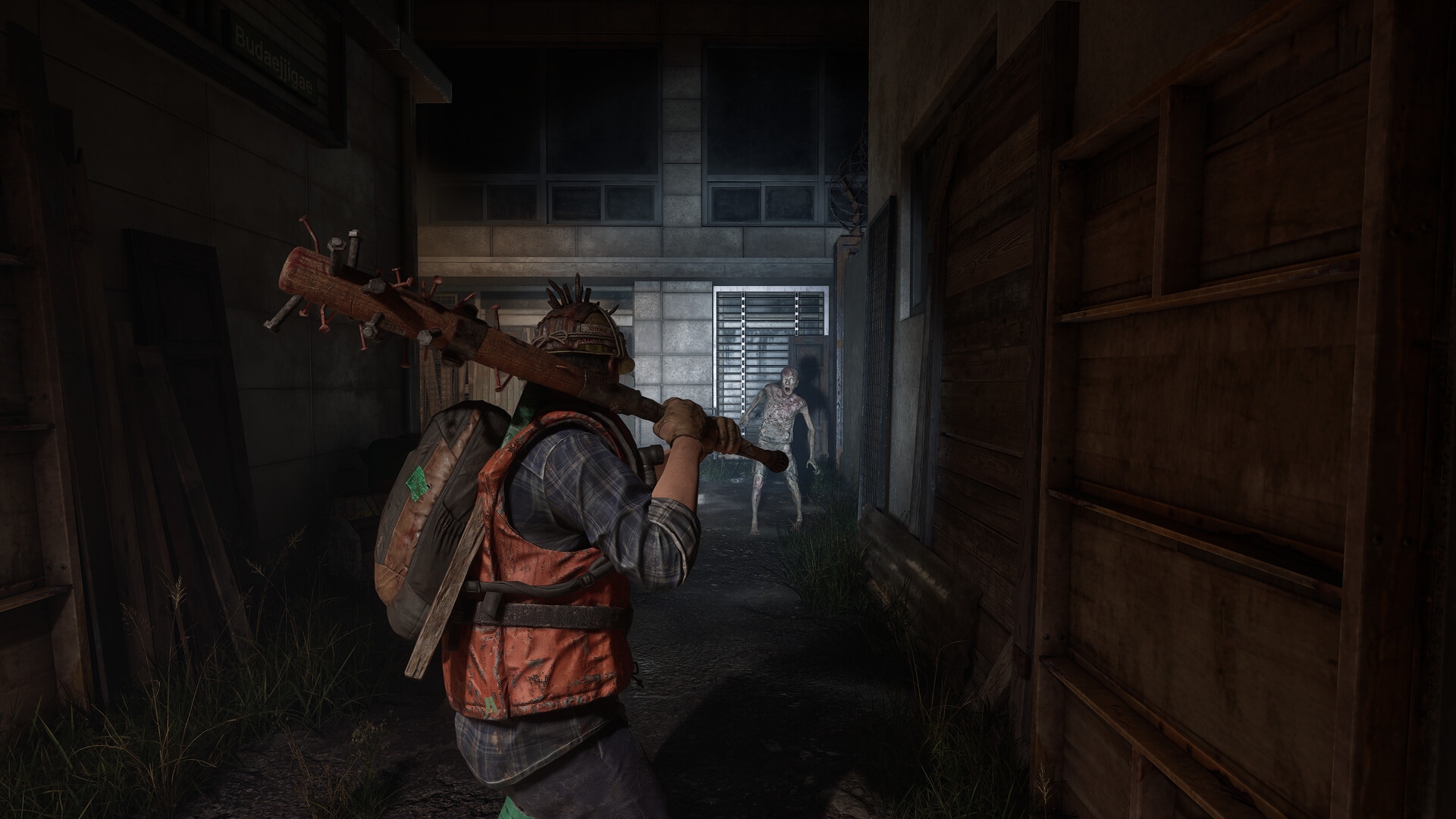
The trade-off is grounded in the game's audio-driven AI: every special infected type confirmed in the closed alpha is described as highly sensitive to noise, and one of the six special types, the Armored, is explicitly defined as a survivor whose makeshift plating generates noise when moving. That same logic applies in reverse to the player. A heavy loadout that flags an Armored infected through walls also flags the player to nearby infected and to other survivors listening for footsteps, gear creak, and impact.
Armor in the Survival Loop
Armor sits at the intersection of three other systems. It interacts with wound management because every blocked hit is one less wound to treat. It interacts with the Last Stand near-death state, because the threshold between alive and downed is partly a function of how much incoming damage the armor absorbs first. And it interacts with the day-night cycle, because the same heavy plating that is loud in a quiet midnight street can be drowned out by heavy rain when the audio mix shifts.
Loadout, Crafting, and the Workbench
Armor lives alongside firearms and melee weapons in the player's loadout. Items carried on an expedition can be lost permanently if the player dies and fails to extract, which puts a hard cap on how aggressive a player should be in geared armor. The shelter side of the loop, between expeditions, is where armor is repaired, modified, and replaced. Workbenches in the player's housing allow crafting and modification of items to boost durability and performance, and a scrap bench dismantles items into materials that feed the next build.
Build Choices and Skill Traits
The choice between heavy and light armor is not made in isolation. Skill Traits influence how each loadout actually plays. A player leaning into stealth, quieter footwork, or silent melee is the natural fit for a light loadout; a player committing to firearm engagements and direct fights gets more out of heavy plating. Because trait points are spent through the leveling system rather than swapped freely, the armor category and the trait sheet tend to converge into a single coherent build.
Gear Stat Model
Developer updates have confirmed the broad stat model even though specific values are unpublished. Armor follows the same framework as weapons: fixed base stats, with additional gear options carrying random values that are applied only when a piece is obtained through looting or crafting, keeping looted and crafted armor more valuable than shop-bought pieces. Stat rerolling was considered and decided against, to preserve the weight of losing geared items on a failed extraction.
What Has Not Been Confirmed
Specific armor pieces, set names, slot layouts, durability values, repair currencies, and named bonuses have not been publicly disclosed for the closed alpha. The 30 type count and the heavy and light categorisation are confirmed; specific stats are not. Future builds are expected to expand both the count and the systems around them.
Current to the 11 to 16 March 2026 closed alpha; subject to change in later builds.