

Day-Night Cycle
Guide to the day-night cycle in Nakwon: Last Paradise, including the day shelter phase, the night expedition phase, and the four confirmed environmental states (Night, Rain, Dawn, Early Evening) that bend audio and visual detection. None of the four is full daylight.
On This Page
Nakwon: Last Paradise structures every play session around a day-night cycle that doubles as the gameplay loop's two distinct phases. Day is for the shelter; night is for the city. On top of that structure, the closed alpha confirms four separate weather states on the expedition map, each of which changes how detection works. For the wider gameplay context, see the overview.
Day Phase: The Shelter
During the day, the player manages a customizable shelter inside the Yeouido quarantine zone. This is the safe half of the loop. Activities include placing furniture, upgrading workbenches, storing food, crafting and modifying gear, and preparing the loadout for the next expedition. The shelter is where armor, firearms, and melee weapons are repaired, modified, or built up from scrap before they leave with the player into the city.
Night Phase: The Expedition
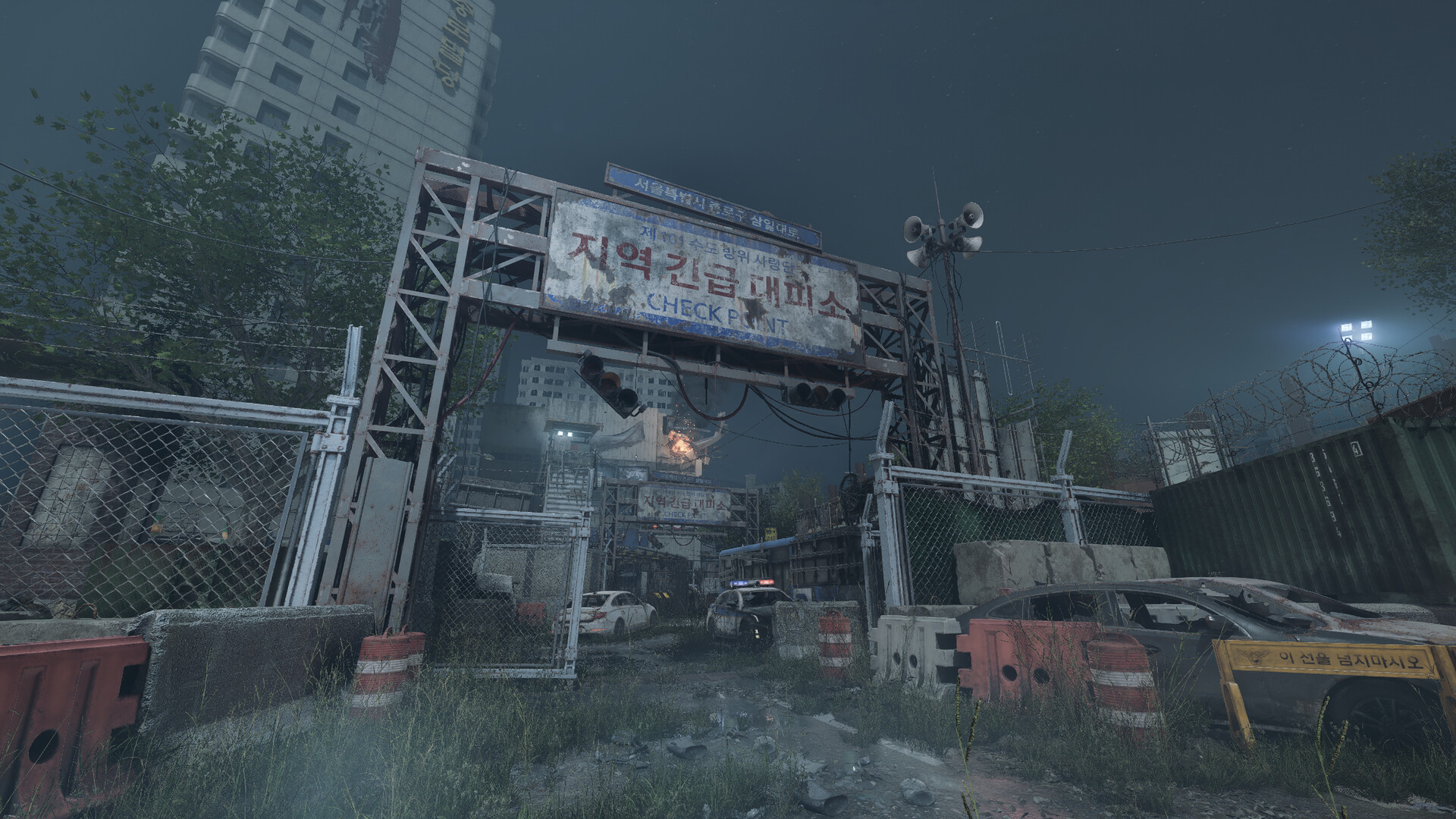
When night falls, the player leaves Yeouido and enters the ruined city, joining a session of up to 16 players. This is the dangerous half of the loop. Players scavenge supplies, complete missions, fight or evade infected, and either cooperate with or betray rival survivors before extracting back to safety. Items carried on an expedition can be lost permanently if the player dies and fails to extract, so the night phase is the half of the cycle where every decision has weight.
The Four Confirmed Weather States
The closed alpha lists four weather types for the expedition map: Night, Rain, Dawn, and Early Evening. Notably, none of them is full daylight. Expeditions run through the dark and the margins around it, so the four states are better understood as four grades of low light rather than a full 24-hour weather wheel. Only the audio behaviour of Rain has been described in detail publicly; the individual visibility effects of Dawn and Early Evening have not been broken out.
Weather State | What Is Confirmed | Effect on Play |
|---|---|---|
Night | The darkest of the four states and the default framing for an expedition. | Shortest sightlines. Encounters tilt toward sound, so audio discipline matters most. |
Rain | Heavy rain muffles ambient sound. | A stealth window that cuts both ways: the player is harder to hear, and so is everything else. |
Dawn | A low-light state at the start of the morning. | More light than full night. Per-state detection values have not been published. |
Early Evening | A low-light state as daylight fades. | More light than full night. Per-state detection values have not been published. |
Heavy Rain in Detail
Rain is the most distinct of the four states because it bends the audio rule that the rest of the AI is built around. Every aberrant infected type confirmed in the closed alpha is described as highly sensitive to noise, and the standard infected behaviour is to chase on sight and respond to sound. Rain dampens the audio side of that equation, which gives the player more room to move past patrols, but it also dampens the audio cues the player uses to track the infected. The Armored infected, whose plating generates noise when moving, is much harder to hear approaching during rain.
Cycle and Build Choice
The day-night cycle interacts with build choice. Heavy armor and louder firearms are punished by the clearer, quieter states and amplified by heavy rain; light armor and quiet melee weapons stay safer across all four states. Skill Traits that trim noise or tighten stealth pay off most at night and during rain, while traits aimed at direct combat hold their value evenly across the cycle. The Last Stand near-death state is also affected indirectly: a downed player still trying to extract benefits from rain or night because the same rules that hide infected patrols hide the player's slow movement away from the fight.
Confirmed and Planned Weather
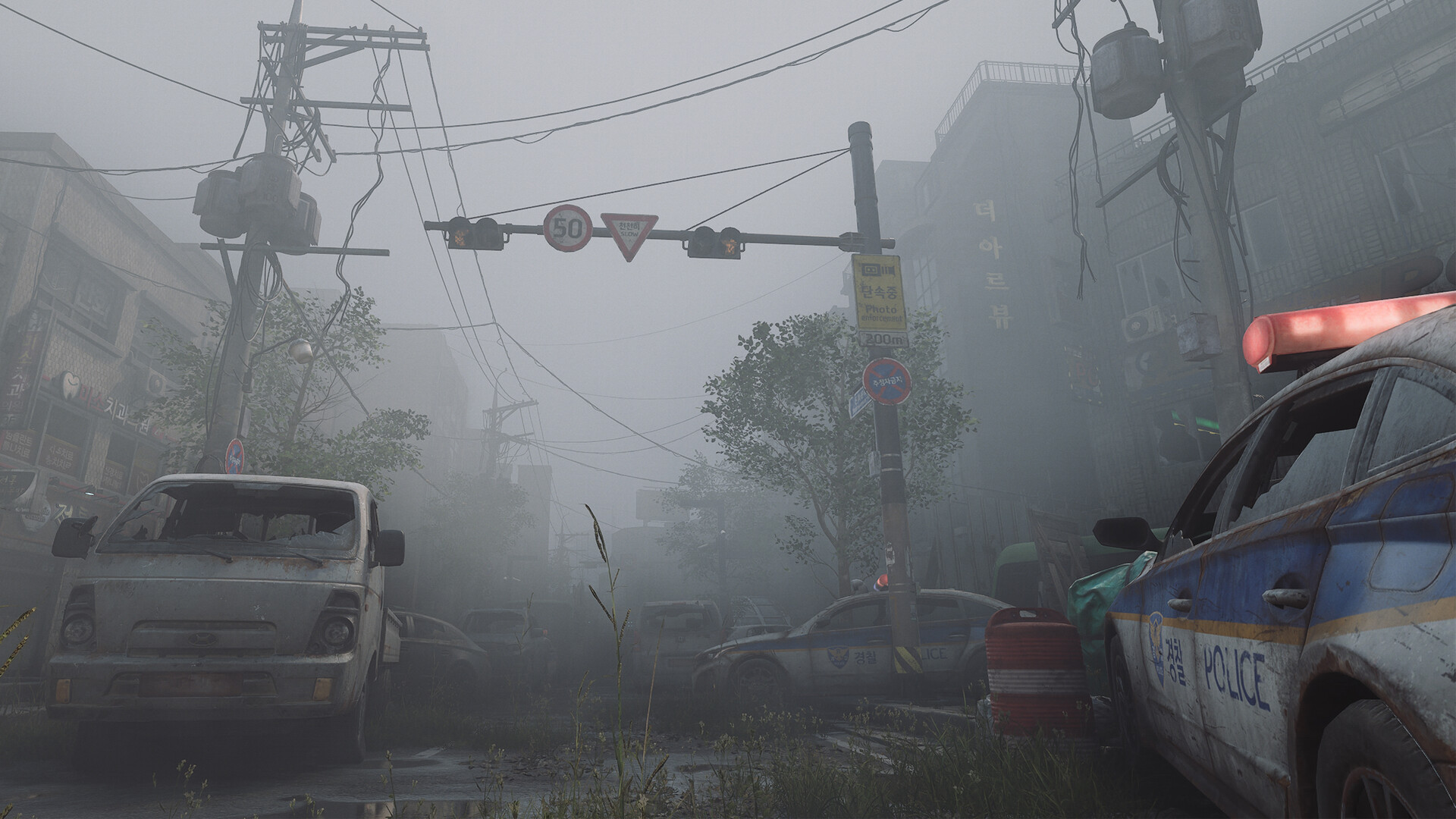
Developer updates after the closed alpha confirmed that the weather system is expanding beyond the four alpha states. A fog condition is now active on the North Jongno map, and the team has said it aims to make weather affect visibility, movement, and overall playstyle more meaningfully than it did in the alpha, where its impact was limited. Broader weather special effects are being positively reviewed, but the team indicated they are more likely to arrive later through seasonal updates or limited-time events than at launch. These are stated intentions and should be treated as roadmap rather than current-build behaviour.
What Has Not Been Confirmed
Specific cycle lengths, hour-by-hour scheduling, day-vs-night infected spawn rates, and rain frequency on the city expedition map have not been publicly disclosed. The dev roadmap from January 2024 did call out random weather as a future development priority, so the rules around rain are likely to evolve in later builds. The four named states (Night, Rain, Dawn, and Early Evening) and the noise-dampening behaviour of rain are confirmed; specific timings are not.
Current to the 11 to 16 March 2026 closed alpha; subject to change in later builds.