
Loading...
Loading...
Conquest
May 24, 2026 at 08:54 AM
Added 1 inline wikilink for cross-referencing
Conquest is the empire-building pillar in Huaxia: Warring States, alongside the clan and homestead loop and the wandering warrior path. The conquest path turns a clan into a contender for power across Yu Province and beyond.
A clan that has built a stable homestead, trained an army, and earned diplomatic standing can begin to contest territory. The conquest loop is iterative:
Identify a target. Strongholds, counties, and cities have different defensive strengths and political costs.
Stage forces and supplies near the target.
Resolve the engagement: siege, assault, or political turnover.
Administer the captured territory: install garrisons, set taxes, and quell unrest.
Repeat with a stronger base.
Engagement | When To Use | ||
|---|---|---|---|
Siege | For walled cities and major strongholds. Cuts off the defender's supplies, weakens morale, and ends in surrender or assault. | ||
Open battle | Field armies clash on open ground. Terrain, weather, and | composition all matter. | |
Stronghold assault | Direct attack on a stronghold, with siege engines and ladder crews against walls and gates. | ||
Political turnover | Through bribes, marriage, treaty, or recruitment, a settlement can change hands without battle. | ||
Bandit suppression | Cleaning bandit-controlled strongholds is often the fastest first conquest for a young clan. |
Armies eat. A campaign needs food, equipment, and replacement levies. Long campaigns far from home stretch supply lines and make morale fragile. Smart conquest plans fold the supply question into the campaign:
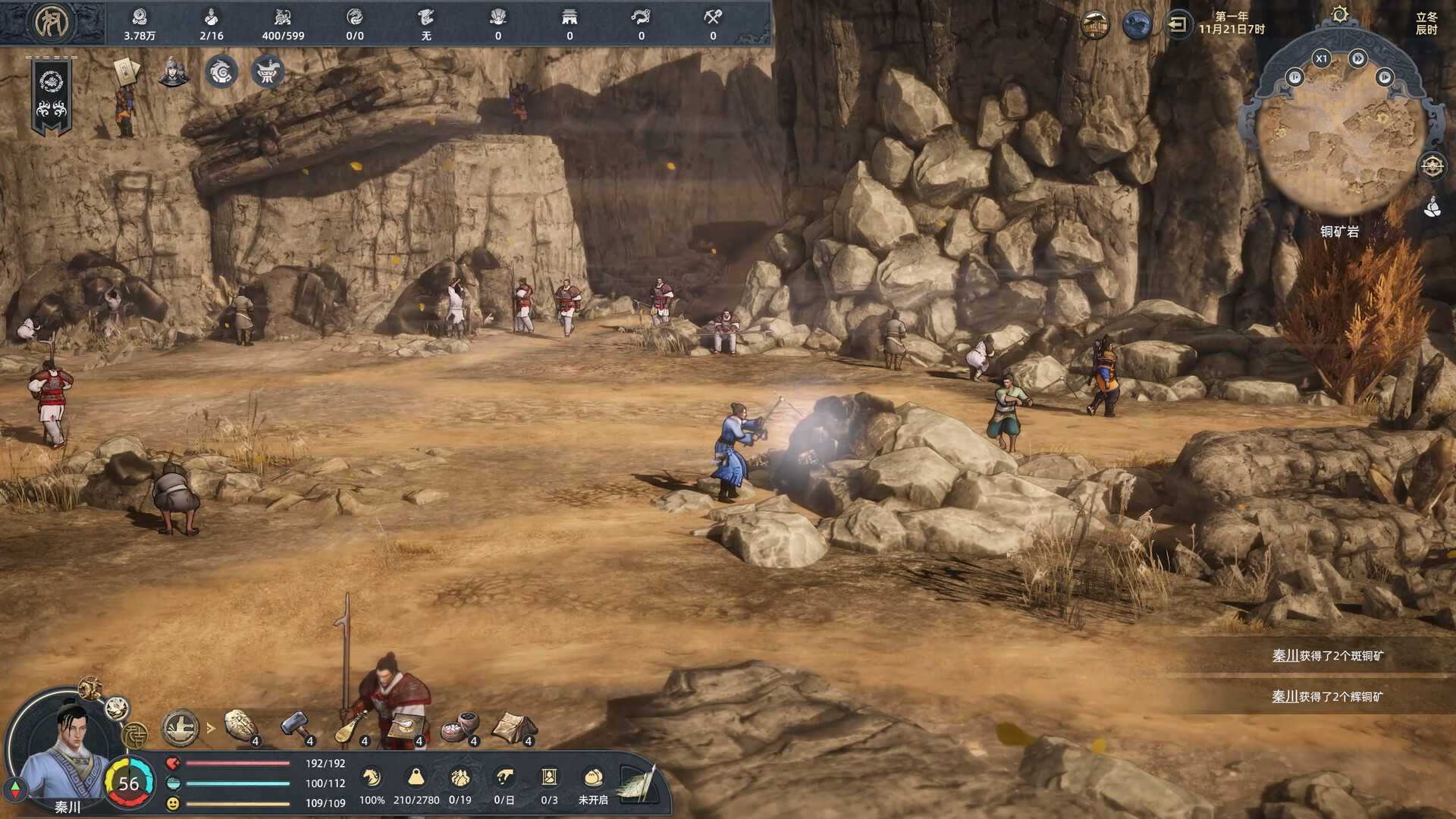
Stage forces at a friendly city or stronghold close to the target.
Negotiate passage rights from neutral factions along the route.
Use seasonal timing: campaigning in harvest season risks starvation; campaigning in winter strains gear and morale.
Keep retainers with logistics or healing skills with the army to reduce attrition.
Conquest does not stop at the gate. Captured cities and counties need administration, and getting it wrong erases progress. Each captured territory has:
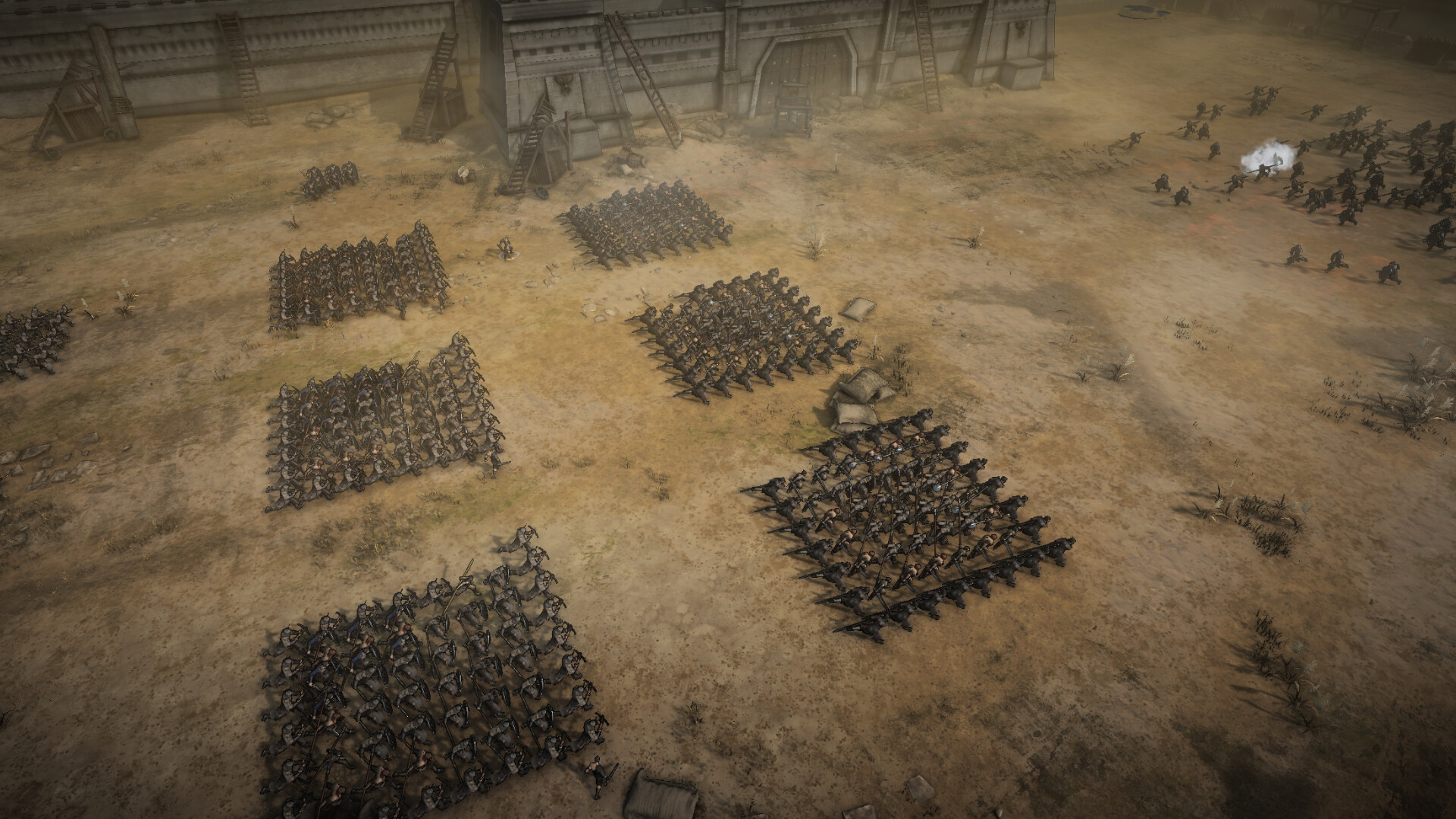
Garrison: a force left behind to suppress revolt and defend against retaliation.
Population mood: hostile, neutral, or sympathetic. Mood is shaped by tax rates, garrison behavior, and the player's reputation.
Tax and recruitment quotas: set too high and the population revolts; set too low and the conquest does not pay for itself.
Local elites: co-opting them through marriage, treaty, or recruitment is faster than killing them.
The seven warring factions track every conquest. A small clan that overruns a stronghold may attract no attention; a clan that takes a major city draws diplomatic and military responses. Vertical and horizontal alliance dynamics, when they ship in full, will sharpen this pressure.
The conquest path scales toward unifying Yu Province and, in the planned full-game roadmap, the Nine Provinces. Endgame conditions and victory criteria are still being shaped during Early Access; treat any specific endgame description as provisional. The Early Access Roadmap page tracks endgame work.
Path | Best Fit |
|---|---|
Players who want grand strategy, army management, and empire scale. | |
Players who want to build a base, raise a family, and run a region without expanding outward. | |
Players who want to skip clan administration entirely and chase martial mastery, story, or fortune. |
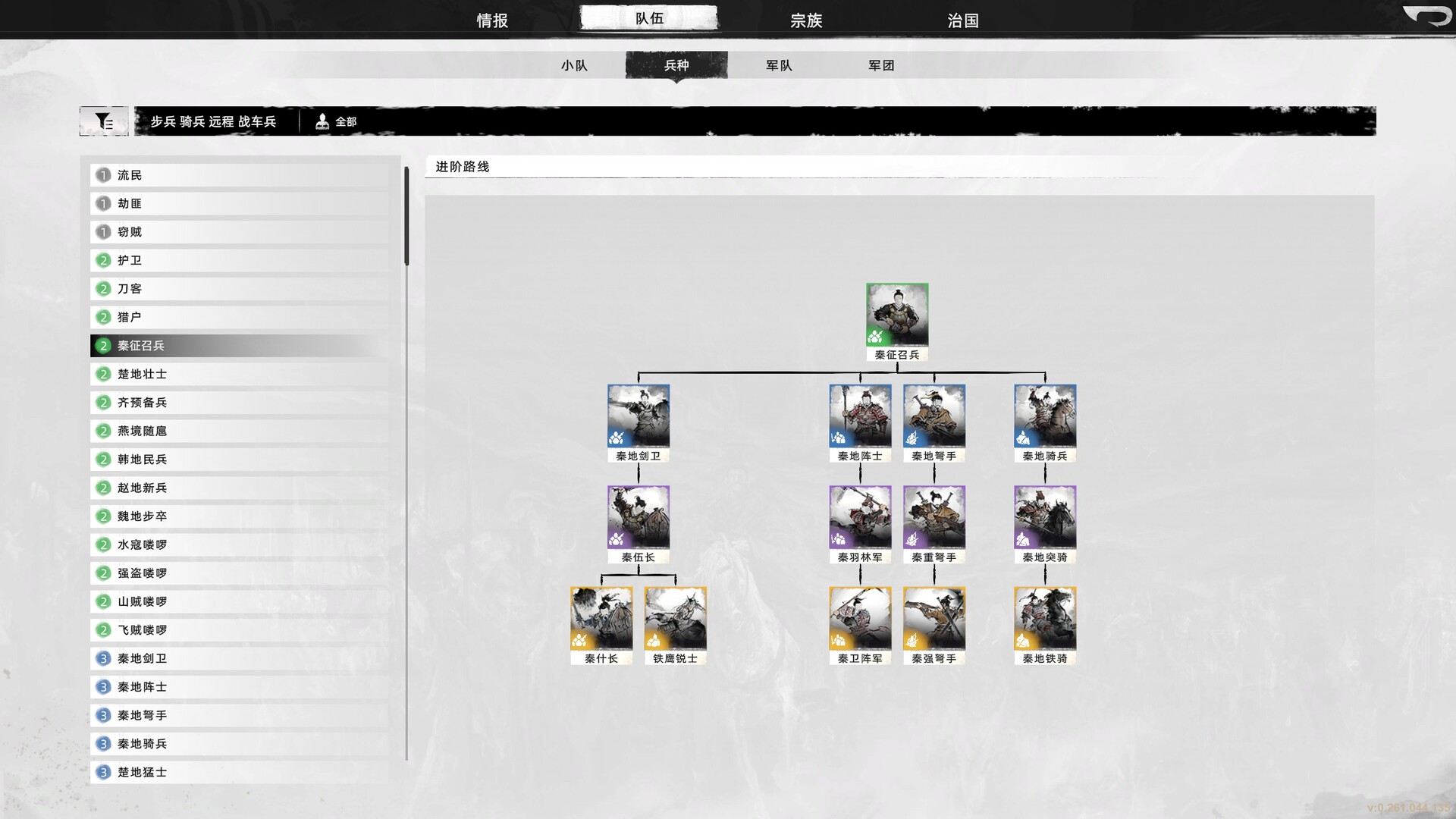
Unit Types: the army you field.
Diplomacy: where conquest decisions are negotiated, opposed, or sealed.
Strongholds: the building blocks of territorial control.
Yu Province: the current map of contested territory.
