
Loading...
Loading...
Maps and Scale
May 26, 2026 at 09:29 AM
Added confirmed lore and tech details from April 2026 reveal interview cycle (Age of Strife, CCS/PCF factions on Mars, Blindsight II VR, team-of-four, weapon categories, DLSS 4.5 feature set, RTX 50 features)
World design in Fragmentary Order is announced as a two-band system. The team has stated that the largest maps will run several times bigger than anything in Escape from Tarkov, while smaller close-quarters maps are planned alongside them so the game can swing between long sightline engagements and dense interior firefights. Vehicles are confirmed as part of the traversal answer for the bigger spaces, and the contested zones themselves are positioned across the Solar System rather than a single planet.
The figures below are direction the developers have publicly described, not finalized specs. Map sizes can shift between announcement and a playable build, and the studio has not committed to a fixed square-meter number for any specific zone.
Claim | What the Team Has Said |
|---|---|
Largest maps | Targeted at roughly four to five times the size of the largest maps in Escape from Tarkov. |
Reference point | Tarkov's biggest map runs are around 800,000 square meters, so the largest zones here are pitched as much larger landscapes than that benchmark. |
Smaller maps | Tighter close-quarters maps are also part of the plan, so not every match takes place on a sprawling environment. |
Status | Stated as design direction during the April 2026 reveal cycle, not as locked production specs. |
To make the larger maps playable rather than tedious, vehicles have been confirmed as part of the traversal toolkit. The team has not disclosed which vehicle types are in the project, how many seats they carry, whether they can be destroyed in combat, or how the economy treats them. What has been said is that simply running across the biggest zones on foot is not the intended experience; mounted travel is the design answer to that scale.
Specific vehicle classes, controls, fuel rules, and crew layouts have not been shown publicly. Anything more detailed than the confirmation that vehicles exist should be treated as unconfirmed.
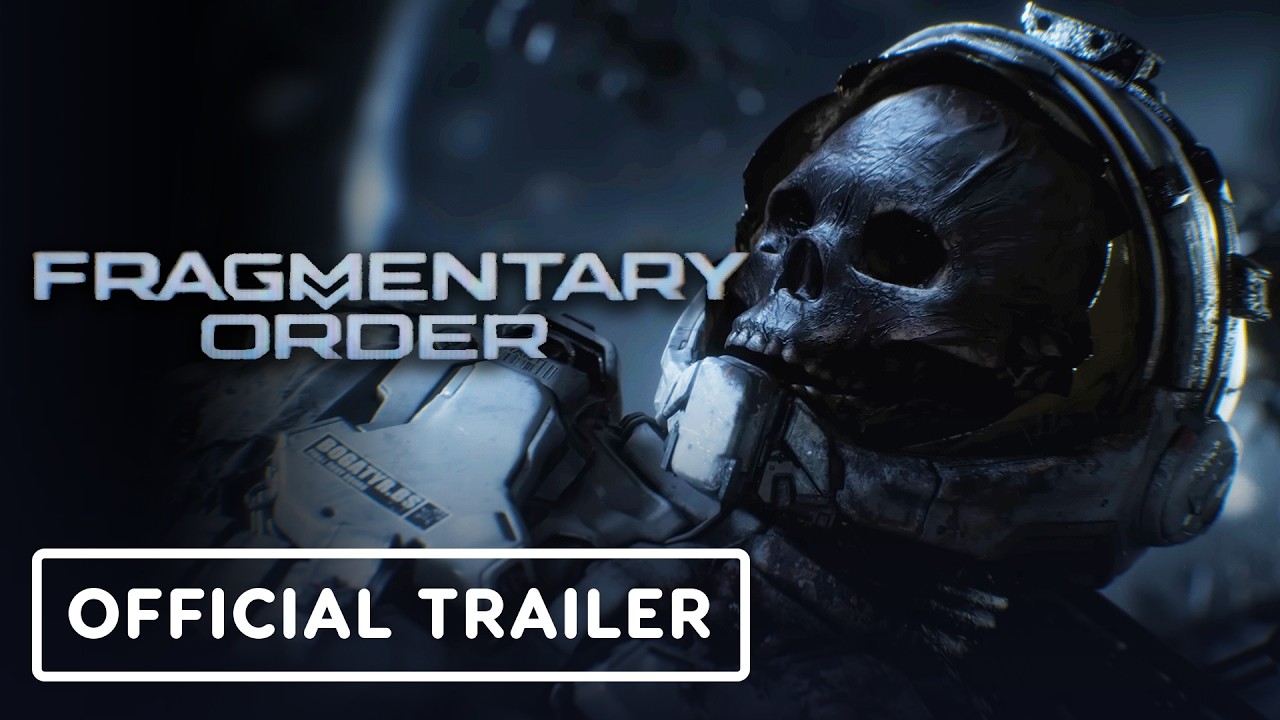
Contested zones are spread across the Solar System rather than confined to one planet. The framing positions Replicated Entities as deployable to a range of hostile destinations, with the operator remaining safely in a bunker back home while the clone takes the risk in the field.
Mars has been referenced in the announcement coverage as a hostile, partially terraformed location. This detail appears in a single secondary outlet rather than across the studio's primary channels, so it should be treated as low-confidence: the Solar System scope itself is firm, but the partial-terraforming wording on Mars specifically may shift before any playable build. Other planets, moons, stations, and named regions have not been publicly listed.
Mars is the one Solar System location the studio has publicly tied to a named in-fiction faction. In interview coverage of the April 2026 reveal, Nikita Buyanov described Mars as "more like the Wild West in space. People are just trying to survive there." The frontier framing positions the planet as a contested zone where the rule of Core is thin and direct combat between operators is part of the everyday economy.
The named opposition on Mars is the Prime Colonial Forces, or PCF, a rebel sub-faction the developer has called "like the rebels on Mars" who fight against the Core Colonial Structure (CCS), Core's colonial-arm authority. Both PCF and CCS are confirmed factional names tied specifically to Mars; their leadership, forces, and operating territory beyond the planet are not yet public.
Mars itself is still described as hostile and partially terraformed in pre-reveal coverage. With the PCF and CCS now named, the planet has been promoted from a generic third-party mention to a confirmed location with at least two named factions in active conflict. Specific landing zones, named cities or stations, and biome subdivisions on Mars have not been disclosed.
Vehicles are not an inferred feature. In the same interview cycle, Buyanov stated directly: "we'll have vehicles. The locations are much bigger." That makes vehicles part of the design from the outset rather than a stretch goal. No vehicle classes, named models, seat counts, fuel rules, or combat behavior have been disclosed; the confirmation is that they exist as a traversal answer for the larger zones rather than a content roster.
Map size feeds directly into how a session feels. Bigger zones mean longer infiltrate-to-extract loops, more time spent moving, more room for ambushes at distance, and a stronger reason to plan routes before deploying. The Gameplay Overview covers the four-step rhythm of accepting a contract, infiltrating, completing objectives, and extracting alive; on the largest maps that rhythm stretches out, and vehicles become an essential part of finishing the loop in time.
The smaller close-quarters maps exist as a counterweight. Not every session needs to be a long expedition; the design wants room for short, tight engagements as well. Either way, the loss model stays the same: the operator survives, but the clone and the gear it was carrying do not always come home. The CORIE framework prices contracts in line with the risk involved, so longer routes through bigger zones tend to carry different stakes than fast in-and-out runs.
Because the project is still pre-alpha as of the April 2026 reveal, most map specifics have not been disclosed. Open questions include:
Named maps or zones.
Exact square-meter footprints for any individual map.
Named vehicles, vehicle classes, or vehicle handling rules.
Named regions, colonies, stations, or planetary bodies beyond the general Solar System framing and the unconfirmed Mars reference.
Biome and weather variety across the map roster.
Day-night cycles, seasonal changes, or persistent world events tied to specific zones.
Player counts per map and how they vary between the larger and smaller bands.
As more information surfaces, this article and the broader Setting: The Year 2251 page will be updated. Until then, treat any specific map name, square-meter figure, vehicle name, or region label seen in third-party coverage as unverified rumor rather than confirmed content.
