
Loading...
Loading...
CORIE Framework
May 27, 2026 at 10:31 PM
Restored body text in sections that were rendering empty
The CORIE framework is the global system through which warfare, technology, and economics are structured, monetized, and traded as commodified risk in Fragmentary Order. Operated by the megacorporation Core, it turns dangerous work into a tradable asset class. Its guiding tagline, value is defined by risk, is the in-fiction reason the player's combat carries any reward. By 2251, CORIE underpins almost every contract a Core Era citizen can take, and control of the framework is now contested.
CORIE rests on three pillars, each monetized and traded as risk:
Pillar | How It Is Commodified |
|---|---|
Warfare | Conflict in contested zones is contracted out, priced by danger, and settled through CORIE. Higher hazard, higher payout. |
Technology | Advanced systems, including the bunker-to-clone link behind Replicated Entities, are licensed and rated through the framework. |
Economics | Resources, contracts, reputations, and infrastructure flow through CORIE-priced markets, not independent public economies. |
A contract's worth is set by how dangerous it is, not by labor or material cost. A low-threat run pays a fraction of a contested one. This is why elite operators do not deploy their own bodies. They sit in fortified bunkers and remotely pilot disposable Replicated Entities, because the framework rewards exposure to harm and the cheapest exposure is a clone that can be replaced.
CORIE is not run from a single command center. It operates through a network of distributed control points called CORIE nodes, each handling a slice of the framework's authority over contracts, settlement, and rated risk. As Core's grip weakens, rival factions splintering off the corporation are emerging to seize these nodes, treating control over CORIE itself as the prize.
CORIE is the in-fiction reason the moment-to-moment game works the way it does. See Gameplay Overview for the system-level view. The framework explains why:
Contested zones have priced danger ratings, not open lawless space.
Contracts carry payouts tied to hazard, not flat mission rewards.
Players pilot disposable clones, since risk pays more when the body is replaceable.
Faction reputation and credit flow settle through the same framework.
Territory fights are also fights over CORIE nodes, not just loot.
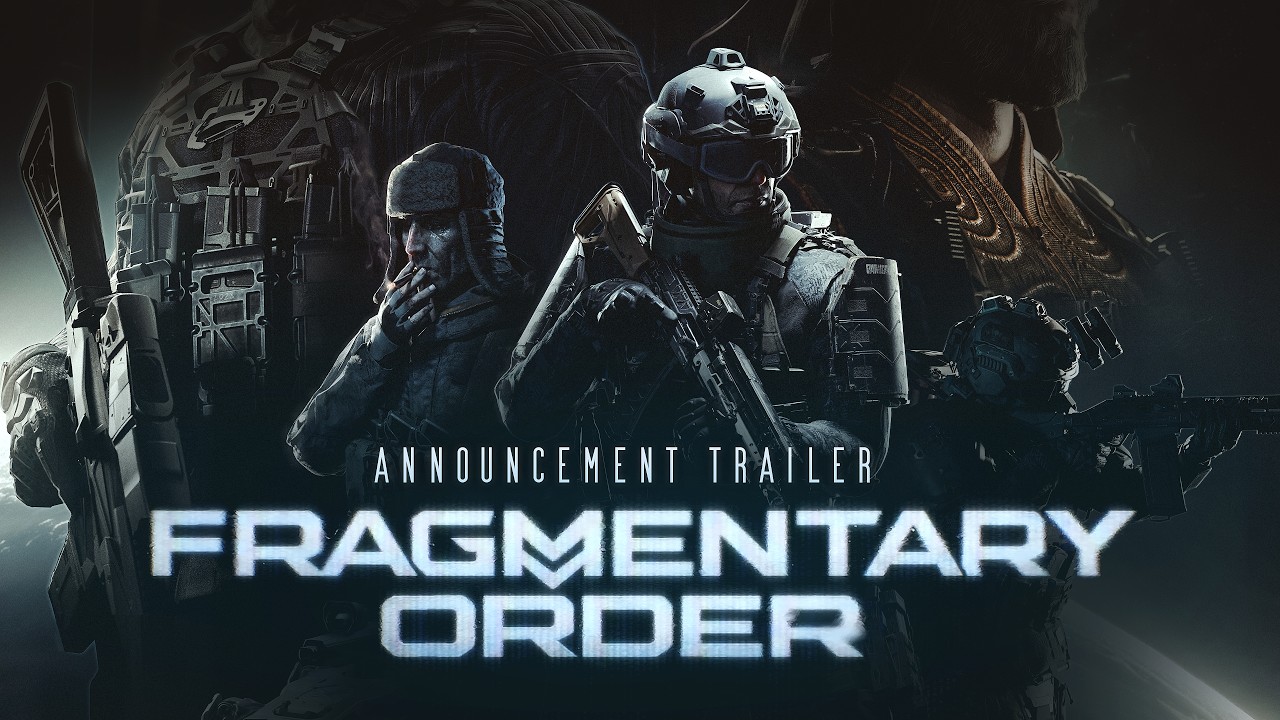
The guiding statement attached to the CORIE framework is short: value is defined by risk. The corollary is that any contract priced inside CORIE is priced against the danger of executing it, not against the materials used or the time invested. The framework treats danger itself as the raw input the wider economy runs on, and the table below summarises how that principle plays out across the game's core systems.
Principle | Consequence in the Loop |
|---|---|
Value is defined by risk | Contracts pay in proportion to how dangerous the assignment is rather than how complex it sounds on paper. A routine pickup in a low-traffic zone pays a routine rate; a high-pressure recovery deep in a contested zone pays many times more. |
Bring more, risk more | Better gear pulled into a contested zone raises the payoff if the operator's clone extracts intact, and raises the loss if it does not. Loadout choice is itself a stake in the contract. |
Risk is portable | Because the human operator stays safe in a bunker and only the Replicated Entities clone is in the field, the system can price contracts at levels of danger that would be unthinkable for a flesh-and-blood soldier. |
Risk is repeatable | Failure does not end a career. The operator queues up the next contract from the same bunker, often with a different employer, and the credit ledger absorbs the shock rather than the player's pace. |
The principle ties directly into the four-step loop described on Gameplay Overview (accept a contract, infiltrate, complete objectives, extract alive). Each step is priced inside CORIE, and each step exposes the operator's gear and standing to the danger that gives the contract its value.
Several specifics about CORIE remain undisclosed:
The number, names, and locations of CORIE nodes.
Leadership structure, including any named directors or council.
Whether an oversight body sits above CORIE or Core controls it directly.
The name of the in-game currency used to settle payouts.
The full list of contract types and how hazard ratings are calculated.
Which rival factions are actively contesting CORIE nodes.
