

Every Building is Enterable
This is one of the defining features of the Fable reboot. Fulton stated it clearly: "You can go into any building, any house that you encounter." This was "one of the requirements that we took from the original games."
The reason this requirement matters so much is that it connects to every other system. Every building needs both an interior and an exterior because "you could rob it if you wanted, or you could buy it and live there with your family." An enterable building is not just decoration. It is a space for gameplay.
Detail Over Size
Playground Games made a deliberate trade-off: smaller world, more detail. The team focused on "much more rich detail at ground level." Fable's world is smaller than Forza Horizon maps, but it is built for characters who move at walking or horseback speed, not cars going 250 miles per hour.
Fulton explained the contrast directly. In Forza Horizon, worlds are designed to be experienced at high speed. Details blur past. In Fable, the player examines everything up close. Every texture, every building interior, every NPC routine has to hold up to slow, careful scrutiny. The density of content per square meter is far higher than in a racing game.
1,000+ Handcrafted NPCs
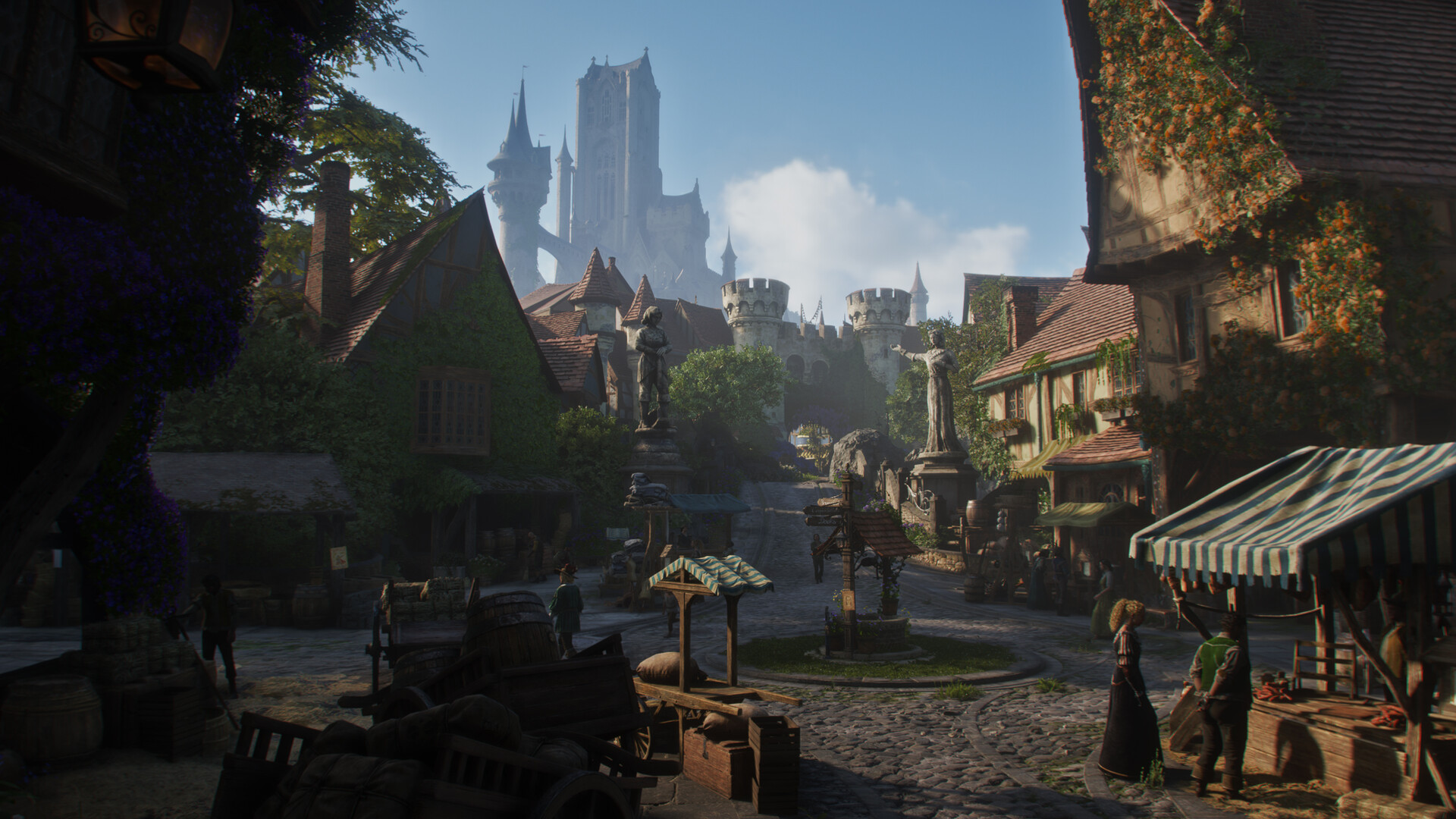
The world density is not just physical. It is populated. Over 1,000 unique NPCs live in Albion, each with a home, a job, a daily routine, and a personality. Procedural NPC generation was considered and abandoned. Every person in the world was built by hand.
This means walking through Bowerstone is not like walking through a generic RPG city where the same few character models repeat. Each person you pass is someone specific. They have a name. They live somewhere. They work somewhere. They have opinions about you based on your reputation.
NPC Routines Shape the World
NPCs follow realistic daily routines. They wake up, commute to work, spend time at their jobs, do leisure activities, and go home to sleep. The world feels different at different times of day because of this. Streets are busier in the evening when people head to pubs. Markets are active during work hours. Night is quieter.
These routines also mean the world is never static. It changes moment to moment as hundreds of NPCs move through their days. Walk through the same street at dawn and dusk and you will see different people doing different things.
First Fully Open World in the Series
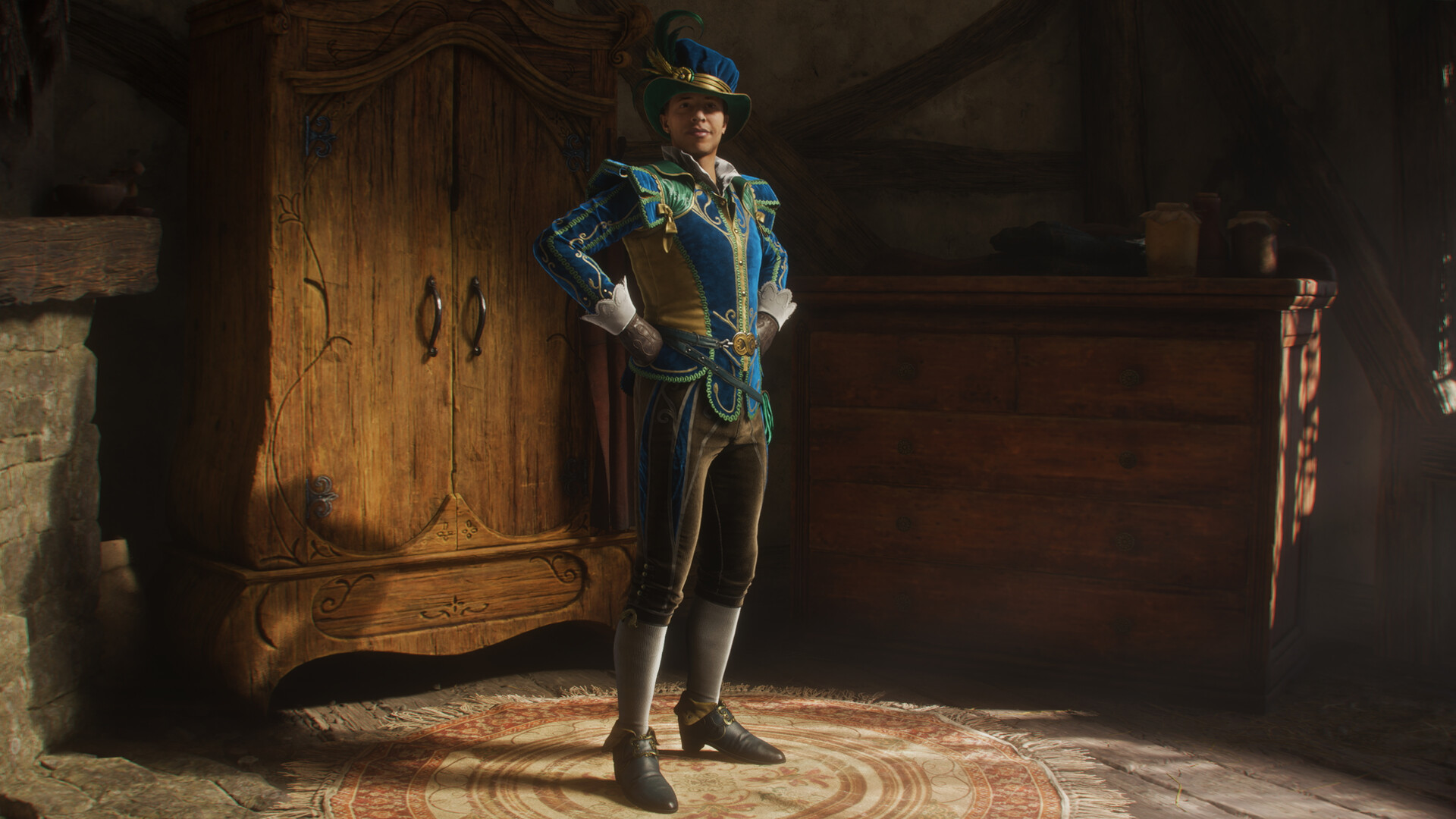
This is the first Fable game with a fully open world. Previous games had large areas separated by loading screens and gates. Some areas were level-locked, inaccessible until the player reached a certain point in the story.
The reboot removes all of that. Fulton confirmed: "As soon as you leave your village, you can go pretty much anywhere." There is no level-gating. There are no loading screens in the open world after the opening prologue. You walk out of Briar Hill and Albion is yours to explore.
Interior Design
Because every building is enterable and potentially purchasable through the Landlord System, every interior needs to be designed with care. NPC homes reflect their occupant's personality. A wealthy merchant's house looks different from a laborer's cottage. Decorations, furniture arrangement, and general tidiness all vary.
This is an enormous production challenge. Over 1,000 NPCs means over 1,000 homes, each with a bed, furnishings, and personality-driven decoration. Add workplaces, shops, taverns, and public buildings on top of that. The interior count is substantial.
Robbing as Gameplay
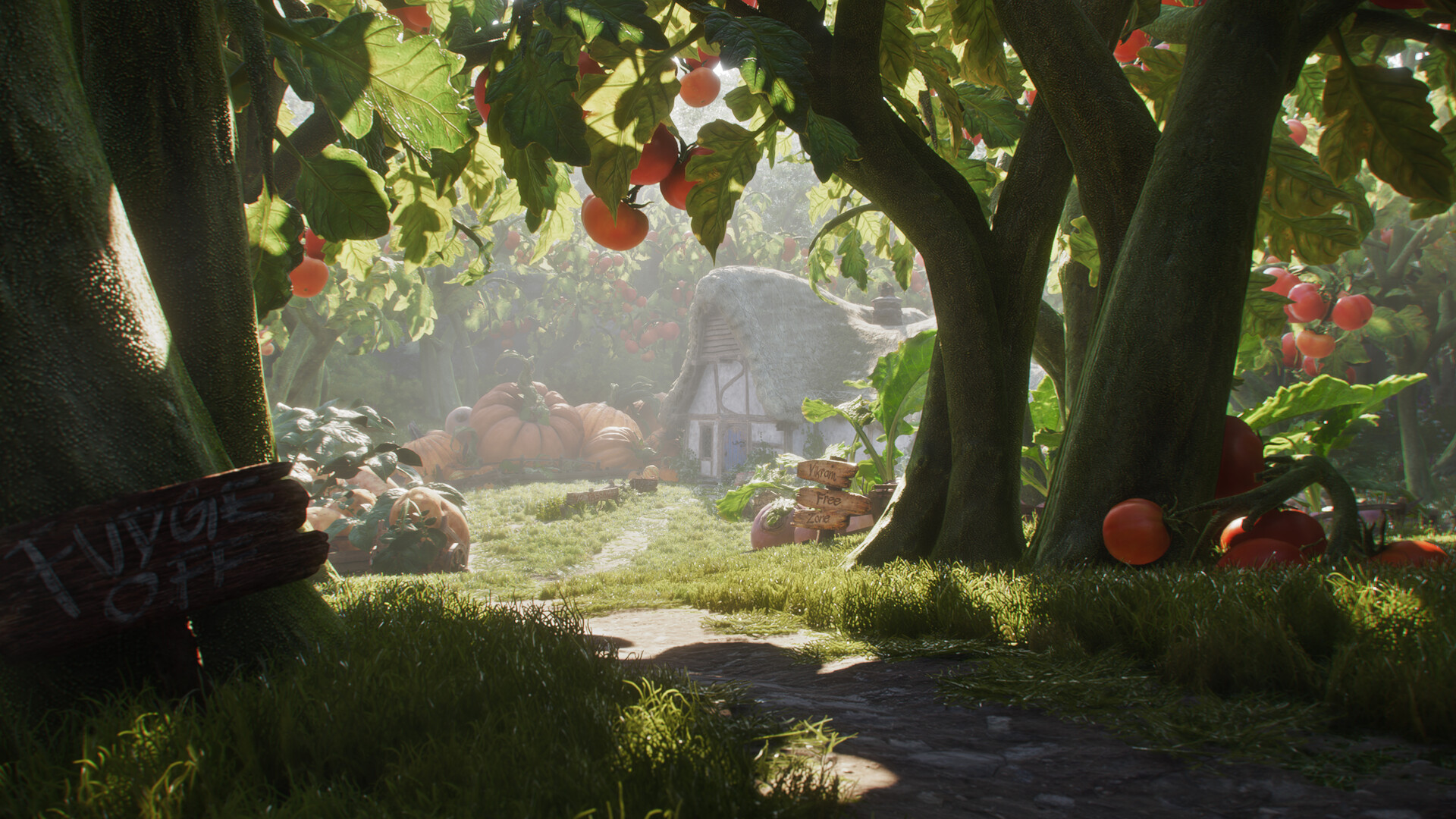
Enterable buildings are not just for property browsing. You can rob them. Walk into someone's house, take their things, and leave. Whether you get caught depends on whether anyone witnesses it. If they do, it feeds into your local reputation. If they do not, you got away with it.
This creates a layer of gameplay that most open-world RPGs only gesture at. In many games, houses you can enter are few and mostly empty. In Fable, every house belongs to someone, contains their belongings, and can be burgled. The morality system handles the consequences.
World Design Philosophy
The overall philosophy is clear: Playground Games chose depth over breadth. A smaller world packed with content, where every building is enterable, every NPC is handcrafted, and every action has consequences. This is the opposite of the approach many modern open-world games take, where map size is the selling point and much of the space is filler.
Whether this approach pays off depends on whether the density holds up across 30, 40, 50 hours of gameplay. A world this packed needs enough variety to sustain extended play. That is the test.